
Selecting the most suitable Kidztime bowl design for baby-led weaning (BLW) depends on matching the bowl’s physical features—such as its suction strength, compartment layout, and depth—to your baby’s current developmental stage and your highchair’s surface material. There is no single universal bowl that fits every infant from their first bite of solid food to independent toddler dining. Instead, parents should evaluate how different design features support a child’s evolving motor skills, such as grasping, scooping, and using utensils. By focusing on these functional elements, you can choose a bowl design that encourages self-feeding, minimizes mealtime messes, and ensures a safe, supervised dining experience.
During baby-led weaning, infants transition from swallowing purees to actively handling, chewing, and exploring whole foods. This developmental shift requires tableware that remains stable under pressure. A bowl that slides or tips easily can frustrate a learning infant, often leading to spilled meals and interrupted learning. By understanding the mechanics of suction bases and divided sections, caregivers can select a design that aligns with their child’s physical capabilities and the specific layout of their home feeding environment.
Key Features to Look for in a BLW Bowl
When evaluating a Kidztime bowl for baby-led weaning, several core design elements dictate how well the product will perform on a daily basis. The primary feature to analyze is the suction base. An effective suction bowl relies on a physical vacuum seal created between the bottom of the bowl and the highchair tray. For this seal to remain secure against a baby’s tugging, the bowl must feature a wide, stable footprint. A broader base distributes the pulling force more evenly, making it significantly harder for an infant to break the vacuum seal and lift the bowl.
Products mentioned in this guide
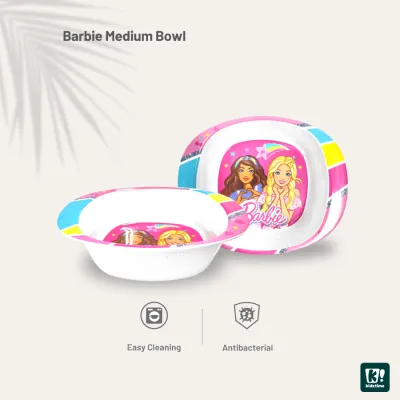
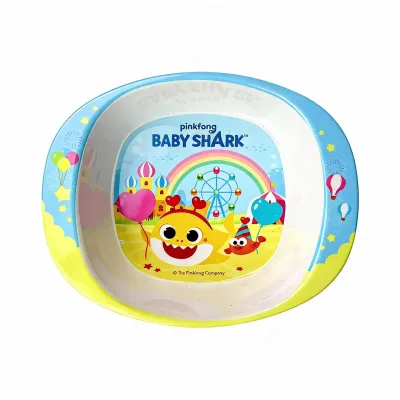
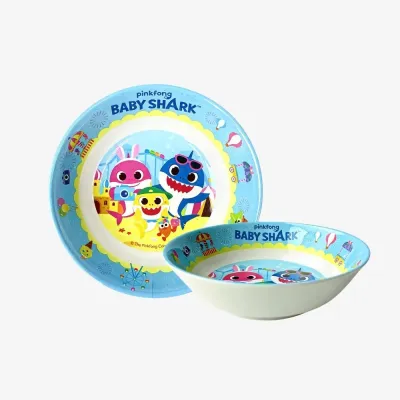
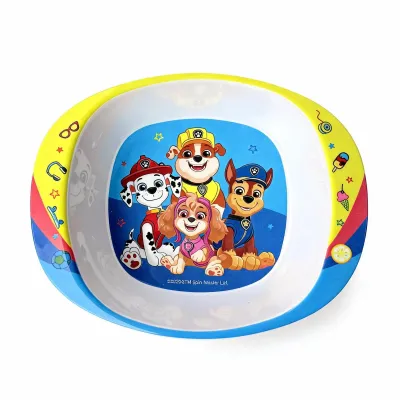
Prices are valid at publication and may change. Please refer to the product page for the latest price.
Another critical feature is the presence of divided sections. Divided bowls or plates are highly beneficial during the early and middle stages of weaning. These compartments allow caregivers to present different food groups, textures, and flavors separately. Keeping foods distinct helps infants identify individual tastes and textures, which supports sensory development and can prevent them from becoming overwhelmed by mixed dishes. Additionally, divided walls provide natural barriers that babies can push food against, making it easier to pick up small pieces with their fingers.
Bowl depth and edge design also play a major role in how successfully a baby can feed themselves. Bowls with deep, vertical walls and slightly curved inner edges are ideal for infants learning to scoop food. When a baby pushes a spoon or their fingers against a curved wall, the food is guided upward and onto the utensil rather than spilling over the side. The weight of the bowl is another factor; a sturdier, heavier bowl provides additional stability even when the suction base is not engaged, helping the container stay in place during light use.
Matching Kidztime Bowl Designs to BLW Stages
A baby’s feeding journey is marked by rapid developmental milestones, meaning the ideal bowl design will change as your child grows. During the early BLW stage, which typically begins around six months of age under close caregiver supervision, babies primarily use their palmar grasp to scoop up large pieces of food with their entire hand. At this stage, prioritizing a bowl with a strong suction base and a deeper, single-compartment design is highly recommended. The deep cavity allows you to offer soft-cooked spears or mashed foods that the baby can easily grab or smash against the bottom without tipping the container.

As your baby advances to the middle and later stages of weaning, usually around nine to twelve months, they develop the pincer grasp, allowing them to pick up smaller, bite-sized pieces of food using their thumb and index finger. This is a suitable time to transition to a divided Kidztime bowl or plate. The separate compartments are excellent for introducing a wider variety of foods, such as a protein, a vegetable, and a grain, without them mixing. These divided sections also assist babies who are beginning to practice with child-safe utensils, as the compartment walls provide a structured boundary that helps them load food onto a spoon or fork.
Eventually, toddlers will show clear signs that they are ready to transition away from suction tableware toward standard, non-suction plates and bowls. You will know your child is ready when they consistently demonstrate refined hand-eye coordination, use utensils with minimal spilling, and no longer attempt to lift or throw their dishes during meals. Transitioning to standard tableware helps children learn to handle real-world dining situations and prepares them for eating at family tables or childcare centers where suction bases are not typically used.
How to Verify Safety and Usability Before Use
Before introducing any new feeding product to your baby, it is essential to establish a thorough safety and usability checklist based on the manufacturer’s official guidelines. First, carefully inspect the product packaging and documentation for recommended age ranges, developmental milestones, and any specific weight or size limits. Because children develop at different rates, a product’s suitability should always be verified against your baby’s actual physical abilities rather than age guidelines alone. Always ensure that a caregiver is present to supervise every meal to prevent choking hazards and ensure safe handling.
Material safety is another paramount consideration that must be verified directly on the product labels or official manufacturer specifications. Look for clear indications that the Kidztime bowl is made from food-grade silicone or BPA-free plastics. Food-grade silicone is highly favored for baby tableware because it is durable, flexible, and resistant to shattering. Caregivers should verify these material claims on the packaging to ensure the product meets relevant safety standards for food contact materials before allowing it to touch their baby’s food.
Finally, you must test the suction base on your specific highchair tray or dining table before the first meal. Suction performance is highly dependent on the surface material and texture. While a suction base may stick perfectly to smooth plastic, glass, or polished wood, it will often fail to hold on textured plastic, matte finishes, or porous wooden surfaces. Testing the bowl beforehand allows you to determine if you need to adjust your feeding setup, such as using a different table or applying a smooth placemat, to ensure the bowl remains securely anchored during use.
Practical Tips for Using Suction Bowls During BLW
To maximize the performance of a suction bowl and ensure it remains securely attached throughout a meal, proper surface preparation is key. Before pressing the bowl down, ensure that both the highchair tray and the bottom of the suction base are completely clean, dry, and free of any oily residue or food crumbs. Even a tiny speck of dust or a drop of water can prevent a proper vacuum seal from forming, allowing air to seep in and release the suction. Press firmly down on the center of the bowl to push out all trapped air and establish a strong hold.
Maintaining the physical integrity of the bowl requires strict adherence to the manufacturer’s care and cleaning instructions. While many silicone bowls are labeled as dishwasher-safe, repeated exposure to high-temperature wash cycles or harsh detergents can gradually degrade the material and warp the suction base. If the base becomes warped or loses its flat profile, it will no longer be able to form a reliable vacuum seal. To prolong the lifespan of the bowl, consider hand-washing it with mild, unscented dish soap and warm water, and avoid exposing it to extreme heat sources unless explicitly permitted by the manufacturer.
Over time, all baby tableware will experience natural wear and tear from frequent use and washing. Caregivers should regularly inspect Kidztime bowls for visible signs of degradation, such as micro-cracks, discoloration, sticky surfaces, or a noticeable reduction in suction capability. If you observe any peeling, tearing, or structural changes in the material, stop using the bowl immediately and replace it. Using damaged tableware can compromise hygiene and safety, so timely replacement is essential for maintaining a healthy feeding environment.
Frequently Asked Questions (FAQ)
Can a divided Kidztime bowl help with picky eating during BLW?
Yes, a divided bowl can be an effective tool for managing and supporting babies who exhibit picky eating behaviors or sensory sensitivities. Some infants are naturally overwhelmed when different foods touch, mix, or blend together, which can cause them to reject the entire meal. By utilizing a divided bowl, you can present new or less-preferred foods in their own dedicated compartments, completely separate from familiar favorites. This visual separation reduces mealtime anxiety, allows the baby to explore new textures and colors at their own comfortable pace, and encourages independent tasting without pressure.
What should I do if the suction base stops sticking to the highchair tray?
If your bowl’s suction base stops sticking, begin by troubleshooting the cleanliness of both surfaces. Thoroughly clean the suction base and the highchair tray with mild dish soap and warm water to remove invisible grease films, then dry them completely. Next, check for any trapped air by pressing firmly on the center of the bowl when applying it to the tray. If the suction still fails, inspect the silicone base closely for any warping, bending, or fine cracks caused by heat exposure in the dishwasher or microwave. If the material has warped or degraded, the bowl will need to be replaced to restore proper suction performance.
Community discussion
Share your experience or ask a question. Comments are reviewed before publication.