
Selecting the right Joie baby carrier requires matching the carrier’s structural design with your baby’s physical milestones. While age ranges on packaging offer a general guideline, your baby’s weight, height, and physical development—such as head control and hip flexibility—are the true indicators of a safe and comfortable fit. By systematically evaluating these developmental markers against the manufacturer’s specifications, you can ensure a secure carrying experience for both you and your child.
In tropical climates like Singapore, where high humidity and warm temperatures are daily realities, choosing a carrier also involves assessing material breathability and ease of adjustment. Whether you are navigating busy transit hubs, walking through local parks, or managing daily tasks at home, the carrier must support your baby’s natural posture while keeping both of you cool. Understanding how to read and apply the manufacturer’s guidelines is the first step toward finding the perfect match.
Assessing Your Baby's Developmental Stage and Carrier Needs
During the newborn stage, which typically spans from birth to around four months, infants lack the muscular strength to support their own heads. Their cervical spine is highly vulnerable, and their airways can easily become compromised if their chin slumps toward their chest. Consequently, any carrier used during this delicate phase must feature integrated, structured head and neck support that keeps the head upright and stable. Caregivers must verify that the carrier’s upper panel can be adjusted to snugly cradle the back of the baby’s head without covering the face or restricting airflow.
Products mentioned in this guide
![[✅SG Ready Stock] Baby Carrier Infant Comfortable Breathable Multifunctional Sling Backpack Hip Seat Carrier Baby Carrier Sling 婴儿背带](https://img.lazcdn.com/g/p/d720ec7829ce8f1ccf59f71cb1a8ec5a.png_400x400q80.png_.webp)
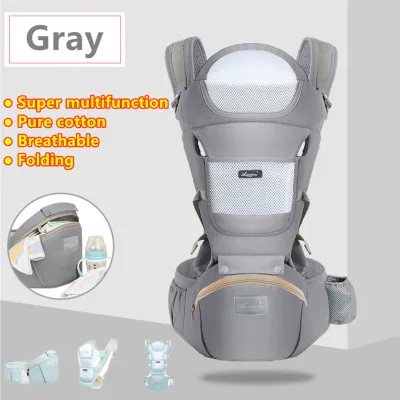
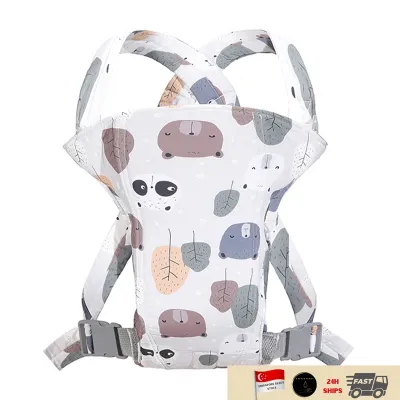
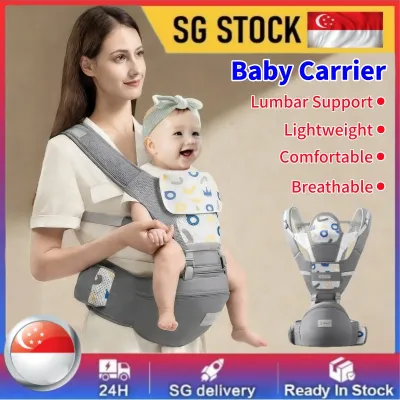
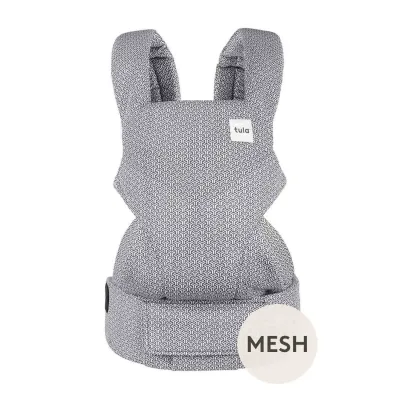
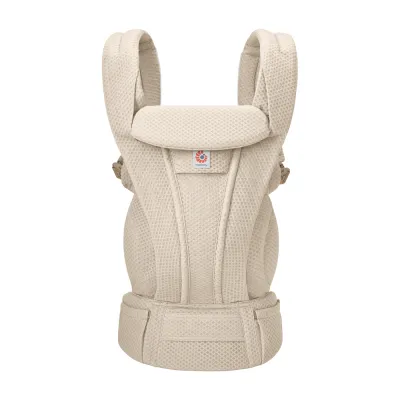
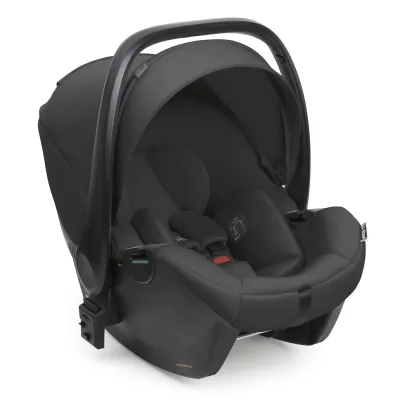
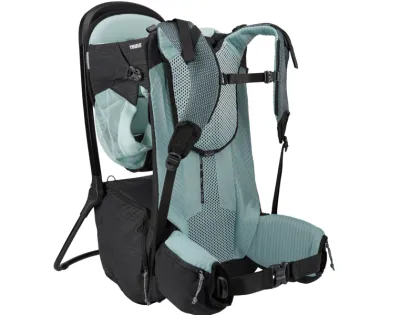
Prices are valid at publication and may change. Please refer to the product page for the latest price.
As your baby transitions into the infant stage, usually between four and nine months, you will notice them beginning to hold their head up independently and look around their environment. This milestone indicates developing neck control, but it does not mean they are ready for a completely unstructured carrier. During this period, the focus shifts heavily toward supporting healthy hip development. The hip joints of an infant are primarily made of soft cartilage, making them susceptible to hip dysplasia if their legs are allowed to dangle straight down. A suitable carrier must support the thighs from knee to knee, keeping the hips in a naturally flexed, abducted position.
By the time your child reaches the toddler stage, which generally begins around twelve months, their physical needs and weight distribution requirements change significantly. Toddlers are much heavier and more active, which places greater physical strain on the caregiver’s shoulders, back, and hips. At this stage, the carrier must offer robust lumbar support and a wider seat base to accommodate the child’s longer limbs and increased weight. Additionally, toddlers often prefer different carrying positions, such as back carrying, which allows them to see the world while remaining securely anchored to the caregiver’s torso.
It is crucial to remember that developmental milestones, rather than chronological age alone, must dictate when a baby is ready for specific carrier features. Every child develops at their own pace; a baby who is six months old might still require additional head support if they have not yet achieved steady neck control. Conversely, a younger baby who is exceptionally long or heavy may outgrow a newborn insert faster than expected. Always prioritize your baby’s physical capabilities and measurements over the generic age ranges printed on the box.
Key Ergonomic Features to Verify in Joie Carrier Specifications
When evaluating different Joie baby carrier models, the first ergonomic feature to verify is the support for the “M-shape” hip positioning. In this position, also known as the spread-squat position, the baby’s hips are flexed so that their knees are positioned higher than their bottom, and their thighs are spread around the caregiver’s torso. You can verify this by checking the manufacturer’s design descriptions and product diagrams to ensure the seat fabric is wide enough to support the baby’s thighs from knee crease to knee crease. This structural support prevents the legs from dangling, which minimizes stress on the developing hip joints.

Alongside hip positioning, you must verify that the carrier supports the natural “C-shape” curve of your baby’s spine. A newborn’s spine is naturally curved like a C, and it gradually develops the adult S-curve as they learn to hold their head up, sit, and walk. The carrier’s back panel should be made of a supportive yet flexible fabric that conforms to this natural curve rather than forcing the baby’s back into an unnaturally straight position. Check the product specifications to ensure the panel tension can be adjusted to hold the baby snugly against your chest while maintaining this ergonomic curvature.
An adjustable seat width is another essential feature to look for in the product specifications. As your baby grows, a fixed-width seat will eventually become too narrow, failing to support the thighs properly and causing the legs to dangle. Look for models that feature adjustable seat panels, which can be widened or narrowed using integrated buttons, snaps, or hook-and-loop fasteners. This adjustability ensures that the carrier can grow with your baby, maintaining proper knee-to-knee support from the newborn days through to toddlerhood.
Caregiver comfort is equally important for ensuring long-term usability, especially when carrying heavier infants or toddlers. Verify that the carrier specifications include generously padded shoulder straps and a structured, wide waistband. These features work together to distribute the baby’s weight evenly across your shoulders, upper back, and hips, preventing localized pressure points and reducing the risk of back strain. When shopping, cross-reference these ergonomic features with the specific Joie model’s official user manual to confirm how these adjustments are made and whether they suit your body shape.
Matching Carrier Styles to Your Baby's Age and Weight Range
To select the right carrier style, you should establish a conditional framework based on your baby’s current weight, height, and your daily lifestyle needs. For the early months, wrap-style carriers or structured carriers equipped with dedicated newborn inserts are highly effective. These designs offer a snug, womb-like environment that conforms closely to a tiny infant’s body. However, before using these styles, you must strictly verify the manufacturer’s minimum weight limits, which are typically printed on the product’s warning labels. Using a carrier for a baby who falls below the minimum weight threshold can lead to safety hazards, such as the baby slipping through the leg openings or slumping down into the carrier.
Once your infant has achieved full, independent neck control and can sit with minimal support, you can transition to standard structured carriers without inserts. These carriers are designed for quick buckling and unbuckling, making them highly convenient for active parents navigating urban environments or running errands. They typically feature structured panels, adjustable straps, and multiple carrying positions, such as facing inward or outward. Ensure that any standard structured carrier you consider has clear instructions on how to adjust the seat and panel height to match your infant’s growing torso.
For older, heavier babies and toddlers, you should look for adjustable or toddler-specific models that emphasize robust lumbar support and wider seat bases. These models are engineered to handle heavier weight loads without sagging, ensuring that the child’s weight remains centered over your hips. Look for carriers that offer a back-carrying option, as this position is often much more comfortable for carrying older children over longer distances. The wider seat base on these models ensures that even taller toddlers receive adequate thigh support, preventing their legs from dangling uncomfortably.
To build your final shortlist, avoid relying on general recommendations or online reviews that may not apply to your child’s unique proportions. Instead, take precise measurements of your baby’s current weight and height, and strictly match these figures against the official limits printed on the Joie product tags or detailed in the user manual. This systematic approach ensures that you select a model that is physically safe and ergonomically appropriate for your baby’s current developmental stage, rather than one they have already outgrown or are not yet large enough to use safely.
Pre-Use Safety Checks and Proper Fitting Guidelines
Before placing your baby in the carrier for any outing, it is essential to perform a quick but thorough safety inspection. Examine all buckles, fasteners, straps, and seams to ensure there are no signs of wear, fraying, or structural damage. Check that the plastic buckles click securely into place and do not slip when tension is applied. If you notice any torn stitching, cracked plastic, or loose straps, do not use the carrier; instead, contact the manufacturer for guidance or replacement parts.
Once the baby is secured in the carrier, your primary safety priority is maintaining a clear and unobstructed airway. The baby’s face must always be fully visible to you, and their nose and mouth must be free from any fabric, clothing, or the caregiver’s body. Ensure that the baby’s chin is not resting on their chest, as this position can restrict their breathing; there should always be a gap of at least two fingers’ width between their chin and chest. Regularly look down to monitor your baby’s breathing and face, especially if they fall asleep while being carried.
Proper strap adjustment is critical to prevent the baby from slumping down into the carrier, which can compromise both their airway and their spinal alignment. Adjust the shoulder straps and waistband so that the baby is held snugly against your body; they should be close enough for you to easily kiss the top of their head without straining. A snug fit ensures that the baby’s weight is distributed evenly across your torso and prevents them from shifting or sagging as you walk.
Finally, establish clear conditions for when to stop using a specific carrying position or carrier model. If your baby exceeds the maximum weight or height limits specified by the manufacturer, you must immediately discontinue use to prevent structural failure or physical discomfort. Additionally, monitor your baby for signs of discomfort, such as fussiness, restricted leg movement, or red marks on their thighs, which may indicate that the carrier is no longer fitting them properly. If you or your baby experience persistent discomfort, stop using the carrier and recheck the fitting guidelines in the official manual.
Frequently Asked Questions (FAQ)
Is it safe to use a baby carrier for a premature or low-birth-weight baby?
Parents must always consult a pediatrician or a qualified healthcare professional before using any baby carrier for premature or low-birth-weight infants. Standard manufacturer weight minimums are designed for full-term infants and may not account for the unique medical, respiratory, and developmental needs of premature babies. A healthcare professional can assess your baby’s muscle tone, airway stability, and overall health to determine if they are ready for a carrier and recommend safe positioning techniques.
How should I clean the carrier fabric and maintain the buckles?
To maintain the structural integrity and hygiene of your carrier, always check the specific care label stitched onto the fabric for exact washing instructions. Many carriers can be spot-cleaned with a damp cloth and mild detergent, while others may be machine-washable on a gentle cycle using cold water. Avoid using harsh chemicals, bleach, or fabric softeners, as these can degrade the fabric fibers and irritate your baby’s sensitive skin. Never submerge plastic buckles or safety clips in water if the manual advises against it, and always air-dry the carrier away from direct sunlight to prevent the materials from weakening.
When is the right time to transition to a new carrying position?
Transitioning your baby to a new carrying position, such as forward-facing or back-carrying, must be guided by their physical milestones rather than their age. You should only attempt these positions when your baby has achieved full, independent control of their head and neck, and can sit comfortably without assistance. Additionally, you must verify that your specific Joie carrier model is officially designed and approved for the desired position. Refer to the user manual to confirm the minimum and maximum weight limits for each specific carrying position, as these limits often differ from the carrier’s overall weight range.
Community discussion
Share your experience or ask a question. Comments are reviewed before publication.