
Selecting the right HiPP cereal variant for your baby involves matching the product’s specific texture and ingredients to your child’s age, weaning stage, and individual nutritional needs. While age indicators on packaging serve as helpful starting points, your baby’s physical readiness and developmental milestones are the most reliable guides for introducing solid foods. Every infant develops at their own pace, meaning a calendar age is secondary to observable physical signs of readiness. Before introducing any cereal, caregivers should look for key developmental indicators that suggest a baby’s digestive system and motor skills are mature enough to handle foods other than breast milk or infant formula.
One of the primary signs of readiness is robust head and neck control. Your baby must be able to hold their head steady and upright without assistance to ensure safe swallowing and minimize the risk of choking. Additionally, the ability to sit upright with minimal support—whether in a high chair or on a caregiver’s lap—is crucial for maintaining a safe feeding posture. Another key indicator is the gradual disappearance of the tongue-thrust reflex, an involuntary response where infants push solid objects out of their mouth with their tongue. When this reflex diminishes, the baby can successfully move food from the front of the mouth to the back to swallow.
Caregivers should also observe behavioral cues, such as a keen interest in what others are eating, reaching out for food during family meals, or opening their mouth wide when a spoon approaches. Once these signs are consistently present, you can begin planning the transition to solid foods. This journey typically starts with incredibly smooth, runny textures that mimic the consistency of milk, allowing the baby to practice swallowing without needing to chew. As your baby’s oral motor skills mature, you can gradually advance to thicker, lumpier consistencies, which encourage the development of chewing and jaw movements necessary for more complex foods later on.
Products mentioned in this guide
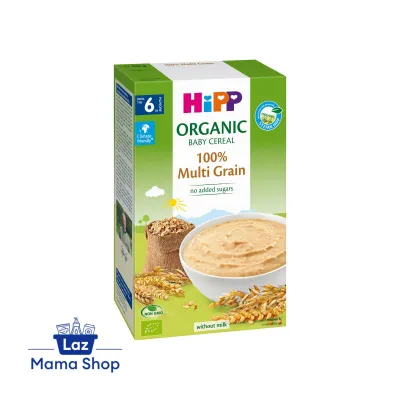
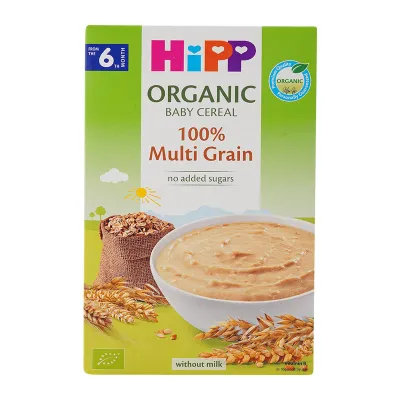
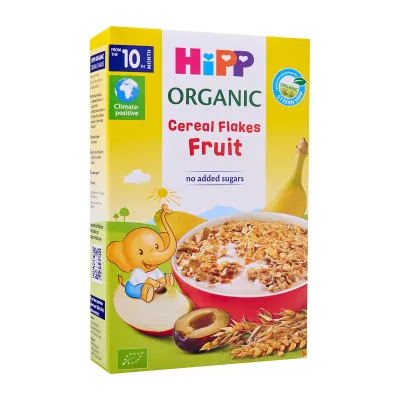
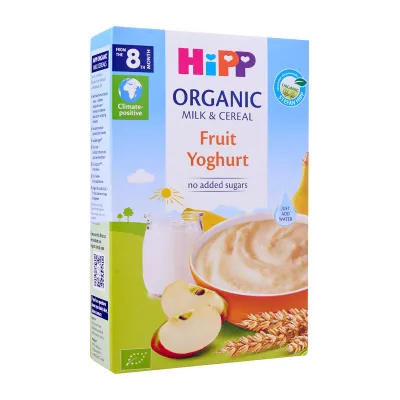
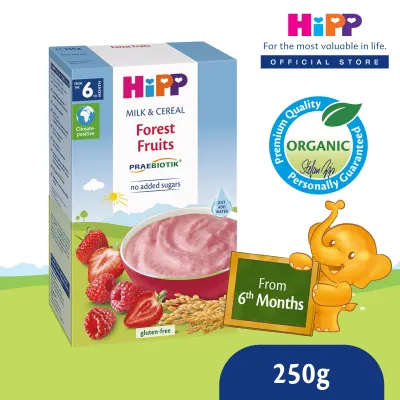
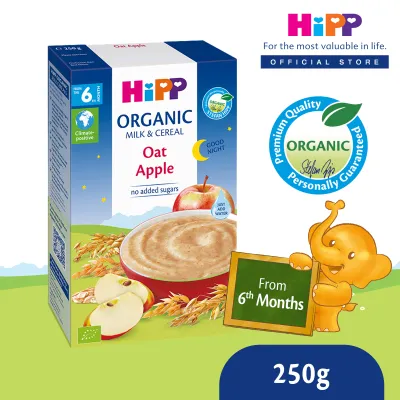
Prices are valid at publication and may change. Please refer to the product page for the latest price.
Matching HiPP Cereal Variants to Developmental Needs
Navigating the wide array of HiPP cereal options requires a structured approach that aligns different product categories with your baby’s evolving digestive capacity. The brand offers several formulations, ranging from simple single-grain options to complex multi-grain blends and specialized evening or fruit-infused variants. Each category serves a distinct purpose in the weaning journey, helping to expand your baby’s palate while matching their physical ability to process different ingredients.
Rather than relying solely on the age suggestions printed on the front of the box, caregivers must carefully verify the specific age recommendations, ingredient lists, and allergen warnings on the back of each product packaging. This verification ensures that the chosen variant matches your baby’s current developmental stage and does not contain ingredients that are premature for their digestive system. Consulting with a pediatrician or a pediatric dietitian before introducing new food groups can also provide personalized guidance tailored to your child’s growth trajectory.
Single-Grain and Rice Cereals
Single-grain cereals, such as pure rice or organic oat variants, are frequently selected as the initial step in a baby’s weaning journey. These options feature simple, easily digestible ingredients that are gentle on an infant’s developing gastrointestinal tract. By offering a single grain mixed with familiar breast milk or formula, caregivers can introduce the concept of eating from a spoon without overwhelming the baby’s digestive system with complex protein structures or multiple ingredients at once.
When selecting a single-grain variant, it is highly beneficial to check the product label for iron fortification. Around the six-month mark, a baby’s natural iron stores begin to deplete, making dietary iron intake increasingly important for healthy development. Additionally, introducing only one new single-ingredient food at a time allows caregivers to monitor the baby closely for any individual sensitivities, digestive discomfort, or allergic reactions. If an adverse reaction occurs, having served only a single grain makes it significantly easier to identify the specific trigger.
Multi-Grain and Oat Cereals
As your baby becomes proficient at swallowing smooth, single-grain mixtures and shows no signs of digestive distress, they may be ready to transition to multi-grain and oat cereals. These variants introduce a wider variety of grains, which naturally increases the complexity of the texture and the fiber content of the meal. The slightly coarser texture of multi-grain cereals plays an important role in supporting advancing oral motor skills, as it encourages the baby to use their tongue and jaw to manipulate the food before swallowing.
Before introducing these complex blends, caregivers must carefully inspect the product label for specific grain compositions and potential allergens, such as gluten, wheat, barley, or rye. Some babies may require a delayed introduction to gluten-containing grains based on family history or medical advice. It is recommended to introduce multi-grain options gradually, starting with small portions mixed to a familiar consistency, to observe your baby’s tolerance and acceptance of the new grain combinations over several days.
Fruit and Evening Cereal Variants
Flavored or specialized cereals, including fruit-infused options and evening variants, are designed to offer dietary variety and a slightly different sensory experience. These products often combine grains with fruit flakes, purees, or mild herbs to create a more flavorful meal. While these variants can be useful for expanding a baby’s palate or providing a comforting evening routine, they require careful label reading to assess the concentration of fruit purees and to ensure there are no added sugars or artificial sweeteners.
To foster healthy eating habits, pediatric nutrition experts generally advise prioritizing plain, unflavored cereals during the initial stages of weaning. Establishing a baseline appreciation for natural, savory, and neutral grain flavors helps prevent a strong preference for sweet foods early in life. When you do decide to introduce fruit or evening variants, always check the manufacturer’s recommended age on the packaging, as these specialized formulations may contain complex ingredient blends suitable only for older infants with more mature digestive systems.
How to Read HiPP Cereal Labels for Safety and Nutrition
Reading and interpreting the labels on HiPP cereal packaging is a critical skill for ensuring your baby’s safety and nutritional well-being. The information provided on the box contains essential details that go beyond simple marketing claims, allowing you to make informed decisions based on objective product specifications. Caregivers should establish a consistent routine of checking several key areas of the packaging before purchasing or preparing any baby food.

First, locate the age indicator, which is typically displayed prominently on the front of the box (for example, “from 4 months” or “from 6 months”). It is vital to understand this indicator as a minimum developmental guideline rather than a strict rule or an instruction to start solids immediately. Just because a product is labeled for use from four months does not mean your baby is physically ready; always cross-reference this guideline with the physical readiness signs your baby displays.
Second, carefully examine the ingredient list and allergen warnings. Look for clear statements regarding common allergens such as wheat, gluten, milk, soy, or nuts, as well as precautionary warnings about potential cross-contamination during manufacturing. If your family has a history of food allergies, or if your baby has shown signs of sensitivity, these warnings are indispensable for preventing accidental exposure.
Third, verify any nutritional claims by cross-referencing them with the nutritional information table and the ingredient list. For instance, if a package claims “no added sugar,” verify that the ingredient list does not contain hidden sugars like concentrated fruit juices, syrups, or maltodextrin, which can still contribute to a high sugar intake. Similarly, check the nutritional table to confirm the presence and amount of essential nutrients, such as iron, calcium, and vitamins, to ensure the cereal aligns with your baby’s dietary requirements.
Finally, review the preparation instructions thoroughly. Different variants may require different liquid temperatures, mixing ratios, or resting times to achieve the safe, intended consistency. In warm, humid climates like Singapore, proper storage of opened cereal boxes is particularly important to prevent moisture absorption and spoilage. Always store the opened inner bag in an airtight container in a cool, dry place, and check the label for the recommended timeframe within which the product must be consumed after opening.
Preparation, Feeding, and Safety Guidelines
Proper preparation and safe feeding practices are just as important as selecting the right cereal variant. To maintain the nutritional integrity of the food and ensure it is safe for your baby to consume, caregivers must strictly follow the manufacturer’s exact liquid-to-cereal ratios. Depending on the specific product instructions, you may need to mix the cereal with boiled water that has been cooled to a safe temperature, expressed breast milk, or prepared infant formula. Using the recommended liquid type and temperature helps preserve vitamins and ensures the cereal dissolves smoothly without forming dry, powdery lumps.
When starting out, prepare the cereal to a very thin, runny consistency, similar to a light soup. As your baby becomes more comfortable with the swallowing process, you can gradually adjust the thickness by slightly increasing the proportion of cereal powder. Always observe your baby’s swallowing ability and cues; if they struggle, spit the food out, or show signs of discomfort, dilute the mixture with more liquid to make it easier to manage.
Safe feeding practices require that the baby is seated completely upright in a secure high chair or lap, which significantly reduces the risk of choking. An adult must provide continuous, undivided supervision throughout the entire feeding session. Never leave a baby unattended with food. Additionally, avoid the practice of putting baby cereal into a feeding bottle. Bottle-feeding cereal can bypass the baby’s natural satiety cues, leading to overfeeding, and poses a serious choking hazard because the thick mixture can easily block the nipple or enter the baby’s airway.
Caregivers must also be prepared to identify clear stop conditions during a meal. If your baby begins gagging, turns their head away, closes their mouth tightly, or starts crying, respect these cues and stop the feeding immediately. Furthermore, watch closely for signs of an allergic reaction, which can include hives, swelling around the mouth or eyes, vomiting, sudden diarrhea, or difficulty breathing. If you observe any of these symptoms, stop feeding the cereal immediately and seek professional medical care. Always consult a pediatrician if you have concerns about your baby’s feeding progress or physical reactions to new foods.
Frequently Asked Questions (FAQ)
Can I mix HiPP cereal with breast milk or formula?
Yes, mixing HiPP cereal with breast milk or your baby’s usual infant formula is an excellent way to introduce solid foods. Using a familiar milk flavor can provide comfort and encourage your baby to accept the new texture of the cereal more readily. However, it is essential to follow the specific preparation guidelines provided on the product packaging, as some variants are formulated to be mixed only with water because they already contain milk powder. Always prepare the breast milk or formula according to standard safety guidelines before mixing it with the cereal powder. Under no circumstances should you add cereal directly into a baby bottle to feed your child, as this practice increases the risk of choking and can lead to excessive calorie consumption.
When should I transition from single-grain to multi-grain cereals?
The transition from single-grain to multi-grain cereals should be guided by your baby’s individual developmental milestones and digestive tolerance rather than a specific calendar age. Generally, once your baby has successfully digested single-grain cereals for several weeks without any signs of allergic reactions, gas, or constipation, they may be ready for a more complex option. Look for observable signs of readiness, such as the ability to swallow thicker purees easily without spitting them out, showing continued interest in family meals, and demonstrating active chewing or jaw-gnashing movements. When making the transition, introduce the multi-grain cereal gradually over a few days, keeping a close eye on your baby’s stool patterns and overall comfort to ensure their digestive system adapts smoothly to the new fiber and grain variety.
Community discussion
Share your experience or ask a question. Comments are reviewed before publication.