
Selecting the right baby food involves matching your child’s physical development and oral motor skills with the appropriate food textures. Gerber categorizes its baby food products into distinct developmental stages, helping parents transition their infants from simple, single-ingredient purees to complex textures and self-feeding finger foods. By understanding your baby’s readiness cues and learning how to interpret product labels, you can confidently navigate these stages to support safe and nutritious weaning.
Rather than relying solely on age guidelines printed on packaging, parents should evaluate their baby’s physical milestones. Every child develops at an individual pace, meaning a baby might be ready for certain textures slightly earlier or later than the average age suggestion. Observing how your baby interacts with a spoon, swallows thin liquids, and handles small pieces of food provides the most reliable framework for advancing through the weaning stages.
Recognizing Your Baby's Weaning Stage and Readiness
Before introducing any solid foods, caregivers must observe specific physical milestones that indicate a baby’s digestive system and motor skills are mature enough for solids. A primary physical indicator is the ability to sit with minimal support and maintain steady head and neck control. If a baby cannot hold their head upright independently, they cannot swallow safely, which significantly increases the risk of choking. Sitting upright in a high chair without slumping is a prerequisite for safe feeding.
Products mentioned in this guide



![Gerber Organic Oatmeal Baby Cereal 227G - From 6 Months [Lids may vary]](https://img.lazcdn.com/g/p/3fb85d6155c54d3f1cad64e6bb90279b.jpg_400x400q80.jpg_.webp)
![[Carton of 7] Gerber Strawberry Yogurt Melts Baby Snack 28g - From 8 Months](https://img.lazcdn.com/g/p/e636c7e28b7cdf20104fd64a6066b360.jpg_400x400q80.jpg_.webp)


Prices are valid at publication and may change. Please refer to the product page for the latest price.
Behavioral cues also play a critical role in determining readiness. You may notice your baby watching you intently during family meals, reaching out for your food, or opening their mouth when a spoon is brought near. Another essential developmental milestone is the natural disappearance of the tongue-thrust reflex, which automatically pushes solid objects out of the mouth. When this reflex diminishes, the baby can successfully move food from the front of the mouth to the back to swallow it.
While these signs generally appear around six months of age, certain conditions and developmental delays require a professional medical evaluation before solids are introduced. Babies born prematurely or those with specific muscle tone variations, neurological conditions, or anatomical differences may require specialized feeding plans. Always consult a pediatrician or a pediatric feeding specialist if you notice persistent coughing, gagging, or an inability to swallow smooth liquids, as these issues must be addressed before starting any commercial baby food products.
Matching Gerber Product Categories to Weaning Stages
Gerber organizes its product lineup using a milestone-based system rather than strict age limits, allowing parents to select foods that align with their baby’s current physical abilities. This system categorizes products into stages such as Supported Sitter, Sitter, Crawler, and Toddler. By focusing on these developmental indicators, you can choose textures that challenge your baby’s oral motor skills without overwhelming their ability to chew and swallow safely.

Aligning your baby’s chewing and swallowing capabilities with the physical characteristics of the food prevents feeding aversion and promotes healthy oral development. For instance, a baby who is still mastering the basic swallow should not be given foods that require a chewing motion. As you observe your baby successfully managing thin purees, you can gradually introduce thicker consistencies and soft, dissolvable solids that encourage jaw movement and tongue lateralization.
Early Weaning: Single-Ingredient Purees and Cereals
The early weaning phase is designed to introduce your baby to the concept of eating from a spoon and swallowing non-liquid foods. For this stage, look for Gerber products labeled as “Supported Sitter” or “1st Foods.” These products feature smooth, runny, single-ingredient textures that are easy to swallow and gentle on a developing digestive system. Single-grain infant cereals, such as oatmeal or rice cereal, are also excellent starting points because they can be mixed to a very thin, liquid-like consistency.
When starting early weaning, check the product packaging carefully for age recommendations and preparation instructions. It is highly recommended to introduce only one new single-ingredient food at a time, waiting several days before introducing another. This systematic approach allows you to monitor your baby for any adverse reactions or sensitivities to specific ingredients, making it much easier to identify the source of any digestive issues or skin rashes.
During these initial feeding sessions, closely observe how your baby handles the food. A baby who is ready for early weaning should be able to swallow the smooth puree without excessive gagging, coughing, or spitting it out. If your baby consistently pushes the food out of their mouth or seems distressed, it is best to pause the introduction of solids and try again a week or two later when their oral motor skills have matured further.
Mid-Weaning: Thicker Purees and Ingredient Combinations
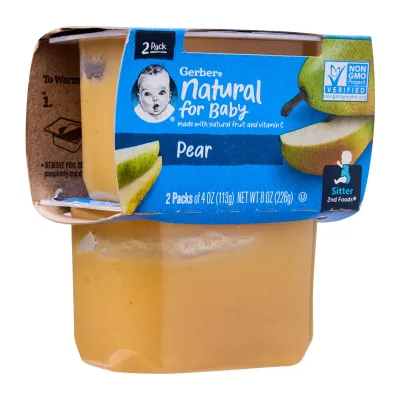
As your baby becomes proficient at swallowing thin purees, they will transition to the mid-weaning stage, which corresponds to Gerber’s “Sitter” or “2nd Foods” category. These products feature thicker consistencies, gently mashed textures, and multi-ingredient combinations. Introducing blends of fruits, vegetables, and grains helps expand your baby’s palate and exposes them to a wider variety of natural flavors and essential nutrients.
When selecting mid-weaning products, look for labels that indicate a thicker, spoon-hugging consistency rather than a runny liquid. These foods require your baby to use their tongue to move the food around their mouth, which helps strengthen the muscles needed for speech and advanced chewing. You will also find combinations that include pureed meats or legumes, providing a broader range of proteins and iron sources to support rapid growth.
During this stage, monitor your baby’s acceptance of new flavor profiles and their ability to manage slightly lumpier textures. It is normal for babies to make faces or initially reject new tastes, but repeated exposure is key to developing a diverse palate. Adjust your feeding pace and portion sizes based on your baby’s hunger and fullness cues, such as turning their head away, closing their mouth, or slowing down their swallowing efficiency.
Late Weaning: Finger Foods and Self-Feeding Options
The late weaning stage, typically aligned with Gerber’s “Crawler” and “Toddler” categories, focuses on developing self-feeding skills, the pincer grasp, and active chewing. At this point, babies are ready for soft, dissolvable finger foods, such as puffs, teethers, and small, soft bites. These products are specifically designed to dissolve quickly in the mouth when exposed to saliva, reducing the risk of choking while still providing valuable chewing practice.
When introducing these self-feeding options, strict adherence to safety warnings and continuous adult supervision are mandatory. Even though these snacks are formulated to dissolve easily, they can still pose a choking hazard if a baby attempts to swallow too many at once or if they are not seated upright. Never leave your baby unattended while they are eating, and ensure that any finger foods offered are appropriate for their current level of physical coordination.
Evaluate your baby’s ability to pick up small items using their thumb and forefinger, known as the pincer grasp. Once they can successfully grasp these small pieces, observe how they manage them in their mouth. Your baby should be able to move the food to the side of their mouth to chew and dissolve it before swallowing. If you notice your baby swallowing pieces whole or struggling to manage the texture, return to thicker purees and consult your pediatrician for guidance on oral motor development.
How to Verify Age Suitability and Ingredients on Gerber Labels
To ensure the safety and nutritional quality of the food you feed your baby, it is essential to read and interpret Gerber product packaging carefully. Locate the manufacturer’s age, stage, and texture indicators, which are clearly displayed on the front of jars, pouches, and boxes. These indicators serve as a primary guide, but they should always be cross-referenced with your baby’s actual developmental milestones and physical readiness.
Next, turn the packaging over to review the ingredient list and nutritional facts panel. Look for products with simple, recognizable ingredients, and avoid those with added sugars, excessive sodium, or unnecessary artificial preservatives. For early weaning, the ingredient list should ideally contain only the primary fruit, vegetable, or grain, along with water necessary for preparation. Checking the label also helps you manage common food allergens, as manufacturers are required to declare major allergens on their packaging.
Finally, always follow the exact preparation, heating, and storage instructions provided on the packaging. For example, if heating a puree, stir it thoroughly and test the temperature on the inside of your wrist before feeding it to your baby to prevent burns. To prevent harmful bacterial growth, never feed your baby directly from the jar or pouch if you plan to save the remainder for later, as saliva can introduce bacteria that multiply rapidly during storage. Instead, spoon the desired portion into a clean bowl and refrigerate the unused portion immediately according to the manufacturer’s guidelines.
Safe Feeding Practices and When to Stop
Implementing safe feeding practices is crucial to preventing accidents and ensuring a positive weaning experience. Always ensure your baby is seated completely upright in a secured high chair during all feeding sessions. Feeding a baby who is reclining, slouching, or moving around increases the risk of food entering the airway, which can lead to choking or aspiration. Maintain continuous visual supervision, keeping your eyes on your baby throughout the entire meal.
Caregivers must be able to recognize the early signs of allergic reactions, food intolerances, or choking. Signs of an allergic reaction or intolerance may include hives, swelling around the mouth or eyes, vomiting, diarrhea, or sudden respiratory changes such as wheezing or coughing. If you observe any of these symptoms, or if your baby shows signs of choking—such as an inability to cry, cough, or breathe—stop feeding immediately and seek emergency medical attention.
Proper food hygiene is another critical safety boundary during the weaning process. Always discard any opened, partially eaten, or improperly stored portions of baby food according to the manufacturer’s safety guidelines. Purees that have been in contact with your baby’s saliva must be discarded after the meal, as bacteria from the mouth can contaminate the food. Unused portions from a freshly opened jar or pouch should be stored in the refrigerator and consumed within the timeframe specified on the label, typically 24 to 48 hours.
Frequently Asked Questions (FAQ)
Can I mix Gerber cereals with breast milk or formula?
Yes, you can mix Gerber infant cereals with breast milk, infant formula, or water to achieve the appropriate consistency for your baby’s developmental stage. Always follow the specific liquid-to-cereal ratios printed on the packaging to ensure the mixture is not too thick for early weaning. If your baby does not finish the prepared cereal, discard the remaining portion immediately, as the mixture of saliva and milk can promote rapid bacterial growth.
How do I know if my baby is allergic to a specific Gerber puree?
To identify potential food allergies, introduce only one single-ingredient Gerber puree at a time and wait three to five days before introducing another new food. During this waiting period, monitor your baby closely for physical reactions such as skin rashes, hives, vomiting, diarrhea, or breathing difficulties. If you observe any of these symptoms, stop feeding that specific food immediately and consult your pediatrician for a professional evaluation.
Are Gerber pouches safe for my baby to hold and suck from?
While Gerber pouches are convenient, pediatricians generally recommend squeezing the puree onto a spoon rather than allowing your baby to suck directly from the pouch. Sucking directly from a pouch bypasses the opportunity for your baby to practice spoon-feeding, which is essential for developing oral motor skills and hand-eye coordination. If you do allow your baby to hold a pouch, ensure continuous adult supervision to prevent choking on the plastic cap and to monitor their feeding pace.
Community discussion
Share your experience or ask a question. Comments are reviewed before publication.