
Selecting the appropriate edge guards for your home requires matching the physical profile of the product to your specific furniture and room conditions. Rather than relying on a single universal solution, caregivers must evaluate the shape, material, and adhesive properties of Garbo Guard products against the unique hazards present in kitchens, living rooms, and play areas. This guide outlines the decision-making criteria, environmental considerations, and safety checks needed to build a customized childproofing plan, emphasizing the importance of verifying manufacturer labels and product specifications before installation.
In Singapore’s humid climate, selecting the right childproofing materials is especially important to ensure long-term adhesion and durability. By understanding how different materials interact with various surfaces, you can create a safer environment for your growing child while preserving the integrity of your home’s interior.
Understanding Garbo Guard Shapes and Materials
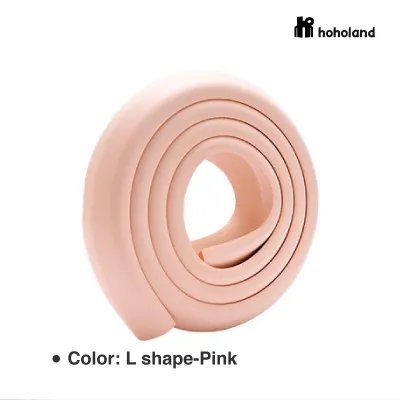
Garbo Guard products come in several distinct profiles, each designed to address specific furniture geometries. U-shape guards are engineered to wrap around thin, flat surfaces such as glass tabletops, metal shelving, or slim wooden panels, protecting both the top and bottom edges simultaneously. L-shape guards are the standard choice for 90-degree edges, covering the top and outer face of tables, cabinets, and countertops. For highly concentrated hazard points, pre-molded 3D corner cushions provide dedicated coverage that encapsulates sharp three-sided corners.
Products mentioned in this guide
![[SG Stock] Corner Protector❤️Table Furniture Sharp Edge Safety Guard Silicone Bumper Baby Kids Children Protection](https://img.lazcdn.com/g/p/774cbe2a2c03816c7a70d8c8c65de91c.jpg_400x400q80.jpg_.webp)
Prices are valid at publication and may change. Please refer to the product page for the latest price.
The choice of material significantly impacts both safety performance and aesthetics. Foam guards, typically made from high-density rubber-based materials, offer excellent impact absorption, making them ideal for low-lying furniture where toddlers are prone to falling. However, foam can be bulky and may degrade or discolor over time when exposed to direct sunlight or frequent moisture. Silicone and PVC options provide a slimmer, often transparent profile that blends seamlessly with modern home decor while offering robust resistance to tearing and biting.
Before purchasing, caregivers should carefully check the manufacturer’s labels for specific thickness, width, and density specifications. Higher density typically correlates with better shock absorption, which is critical as children grow heavier and more active. Additionally, review the product documentation for material limitations, such as potential discoloration, UV degradation, or specific cleaning restrictions, to ensure the guard remains effective throughout its intended lifespan.
Matching Edge Guards to Specific Home Areas
Assessing the thickness and sharpness of your existing furniture edges is the first step in selecting a compatible guard. A very sharp, thin edge may cut through soft foam over time, requiring a denser PVC or silicone guard. Conversely, a thick, rounded edge might not accommodate a rigid U-shape guard, making a flexible L-shape or a wider foam strip a more appropriate choice.

Balancing aesthetic preferences with maximum protective coverage depends largely on the room’s primary function. In shared living spaces, transparent silicone guards can protect your child without altering the look of premium wood or glass furniture. However, in dedicated play areas or high-risk zones, maximum protective coverage should take priority over aesthetics, warranting the use of thick, high-density foam guards.
Environmental variables like humidity, temperature fluctuations, and cleaning routines also play a critical role in adhesive longevity. Singapore’s tropical climate can weaken standard adhesives over time, especially on porous or frequently cleaned surfaces. Selecting guards with adhesives specifically rated for humid environments and non-porous surfaces is essential to prevent premature peeling and maintain a secure bond.
Kitchen Counters and High-Traffic Zones
Kitchens are high-stress environments where surfaces are constantly exposed to water splashes, cooking grease, and chemical cleaning agents. When selecting an edge guard for kitchen counters or island edges, verify on the product label that the material is resistant to water and oils. Non-porous materials like silicone or treated PVC are generally easier to sanitize and less likely to harbor bacteria compared to open-cell foam.
Ensure the adhesive supplied with the guard is formulated to bond securely with your specific countertop material, whether it is quartz, granite, marble, or laminate. Some adhesives may struggle to adhere to highly polished or textured stone surfaces, or conversely, they may leave permanent stains on porous natural stone. Checking the manufacturer’s compatibility list before application prevents costly damage to your kitchen fixtures.
Carefully plan the placement of edge guards to ensure they do not obstruct the functional movement of adjacent drawers, cabinet doors, or appliances like dishwashers and ovens. A guard that is too thick may prevent a drawer from closing fully or rub against a cabinet door, leading to friction that quickly peels the guard away. Because kitchen guards are subjected to frequent cleaning and physical contact, establish a strict weekly inspection routine to check for signs of adhesive lifting near high-moisture areas.
Living Room Coffee Tables and Low Furniture
Living rooms often feature low-lying furniture like coffee tables, media consoles, and side tables that sit directly at a toddler’s eye level. For premium wood finishes or glass tables, transparent silicone Garbo Guard strips offer a discreet safety barrier that preserves the furniture’s natural aesthetic. Opaque foam guards, available in various neutral colors, can be matched to the tone of your furniture to minimize visual contrast while providing a highly visible safety boundary for your child.
As toddlers transition from crawling to walking, their momentum increases, requiring thicker cushioning to absorb potential impact forces. The thickness of the guard should correspond to the height of the table relative to your child’s head and torso height during their current developmental stage. For low coffee tables with sharp wooden or metal frames, select a high-density foam guard that provides a substantial physical barrier.
Because young children often explore their environment with their mouths, it is vital to verify the chemical safety of any edge guard installed on low furniture. Check the product packaging for explicit non-toxic certifications, BPA-free statements, or compliance with international toy safety standards. Additionally, verify that the adhesive is rated for use on wood, glass, or metal finishes to ensure a secure bond that resists the pulling forces of an inquisitive toddler.
Sharp Corners and Narrow Edges
Sharp corners present a concentrated hazard that requires specialized protection. While it is possible to cut and fold linear edge strips to fit around a corner, this often leaves gaps or creates weak points where the adhesive can fail. Dedicated 3D corner cushions are pre-molded to fit snugly over three-sided corners, providing seamless coverage and superior impact distribution compared to modified linear strips.
Vertical corners, textured wood, and uneven surfaces place higher stress on adhesives due to gravity and the natural peeling forces exerted when a child bumps into them. For these challenging areas, select Garbo Guard products that feature heavy-duty, double-sided acrylic tape or adhesives specifically designed for textured surfaces. Ensure the surface is completely flat and clean before application to maximize contact area.
Toddlers in the teething stage may attempt to bite or chew on soft foam edge guards, which can quickly become a severe choking hazard if the material tears. Regularly monitor the condition of the guards for bite marks, missing chunks, or fraying edges. If your child is actively teething, opt for firmer PVC or silicone guards that resist tearing, and always maintain close caregiver supervision. When installing corner guards, verify that the cushion fully encapsulates the sharp point of the furniture without leaving exposed margins.
Installation, Maintenance, and Safety Checks
Proper installation is critical to the longevity and effectiveness of any edge guard. Begin by thoroughly cleaning the furniture surface to remove dust, grease, polish, and moisture. The manufacturer typically recommends using isopropyl alcohol or a mild soap solution, followed by complete drying. Any remaining residue will prevent the adhesive from forming a secure bond, leading to premature failure.
Edge guards are not a “set-and-forget” solution. Caregivers must establish a routine inspection schedule—ideally once a week—to check the physical integrity of every guard in the home. Look closely for peeling corners, tears in the material, bite marks, or signs of adhesive degradation. Pay extra attention to guards installed in high-traffic areas or rooms with high humidity.
If an edge guard shows signs of tearing, has chunks missing, or is peeling away from the furniture, it must be replaced immediately. A loose guard not only fails to protect your child from impacts but also poses a significant choking hazard if detached. Additionally, if the material has hardened or lost its shock-absorbing properties due to age or environmental exposure, replace it with a fresh unit.
If the adhesive repeatedly fails to stick to a specific piece of furniture, or if you notice the adhesive is damaging the underlying finish, stop using the product on that surface. Do not attempt to use unauthorized industrial glues or permanent adhesives, as these can release toxic fumes or permanently ruin your furniture. Instead, consult the manufacturer’s customer support or a professional childproofing service to identify a safe, compatible alternative.
Frequently Asked Questions (FAQ)
How do I remove edge guard adhesive without damaging wood furniture?
To remove adhesive safely, always start by checking the manufacturer’s specific removal instructions on the product packaging. Many manufacturers recommend using a hairdryer on a low or medium heat setting to gently warm and soften the adhesive before slowly peeling it away at a shallow angle. Alternatively, specialized adhesive removers or mild solvents can be used, but you must test these methods on a hidden, inconspicuous area of the furniture first to ensure they do not lift or discolor the finish. If the furniture finish begins to show signs of lifting, bubbling, or damage, stop the process immediately and consult a professional furniture restoration specialist.
Can I cut Garbo Guard products to fit custom furniture shapes?
Whether you can cut a Garbo Guard product depends entirely on its material and design. Many linear foam and soft silicone strips are designed to be cut to length using sharp utility shears or a utility knife. However, you must verify in the product documentation if cutting the material compromises its structural integrity, shock absorption, or safety certifications. Always use appropriate, sharp tools to ensure clean, straight cuts; jagged or frayed edges can catch on clothing or toys, leading to premature peeling. Note that altering or cutting certain specialized molded products, such as 3D corner cushions, may void the manufacturer’s warranty or compromise their protective capabilities, so always consult the official guidelines before making modifications.
Community discussion
Share your experience or ask a question. Comments are reviewed before publication.