
Selecting the right tableware for your baby’s weaning journey is a pivotal decision that directly impacts their developmental progress and your daily cleanup routine. The ideal ezpz product depends on your child’s current developmental milestones, the types of food you plan to introduce, and the physical dimensions of your dining setup. For infants just starting their weaning journey around six months of age, the Tiny Collection offers appropriately sized vessels for small portions and early motor skill development. As your child transitions to active self-feeding and larger portions around twelve months, the Mini Collection provides a versatile middle ground. For older toddlers and preschoolers with expanding appetites, the Happy Collection delivers the necessary capacity and stability. By matching the physical design of these silicone mats, bowls, and plates to your baby’s physical abilities, you can foster independence while keeping mealtime messes manageable.
Understanding Your Baby's Weaning Stages and Feeding Needs
Before investing in specialized weaning tableware, it is essential to recognize the physical milestones that signal your baby is ready to transition to solid foods. Most infants show readiness around six months of age, characterized by the ability to sit upright with minimal support and maintain excellent head control. These physical milestones are crucial because they ensure the baby can swallow safely and interact with food placed in front of them. Observing these signs helps prevent premature introduction of solids, ensuring a safer and more comfortable transition for both caregiver and child.
As you begin the weaning process, the method of feeding you choose will influence the type of tableware required. Traditional weaning typically starts with smooth purees fed via a spoon, which requires shallow bowls that allow easy scooping. Conversely, baby-led weaning encourages infants to feed themselves soft finger foods from the very beginning, necessitating flat, stable surfaces where they can easily grasp pieces of food. Understanding which approach—or combination of approaches—you prefer will guide your initial product selection.
Products mentioned in this guide
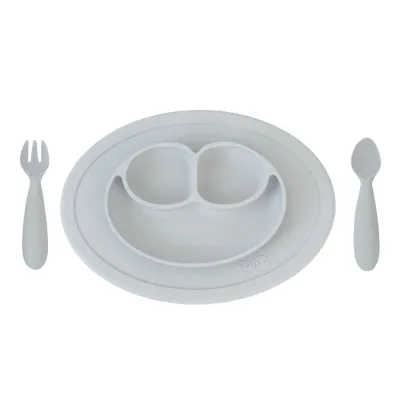
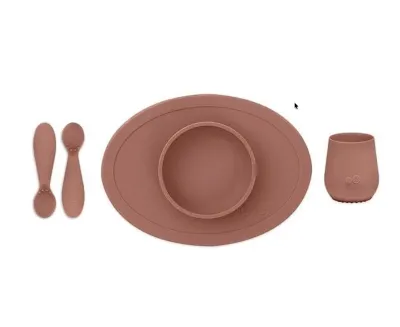
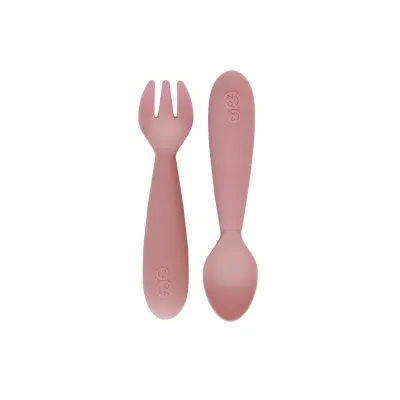
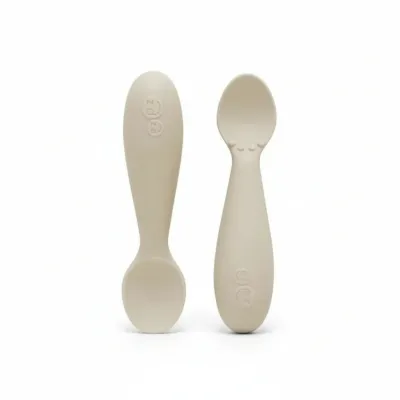
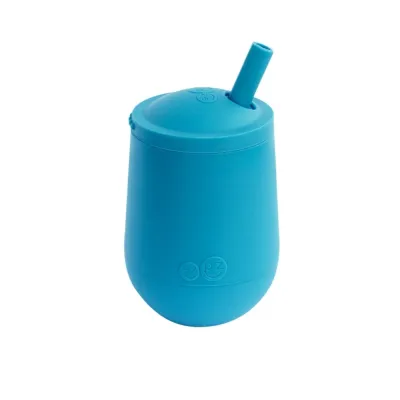
Prices are valid at publication and may change. Please refer to the product page for the latest price.
The progression of your baby’s motor skills also dictates their feeding needs. In the early stages, infants use a palmar grasp, using their entire hand to scoop up large pieces of food. Over time, they develop the pincer grasp, using their thumb and index finger to pick up smaller items. Tableware with low, wide barriers helps early self-feeders push food against the sides to pick it up, while divided sections prevent different textures from mixing, which can sometimes overwhelm a developing palate.
Finally, managing the inevitable mess of mealtime is a primary concern for parents. During the initial months, food is as much a sensory plaything as it is nourishment, leading to dropped plates, spilled liquids, and smeared purees. Choosing tableware that remains firmly anchored to the eating surface reduces the frequency of tipped dishes, allowing your baby to focus on the mechanics of chewing and swallowing rather than chasing a sliding plate across the tray.
Matching ezpz Product Lines to Developmental Milestones
The ezpz product ecosystem is structured into distinct collections designed to grow alongside your child’s physical capabilities. The Tiny Collection is specifically engineered for the very beginning of the weaning journey, typically around six months of age. This collection includes small-capacity bowls and cups that fit comfortably in tiny hands and accommodate the modest portion sizes typical of first tastes. The utensils in this range feature short, thick handles with sensory bumps that stimulate the mouth and help infants learn to self-feed without gagging.

As your child approaches their first birthday, their nutritional needs and motor skills expand, making the Mini Collection the next logical step. This range is designed for toddlers who are transitioning to larger portions, varied food textures, and more active self-feeding. The plates and bowls in this collection feature deeper compartments and sturdier walls, which assist toddlers in learning how to scoop food onto a spoon. The dimensions are also optimized to fit a wider variety of highchair trays, making it a highly versatile option for transitioning households.
For older toddlers and preschoolers who have mastered basic self-feeding, the Happy Collection offers the largest capacity in the product lineup. This collection is ideal for children with larger appetites who require full-sized portions of mains and sides. The robust design and generous surface area of these mats make them suitable for family dinner tables, helping older children transition to standard dining setups while still providing the spill-resistant benefits of silicone tableware.
While these collections are categorized by general age ranges, parents must verify the manufacturer’s recommended age, weight, and developmental guidelines on the specific product packaging. Every child develops at their own pace, and a baby’s physical size, grip strength, and appetite should ultimately dictate when to transition between product lines. Relying solely on category names can lead to purchasing items that are either too large for a highchair tray or too small for a growing toddler’s nutritional requirements.
Choosing Between Mats, Bowls, and Plates for Your Setup
Deciding between an all-in-one mat, a standalone bowl, or a divided plate depends heavily on your daily meal preparation and your baby’s eating habits. All-in-one mats combine a silicone placemat with an integrated plate or bowl, creating a single unit that suctions directly to the table. This design is highly effective at containing spills, catching stray crumbs, and preventing the entire dish from being lifted and thrown. The wide border of the mat acts as a protective barrier for your table, making it an excellent choice for messy finger foods and early self-feeding sessions.
Standalone silicone bowls, on the other hand, are indispensable for liquid-based meals, purees, cereals, and yogurts. The deep, rounded walls of a bowl provide the necessary resistance for babies learning to navigate spoons, allowing them to push food against the side to fill their utensil. If your weaning strategy involves a high volume of soups, stews, or mashed foods, starting with a suction bowl is often more practical than a flat plate, as it minimizes the risk of liquids sloshing over the edges.
Divided plates offer a different set of advantages, particularly for introducing varied food groups and textures. The separate compartments allow parents to serve a balanced meal consisting of a protein, a carbohydrate, and a vegetable without the items mixing. This visual separation can make meals more appealing to toddlers, who often prefer distinct food items, and it serves as a helpful visual guide for parents aiming to provide balanced portions during meal preparation.
To complete your weaning setup, integrating complementary accessories like silicone bibs and training cups is highly beneficial. Silicone bibs with deep front pockets catch falling food before it reaches your baby’s lap, while open training cups help infants develop the oral motor skills required for mature drinking patterns. When used in tandem with suction plates and bowls, these accessories create a comprehensive system that protects your dining environment while supporting your baby’s developmental milestones.
Practical Checks Before Purchasing ezpz Tableware
Before finalizing your purchase, conducting a few practical checks will ensure the tableware integrates seamlessly into your home. The most critical step is measuring your highchair tray’s flat surface area. Because ezpz mats rely on a continuous seal to create suction, the entire base of the mat must sit completely flat on the tray. Any overhang, or contact with raised edges, textured logos, or seams, will break the vacuum seal, allowing your baby to easily lift and toss the dish.
The material and texture of your dining surface also play a vital role in suction performance. Suction bases require clean, smooth, and non-porous surfaces, such as polished wood, glass, laminate, or smooth plastic, to function effectively. If your dining table is made of unfinished wood, highly textured tile, or has deep grain patterns, the silicone mat may not adhere securely. Verifying your table’s surface compatibility beforehand prevents disappointment and ensures the product performs as intended.
Care and maintenance requirements should also align with your household routine. While high-quality silicone is generally highly durable, you should always verify the dishwasher safety, microwave temperature limits, and specific cleaning instructions directly from the product label. Some silicone items can retain soap scents if washed with highly perfumed detergents, so using mild, unscented dish soaps is often recommended to maintain the neutral taste of the tableware.
Finally, pricing and authenticity are important considerations for families in Singapore. When comparing prices, which typically range from S$20 to S$50 depending on the size and complexity of the product, it is crucial to purchase from authorized online retailers or official brand stores. Counterfeit silicone products sold on unauthorized online marketplaces may not meet strict food-grade safety standards and might contain harmful fillers or fail to suction properly. Investing in authentic products ensures compliance with safety regulations and guarantees long-term durability.
Frequently Asked Questions (FAQ)
How do I know if the suction mat will stick to my highchair tray?
To ensure a silicone suction mat adheres properly, the highchair tray must have a completely flat, smooth, and non-porous surface that is larger than the footprint of the mat. Before placing the mat down, ensure both the tray and the underside of the suction base are thoroughly clean and free of dust, grease, or soap residue. A quick wipe with a damp cloth can help create a stronger seal, but the surface should not be excessively wet, as standing water can cause the mat to slide.
If you find the mat is not sticking, troubleshoot by checking for subtle textures, scratches, or curved edges on your highchair tray that might be letting air underneath the silicone. If your tray has a textured finish, the suction will not hold reliably. In cases where the mat repeatedly fails to stick and your child can easily lift it, you should stop using it on that specific surface, as a loose plate of hot food can lead to spills or pose a sudden mess hazard.
Can I use ezpz silicone products in the microwave and dishwasher?
Yes, high-quality silicone tableware is generally designed to withstand both microwave heating and dishwasher cleaning, but you must always verify the exact temperature limits on the specific product’s care label before use. When heating food in the microwave, ensure the food is distributed evenly to avoid hot spots that could burn your baby’s mouth. Always test the temperature of the food yourself before offering it to your child.
When cleaning the tableware in a dishwasher, placing the items on the top rack is a good practice to keep them away from the direct heat of the heating element, which prevents potential warping over time. Avoid using harsh abrasive sponges or sharp metal utensils on the silicone, as these can scratch the surface and create crevices where bacteria can accumulate. Using a mild, fragrance-free detergent will also help prevent the silicone from absorbing soapy odors.
Community discussion
Share your experience or ask a question. Comments are reviewed before publication.