
When babies begin to explore their surroundings, sharp furniture corners and hard edges present immediate hazards in the home. Finding the right edge guards for baby proofing in Singapore involves balancing material density, adhesive reliability under humid conditions, and furniture compatibility. Because every home features a unique mix of wooden consoles, glass tables, and low shelving, selecting the correct protective barrier requires evaluating specific product specifications rather than relying on generic safety claims. Caregivers must assess their child’s developmental stage, inspect the physical properties of potential guards, and verify manufacturer instructions to ensure a secure fit that withstands daily wear. While these protective accessories are essential tools for minimizing the severity of minor bumps, they are designed to complement, not replace, active adult supervision.
Identifying Risks and Readiness for Baby Proofing
Preparing your living space for an active infant requires a clear understanding of developmental milestones and the physical layout of your home. Babies typically begin showing signs of readiness for edge guards when they start pulling themselves up to a standing position, cruising along furniture for support, or taking their first tentative steps. These developmental transitions often occur rapidly, turning previously safe living rooms into environments filled with potential impact zones. Observing these physical milestones is the primary indicator that it is time to install protective barriers on sharp surfaces.
High-risk furniture zones in a typical home require immediate attention and systematic evaluation. Low-lying items such as coffee tables, television consoles, and low bookshelves are directly at eye and forehead level for a crawling or cruising infant. Dining table corners, bed frames, and low cabinets also present significant risks during sudden losses of balance. Caregivers should physically walk through each room at a baby’s eye level to identify sharp corners, hard rectangular edges, and protruding surfaces that could cause injury during a fall.
Products mentioned in this guide
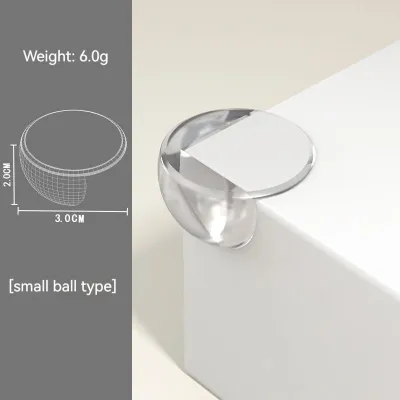
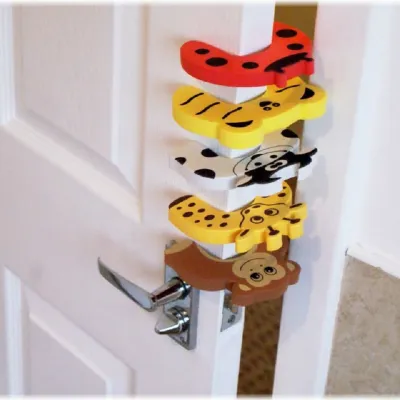
Prices are valid at publication and may change. Please refer to the product page for the latest price.
It is equally important to recognize the inherent limitations of edge guards to maintain a realistic safety strategy. While these products are designed to cushion impacts and reduce the severity of minor bumps, they do not prevent falls, furniture tipping, or climbing. A cushioned edge will not stop a child from losing balance, nor will it secure a top-heavy bookshelf from falling forward if a child attempts to climb it. For comprehensive home safety, edge guards must be paired with heavy furniture anchors, secure wall mounts, and constant caregiver supervision.
What to Look for When Choosing Edge Guards
Selecting the right edge guards requires a careful examination of material density and shock absorption properties. High-density materials are generally more effective at absorbing the force of an impact, preventing a child’s head or body from making direct contact with the hard underlying furniture surface. When reviewing product specifications, look for details regarding the thickness and firmness of the foam or polymer. A guard that is too soft may compress completely under pressure, offering minimal protection, while one that is too rigid may not provide sufficient cushioning during a sudden fall.

Adhesive strength and residue-free removal are critical factors, particularly in Singapore’s warm and humid climate. High humidity can weaken certain adhesives over time, causing the guards to peel away or slide out of position. Caregivers should check product labels for surface compatibility, ensuring the adhesive is formulated to bond securely with wood, glass, metal, or laminate finishes. Additionally, verify the manufacturer’s instructions regarding safe removal to minimize the risk of stripping paint, varnish, or wood veneer when the guards are eventually taken down.
Visibility and aesthetic preferences play a significant role in product selection, as different materials offer varying levels of visual integration. Opaque foam guards are highly visible, which can serve as a helpful visual cue for adults but may also attract the curiosity of a toddler who might try to peel them off. Transparent silicone or PVC options offer a more discreet appearance, allowing the natural grain of wooden furniture or the clean lines of glass tables to remain visible. Choosing between these options involves weighing the visual impact on your living space against the likelihood of your child noticing and tampering with the guards.
Safety certifications are vital details that must be verified directly on the product packaging before purchase. Because infants and toddlers often explore their environment using their mouths, edge guards must be free from harmful chemical substances. Caregivers should look for explicit labels indicating that the products are BPA-free, non-toxic, and compliant with recognized international safety standards, such as European EN 71 or American ASTM guidelines. Avoid products that lack clear material disclosures or fail to provide verifiable safety certifications on their packaging.
Matching Edge Guard Materials to Your Furniture
Different furniture materials and designs require specific types of edge guards to ensure both effective protection and secure adhesion. Foam and rubber guards are highly suited for heavy impact zones, such as thick wooden coffee tables, wide TV consoles, and low masonry ledges. These materials offer substantial cushioning and are often available in wider profiles that cover both the top edge and the vertical face of a piece of furniture. However, foam guards can be bulky and may alter the appearance of your furniture significantly, making them less ideal for formal dining areas or minimalist decor.
Clear silicone or PVC guards are the preferred choice for glass tables, modern metal frames, and delicate furniture where maintaining aesthetics is a priority. These materials are naturally slim and transparent, blending seamlessly with glass surfaces without creating a heavy visual footprint. They are also highly resistant to tearing and biting, which is a common issue with softer foam alternatives. When applying clear guards to glass, it is essential to use high-quality, transparent double-sided tape to prevent unsightly air bubbles and ensure a clean, professional finish.
The choice between pre-cut corner guards and continuous rolls depends largely on the geometry of your furniture. Pre-cut corner guards are designed specifically to wrap around sharp ninety-degree angles, providing targeted protection where impacts are most dangerous. Continuous rolls, on the other hand, allow you to customize the length of protection along extended straight edges, such as the sides of long dining tables or low shelving units. Combining both formats often yields the best results, using pre-cut corners for the sharpest points and continuous rolls to cover the intervening straight sections.
Evaluating the trade-offs between flexibility and rigidity is crucial when dealing with curved or irregular furniture edges. Highly flexible foam or soft silicone guards can easily conform to rounded table edges, oval coffee tables, and complex molded profiles without lifting at the ends. Rigid plastic or dense rubber guards are better suited for long, straight edges where structural stability is required to prevent the guard from sagging or warping over time. Matching the flexibility of the guard to the contour of the furniture surface ensures a more durable bond and reduces the risk of premature peeling.
Installing and Maintaining Edge Guards for Lasting Safety
Proper surface preparation is the most critical step in ensuring the long-term adhesion of any edge guard. Before applying any adhesive, the furniture surface must be thoroughly cleaned to remove dust, oils, polish, and household grime. Use a mild cleaning solution or rubbing alcohol, depending on the furniture manufacturer’s recommendations, and allow the surface to dry completely. Any remaining moisture or oily residue will severely compromise the bond, causing the adhesive to fail prematurely, especially in humid environments.
Applying the edge guards requires precision and patience to avoid creating gaps or weak points that a child could exploit. Measure the furniture edges carefully and cut continuous rolls using sharp utility shears to ensure clean, straight joints. When applying the adhesive tape, press firmly along the entire length of the guard to activate the pressure-sensitive bond, paying extra attention to the ends and corners. It is highly recommended to allow the adhesive to cure undisturbed for the duration specified by the manufacturer—often twenty-four hours—before allowing children near the furniture.
A routine inspection checklist is essential for maintaining a safe environment as your child grows and becomes more active. Caregivers should regularly inspect all installed edge guards for signs of peeling, cracking, or loose edges. Toddlers may attempt to bite, chew, or pull on the guards, which can lead to choking hazards if pieces of foam or plastic become detached. If any portion of a guard shows signs of damage or adhesive failure, it should be removed and replaced immediately to prevent accidental ingestion or exposure to the sharp edge beneath.
Safe removal of edge guards requires a careful approach to protect both your child and your furniture finishes. When it is time to remove the guards, applying gentle heat from a hair dryer can help soften the adhesive, making it easier to peel away slowly without splintering wooden surfaces or leaving stubborn residue. If stubborn adhesive remains, use a mild adhesive remover or vegetable oil, verifying compatibility with your furniture finish first. If you encounter resistance or suspect the finish may peel, stop immediately and consult the furniture manufacturer or a professional refinisher for guidance.
Smart Shopping: Where to Buy and What to Verify
When shopping for edge guards in Singapore, comparing different purchasing channels can help you find reliable products that meet your specific safety requirements. Specialized baby boutiques and dedicated physical stores often carry curated selections of high-quality safety gear, allowing you to examine the material density and texture in person before buying. Official brand websites provide detailed product specifications, installation guides, and direct customer support. General online marketplaces and ecommerce platforms offer a wider variety of options and competitive pricing, but require extra diligence to verify product authenticity and seller credibility.
Before finalizing any purchase, it is essential to verify the exact contents of the package to avoid installation delays. Some edge guards are sold as complete kits that include custom-fitted double-sided adhesive tape, while others require you to purchase the adhesive separately. Check the product description carefully to confirm whether the adhesive is included, and verify if the tape provided is suitable for your specific furniture material. Purchasing high-quality, brand-compatible adhesive tape separately is sometimes necessary to ensure a secure bond on challenging surfaces.
Reading user reviews can provide valuable insights into how specific edge guards perform under local conditions, particularly regarding adhesive durability on various furniture finishes. Look for feedback from other parents in Singapore who have used the products on similar furniture types, paying close attention to comments about humidity resistance and ease of removal. Additionally, review the retailer’s return and exchange policies to ensure you can return the product if it arrives damaged, lacks the specified dimensions, or is incompatible with your home environment.
Caregivers should remain vigilant against common red flags in product listings to avoid purchasing substandard safety gear. Be cautious of listings that lack detailed material specifications, fail to provide clear age recommendations, or omit safety certification labels entirely. Extremely low-priced products may use low-density foam that offers inadequate impact protection or cheap adhesives that damage furniture finishes upon removal. Investing in reputable brands that prioritize transparent material sourcing and clear safety testing ensures a higher level of protection for your child.
Frequently Asked Questions (FAQ)
When should I remove edge guards from my furniture?
Edge guards should generally remain in place until your child has developed stable walking skills, improved spatial awareness, and the ability to understand basic safety instructions. This transition typically occurs as toddlers gain better balance and coordination, reducing the frequency of accidental falls. However, if an edge guard shows signs of tearing, crumbling, or severe wear, it must be removed and replaced immediately, regardless of the child’s age, to eliminate potential choking hazards.
Can I use edge guards on glass tables?
Yes, edge guards can be used on glass tables, but they require specific material and adhesive considerations to ensure safety and prevent damage. Clear silicone or PVC guards are highly recommended for glass surfaces because they provide a low-profile, secure fit without compromising the visual appeal of the table. Before application, check the glass table manufacturer’s care instructions and warranty guidelines, as some adhesives can leave permanent residue or affect tempered glass surfaces if removed incorrectly.

Community discussion
Share your experience or ask a question. Comments are reviewed before publication.