
To choose the right Desitin diaper cream variant for your baby, you must match the cream’s formulation to the current state of your baby’s skin. For daily protection and mild redness, a lighter barrier cream designed for rapid relief and easy spreading is typically suitable. For active, moderate-to-severe flare-ups, a thicker formula with a higher concentration of zinc oxide provides a more durable, protective shield against moisture and irritants. For overnight use or extended periods between diaper changes, a water-repellent blend helps lock out moisture while your baby sleeps. Understanding these distinctions allows you to select the appropriate tube from the shelf and support your baby’s skin comfort effectively.
Identifying the Right Desitin Variant for Your Baby's Rash
Selecting the appropriate diaper cream requires a clear understanding of how different formulations interact with your baby’s skin barrier. The core decision framework relies on matching the product’s protective strength to the severity of the irritation. Standard daily formulations are designed primarily to prevent rash by creating a light, breathable barrier that is easy to apply and wipe away during routine daytime changes. These products are ideal when the skin is healthy or showing only minor, temporary pinkness.
When an active, moderate-to-severe flare-up occurs, standard daily creams may not provide sufficient protection. In these situations, a higher-concentration zinc oxide formula is necessary to create a thick, physical shield that adheres firmly to the skin. This heavy-duty barrier blocks acidic waste and moisture from further irritating the compromised skin, allowing the natural healing process to occur underneath.
Products mentioned in this guide
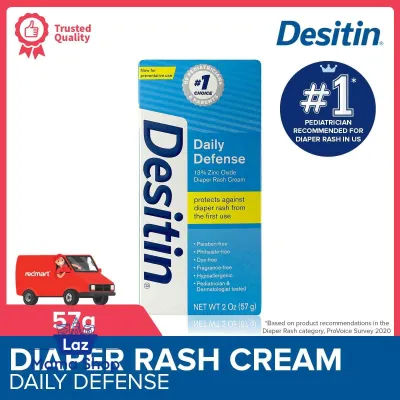
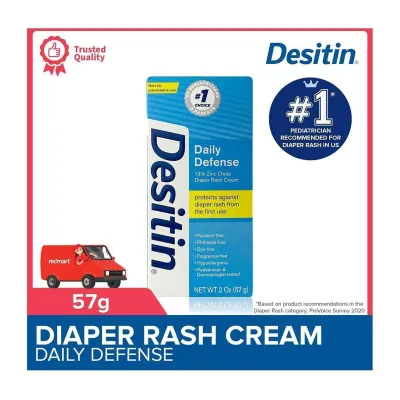
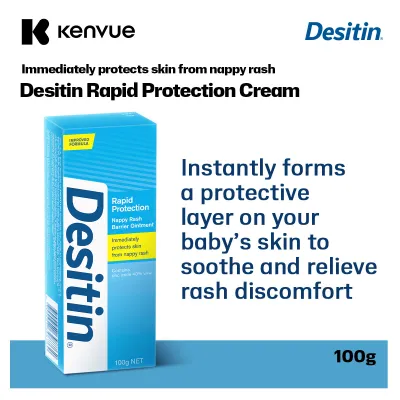
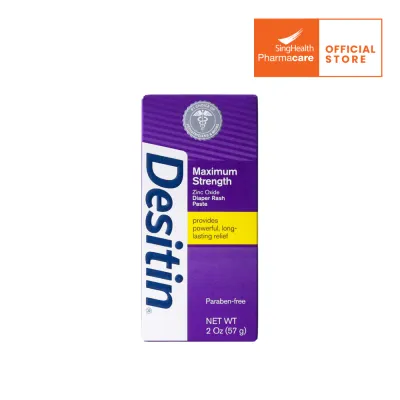

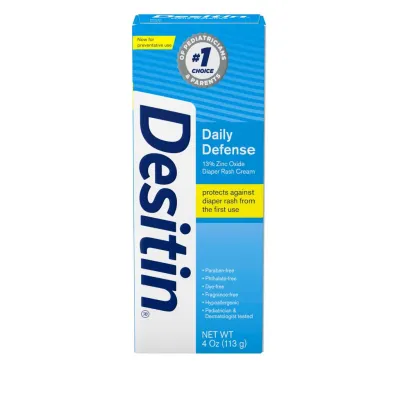
Prices are valid at publication and may change. Please refer to the product page for the latest price.
For extended periods without a diaper change, such as overnight sleep, specialized water-repellent blends are highly beneficial. These formulations often combine zinc oxide with moisture-locking ingredients to ensure the barrier remains intact despite prolonged exposure to wetness. By choosing the variant that matches your baby’s current diapering scenario, you can optimize skin protection and comfort.
It is critical to remember that over-the-counter diaper creams are designed for barrier protection and minor irritation relief, not for treating underlying medical conditions. If your baby’s skin is broken, bleeding, or showing signs of infection, these creams are not a substitute for professional medical care. Always consult a pediatrician if you are unsure about the severity of a rash or if standard barrier creams do not provide relief.
Assessing Your Baby's Diaper Rash Before Choosing
Before reaching for a specific tube of cream, take a moment to visually evaluate your baby’s diaper area. A mild diaper rash typically presents as light pink patches or slight redness on the areas of skin that come into direct contact with the diaper, such as the buttocks, thighs, and lower abdomen. The skin should still feel smooth and intact, and your baby will likely show little to no discomfort during diaper changes or daily activities.
In contrast, severe diaper irritation is characterized by bright red, swollen, or warm skin that may appear shiny or raw. You might observe peeling, blisters, or even small spots of bleeding where the skin barrier has broken down. During diaper changes, your baby may cry, flinch, or show significant distress when the area is touched or cleansed, indicating that a highly protective, soothing barrier is urgently needed.
It is also essential to differentiate common friction- or moisture-related diaper rash from potential fungal or bacterial infections. A standard diaper rash is usually confined to the areas of direct contact with the diaper and spares the deep skin folds. Fungal infections, such as yeast infections, frequently thrive in the warm, moist environment of the skin folds, presenting as deep red, swollen creases surrounded by small, distinct red bumps known as satellite lesions. Bacterial infections may feature pus-filled blisters, yellow crusting, or rapidly spreading redness. These conditions require targeted medical treatments rather than standard over-the-counter barrier creams.
Regardless of the cream you choose, the foundation of diaper rash management is frequent diaper changes and gentle cleansing. No barrier cream can fully protect the skin if it is left in contact with wetness and stool for extended periods. Ensure you change your baby’s diaper promptly after every wet or soiled event, cleanse the skin gently with warm water or fragrance-free wipes, and allow the area to air-dry completely before applying any cream.
Comparing Desitin Variants for Different Rash Needs
When browsing the diapering aisle, you will find different Desitin formulations designed to address specific stages of skin irritation. Understanding the differences in label claims, texture, and ideal application scenarios will help you select the most effective product for your baby’s current needs. Always verify the specific ingredients and usage instructions on the packaging of the product you purchase.
Daily Prevention and Mild Irritation
Standard daily care formulations are engineered for routine use to maintain healthy skin and prevent irritation before it starts. The product packaging typically highlights claims such as daily defense, rapid relief, or everyday protection. These variants are designed to be applied at every diaper change, creating a continuous, lightweight barrier that shields the skin from daily moisture exposure.
The texture of these daily prevention creams is generally smooth, creamy, and easy to spread over large areas of skin. This lightweight consistency is highly beneficial for daytime diapering, as it allows caregivers to apply the cream quickly and wipe away any soiled residue gently during changes without causing friction-induced irritation to the baby’s delicate skin.
When selecting a daily prevention cream, it is important to verify that the product is suitable for your baby’s specific skin type. Review the manufacturer’s ingredient list to ensure the formulation is free from unnecessary fragrances, parabens, or common sensitizers. A clean, simple ingredient profile helps minimize the risk of triggering contact allergies during long-term, daily use.
Moderate to Severe Rash
For active, uncomfortable flare-ups that require intensive care, you should look for higher-concentration formulas, often labeled as maximum strength or clinical protection. These variants are specifically formulated to treat existing diaper rash by providing a much stronger, more durable physical barrier against external irritants.
To verify the strength of the formula, check the active ingredient list on the back of the packaging. Higher-concentration variants typically contain a significantly higher percentage of zinc oxide—often up to 40%—compared to daily prevention creams. This high concentration allows the cream to form a thick, pasty, and highly adhesive layer that does not easily rub off or dissolve when exposed to wetness.
When applying these thicker formulas, use a targeted application technique to avoid causing further discomfort to your baby. Apply a generous, thick layer—similar to frosting a cake—directly over the red, irritated areas as directed by the product label. Avoid rubbing or massaging the cream into the skin, as the goal is to leave a visible, protective shield that physically blocks moisture and stool from touching the compromised skin barrier.
Extended Wear and Nighttime Protection
Extended wear and nighttime protection require formulations that can withstand prolonged exposure to moisture while your baby sleeps. When selecting a cream for overnight use, look for water-repellent ingredients such as petrolatum, mineral oil, or dimethicone listed alongside zinc oxide on the product label. These ingredients work together to create a highly hydrophobic barrier that locks out wetness for hours.
Before putting your baby down for the night, apply a generous, thick layer of the water-repellent cream over the entire diaper area, paying extra attention to the areas most prone to wetness. This thick application ensures that even if the diaper becomes saturated during the night, the protective barrier remains intact on the skin, preventing urine from breaking down the delicate skin barrier.
While overnight protection is essential, it must be balanced with thorough, gentle cleansing in the morning. Use a soft washcloth with warm water or a gentle, fragrance-free wipe to clean the diaper area. If some clean, unsoiled cream remains firmly adhered to the skin, do not scrub vigorously to remove it, as this can cause friction damage. Simply wipe away the soiled top layer and apply a fresh, lighter layer for daytime use.
Reading the Ingredient Label and Application Rules
To make an informed decision, caregivers should develop the habit of reading the “Drug Facts” label on the back of the diaper cream packaging. The active ingredients section will list the exact concentration of zinc oxide, which is the primary physical barrier agent. Comparing these percentages across different tubes allows you to quickly determine whether a variant is intended for daily prevention or intensive treatment.
In addition to the active ingredients, carefully review the inactive ingredients list to check for potential allergens, added fragrances, or synthetic dyes. If your baby has sensitive skin, eczema, or a history of contact allergies, look for products explicitly labeled as fragrance-free, hypoallergenic, and dye-free. Avoid formulations that contain strong botanical extracts or essential oils unless they have been evaluated and recommended by a qualified healthcare professional.
Proper application technique is just as important as choosing the right product. Always ensure the baby’s skin is completely clean and dry before applying any barrier cream, as trapping moisture beneath a thick layer of ointment can worsen irritation. Apply the cream in a thick, visible layer that covers the entire affected area, acting as a physical shield. Remember to wash your hands thoroughly before and after every application to maintain hygiene and prevent the spread of bacteria.
Safety Boundaries: When to Stop and Seek Medical Help
While over-the-counter diaper creams are highly effective for managing common irritation, they have clear limitations. If your baby’s diaper rash does not show signs of improvement after two to three days of consistent cream application and frequent diaper changes, stop using the product and seek professional medical advice. A persistent rash may indicate an underlying issue that requires targeted medical treatment.
Caregivers must also remain vigilant for visual indicators of infections that standard barrier creams cannot resolve. If you observe deep red skin folds, distinct satellite spots, pus-filled blisters, peeling skin, or if your baby develops a fever, these are signs of a fungal or bacterial infection. These conditions require a proper diagnosis and prescription treatments, such as antifungal or antibacterial ointments, from a pediatrician.
Finally, never combine Desitin or any other over-the-counter diaper cream with other medicated ointments, steroid creams, or powders without consulting a pediatrician first. Mixing different products can lead to adverse chemical interactions, skin irritation, or inhalation risks in the case of powders. Always follow the guidance of a healthcare professional to ensure your baby’s skin is treated safely and effectively.
Frequently Asked Questions (FAQ)
Can I use Desitin on newborns?
Caregivers must verify the minimum age and specific usage warnings stated on the packaging of the Desitin variant they plan to use. A newborn’s skin is exceptionally thin, highly permeable, and delicate, making it more sensitive to topical products. It is highly recommended to consult a pediatrician before applying any over-the-counter diaper creams to a newborn, especially if the umbilical cord stump has not yet fully healed or if the skin is broken.
Do I need to wipe off all the Desitin during every diaper change?
No, you do not need to scrub off all the remaining cream during every diaper change. Attempting to completely remove clean, adhered cream can cause unnecessary friction and further irritate your baby’s delicate skin. Instead, gently wipe away the soiled top layer containing waste, and leave the clean, adhered base layer of cream intact. You can then apply a fresh layer of cream directly over it, performing a complete, gentle removal only during daily baths.
Is it safe to use Desitin if my baby has a known zinc allergy?
No, it is not safe to use Desitin if your baby has a known allergy to zinc. Zinc oxide is the primary active ingredient in almost all Desitin variants. If your baby has a known or suspected allergy to zinc or any other ingredient listed on the packaging, do not use these products. Discontinue use immediately if you notice signs of allergic contact dermatitis, such as increased redness, swelling, itching, or hives after application, and consult a healthcare professional for alternative barrier options.
Community discussion
Share your experience or ask a question. Comments are reviewed before publication.