
Choosing the right ddoddomam products for your baby depends on matching their physical developmental milestones with the brand’s specific product lines, which range from easily dissolvable organic rice rusks to more complex finger foods and toddler biscuits. The ddoddomam brand, known for its focus on organic, pesticide-free ingredients and gentle manufacturing processes, structures its offerings to support infants as they transition from liquid diets to solid foods. By aligning your baby’s current oral and motor skills with the correct product textures and shapes, you can support safe, self-paced feeding development.
While age indicators on packaging serve as a helpful baseline, every child develops at their own pace. Understanding how to read your baby’s physical readiness cues, inspect ingredient labels, and safely store and serve these products ensures a positive and secure feeding experience. This guide outlines how to navigate the ddoddomam product range systematically, ensuring each snack or food choice aligns perfectly with your child’s developmental stage.
Recognizing Your Baby's Readiness and Feeding Stages
Before introducing any commercial baby food or snack, you must evaluate your baby’s physical development rather than relying solely on the age recommendations printed on the packaging. Age guidelines are generalized estimates, whereas physical milestones provide concrete evidence of your baby’s physiological capability to handle solid textures. Introducing solids too early can pose choking hazards or strain an immature digestive system, while delaying them too long may limit exposure to essential nutrients and textures.
Products mentioned in this guide
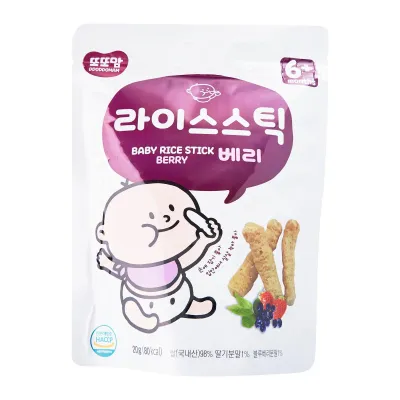
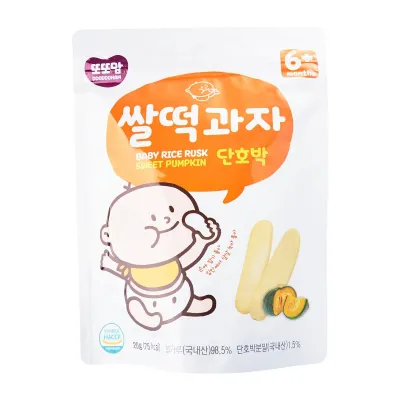
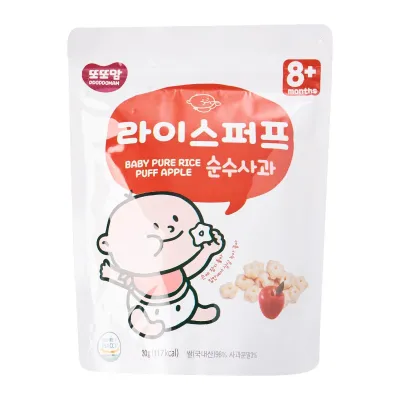
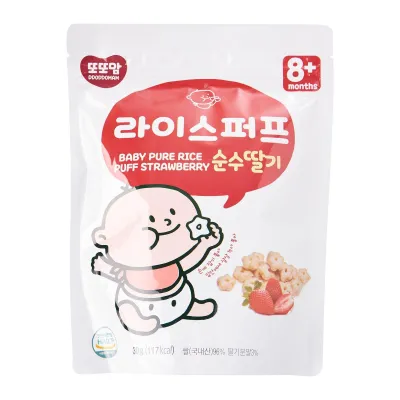
Prices are valid at publication and may change. Please refer to the product page for the latest price.
To determine if your baby is ready to begin their feeding journey, look for several key physical and behavioral signs of readiness:
- Postural Stability: Your baby should be able to sit upright with minimal support, holding their head and neck steady without slumping forward.
- Loss of the Tongue-Thrust Reflex: This natural reflex, which causes infants to push solid objects out of their mouth with their tongue, must disappear so they can successfully swallow food.
- Hand-Eye-Mouth Coordination: Your baby should demonstrate the ability to look at an object, pick it up, and bring it directly to their mouth.
- Active Interest in Food: Your baby may watch you eat intently, lean forward when food is present, or reach out to grab items from your plate.
These developmental milestones dictate the appropriate texture and complexity of the food your baby can safely consume. In the initial stages, babies require highly soluble textures that dissolve rapidly with saliva alone, as they have not yet developed the coordination to chew. As their oral motor skills mature, they learn to use their tongue to move food to the back of the mouth, eventually progressing to lateral chewing motions that allow them to process soft solids and chunkier textures.
Because every infant’s developmental timeline is unique, you should always consult a pediatrician or qualified healthcare professional before introducing solid foods or transition snacks. This consultation is especially critical if your baby has underlying health conditions, developmental delays, or if there is a family history of food allergies. A healthcare professional can provide personalized guidance tailored to your baby’s specific growth trajectory and nutritional requirements.
Navigating the ddoddomam Product Lines by Stage
The ddoddomam product catalog is organized to correspond with the progressive stages of infant oral development. By understanding the physical characteristics of each product type, you can select the options that match your baby’s current chewing and grasping capabilities.

Early Stage: First Tastes and Smooth Textures
The early stage of feeding focuses on introducing your baby to the sensation of swallowing non-liquid foods and practicing basic hand-to-mouth coordination. At this phase, typically starting around six months of age, your baby’s digestive tract is highly sensitive, and their oral motor skills are limited to basic sucking and swallowing.
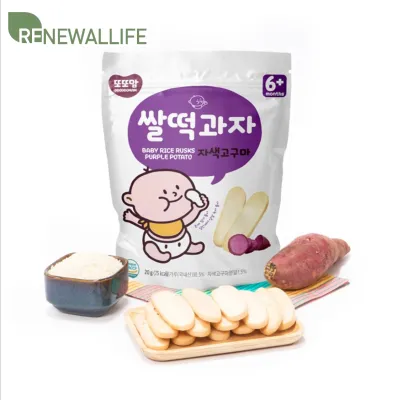
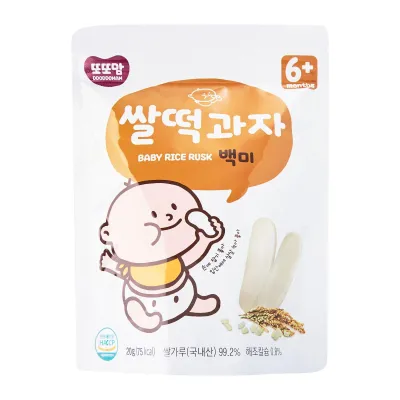
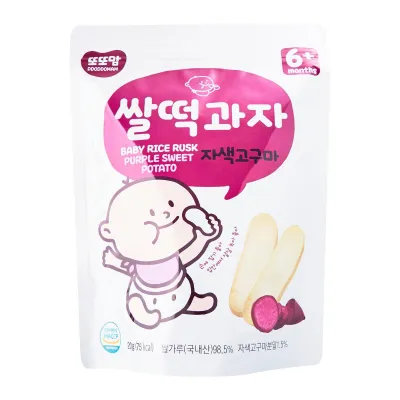
To support this initial phase, early-stage options like ddoddomam Organic Rice Rusks are designed with an exceptionally light, porous texture. These rusks are formulated to dissolve almost instantly upon contact with saliva, minimizing the risk of choking even if the baby has not yet developed teeth or chewing motions. The physical shape of these rusks is typically long and flat, allowing babies to grasp them easily using a palmar grasp (using the whole hand) as they practice bringing food to their mouth.
When starting this stage, prioritizing single-ingredient or very simple flavor profiles is essential. Introducing one new food at a time allows you to monitor your baby closely for any potential allergic reactions, such as skin rashes, digestive upset, or respiratory changes. Before purchasing or serving, always inspect the packaging to verify the specific stage numbering, recommended age guidelines, and texture descriptions to ensure the product is intended for early beginners.
Middle Stage: Building Flavors and Thicker Textures
As your baby approaches eight to nine months of age, they generally begin to transition into the middle stage of feeding. At this point, they have typically mastered basic swallowing and are starting to use their tongue to press food against the roof of their mouth, which is an early precursor to true chewing.
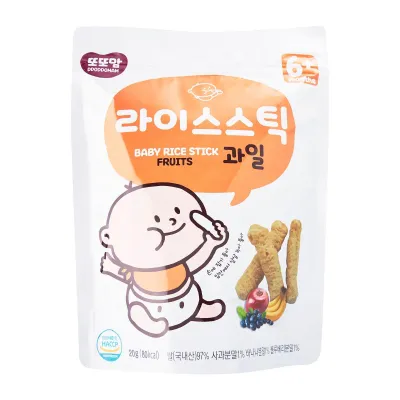
To encourage this development, middle-stage ddoddomam products, such as Organic Rice Sticks, offer a slightly denser consistency than early rusks. These products still dissolve safely in the mouth but require a bit more oral manipulation, helping your baby practice moving food from side to side. The shapes are often designed as cylindrical sticks, which encourage your baby to bite off smaller, manageable pieces rather than attempting to swallow the snack whole.
This stage also introduces a wider variety of natural flavor combinations, incorporating organic vegetable and fruit powders like spinach, sweet potato, apple, and banana. When transitioning to these multi-ingredient snacks, you must carefully read the ingredient lists to ensure your baby has already been successfully exposed to each individual component. Always check the product label to confirm that the stage and texture match your baby’s current oral abilities before introducing them to these mixed flavors.
Late Stage and Toddler Transition: Chewing and Self-Feeding
By the time your baby reaches ten to twelve months and transitions into toddlerhood, their fine motor skills and oral capabilities have advanced significantly. Most babies at this stage can perform lateral chewing motions, have developed or are developing teeth, and can use their thumb and index finger to pick up small objects.
Late-stage ddoddomam products, including Organic Rice Puffs, rings, and specialized toddler biscuits, are specifically designed to support these advanced skills. These snacks feature smaller, bite-sized shapes that require the use of a refined pincer grasp, which directly supports hand-eye coordination and self-feeding independence. The textures are firmer and require active chewing, yet they are engineered to soften safely during mastication to prevent choking.
When shopping for this stage, look for clear toddler indicators on the packaging, such as “Step 3” labels, age markers indicating twelve months and above, or product descriptions highlighting biscuit or cookie textures. Because these foods require active chewing and bite-sized management, you must maintain active, continuous adult supervision during every feeding session. Ensure your child is seated completely upright in a high chair, and never leave them unattended while they are eating.
Essential Label Checks and Purchasing Considerations
Selecting the right baby food involves more than matching the developmental stage; it also requires a rigorous inspection of the product packaging and ingredient profile to ensure safety, nutritional quality, and authenticity.
When evaluating any ddoddomam product, your first step should be a thorough review of the ingredient list printed on the back of the package. High-quality infant snacks should prioritize simple, whole-food ingredients, utilizing organic grains and natural fruit or vegetable concentrates. Carefully inspect the label to ensure there are no hidden allergens, such as dairy, soy, gluten, or nuts, especially if your child has a known sensitivity. Additionally, verify that the product does not contain added sugars, excessive sodium, or artificial preservatives, colorings, and flavorings, as an infant’s developing kidneys and digestive system should not be exposed to unnecessary additives.
Next, physically inspect the packaging integrity of the product before purchasing or opening it. For puffed snacks and rusks, ensure the bag’s heat-sealed edges are completely intact and that the bag feels pressurized, indicating that the protective nitrogen flush or airtight seal has not been compromised. If you are purchasing wet foods or purees in pouches or jars, check that the safety buttons on jar lids are concave and have not popped, and verify that pouch caps are tightly sealed with no signs of leakage, bloating, or physical damage. A bloated package is a primary indicator of bacterial contamination and must be discarded immediately.
Furthermore, always locate and verify the expiration date printed on the packaging, ensuring the product is well within its shelf-life. Take note of the manufacturer’s specific storage instructions, which typically distinguish between ambient storage for unopened items and strict refrigeration requirements once a package is opened. Because baby foods do not contain heavy chemical preservatives, their shelf-life after opening is often very short.
For parents purchasing these products in Singapore, additional localized precautions are necessary to ensure food safety and product authenticity:
- Look for English Labeling: Ensure the package features a compliant English ingredient list and nutritional information panel, as required by local food safety regulations.
- Verify Local Importer Details: Check the packaging for a sticker or print indicating the details of the authorized local importer or distributor, which ensures the product has gone through official import clearance.
- Purchase from Authorized Retailers: Buy your baby food from reputable supermarkets, established mother-and-baby specialty stores, or official online brand stores rather than unverified third-party sellers on online marketplaces. Authorized supply chains guarantee that the products have been transported and stored under temperature-controlled conditions, preserving their quality and safety.
Safe Preparation, Serving, and Storage Practices
Proper handling, preparation, and storage of commercial baby food are critical to preventing foodborne illness and ensuring your baby receives the maximum nutritional benefit from their meals.
If you are serving a ddoddomam product that requires heating, such as a wet meal or puree, never heat the product directly in its original plastic pouch or container unless the packaging explicitly states it is microwave-safe. Instead, transfer the desired portion of food into a clean, microwave-safe or heat-resistant glass bowl. After heating, stir the food thoroughly with a clean utensil to distribute the heat evenly and eliminate dangerous hot spots that can burn your baby’s mouth. Always test the temperature of the food by placing a small drop on the inside of your wrist before offering it to your child; it should feel lukewarm, never hot.
To maintain strict hygiene and prevent bacterial contamination, never feed your baby directly from the main storage container if you plan to save leftovers. When a spoon goes from your baby’s mouth back into the food container, it introduces salivary enzymes and bacteria. These bacteria can multiply rapidly during storage, causing the food to spoil and posing a health risk. Always spoon a small portion of the food into a separate serving bowl, and discard any leftover food remaining in that serving bowl once the meal is finished.
Proper storage practices are equally vital, particularly in Singapore’s hot, humid tropical climate. Unopened ddoddomam packages should be stored in a cool, dry pantry away from direct sunlight, heat sources, and pests. Once a package of dry snacks (such as rice rusks or puffs) is opened, it will rapidly absorb moisture from the humid air, causing the snacks to become soggy and lose their safe, dissolvable texture. To prevent this, seal the built-in ziplock bag completely, or transfer the remaining snacks to a high-quality, airtight glass or BPA-free plastic container. For wet foods, any opened portion remaining in the original container (that has not touched the baby’s saliva) must be covered tightly, stored in the refrigerator immediately, and consumed within the manufacturer’s recommended timeframe—typically within 24 to 48 hours.
Finally, always establish a clear safety boundary during feeding. If your baby displays any signs of distress, such as coughing, gagging that does not resolve, wheezing, hives, facial swelling, vomiting, or a persistent refusal to swallow, stop feeding them immediately. Remove any food from their mouth if safe to do so, keep them upright, and consult a medical professional or seek emergency medical care if the symptoms are severe.
Frequently Asked Questions (FAQ)
How do I know if my baby is ready to move up to the next ddoddomam stage?
You should decide to transition your baby to the next product stage based on their observable physical abilities rather than their calendar age. Your baby is likely ready to progress if they can easily dissolve and swallow their current stage of snacks without gagging, demonstrate active chewing or jaw-gnashing motions, and can pick up smaller items using their fingers. If your baby easily handles single-ingredient options and shows an interest in biting off pieces of food, you can begin introducing the slightly firmer textures and mixed flavors of the next stage under close supervision.
Can I mix different stages or flavors of baby food together?
Yes, you can mix different stages or flavors of baby food together, provided your baby has already been individually introduced to every ingredient in the mixture without showing any signs of an allergic reaction. Mixing can be a helpful way to introduce new tastes or gradually transition your baby to thicker consistencies. However, you must ensure that the resulting texture of the mixed food remains entirely appropriate for your baby’s current chewing and swallowing capabilities. Always consult the manufacturer’s packaging instructions for any specific serving, preparation, or mixing recommendations.
Community discussion
Share your experience or ask a question. Comments are reviewed before publication.