
Introducing solids is a monumental milestone in your child’s first year, but success depends heavily on the tools you place in their hands—and their mouths. A high-quality children spoon is not merely a scaled-down version of adult cutlery; it is a carefully engineered developmental tool. During the journey from six months to toddlerhood, a child’s oral anatomy, motor control, and coordination undergo rapid, dramatic shifts. Using the wrong utensil can turn what should be an exciting sensory exploration into a frustrating experience marked by gagging, food refusal, or delayed self-feeding.
Matching the physical characteristics of a spoon to your child’s specific developmental stage ensures that feeding remains safe, comfortable, and supportive of their oral motor progression. Rather than relying on a single “one-size-fits-all” utensil, parents should view weaning as a three-phase journey. By understanding how spoon dimensions, bowl depths, and handle shapes interact with your child’s growing skills, you can confidently select the right tool for early parent-led feeding, transitional self-feeding, and independent toddler scooping.
Understanding How Spoon Design Supports Feeding Milestones
To appreciate why different weaning stages require distinct utensils, it helps to understand the mechanics of how a child learns to eat. Around six months of age, infants transition from a sucking reflex—where the tongue moves forward and backward to draw liquid—to active lip closure, which allows them to scrape food off a utensil. This transition requires a spoon that cooperates with their limited oral motor control. A spoon bowl that is too deep prevents the upper lip from clearing the food, leaving the infant frustrated and unable to swallow the portion effectively.
Products mentioned in this guide
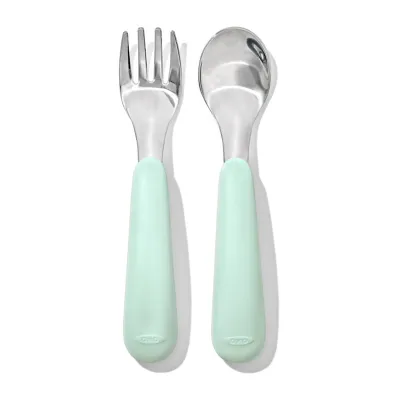
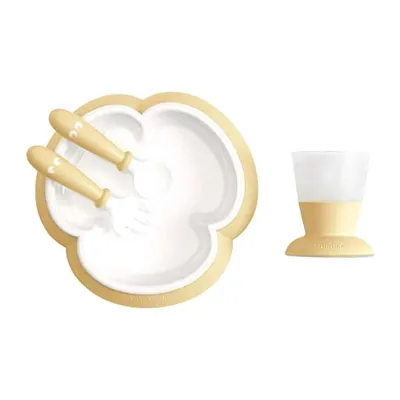
Prices are valid at publication and may change. Please refer to the product page for the latest price.
As the child grows, their physical grasp evolves alongside their oral skills. Initially, infants use a palmar grasp, wrapping their entire fist around an object. Later, they develop the fine motor coordination required for a pincer grasp, using their fingertips to hold and manipulate objects. A spoon’s handle must mirror these physical capabilities. A handle that is too long or thin during the self-feeding phase makes it nearly impossible for a baby to coordinate bringing the spoon to their mouth, while a handle that is too short during parent-led feeding makes it difficult for a caregiver to guide the utensil safely. By selecting spoons tailored to these physical milestones, you actively support your child’s coordination and foster a positive relationship with food.
Early Weaning (Around 6 Months): Spoons for Parent-Led Feeding
The initial introduction to solid foods is primarily about introducing new textures and training the oral muscles. At this stage, parent-led feeding is standard, meaning the caregiver retains control of the spoon while the baby focuses on accepting and swallowing the pureed food.

Key Features to Look For
When shopping for your baby’s very first spoon, prioritize designs that emphasize gentleness and precise sizing.
- Shallow and Narrow Bowl: The spoon bowl must be exceptionally shallow and narrow. This design fits comfortably within a six-month-old's small oral cavity without touching the back of the mouth, minimizing the risk of triggering the sensitive gag reflex.
- Soft, Flexible Tips: Look for spoons made from high-quality, food-grade silicone. The soft, flexible tip is incredibly gentle on sensitive, teething gums and protects newly emerging primary teeth from accidental impacts.
- Long, Ergonomic Handles: A long handle is essential for caregivers. It provides a comfortable grip for adult hands and allows you to easily reach the bottom of deep baby food jars or home-blending containers without getting puree on your fingers.
What to Avoid
Certain design elements can hinder your baby’s progress and cause physical discomfort during these early sessions.
- Deep Spoon Bowls: Avoid deep-welled spoons. A six-month-old does not yet have the coordination to drop their jaw and use their upper lip to scrape food out of a deep pocket, which can lead to messy, unsuccessful feeds.
- Hard Materials: Steer clear of metal or rigid, hard plastic spoons. An unexpected movement from a hungry baby can cause a hard spoon to bump painfully against their gums, potentially creating a negative association with mealtime.
- Short, Bulbous Handles: Do not purchase short, chunky self-feeding spoons for this initial phase. These are designed for a baby's fist, making them awkward and difficult for a parent to guide accurately.
Safety and Usage Tips
Safety must always be the top priority when introducing any feeding utensil into your baby’s routine.
- Verify Age Ratings: Always check the manufacturer's packaging to verify that the spoon is rated for use from six months of age.
- Inspect Before Every Use: Silicone can degrade over time. Before every feeding session, thoroughly inspect the spoon tip by pulling on it gently to check for tears, cracks, or bite marks, especially if your baby has begun teething. If any damage is visible, discard the spoon immediately to eliminate choking hazards.
- Maintain Constant Supervision: Never leave your infant unattended with a spoon. Even soft silicone spoons can cause injury if a baby falls or rolls while holding one.
Mid-Weaning (8 to 10 Months): Spoons for Emerging Self-Feeding
Between eight and ten months, many babies show a keen interest in feed-it-yourself behaviors. They will reach for the spoon, grab at the bowl, and attempt to mimic your movements. This transitional phase requires a tool designed to accommodate their developing hand-eye coordination.
Spoon Characteristics for Grabbing
To support your baby’s desire for independence, look for spoons that are physically optimized for their unique physical grip.
- Short, Thick Handles: At this stage, babies use a palmar grasp, holding objects tightly in their fists. A short, bulbous handle fits naturally into their small palms, allowing them to maintain a secure grip.
- Slightly Deeper Bowls: As your baby's swallowing coordination improves and they begin eating thicker, mashed foods, a slightly wider and deeper bowl is appropriate. This helps keep the food on the spoon as it makes its winding journey toward their mouth.
- Ergonomically Curved or Angled Designs: Many transitional spoons feature a curved neck. This smart design compensates for the fact that babies cannot yet rotate their wrists smoothly, helping the spoon bowl align with their mouth even when held at an awkward angle.
Material and Grip Considerations
The materials used in mid-weaning spoons must balance durability with tactile feedback to aid learning.
- Textured and Non-Slip Surfaces: Look for handles featuring textured silicone ridges or rubberized grips. When hands inevitably become covered in purees or oils, these non-slip surfaces prevent the spoon from slipping out of your baby's grasp.
- BPA-Free, Bite-Resistant Materials: Ensure all materials are certified BPA-free and durable enough to withstand aggressive chewing, as babies often use their spoons as teething toys during meals.
- Dishwasher-Safe Construction: Hygiene is critical as self-feeding becomes significantly messier. Verify that the spoons are dishwasher-safe (typically top-rack only) to ensure thorough sanitization after every messy exploration.
Encouraging Independence Safely
Fostering self-feeding skills requires patience and a strategic approach to safety and nutrition.
- The Two-Spoon Method: Give your baby one short-handled spoon to hold, chew on, and practice dipping into the food. Meanwhile, you hold a second, longer spoon to feed them the majority of the meal. This keeps their hands occupied while ensuring they receive adequate nutrition.
- Check for Choking Hazard Warnings: Ensure the spoon has a built-in choke guard—a wide collar near the base of the bowl—that prevents the baby from shoving the spoon too far down their throat. Always review the product instructions for specific safety warnings.
Toddler Stage (12+ Months): Spoons for Independent Scooping
By twelve months and beyond, toddlers are refining their pincer grasp and developing the wrist rotation needed to scoop food independently. They are ready to transition to utensils that closely resemble adult cutlery but are scaled to their physical proportions.
Features for Advanced Motor Skills
Toddler spoons must provide the structural integrity required to handle a wider variety of food textures, including grains, meats, and liquids.
- Slimmer, Longer Handles: As toddlers transition from a fist grip to a mature finger grip, they require longer, slimmer handles that allow for precise finger placement and better control.
- Deeper, Wider Bowls: Toddlers eat larger portions and more complex food types, such as soups, stews, and rice. A deeper, wider bowl is necessary to hold these foods securely without excessive spilling.
- Rigid Materials: While soft silicone is perfect for early weaning, it bends too easily when a toddler attempts to scoop dense foods. Transition to stiffer materials, such as high-quality bamboo, sturdy plastic, or stainless steel with soft, easy-grip handles.
Transitioning Away from Baby Spoons
Recognizing when your child is ready to graduate from soft baby spoons prevents developmental stagnation.
- Observe Key Developmental Signs: Look for signs of readiness, such as the ability to successfully guide a spoon to the mouth without spilling most of the contents, holding the utensil with their fingers rather than a closed fist, and showing interest in using your adult cutlery.
- Avoid Adult Cutlery: While it may be tempting to let your toddler use standard adult dessert spoons, these are often too heavy and poorly balanced for small hands. This can lead to hand fatigue, frustration, and a temporary regression in self-feeding motivation.
Maintenance and Hygiene
As your child transitions to multi-material utensils, proper maintenance is crucial for long-term safety.
- Inspect Joint Seams: Many toddler spoons feature a stainless steel or bamboo bowl joined to a silicone or plastic handle. Regularly inspect these joints for any signs of cracking, separation, or food residue build-up, which can harbor bacteria.
- Follow Sterilization and Care Guidelines: Always refer to the manufacturer's care instructions. While stainless steel is highly durable, certain plastics or natural wood components may degrade if boiled, microwaved, or placed in a high-heat dishwasher cycle.
Quick Reference: Matching Spoon Traits to Weaning Stages
To help you quickly identify the ideal utensil for your child’s current development, refer to the comparison table below. This summary aligns the physical characteristics of the spoon with each key weaning stage.
| Weaning Stage | Primary User | Handle Length & Shape | Bowl Depth & Width | Recommended Material & Flexibility |
|---|---|---|---|---|
| Early Weaning (~6 Months) | Parent / Caregiver | Long, straight, and slender for adult hands | Very shallow and narrow to fit tiny mouths | Food-grade silicone; highly flexible and gentle |
| Mid-Weaning (8 to 10 Months) | Baby (with parent support) | Short, thick, and ergonomically curved for fist grip | Slightly deeper and wider to hold mashes | BPA-free plastic or silicone; firm but pliable |
| Toddler Stage (12+ Months) | Toddler (independent) | Slimmer, longer, approaching adult proportions | Deep and wide for scooping diverse textures | Stainless steel, bamboo, or rigid plastic; stiff |
Note: Regardless of the stage, always prioritize products that comply with local safety standards and feature clear manufacturer age recommendations on the packaging.
Frequently Asked Questions (FAQ)
When should I switch from silicone to stainless steel spoons?
The transition to stainless steel spoons typically occurs around 12 to 18 months, once your toddler has developed the motor control to guide utensils accurately without bumping their teeth or gums. Ensure the stainless steel spoon is designed specifically for children, featuring smooth, rounded edges and a lightweight, scaled-down handle.
Are heat-sensing spoons necessary for weaning?
Heat-sensing spoons are a helpful convenience tool, providing a quick visual cue by changing color if food is too hot. However, they are not a medical or safety necessity. You should always perform a manual temperature check by testing a small amount of the food on the inside of your wrist before feeding your child.
Community discussion
Share your experience or ask a question. Comments are reviewed before publication.