
As your little one transitions from crawling to taking their first tentative steps, your home suddenly transforms into a landscape of potential hazards. In Singapore’s compact apartments, where space-saving furniture and sharp-edged coffee tables are common, securing these surfaces is a top priority for parents. Finding the right child proof edge guard requires balancing safety, material durability, and the specific demands of different furniture types.
To make the best choice, you must evaluate the material of your furniture, the height of the edges relative to your child’s developmental stage, and how local environmental factors like high humidity affect adhesive performance. This guide provides a practical framework to help you select, install, and maintain the ideal edge protection for every room in your home.
Edge Guard Materials and Shapes: What Works Best
Selecting the right child proof edge guard begins with understanding the materials available in the market. The three most common options are high-density foam, clear silicone, and polyvinyl chloride (PVC). Each material offers distinct advantages in terms of impact absorption, aesthetic integration, and long-term durability.
Products mentioned in this guide
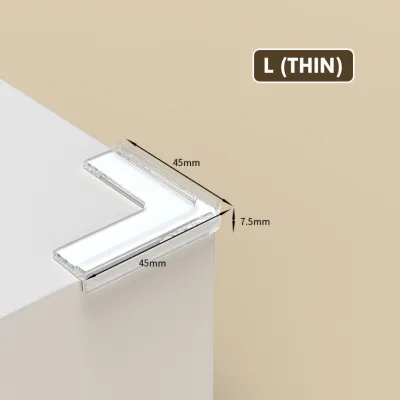
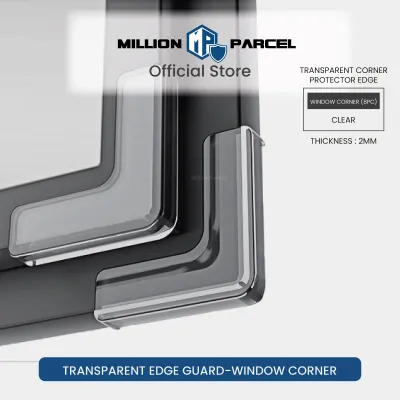
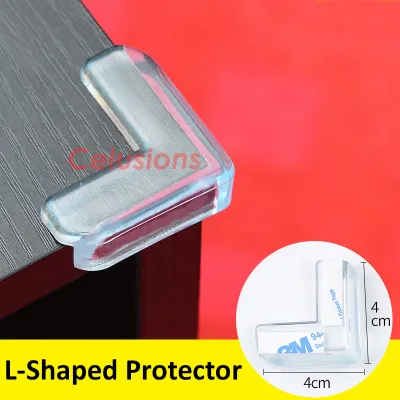
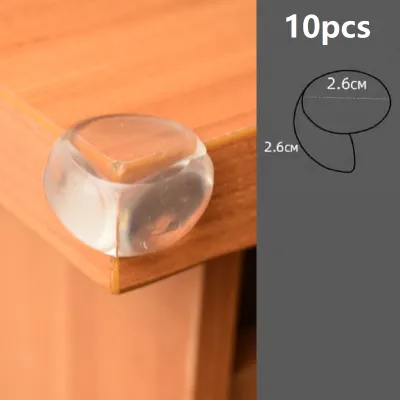
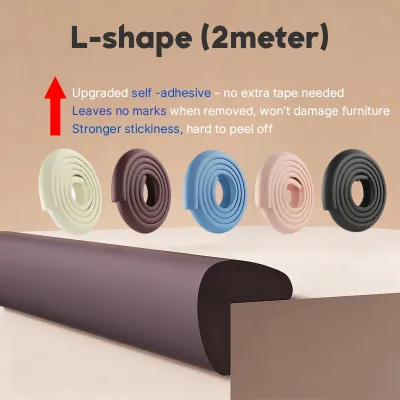
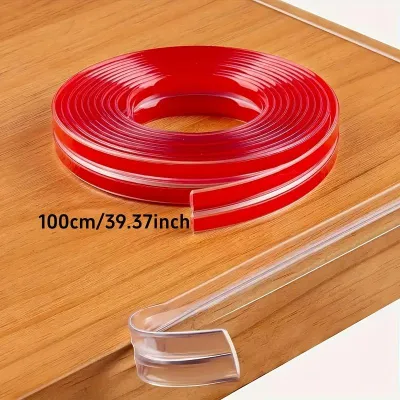
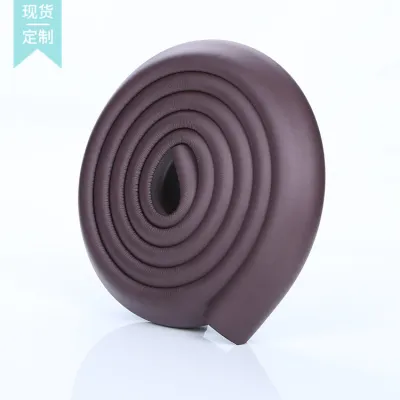
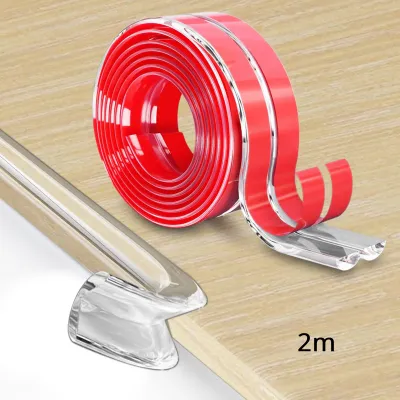
Prices are valid at publication and may change. Please refer to the product page for the latest price.
High-density foam is the traditional choice for maximum impact protection. It is thick, soft, and highly compressible, making it excellent for absorbing heavy impacts when a toddler falls. However, foam is highly visible, can be easily bitten or torn by teething children, and may not blend well with modern home decor.
Clear silicone and PVC guards offer a much more discreet alternative. These materials are semi-rigid or flexible, allowing them to blend seamlessly with wood, glass, or stone surfaces. While they do not offer the same deep cushioning as thick foam, they provide a tough barrier that prevents direct contact with sharp corners. Silicone is generally softer and more flexible than PVC, while PVC tends to be highly durable and resistant to bite marks.
Beyond materials, the shape of the guard must match the profile of your furniture.
- L-Shaped Guards: These are designed for standard 90-degree edges. They cover the top and side of the edge, making them ideal for flat-topped tables, shelves, and cabinets.
- U-Shaped Guards: These wrap around both the top, bottom, and face of an edge. They are specifically designed for thin surfaces, such as glass tabletops or metal frames, where a standard L-shaped guard would leave the underside exposed.
- Corner Ball Guards: These are individual, spherical, or block-shaped covers designed solely for sharp corners. They are highly effective when you do not need to cover the entire length of a table but want to eliminate the risk of the sharpest points.
When choosing between these options, consider the trade-off between maximum shock absorption and visual subtlety. For low-lying furniture where high-velocity impacts are more likely, thick foam is often the safest choice. For higher surfaces or formal dining areas, clear silicone or PVC corner guards can keep your child safe without dramatically altering your interior design.
Protecting Coffee Tables and Low Furniture
Coffee tables and low-lying media units are often the most hazardous pieces of furniture for newly mobile toddlers. Because these items sit at a height that directly aligns with a child’s head, forehead, and eyes, any fall near them carries a higher risk of injury. Furthermore, many modern coffee tables feature heavy timber, metal frames, or tempered glass, all of which present unforgiving surfaces.

Before purchasing a child proof edge guard for a coffee table, carefully measure the thickness of the table’s edge. If you have a glass-topped coffee table, a U-shaped guard is usually the most secure option. It grips both sides of the glass pane, preventing the guard from sliding off or being easily peeled away by curious fingers. For thick wooden or stone coffee tables, a wide L-shaped guard or dedicated corner ball guards are more appropriate.
Adhesion is a critical factor for low furniture because toddlers often use these tables to pull themselves up to a standing position. This action puts direct downward pressure on the edge guards, which can cause weak adhesives to fail. Look for guards that utilize high-bond acrylic tapes, which are designed to resist shearing forces.
Because of the high risk of head-level impacts on low furniture, prioritizing high-impact absorption is highly recommended. Thick, high-density foam guards are particularly well-suited for coffee tables. While they are more prominent visually, the peace of mind they offer during the peak cruising and walking phases of toddlerhood is a worthwhile trade-off for most parents. While high-quality edge guards typically cost between S$10 and S$40 per roll, this minor investment provides invaluable protection.
Securing TV Cabinets and Entertainment Units
TV cabinets and entertainment units present unique child proofing challenges due to their long, continuous horizontal edges and complex configurations. These units often house multiple electronic devices, meaning the guards must not only protect your child but also accommodate cables, drawer tracks, and cabinet doors.
When securing long entertainment units, you must decide between pre-cut adhesive strips and continuous rolls of edge guarding. Pre-cut strips are convenient for standard lengths but can leave seams where dust accumulates or where children can find leverage to peel them off. Continuous rolls allow you to measure and cut a single, seamless piece for the entire length of the cabinet, which significantly improves both the durability of the installation and its overall appearance.
The material of your entertainment unit also dictates the type of adhesive and guard you should use. Many modern TV consoles are made of laminated wood, painted medium-density fibreboard (MDF), or glass. Painted MDF and delicate wood veneers are particularly sensitive to strong adhesives. For these surfaces, it is vital to select an adhesive that provides a secure hold without bonding so permanently that it strips the paint or veneer upon removal.
Additionally, you must measure clearances carefully before applying any edge guards. If your TV cabinet has drawers that slide out or doors that swing open, a guard that is too thick can obstruct these movements. Ensure there is sufficient clearance—typically at least 5 to 10 millimetres—between the edge of the cabinet and the moving parts of the drawers or doors to prevent the guard from being sheared off during daily use.
Child Proofing Kitchen Countertops and Dining Tables
The kitchen and dining areas introduce environmental variables that do not exist in the living room. Here, edge guards are subjected to high humidity, heat from cooking appliances, spills, and frequent cleaning with chemical agents. In Singapore’s warm and humid climate, these factors can rapidly degrade standard adhesives if the wrong materials are chosen.
For kitchen countertops and dining tables, water-resistant and heat-tolerant materials are essential. Silicone and high-quality PVC are highly recommended for these zones because they do not absorb liquids, are easy to wipe clean, and do not harbor bacteria. High-density foam, while excellent for impact absorption, is porous and can absorb food spills, grease, and moisture, making it difficult to sanitize and prone to mold growth over time.
Adhesion on kitchen surfaces can be particularly challenging due to the variety of materials used. Smooth, non-porous surfaces like quartz, solid surface composites, and laminates provide an excellent bond for standard double-sided adhesives. However, porous stone surfaces such as granite or marble can be more difficult. The natural texture and microscopic pores of natural stone can prevent adhesives from making full contact, leading to premature peeling. For natural stone, look for specialized heavy-duty adhesives designed for porous surfaces, or consider temporary clamp-on guards if adhesive application is not viable.
Because these areas are cleaned frequently, the chemical agents in household sprays can slowly break down the adhesive backing of your edge guards. It is important to conduct regular inspections of kitchen and dining table guards. Check the edges weekly for any signs of lifting, particularly near the sink, stove, or areas where hot plates are frequently placed. If you notice the adhesive becoming sticky, gooey, or losing its grip, replace it immediately to prevent the guard from falling off or becoming a choking hazard.
How to Install and Remove Edge Guards Safely
Proper installation is the single most important factor in ensuring your child proof edge guards stay in place. Even the highest-quality guard will fail if the surface is not prepared correctly. To achieve a long-lasting bond, follow a systematic approach to preparation, application, and curing.
Begin by thoroughly cleaning the furniture surface. Dust, oils, polish residue, and fingerprints will prevent the adhesive from bonding properly. Use a mild dish soap solution or rubbing alcohol to clean the area, ensuring you do not use harsh chemicals that could damage the furniture’s finish. Allow the surface to dry completely; any trapped moisture will compromise the adhesive, especially in humid environments.
Once the surface is dry, measure and cut the edge guard to the exact length required. If you are using corner guards alongside edge strips, install the corner guards first, then measure the straight runs between them to ensure a tight, seamless fit. Apply the double-sided tape to the inside of the guard, peel off the backing, and press the guard firmly onto the furniture edge. Apply steady, even pressure along the entire length of the guard for at least 30 seconds to activate the pressure-sensitive adhesive.
For the best results, allow the adhesive to cure. Most high-bond adhesives require 24 hours to reach full strength. During this curing period, try to keep your child away from the area and avoid touching or testing the guard.
Removing edge guards when your child outgrows them requires care to avoid damaging your furniture’s finish. Never pull or rip a guard off forcefully, as this can tear away wood veneer, paint, or lacquer. Instead, use a hair dryer on a low or medium heat setting to gently warm the adhesive. The heat will soften the bond, allowing you to slowly peel the guard away at a shallow angle.
If any adhesive residue remains on the furniture, apply a small amount of mild adhesive remover, vegetable oil, or rubbing alcohol to a soft cloth and gently rub the area. Always test these substances on a small, hidden area of the furniture first to ensure they do not discolor or damage the finish.
Frequently Asked Questions (FAQ)
How often should I check or replace child proof edge guards?
You should perform a visual and physical check of all child proof edge guards at least once a month. Look closely for any signs of peeling at the corners, tearing of the material, or bite marks left by teething children. If a guard is loose, damaged, or has pieces missing, it must be replaced immediately. Loose guards not only fail to protect your child from impacts but can also pose a serious choking hazard if a child manages to pull a piece off and put it in their mouth.
Can edge guards damage my furniture's finish?
Yes, strong adhesives can potentially damage certain furniture finishes, particularly untreated wood, delicate wood veneers, antique lacquers, or freshly painted surfaces. To minimize this risk, always consult your furniture manufacturer’s care instructions before applying any adhesive products. It is highly recommended to test a small piece of the adhesive tape on an inconspicuous area of the furniture—such as the underside or back—for 24 hours to see how the finish reacts before completing the full installation.

Community discussion
Share your experience or ask a question. Comments are reviewed before publication.