
Securing a home for a curious toddler is a multi-layered process that requires careful planning, especially when it comes to low-lying drawers. In Singapore, where modern apartments often feature integrated cabinetry and custom-built carpentry, finding the right child drawer lock is not about searching for a single universal brand. Instead, successful childproofing depends on matching the specific lock mechanism to the drawer’s design, material, and environmental conditions.
A lock that performs flawlessly on a dry bedroom dresser may fail rapidly when exposed to the high humidity of a bathroom or the grease of a kitchen. Parents must evaluate how different locking systems interact with their furniture before making a purchase. By understanding the strengths and limitations of each lock type, you can create a secure environment without compromising the functionality or appearance of your home.
Key Features to Evaluate in Child Drawer Lock Brands
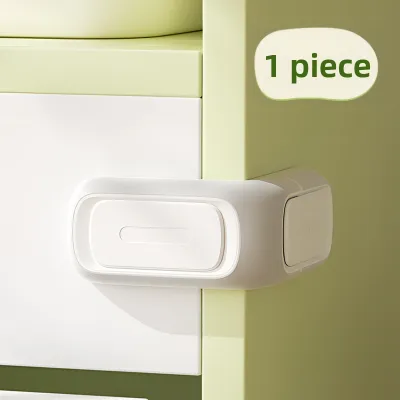
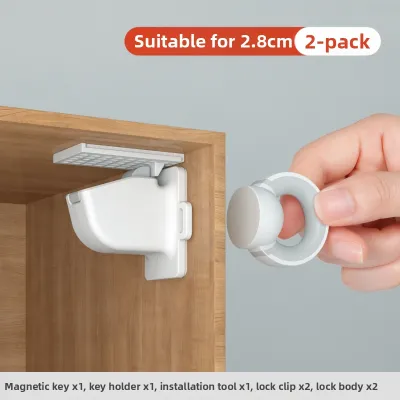
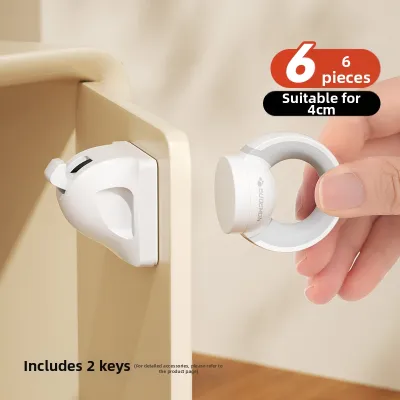
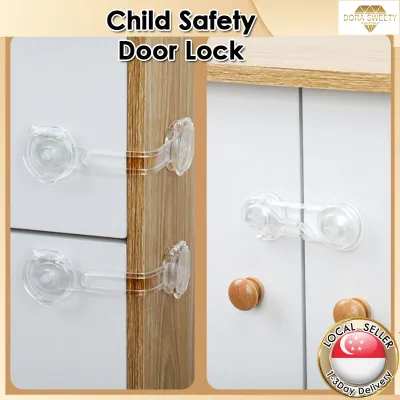
When evaluating different child drawer lock brands, parents should look beyond aesthetic appeal and focus on core engineering and material specifications. The primary locking mechanisms available on the market include magnetic locks, push-button latches, and flexible strap locks. Magnetic locks are completely concealed inside the drawer and require a magnetic key to open, making them highly secure against toddlers but requiring caregivers to keep track of the key. Push-button or spring-loaded latches mount inside the drawer, allowing the drawer to open slightly before requiring an adult to reach in and press down on a lever. Strap locks are mounted externally, using a flexible band to bridge the gap between the drawer and the frame, which offers high visibility but is incredibly simple to install.
Products mentioned in this guide
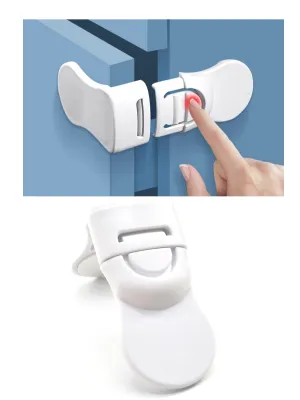
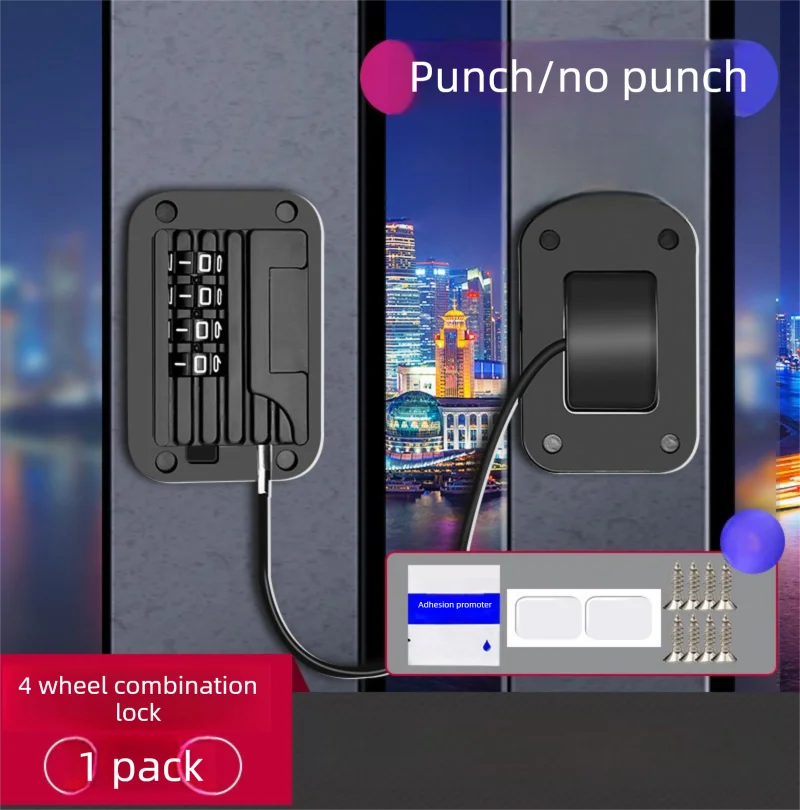
Prices are valid at publication and may change. Please refer to the product page for the latest price.
Installation methods represent another critical decision point, dividing products into adhesive-mounted options and screw-in hardware. Adhesive-mounted locks are highly popular in Singapore rentals because they do not require drilling into expensive carpentry or wood veneers. However, their reliability depends entirely on the quality of the adhesive tape used and the preparation of the surface. Screw-in hardware provides a permanent, mechanical bond that cannot be pulled loose by a determined toddler, but it permanently alters the furniture.
Material durability is a key differentiator among various brands. Parents should check manufacturer specifications for the grade of plastic used, looking for non-toxic, high-impact ABS or polypropylene that resists cracking under sudden force. For locks with internal springs or metal components, verifying rust resistance is essential, especially in tropical climates. Additionally, the adhesive backing should ideally be a reputable, heavy-duty foam tape designed to withstand consistent pulling forces.
Finally, adult convenience must be balanced against child resistance. A lock that is too difficult for a caregiver to operate with one hand while holding a baby will quickly be left disengaged, defeating its safety purpose. Look for brands that offer a temporary “off” or “disable” function, which allows you to keep the drawers unlocked during periods when your child is asleep or out of the house.
Matching Lock Types to Specific Drawer Configurations
Different rooms in a Singapore home present unique environmental challenges that directly impact how well a child drawer lock performs. Selecting the right lock style requires analyzing the temperature, moisture levels, and usage frequency of each specific space.

Kitchen Drawers: Heat, Grease, and Heavy Use
Kitchen drawers are often the most high-risk areas in the home, frequently housing sharp cutlery, heavy cookware, and potentially hazardous cleaning supplies. Because these drawers are opened dozens of times a day, the locking mechanism must be exceptionally robust to withstand constant wear and tear. For drawers containing dangerous items, mechanical screw-in latches or heavy-duty magnetic locks are generally preferred over simple strap locks, which can wear out faster under heavy daily use.
The kitchen environment also introduces heat and grease, both of which are natural enemies of adhesive-mounted locks. Cooking oils, steam from boiling water, and ambient heat can settle on cabinet surfaces, gradually seeping behind adhesive pads and causing them to lose their grip. Before installing any adhesive lock, parents must check the manufacturer’s guidelines regarding temperature limits and grease resistance.
To maximize the lifespan of your kitchen drawer locks, plan your installation locations carefully. Avoid mounting adhesive locks directly adjacent to major heat sources, such as built-in ovens, hobs, or dishwashers, as the localized heat cycles can rapidly degrade the adhesive bond. Thoroughly degreasing the mounting surface with rubbing alcohol prior to installation is a mandatory step to ensure the lock remains securely attached.
Bathroom Drawers: High Humidity and Water Exposure
Bathrooms in Singapore are subject to intense humidity and frequent steam, creating a challenging environment for childproofing hardware. High moisture levels can compromise standard adhesives, causing them to peel away from drawer surfaces within weeks of installation. When shopping for bathroom drawer locks, look for brands that explicitly state water-resistant or high-humidity performance in their product specifications.
In addition to adhesive failure, moisture can lead to mold growth or rust in metal components. Choose lock designs that feature minimal crevices where water can pool, and opt for models made entirely of high-grade plastics or rust-proof stainless steel. If a lock utilizes an internal metal spring, verify that the spring is sealed or treated to resist corrosion, as a rusted spring can seize and render the lock useless.
Maintaining safety in a humid bathroom requires a proactive inspection routine. Caregivers should establish a weekly habit of checking the physical integrity of each lock, gently tugging on the housing to ensure the adhesive has not softened. If you notice any peeling, mold accumulation, or stiffness in the locking mechanism, the lock should be replaced immediately to prevent accidental access to medicines or grooming tools.
Bedroom and Living Area Drawers: Aesthetics and Surface Protection
In living rooms and bedrooms, parents often want to balance child safety with preserving the visual appeal of their furniture. High-end wood veneers, painted dressers, and minimalist consoles can be easily marred by bulky, brightly colored external locks. For these spaces, invisible magnetic lock systems are highly recommended, as they mount entirely inside the drawer frame, leaving the exterior of your furniture completely untouched.
When using internal locks, verifying damage-free removal claims is essential to protect your furniture’s resale or aesthetic value. Read the manufacturer’s instructions carefully to understand how the adhesive interacts with different finishes, such as painted wood, lacquer, or delicate paper veneers. Some adhesives can strip paint or leave permanent stains if removed incorrectly, so understanding the removal process before installation is crucial.
If your bedroom drawers have unique structural designs—such as overlapping lips, metal frames, or very shallow clearances—internal magnetic locks may not fit. In these cases, look for low-profile, color-matched strap locks that blend in with the furniture’s color scheme. Many brands offer strap locks in neutral tones like white, grey, brown, or black, allowing you to secure the drawer without drawing unnecessary attention to the safety device.
Installation and Safety Checks Before Purchase
Before purchasing any child drawer locks, taking precise measurements of your furniture is a critical step that prevents compatibility issues. Measure the internal drawer clearance, the thickness of the drawer faceplate, the size of the cabinet lip, and the type of slide tracks installed. Magnetic locks, for example, require a specific maximum faceplate thickness to allow the magnetic key to penetrate and release the latch, while spring latches need sufficient vertical clearance to operate without catching.
Always read the manufacturer’s instructions regarding weight limits, adhesive curing times, and unsuitable surface materials before starting the installation. Most high-quality adhesive locks require a curing period of 24 hours before they can withstand any pulling force. Attempting to test or use the lock immediately after sticking it to the drawer will almost certainly result in premature failure, as the adhesive needs time to form a complete bond with the surface.
It is important to recognize the limits of DIY childproofing and know when to seek alternative solutions. If your furniture is a fragile antique, features delicate gold leaf, or lacks a stable structure to support a lock, stop the installation and consult a professional furniture restorer or childproofing specialist. Furthermore, child drawer locks are designed to delay access, not to provide absolute security; highly toxic chemicals, medications, and hazardous tools should always be stored in high, locked cabinets completely out of a child’s reach and sight.
Where to Buy and What to Verify in Singapore
To ensure you are purchasing authentic, high-quality safety products, buy child drawer locks from official brand stores, established mother-and-baby physical retailers, or authorized online marketplaces in Singapore. Avoid purchasing unbranded, exceptionally cheap multi-packs from unauthorized third-party sellers on generic ecommerce platforms. These low-cost alternatives often use substandard plastics that break easily under pressure or low-grade adhesives that fail without warning, posing a safety risk to your child.
When shopping, carefully inspect the product packaging for clear manufacturer contact details, batch numbers, and specific safety standard labels. While standards like EN or ASTM are common, parents must verify these claims by checking the manufacturer’s official documentation or website. Look for clear age or developmental stage warnings on the packaging, as some locks are only rated for toddlers up to a certain age or physical strength level.
Finally, always review the retailer’s return and exchange policy before finalizing your purchase. Even with careful measurements, you may find that a specific lock mechanism is physically incompatible with the unique carpentry of your home. Whether spending S$10 on a basic strap lock pack or S$40 on a comprehensive magnetic system, purchasing from a reputable local retailer with a flexible return policy ensures you can easily exchange the product for a more suitable lock style without unnecessary financial loss.
Frequently Asked Questions (FAQ)
Can I use the same drawer lock for all furniture types?
Using a single type of drawer lock throughout your entire home is generally not recommended due to varying environmental conditions and furniture designs. A lock that is perfectly suited for a dry, low-use bedroom dresser may quickly fail when exposed to the high humidity of a bathroom or the grease and heat of a kitchen. Additionally, different furniture pieces have unique structural configurations, such as varying faceplate thicknesses or frame clearances, which can prevent certain locks from functioning. Always check the manufacturer’s specifications for cross-room compatibility and surface suitability before installing a lock in a new environment.
How do I remove adhesive drawer locks without damaging the wood?
To safely remove adhesive drawer locks without damaging wood veneers or painted surfaces, you should follow the specific brand’s removal instructions. A common and effective method involves using a household hairdryer on a low-to-medium heat setting to gently warm the adhesive pad, which softens the glue. Once the adhesive is warm, slide a piece of dental floss or thin fishing line behind the lock base and use a sawing motion to slice through the foam tape. Any remaining adhesive residue can usually be rolled off with your fingers or dissolved using a mild, furniture-safe adhesive remover or a small amount of vegetable oil, followed by a wipe down with a damp cloth.
Community discussion
Share your experience or ask a question. Comments are reviewed before publication.