
Selecting the right bottle washing tablet is essential for maintaining the hygiene and structural integrity of your baby’s feeding gear. Because infants have developing immune systems, keeping bottles free from milk fat residues and bacterial buildup is a daily priority for parents. However, baby bottles are rarely made of a single material; a typical setup combines a rigid glass or plastic bottle with a flexible silicone nipple and collar. A cleaning tablet that works beautifully on one material might cause cloudiness, odor retention, or accelerated wear on another.
To clean effectively without damaging your bottles, you must match the tablet’s chemical formulation to the specific physical properties of glass, plastic, and silicone. While specialized baby bottle washing tablets might cost a few extra S$ per pack compared to standard dish soap, the investment ensures you are using ingredients tailored to delicate materials. By understanding how different materials react to cleaning agents, reading ingredient labels carefully, and following a systematic washing routine, you can safely extend the lifespan of your feeding equipment.
Understanding Material Compatibility and Cleaning Needs
Every baby bottle material has distinct physical properties that dictate how it responds to water temperature, physical scrubbing, and chemical exposure. Glass is highly durable, non-porous, and chemically inert, making it exceptionally resistant to absorbing odors or staining from milk fats. However, glass is heavy, prone to breaking, and can suffer from surface etching if exposed to highly alkaline cleaning agents over extended periods.
Products mentioned in this guide
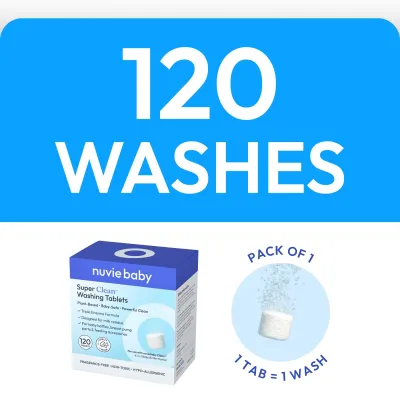
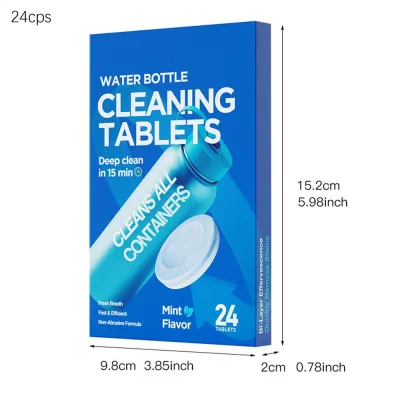
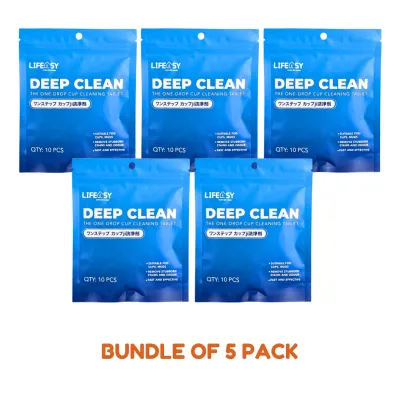
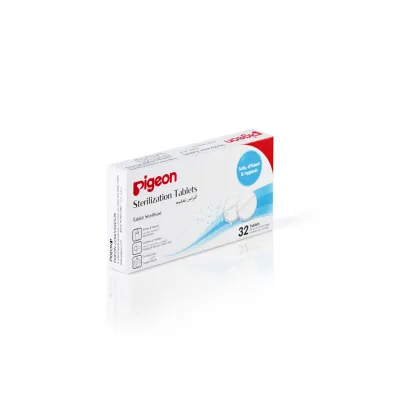
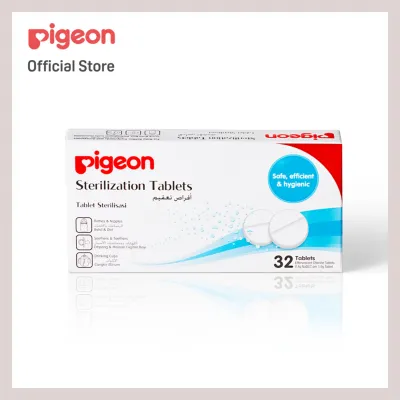
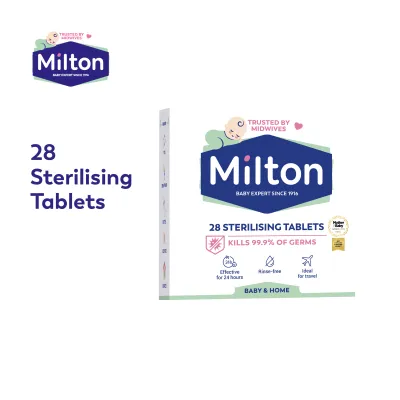
Prices are valid at publication and may change. Please refer to the product page for the latest price.
In contrast, plastics like polypropylene (PP) and polyphenylene sulfone (PPSU) are lightweight and shatterproof, but they are far more vulnerable to physical and chemical degradation. Plastics have a lower surface hardness than glass, meaning they scratch easily under physical abrasion and can turn cloudy or brittle when exposed to harsh surfactants or incorrect pH levels. PPSU offers higher heat and chemical resistance than PP, but both materials require gentle, non-abrasive cleaning agents to prevent micro-scratches where bacteria can hide.
Silicone, which is widely used for bottle nipples, valves, and breast pump parts, presents a different challenge due to its elastomeric nature. While silicone is highly heat-resistant and flexible, it is inherently porous at a microscopic level. This porosity makes silicone prone to absorbing hydrophobic substances, such as milk fats, as well as strong fragrances and chemical residues from cleaning tablets. If a cleaning agent is too harsh or heavily scented, the silicone can retain a soapy taste or degrade structurally, becoming sticky or prone to tearing.
Because of these varying material characteristics, a one-size-fits-all cleaning approach can quickly ruin your feeding gear. The primary rule for compatibility is to cross-reference your bottle manufacturer’s care instructions with the tablet’s packaging label. Never assume a tablet is safe for all parts of a bottle system unless the manufacturer explicitly states compatibility with glass, plastics, and silicone elastomers.
Key Ingredients to Check on Tablet Labels
When shopping for a bottle washing tablet, reading the ingredient list is the most reliable way to protect your baby’s health and preserve your bottles. High-quality tablets rely on targeted, mild active ingredients rather than harsh industrial chemicals. Look for formulations that utilize plant-derived surfactants, such as coco-glucoside or decyl glucoside, which gently lift milk fats and proteins from surfaces without leaving stubborn chemical films.

Enzymes are another highly effective ingredient to look for on tablet labels. Protease enzymes specifically target and break down milk proteins, while amylase enzymes break down carbohydrates, allowing residues to wash away easily without aggressive scrubbing. Additionally, oxygen-based bleaching agents, such as sodium percarbonate, are excellent for lifting stubborn organic stains and sanitizing surfaces naturally, releasing only water, oxygen, and soda ash upon dissolution.
Always look for explicit “baby bottle safe” or material-specific compatibility statements on the packaging. These labels indicate that the manufacturer has formulated the tablet to rinse away completely, leaving zero toxic residue. In Singapore’s warm and humid climate, residues left on bottles can quickly become breeding grounds for bacteria or mold, making a clean-rinsing formula absolutely critical.
Conversely, you should actively avoid tablets that contain undisclosed proprietary chemical blends, synthetic dyes, or heavy fragrances. Strong synthetic perfumes are easily absorbed by silicone nipples, which can cause infants to reject the bottle due to an off-putting taste or smell. Furthermore, avoid tablets containing chlorine, phosphates, or strong abrasive agents, as these chemicals can rapidly degrade plastic polymers and etch glass surfaces, shortening the usable life of your feeding equipment.
Evaluating Tablets by Bottle Material
Glass Bottles: Durability and Stain Removal
Glass bottles are highly resilient, but they require a tablet that can effectively dissolve stubborn milk fat films and mineral deposits without leaving a dull residue. Because glass does not absorb chemicals, you can use tablets with slightly stronger oxygen-based cleaning agents to lift deep-seated stains. However, you must monitor the glass over time for any signs of etching or dulling, which can occur if a tablet is excessively alkaline.
Ensure the tablet you select is formulated to dissolve completely in the water temperature recommended for your glass bottles. While glass can withstand high temperatures, sudden thermal shocks can cause cracking. A tablet that dissolves quickly in warm, rather than boiling, water is ideal for maintaining the safety and clarity of your glass feeding gear.
Plastic Bottles: Preventing Cloudiness and Micro-scratches
To keep plastic bottles clear and structurally sound, you must avoid tablets that rely on harsh alkaline builders or physical abrasives. Strong alkaline solutions can chemically attack plastic polymers, causing them to turn cloudy, yellow, or brittle over time. This chemical wear not only ruins the appearance of the bottle but can also lead to microplastic shedding.
When using a new bottle washing tablet, inspect the plastic’s clarity and surface texture after every wash cycle. If you notice a sudden loss of transparency, a rough interior surface, or fine micro-scratches, stop using that tablet immediately. Protecting the smooth interior surface of plastic bottles is crucial, as scratches provide microscopic pockets where milk residue and bacteria can accumulate.
Silicone Parts: Avoiding Odor Retention and Degradation
Silicone nipples and valves require the gentlest, most specialized cleaning tablets available. Because silicone easily absorbs oils and fragrances, you must choose a tablet that is completely fragrance-free and formulated specifically for elastomers. Tablets containing strong essential oils or synthetic perfumes will permanently scent the silicone, which can interfere with your baby’s feeding experience.
Regularly perform tactile and olfactory checks on all silicone components. Pinch the nipple or valve between your fingers to check for a sticky, tacky, or overly soft texture, which indicates chemical degradation of the silicone polymer. Additionally, smell the dry silicone; if you detect a lingering soapy or chemical scent, the tablet is not rinsing clean, and you should switch to a milder, residue-free alternative.
How to Verify Compatibility Before Washing
Before committing your entire inventory of baby bottles to a new washing tablet, it is highly recommended to perform a controlled compatibility test. This precautionary step prevents accidental damage to expensive feeding systems and ensures the cleaning agent is safe for daily use. To start, select a single, older bottle, a spare silicone valve, or an inconspicuous part of your feeding gear to serve as your test subject.
Prepare a small batch of the cleaning solution by dissolving a portion of the tablet in warm water, strictly adhering to the dilution ratio specified on the packaging. Submerge the test items in the solution for the maximum soaking time recommended by the tablet manufacturer. Once the soaking period is complete, rinse the items thoroughly under running water and allow them to air-dry completely.
After the test items are dry, conduct a thorough inspection over a 24-hour observation period. Examine the plastic and glass components under a bright light to check for any discoloration, cloudiness, or surface dulling. For silicone parts, check for changes in elasticity, physical stickiness, or any lingering chemical odors that persist even after drying.
If you observe any adverse reactions—such as plastic turning brittle, silicone losing its shape, or a strong chemical smell remaining—discontinue use of the tablet immediately. Always prioritize safety: if the instructions on the tablet packaging conflict with the care guidelines provided by your bottle manufacturer, defer to the bottle manufacturer’s warnings and consult their customer support team for approved cleaning alternatives.
Step-by-Step Washing and Rinsing Best Practices
To achieve maximum cleaning efficacy and ensure zero chemical residue, you must establish a standardized washing and rinsing workflow. Begin by fully dissolving the bottle washing tablet in a clean basin of warm water before introducing any bottle parts. Never drop a solid tablet directly into a bottle, as highly concentrated, undissolved chemical pockets can cause localized damage to plastic and silicone.
Ensure the water temperature aligns with the limits set by both the tablet maker and your bottle manufacturer. Once the tablet is completely dissolved, submerge all disassembled bottle components, ensuring no air bubbles are trapped inside. Limit the soaking time to the duration specified on the tablet packaging; prolonged soaking does not improve cleanliness and can accelerate the breakdown of plastic and silicone parts.
After soaking, use a soft-bristled silicone bottle brush to gently sweep away any loosened milk films or physical residues. Avoid stiff nylon brushes or metal-tipped wire brushes, which can easily scratch plastic surfaces and tear delicate silicone nipples. Pay close attention to the threads of the bottle collar and the tip of the nipple, where milk fats tend to accumulate.
Finally, rinse every component thoroughly under clean, running water for at least thirty seconds. This step is critical for removing any dissolved tablet residue that may be clinging to the porous surfaces of silicone parts. In Singapore’s humid climate, dry the washed components on a clean, elevated drying rack in a well-ventilated area to prevent moisture retention, which can lead to mold growth and bacterial contamination.
Frequently Asked Questions (FAQ)
Can I use regular dishwashing tablets for baby bottles?
No, you should not use standard household dishwashing tablets for baby bottles. Regular dishwasher tablets are formulated with highly concentrated surfactants, strong alkaline builders, rinse aids, and synthetic fragrances designed to strip heavy grease from ceramic and stainless steel. These harsh chemicals can rapidly degrade delicate baby bottle plastics, leave toxic residues on porous silicone nipples, and pose safety risks for infants. Always use products explicitly labeled for baby bottles or verified safe by the bottle manufacturer.
How do I know if a tablet leaves residue on silicone?
You can detect tablet residue on silicone nipples and valves using simple sensory checks. Once the silicone part is completely dry, smell it closely; any lingering soapy, chemical, or perfume scent indicates that residue remains on the material. Additionally, run your clean fingers over the dry silicone surface. If it feels unusually sticky, tacky, or slippery compared to a brand-new part, a chemical film is likely present, meaning you should rinse the parts again thoroughly or switch to a cleaner-rinsing, fragrance-free tablet.
Community discussion
Share your experience or ask a question. Comments are reviewed before publication.