
The transition from an exclusive milk diet to solid foods is one of the most significant developmental milestones in your infant’s first year. For parents navigating this journey, selecting appropriate foods requires balancing nutritional adequacy with your child’s evolving physical capabilities. The Bellamy’s Organic baby food range provides a structured pathway designed to support children through various weaning stages. By aligning these products with your baby’s developmental cues, you can establish a safe, nutritious, and positive introduction to solids.
When introducing solids, parents often wonder how to choose the right products at the right time. The key lies in understanding that while age guidelines on packaging offer a helpful starting point, your baby’s physical readiness is the most reliable indicator. This guide explores how to match Bellamy’s diverse product offerings—ranging from smooth, single-ingredient purees to chunkier toddler meals—with your baby’s specific developmental stages, ensuring a smooth and safe transition to family meals.
Understanding Bellamy's Weaning Stages and Nutritional Needs
Weaning is not a sudden event but a gradual developmental progression that typically spans several months. Pediatric experts generally recommend introducing solids around six months of age, which aligns with the maturation of an infant’s digestive system and the natural depletion of their iron stores. Bellamy’s structures its product line around a multi-stage framework designed to match this physiological timeline. Each stage gradually increases texture complexity, ingredient variety, and nutritional density to keep pace with your baby’s growth.
Products mentioned in this guide
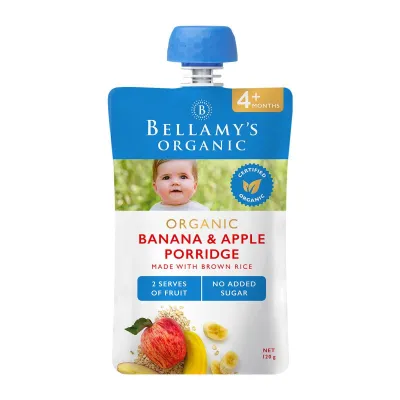
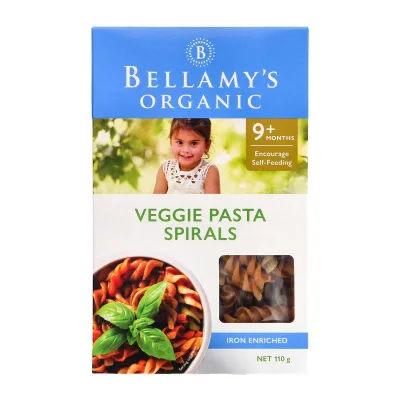
Prices are valid at publication and may change. Please refer to the product page for the latest price.
Before introducing any solid food, it is essential to look for objective signs of physical readiness rather than relying solely on the calendar. A baby who is ready for solids should be able to sit upright with minimal support and maintain good head and neck control. They should also show active interest in food, such as watching you eat or reaching for items on your plate. Crucially, the infant must have lost the tongue-thrust reflex, an involuntary response where the tongue automatically pushes solid objects out of the mouth. Introducing solids before this reflex diminishes can lead to feeding frustration and potential choking hazards.
The core philosophy behind the Bellamy’s brand centers on providing organic ingredients, free from synthetic additives or artificial preservatives. Parents should verify these organic certifications and ingredient lists on the physical packaging of each product before purchase. Because every child’s developmental trajectory and nutritional requirements are unique, parents should always prioritize personalized guidance from their pediatrician or family doctor. This guide serves as an educational framework to help you navigate the product range, but individual medical advice remains the gold standard for your child’s health.
Stage 1 (Around 6 Months): First Tastes and Smooth Purees
At approximately six months of age, a baby’s nutritional needs undergo a critical shift. While breast milk or infant formula continues to provide the primary source of nutrition, a baby’s natural iron reserves, accumulated during gestation, begin to decline. Consequently, the primary nutritional priority of Stage 1 is the introduction of iron-fortified foods alongside simple, easily digestible ingredients. Smooth, single-ingredient options allow the baby’s immature digestive tract to adapt to processing foods other than milk without unnecessary strain.

For this initial phase, Bellamy’s offers several suitable options available in Singapore, such as iron-fortified organic rice cereal and baby porridge. These dry cereals can be mixed with breast milk or formula to create a familiar, runny consistency that eases the transition. Additionally, single-ingredient fruit purees like apple or pear, along with mild vegetable purees, provide gentle introductions to sweet and earthy flavours. These products are processed to achieve an exceptionally smooth, lump-free texture, which is vital for babies who are still learning how to coordinate their tongue movements to swallow solids safely.
The rationale for starting with single-ingredient foods is highly practical: it simplifies the identification of potential food intolerances or allergic reactions. When you introduce only one new ingredient at a time, any adverse reaction—such as a skin rash, vomiting, or digestive distress—can be easily traced back to that specific food. To facilitate this, parents are encouraged to follow the “3-day wait rule.” This rule involves introducing a single new food and waiting three full days before offering another new ingredient, allowing ample time to monitor your baby’s physical response.
Safety during Stage 1 feeding is paramount. Always ensure your baby is seated securely in an upright high chair, and never leave them unattended while eating, even for a brief moment. The initial portions should be small—often just a teaspoon or two—as the goal at this stage is sensory exploration and motor skill practice rather than caloric intake. If your baby rejects a food, do not force them; instead, pause and try again a few days later, as it can take multiple exposures for an infant to accept a new flavour.
Stage 2 (7 to 8 Months): Exploring Textures and Combinations
As babies reach seven to eight months of age, they typically develop stronger jaw control and begin to master the transition of food from the front of the mouth to the back for swallowing. At this juncture, their nutritional demands increase, requiring a broader array of vitamins, minerals, and macronutrients. Stage 2 focuses on moving away from completely smooth, single-ingredient purees toward thicker, mashed textures and multi-ingredient combinations that introduce complex carbohydrates and essential proteins.
Bellamy’s Stage 2 product line features a variety of pouches and jars that blend vegetables with grains or proteins, such as poultry, beef, or fish. These combinations, such as sweet potato and chicken or pumpkin and beef blends, are designed to deliver higher energy density to support your baby’s rapid growth. The slightly thicker, mashed consistency of these meals encourages babies to practice active tongue movements and early chewing motions, even if they do not yet have teeth.
For busy families in Singapore, the convenience of Bellamy’s Stage 2 packaging is highly advantageous. Whether you are running errands, visiting family, or spending time outdoors, these portable pouches provide a clean, ready-to-serve option. However, convenience should not compromise safety. When feeding on the go, ensure you have a safe, upright space for your baby to sit. Avoid feeding your baby directly from the pouch if you plan to save a portion for later, as saliva introduced via the spout can promote rapid bacterial growth in the remaining food.
As you introduce these more complex combinations, continued vigilance regarding food allergens is essential. Stage 2 often introduces common allergens such as dairy, wheat, or fish within mixed meals. If you are introducing a potential allergen for the first time, ensure it is done in a controlled environment, preferably at home during the morning or early afternoon, so you can monitor your baby for several hours afterward. Always maintain direct supervision during meals to ensure your baby is managing the thicker textures safely and comfortably.
Stage 3 (9 to 12 Months): Chunkier Meals and Growing Appetites
Between nine and twelve months, infants experience rapid physical development, often learning to crawl, cruise, or even take their first independent steps. This increased physical activity significantly raises their daily caloric and nutritional requirements. From a developmental standpoint, babies at this stage are ready to transition to chunkier textures containing soft, distinct pieces. This transition is crucial for oral motor development, as it helps refine the lateral tongue movements and chewing coordination necessary for eating family meals.
To meet these evolving needs, Bellamy’s Stage 3 offerings include more complex, textured meals such as organic pasta dishes, risottos, and chunky stews. These products feature small, soft pieces of vegetables, grains, and proteins that challenge your baby to chew rather than simply swallow. By exposing your child to these varied textures, you help prevent texture aversion and encourage a more diverse palate as they approach toddlerhood.
The nutritional focus of Stage 3 is to provide balanced, nutrient-dense meals that support rapid bone growth, muscle development, and cognitive function. These meals are formulated with a wider variety of vitamins and minerals, including calcium, zinc, and essential fatty acids. While these prepared meals offer excellent convenience and balanced nutrition, they can also serve as a versatile base for home cooking. Parents can easily customize these dishes by mixing in freshly steamed, finely minced local vegetables, such as spinach or broccoli, or small cubes of soft tofu, further expanding the baby’s sensory experience.
When serving Stage 3 meals, self-feeding should be actively encouraged. Allowing your baby to hold a spoon or use their fingers to pick up soft pieces of food fosters independence and hand-eye coordination. While self-feeding can be messy, it is a vital part of the learning process. Ensure that any additional foods you mix into Bellamy’s meals are cooked until very soft and cut into small, manageable pieces to minimize any potential choking risks.
Stage 4 and Toddler Snacks (12+ Months): Transitioning to Family Meals
Reaching the one-year mark represents a major transition, as toddlers begin to consume a diet that closely mirrors that of the rest of the family. At twelve months and beyond, three balanced main meals form the foundation of your child’s daily nutrition. However, because toddlers have small stomachs and high energy levels, they require nutritious snacks between meals to maintain their energy and meet their daily nutrient targets.
Bellamy’s Stage 4 and toddler range includes various convenient snack options, such as organic puffs, fruit slices, and tooth biscuits. These snacks are specifically formulated for young children, but parents must remain diligent about reading ingredient labels. It is important to verify that toddler snacks are free from excessive added sugars and high sodium levels, which can contribute to poor dietary habits later in life. Bellamy’s focuses on utilizing organic grains and fruits to provide natural sweetness and flavour without relying on artificial additives.
Beyond providing convenient energy, these toddler snacks play an important role in physical development. Small, bite-sized snacks like organic puffs are excellent tools for helping toddlers practice and refine their pincer grasp—the ability to hold small objects between the thumb and index finger. Chewing harder snacks, such as specially designed toddler biscuits, also helps soothe teething gums and strengthens jaw muscles, which supports speech development.
While packaged toddler snacks offer exceptional convenience, they should be used as a complement to a diet rich in fresh, whole foods. Parents should aim for a balanced approach, offering fresh fruits, raw or lightly steamed vegetable sticks, and home-cooked snacks alongside convenient packaged options. This balanced strategy ensures your toddler receives a wide spectrum of natural nutrients while developing a healthy relationship with diverse food sources.
Reading Labels, Allergens, and Safe Feeding Practices
Navigating the baby food aisle requires a critical eye and a solid understanding of how to read product packaging. When selecting Bellamy’s products, always locate the age and stage indicators on the front of the packaging. These indicators are calibrated to ensure that the texture, consistency, and nutritional profile of the food match the typical developmental capabilities of that age group. However, always cross-reference these guidelines with your own observations of your child’s physical readiness and chewing ability.
Carefully reading the ingredient list and allergen declarations is a non-negotiable step for child safety. Bellamy’s clearly lists ingredients and highlights common allergens such as wheat, dairy, soy, or gluten on their packaging. If your child has a known or suspected severe allergy, pay close attention to any cross-contamination warnings (such as “may contain” statements). Because formulations and manufacturing processes can change over time, make it a habit to check the ingredient list of every product during every purchase, even if it is a food your child has safely consumed in the past.
Proper storage and handling are critical to preventing foodborne illness, particularly in Singapore’s warm, humid tropical climate. Unopened Bellamy’s pouches and jars should be stored in a cool, dry pantry away from direct sunlight. Once a pouch or jar is opened, any unused portion must be refrigerated immediately and consumed within the timeframe specified on the label—typically 24 to 48 hours. If you plan to store leftovers, always spoon the desired portion into a separate feeding bowl rather than feeding your baby directly from the container, as saliva can introduce bacteria that will spoil the remaining food quickly.
When reheating baby food, safety must always come first. Never place plastic pouches directly into the microwave. Instead, squeeze the food into a microwave-safe bowl or warm the unopened pouch in a bowl of hot water. After heating, stir the food thoroughly to eliminate any hot spots that could burn your baby’s mouth, and always test the temperature on the inside of your wrist before feeding. Finally, never leave a baby or toddler unattended during meals, and consult a pediatrician or pediatric dietitian if you observe persistent feeding difficulties, food refusal, or signs of an allergic reaction.
Frequently Asked Questions (FAQ)
Can I mix Bellamy's purees or cereals with breastmilk or formula?
Yes, mixing Bellamy’s dry cereals or smooth purees with breast milk or prepared infant formula is an excellent way to introduce solid foods. Using a familiar milk helps ease the transition by providing a recognizable taste while allowing you to customize the consistency of the food. When preparing these mixtures, only mix the specific portion your baby will eat immediately. Any leftover portion that has been mixed with milk and in contact with your baby’s saliva must be discarded after the feed to prevent rapid bacterial growth.
How long does an opened Bellamy's pouch or jar last in the fridge?
Once opened, a Bellamy’s pouch or jar must be stored in the refrigerator and is typically safe to consume within 24 to 48 hours, depending on the specific product instructions. Always check the physical label on the packaging to verify the exact storage limits specified by the manufacturer. To ensure maximum safety, never feed your baby directly from the pouch or jar if you intend to store leftovers, as bacteria from your baby’s mouth will contaminate the remaining food and cause it to spoil quickly.
Are Bellamy's products suitable for babies with specific food allergies?
While Bellamy’s offers many organic products with simple, clean ingredient lists, they are not automatically free from all allergens. Some products contain ingredients like wheat, gluten, dairy, or soy, while others may be processed in facilities that handle these ingredients. You must carefully read the allergen statements and ingredient lists on the specific product packaging before every purchase. If your child has a known or suspected food allergy, consult a pediatric allergist or pediatrician before introducing any new food item.
Community discussion
Share your experience or ask a question. Comments are reviewed before publication.