
Selecting the right mattress firmness for your baby is one of the most critical decisions you will make when setting up your nursery. For newborns and infants under 12 months of age, a highly firm, flat, and rigid sleep surface is the only safe option. This level of firmness supports their rapidly developing spine and, more importantly, keeps their airways clear if they accidentally roll over. As your child grows into a toddler, their physical needs change, allowing for a transition to a slightly softer, more pressure-relieving surface. If you are considering a Baby Dream mattress, understanding how to match these firmness levels to your baby’s specific age and developmental milestones is essential for ensuring both safety and comfort.
Many parents mistake a firm mattress for an uncomfortable one, applying adult sleep preferences to an infant’s environment. However, babies do not have the same skeletal structure or muscle strength as adults. A soft mattress that contours to an adult’s body can pose a severe suffocation hazard to an infant, whose neck muscles are not yet strong enough to lift their head if their face becomes pressed into a plush surface. Therefore, the primary goal when choosing a mattress firmness is safety first, followed by comfort as your child transitions into toddlerhood.
To make an informed decision, you must evaluate your baby’s current age, weight, and motor milestones against the specific product guidelines provided by the manufacturer. Many modern baby mattresses, including options within the Baby Dream range, feature dual-firmness designs that cater to both stages of early development. By understanding how to read product labels, verify safety certifications, and perform physical fit checks, you can create a secure and supportive sleep environment that adapts to your child’s growth.
Products mentioned in this guide
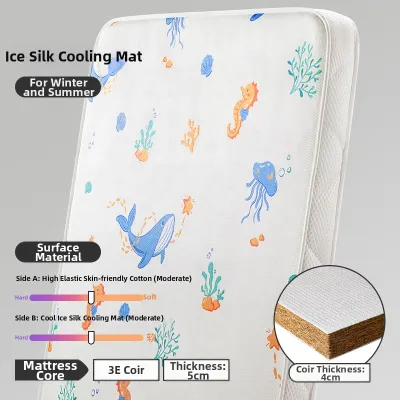
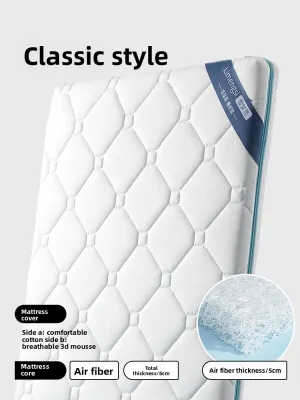
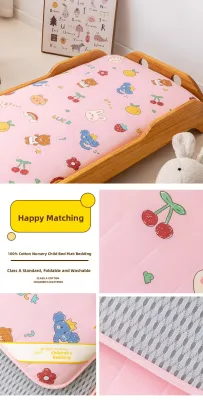
![[FAST SHIP] Joie Deluxe Foam Mattress for Joie Travel Cots (3 Sizes)](https://img.lazcdn.com/g/p/9f5d41b596037a98595dc192a687a44f.png_400x400q80.png_.webp)
Prices are valid at publication and may change. Please refer to the product page for the latest price.
Understanding Infant Mattress Firmness and Safety Standards
Infant sleep safety is governed by strict pediatric guidelines designed to minimize risks such as Sudden Infant Death Syndrome (SIDS), suffocation, and entrapment. The general pediatric consensus is clear: infants must sleep on a firm, flat surface free of any soft bedding, pillows, or loose materials. When a baby lies on a mattress, the surface should not indent or conform to the shape of their head or body. This structural rigidity ensures that even if the baby rolls onto their stomach, their nose and mouth remain unobstructed, allowing for a continuous flow of oxygen.
The firmness requirements for non-mobile infants are significantly stricter than those for older, mobile toddlers. During the first few months of life, babies lack the motor skills to rescue themselves from hazardous positions. If a mattress is too soft, the baby’s head can sink, creating a pocket of exhaled carbon dioxide that they may re-breathe, leading to hypoxia. As babies grow and develop the ability to roll over, sit up, and stand, their risk profile changes. While safety remains the top priority, older toddlers can safely sleep on a slightly more cushioned surface that provides pressure relief for their growing joints.
When shopping for a baby mattress, it is crucial to look beyond marketing terms like “orthopedic support” or “extra comfort.” Instead, parents should verify that the mattress meets recognized safety standards, such as the European standard EN 16890 or local safety regulations. These standards involve rigorous testing methods, including a sphere-firmness test, to ensure the surface does not sag under a specific weight. Always check the manufacturer’s official labels and product documentation to confirm these certifications rather than relying solely on retail descriptions.
Furthermore, any brand-specific comfort claims must always be balanced against these objective safety standards. A mattress that claims to offer “plush comfort” may not be suitable for a newborn unless it specifically designates a separate, ultra-firm side for infants. By prioritizing certified firmness over subjective softness, you establish a safe foundation for your baby’s sleep from day one.
Matching Firmness to Your Baby's Age and Milestones
Choosing the right firmness level is not a one-time decision but a process that aligns with your baby’s physical development. During the newborn and young infant stage, which spans from birth to approximately six months, your baby requires the firmest support available. At this stage, their bones are soft, and their spine is straight rather than curved like an adult’s. A rigid, flat surface provides the necessary resistance to support healthy spinal alignment and prevents the baby’s head from sinking, which is vital for keeping their airways open.
As your baby enters the transition phase, typically between six and twelve months, they will begin to hit major motor milestones such as rolling over, sitting up, and eventually pulling themselves up to a standing position. These milestones change how their weight is distributed across the mattress. When a baby pushes up on their hands and knees, they exert concentrated pressure on specific areas of the mattress. A high-quality infant mattress must resist this localized pressure, preventing deep indentations that could make it difficult for the baby to reposition themselves or stand securely.
Once your child reaches toddlerhood, usually around twelve months of age, their skeletal structure is more robust, and their motor skills are highly developed. At this point, the strict requirement for an ultra-firm surface relaxes slightly. Toddlers can benefit from a mattress side that offers a bit more contouring and pressure relief, which helps accommodate their active sleep positions and larger body mass. However, even a toddler mattress must remain relatively firm compared to an adult mattress to ensure proper skeletal support during these rapid growth years.
To determine the exact timing for transitioning your child to a different firmness level, you should use their current weight and motor milestones as your primary guides. Consult the specific Baby Dream product specifications and age guidelines provided in the user manual or on the manufacturer’s official website. Do not rush the transition; if your baby is not yet consistently rolling over or if they fall below the manufacturer’s recommended weight threshold for the toddler side, it is always safer to keep them on the firm infant side.
Evaluating Baby Dream Mattress Features and Labels
To select the correct firmness within the Baby Dream range, you must carefully evaluate the specific features and labels of each model. Many premium baby mattresses utilize a dual-firmness design, which incorporates two distinct sleep surfaces within a single mattress core. One side is engineered to be ultra-firm to meet the safety needs of newborns and young infants, while the reverse side is slightly softer and more resilient, tailored for the comfort of toddlers. This 2-in-1 design provides an economical and practical solution, as it eliminates the need to purchase a completely new mattress when your child transitions into toddlerhood.
When inspecting a Baby Dream mattress, your first step should be to locate the manufacturer’s tag, which is typically sewn into the seam of the mattress cover, or consult the official product page. This tag contains critical information, including exact age recommendations, weight limits, and specific firmness ratings for each side. It is important to verify these details directly from the manufacturer’s official documentation, as third-party retailers may sometimes generalize age ranges or omit important weight restrictions. Ensure that the model you choose explicitly states which side is intended for infants and which is for toddlers.
In addition to reading the labels, you should examine the mattress core material specifications, as these serve as objective indicators of the support level. For foam mattresses, look for high-density polyurethane foam or specialized elastomeric polymer cores. High-density foam provides excellent structural integrity and resistance to sagging, ensuring the infant side remains flat and supportive over time. If the mattress uses an innerspring or coil system, check the coil count and wire gauge; a higher coil count and lower gauge (thicker wire) generally indicate a firmer, more durable mattress.
Understanding these material specifications allows you to make a decision based on physical facts rather than marketing claims. A high-quality core not only ensures safety but also guarantees that the mattress will maintain its shape and firmness throughout its lifespan. By verifying the density, coil structure, and official manufacturer guidelines, you can confidently select a Baby Dream mattress that offers the precise level of support your baby needs at each stage of their early life.
Final Safety and Fit Checks Before Purchase
Once you have identified the correct firmness level and mattress model, you must perform several physical safety and fit checks before finalizing your purchase. The most critical of these is the standard gap test, which ensures the mattress fits snugly inside your chosen crib frame. To perform this test, place the mattress inside the crib and attempt to slide your fingers between the edge of the mattress and the crib rails. There should be no gap wider than two fingers (approximately 3 centimeters). Any larger gap poses a severe entrapment hazard, where a baby’s limbs or head could become wedged, leading to injury or suffocation.
Another vital consideration, particularly in a tropical climate like Singapore, is the mattress’s breathability and hygiene features. High humidity and warm temperatures can lead to sweating, which increases the risk of overheating during sleep. Look for a Baby Dream mattress that features a highly breathable core and a waterproof, removable, and machine-washable cover. A waterproof barrier is essential for protecting the mattress core from diaper leaks, spit-up, and spills, which can otherwise lead to the growth of mold, mildew, and dust mites. Ensuring the cover can be easily removed and washed at high temperatures helps maintain a hygienic sleep environment.
Finally, you must be aware of the observable conditions under which a mattress should be retired or replaced. Over time, even the highest-quality mattresses can experience wear and tear that compromises their safety. Regularly inspect the mattress for any signs of visible sagging, permanent body indentations, or a noticeable loss of edge support. If the mattress fails to return to its flat, level state after your child gets up, or if you notice any tears in the cover that expose the inner core, it must be replaced immediately. Additionally, once your child exceeds the manufacturer’s maximum weight limit for the toddler side, they must transition to a standard toddler bed or twin mattress.
By conducting these final checks, you ensure that the mattress not only provides the correct firmness but also fits perfectly within your nursery setup and stands up to the environmental demands of your home. Taking these precautions guarantees a safe, clean, and comfortable sleep space that supports your baby’s health and well-being.
Frequently Asked Questions (FAQ)
When should I flip a dual-firmness mattress to the toddler side?
The transition from the infant side to the toddler side of a dual-firmness mattress must be based strictly on your child’s physical development and the manufacturer’s guidelines, rather than parental preference. Pediatric guidelines generally recommend keeping your baby on the ultra-firm infant side until they are at least 12 months old. At this age, most babies have developed sufficient neck strength, motor skills, and the ability to roll over, sit up, and stand independently. Always consult the specific Baby Dream product manual to verify the minimum age and weight requirements before flipping the mattress, as transitioning too early can compromise your baby’s sleep safety.
Can I use a mattress topper to soften a firm baby mattress?
No, you should never use a mattress topper, mattress pad, sheepskin, or any other soft layering to soften a firm baby mattress. Adding aftermarket toppers or loose bedding to an infant’s sleep surface creates a severe suffocation and entrapment hazard, as these soft materials can easily conform to a baby’s face and block their airways. If you feel the mattress is too firm, remember that infants require this level of rigidity for safe breathing and proper spinal support. Always consult the mattress warranty and official safety instructions before adding any accessories, and never place any unauthorized padding in your baby’s crib.

Community discussion
Share your experience or ask a question. Comments are reviewed before publication.