
Choosing a baby cot mosquito net—often searched for as a baby cot mesh—in Singapore requires a careful balance between pest protection and infant sleep safety. While several nursery brands offer netting solutions, the most reliable choice depends on your specific cot design, your baby’s developmental stage, and verifying key safety standards. Rather than relying on brand names alone, parents must evaluate the physical specifications of the mesh and ensure the installation method eliminates any risk of entanglement or restricted airflow.
In Singapore’s tropical climate, protecting infants from insect bites is a practical necessity, but it must be done without compromising safe sleep guidelines. This guide outlines how to evaluate different mesh designs, analyze product listings on e-commerce platforms, and maintain a safe, well-ventilated sleeping environment for your child.
Why Safe Crib Netting Matters in a Tropical Climate
Singapore’s year-round warmth and high humidity create an ideal environment for mosquitoes and other biting insects. For households located near lush greenery, water bodies, or active construction zones, keeping these pests away from an infant’s sleeping area is a constant priority. While adult bedrooms might rely on chemical repellents, plug-in vaporizers, or aerosol sprays, these solutions are generally not recommended for nursery spaces.
Products mentioned in this guide
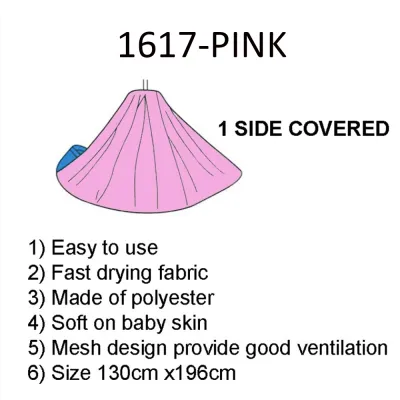
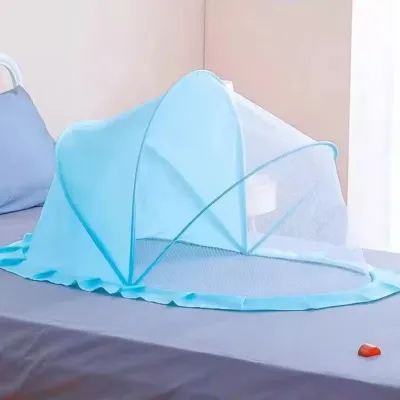
Prices are valid at publication and may change. Please refer to the product page for the latest price.
Pediatricians and environmental health experts advise minimizing a newborn’s exposure to synthetic chemicals and volatile organic compounds. Infant respiratory systems are highly sensitive, and their skin absorbs topical substances much more readily than adult skin. Consequently, physical barriers like a dedicated baby cot mesh are the preferred first line of defense for protecting sleeping infants from insect-borne discomfort.
However, introducing any fabric barrier around a baby’s sleep space requires a careful balance between pest protection and safe sleep practices. The primary risk associated with poor-quality or incorrectly installed netting is the restriction of fresh air circulation. In a humid climate, inadequate ventilation inside the cot can cause heat retention, raising the infant’s body temperature and increasing the risk of sleep-related complications.
During active sleep phases, infants naturally move and flail their limbs, which increases the likelihood of them coming into contact with the sides of the cot. If the netting is loose, sagging, or improperly secured, it presents a severe physical hazard. If an infant manages to pull the fabric into the cot, or if the net collapses, it can drape over the baby’s face, leading to airway obstruction. Understanding how to select a structurally sound and breathable net is therefore critical for maintaining a safe nursery environment.
Essential Safety Features and Mesh Specifications to Verify
When shopping for a baby cot mesh, parents should look past aesthetic appeals and focus on technical specifications. The material must be engineered specifically for infant use, balancing insect exclusion with maximum ventilation.

Mesh Density and Breathability
The effectiveness of a mosquito net depends on its hole density, which is often measured in holes per square inch or holes per square centimeter. For infant cots, the mesh must be fine enough to block small insects like midges and mosquitoes, yet open enough to allow unrestricted airflow. Parents should verify the manufacturer’s technical specifications regarding air permeability rather than relying on visual inspection alone. If the mesh feels stiff, heavy, or resembles dense window screening, it may restrict ventilation, trap exhaled carbon dioxide, and should be avoided.
Material Composition and Chemical Safety
Most high-quality crib netting is constructed from polyester, nylon, or organic cotton blends. Polyester and nylon are favored for their durability, lightweight nature, and resistance to tearing, which is essential for maintaining tension over cot rails. When selecting synthetic fibers, check the product documentation to ensure the material is free from chemical flame retardants, heavy metals, or formaldehydes. If you prefer natural fibers like cotton, ensure the weave is structurally reinforced so it does not sag or warp after washing, especially since babies may occasionally pull the mesh to their mouths.
Strangulation and Entanglement Hazards
A safe baby cot mesh must have a clean, minimalist design with no loose threads, long hanging ties, or small decorative elements like beads or tassels. Long cords or ribbons used to secure the net to the cot frame can pose a serious strangulation risk if they fall within the infant’s reach. Choose designs that utilize short, heavy-duty hook-and-loop fasteners or secure elastic bands that wrap tightly around the exterior of the cot frame, well away from the mattress surface.
Safety Labels and Certifications
Before finalizing any purchase, inspect the packaging or manufacturer’s website for recognized safety certifications. Look for labels indicating compliance with international safety standards, such as the OEKO-TEX Standard 100 for chemical safety, or regional toy and nursery equipment safety standards (such as EN 71 or ASTM). Remember that a brand’s market reputation or premium price tag does not replace verifying the specific product’s safety documentation and age-appropriateness labels.
Comparing Baby Cot Net Designs: Canopy, Fitted, and Pop-Up
The structural design of the netting must match your baby’s developmental stage, mobility level, and the specific architecture of your cot. A design that works well for a stationary newborn may become a safety hazard once the baby learns to roll, sit, or stand.
Draped Canopy Nets (Ceiling or Wall Mounted)
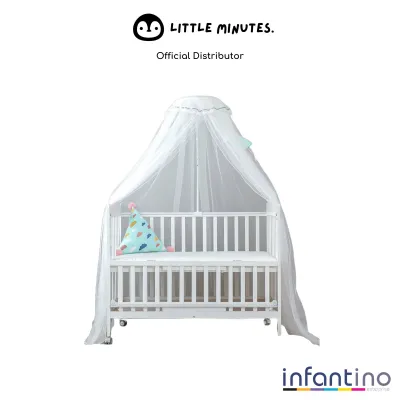
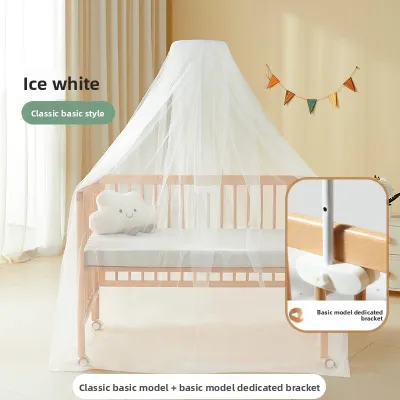
Draped canopy nets are suspended from a ceiling hook or a metal bracket attached directly to the cot’s headboard. They drape elegantly over the entire cot, creating a classic nursery aesthetic. While visually appealing, these nets require meticulous installation and constant supervision.
- Safety Requirements: The hanging hardware must be securely anchored into a wall stud or solid ceiling material to prevent the entire structure from falling. Floor-standing heavy dome bases must be positioned where they cannot be knocked over by older siblings or pets.
- Developmental Limits: This design is only suitable for very young, stationary infants. Once a baby is old enough to reach out, grasp, or pull on objects, a draped canopy must be removed immediately, as the loose fabric can easily be pulled into the cot, creating an entanglement hazard.
Fitted or Enclosure Mesh Covers
Fitted mesh covers are designed to stretch tightly over the top and sides of the cot rails, resembling a fitted bedsheet or a zippered dome. This design is highly practical for active infants who are beginning to sit up or stand.
- Secure Attachment: Because these covers wrap tightly around the exterior of the cot frame, they remain taut and are difficult for a baby to pull inside.
- Zipper and Seam Integrity: Ensure that any zippers are equipped with protective fabric guards on both the inside and outside to prevent the baby's fingers or skin from getting pinched. The mesh must remain highly tensioned across the top of the cot to prevent sagging, though parents must monitor the elastic over time as Singapore's humid climate can cause elastic fibers to degrade.
Pop-Up or Frame-Supported Nets
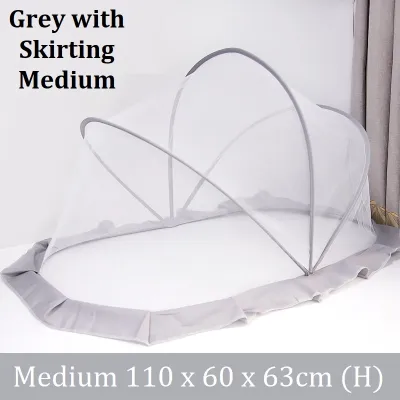
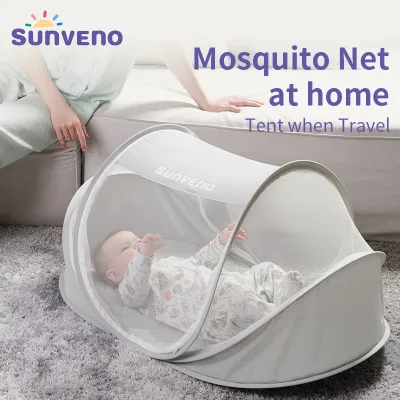
Pop-up nets feature an integrated, flexible wire or plastic frame that springs into shape automatically. These are highly portable and are commonly used for travel cots, playpens, or temporary outdoor setups.
- Frame Stability: Parents must verify that the internal frame is robust and does not have any sharp edges or exposed joints.
- Collapse Risks: Ensure the pop-up mechanism locks securely in place so that the structure cannot accidentally collapse onto the infant if they roll against the side walls. Always supervise your baby closely when using a temporary pop-up net, and avoid using them as a permanent bedding solution.
How to Evaluate Mosquito Net Brands and Parent Reviews
Navigating online marketplaces and local baby retail stores in Singapore can be overwhelming due to the sheer volume of unbranded and white-label products. To make an informed decision, parents must learn to critically evaluate product listings and user feedback.
Analyzing Product Listings
When browsing e-commerce platforms, prioritize listings that provide comprehensive, transparent technical details. A reliable brand will clearly state the exact material composition, dimensions (ensuring compatibility with standard Singaporean cot sizes like 120x60cm or 140x70cm), and explicit safety warnings. Avoid listings that rely on vague descriptions, overly promotional language, or generic stock photos without showing the product installed on a real cot.
Filtering Parent Reviews
Do not rely solely on overall star ratings, as these can be skewed by initial impressions of the packaging or delivery speed. Instead, search the review section for specific terms such as “airflow,” “sweat,” “sagging,” “wash,” and “tear.” Look for feedback from parents living in tropical climates who can verify if the mesh retains heat or if their baby woke up sweaty. Reviews that mention the mesh tearing after a single wash or the elastic losing its tension within a few weeks are clear indicators of poor material quality.
Identifying Red Flags
Be cautious of products that lack clear care labels, country-of-origin information, or manufacturer contact details. A major red flag is any review or product photo showing the netting sagging significantly in the middle or having loose seams where a baby’s fingers could get trapped. If a listing does not specify that the material is non-toxic and lead-free, or if customers report a strong chemical odor upon opening the package, avoid the product entirely.
Safe Installation and Daily Maintenance of Crib Netting
Even the highest-quality baby cot mesh can become a hazard if it is installed incorrectly or neglected. Proper setup and regular maintenance are essential to ensure the physical barrier remains safe and hygienic.
Secure Mounting
Always read and follow the manufacturer’s official installation manual before setting up the net. If you are using a bracket-mounted canopy, ensure all screws and clamps are tightened completely and checked weekly for looseness. When adjusting the cot mattress height as your baby grows, remember to adjust the mounting height of the net accordingly. Any adjustment cords, pull strings, or excess fabric must be tied off and tucked securely outside the cot, entirely out of the baby’s line of reach.
Daily Safety Checks
Incorporate a quick safety inspection of the cot mesh into your daily routine. Before placing your baby down for a nap or night’s sleep, run your hand along the seams and check the tension points. Look for small tears, run threads, or holes that could allow insects to enter or snag the baby’s fingers. Ensure the elastic bands or fasteners are holding the net tautly against the frame and that there is no sagging fabric near the mattress. If any damage is found, do not attempt to patch it with unsafe tape or glue; suspend use immediately and replace the net.
Cleaning Routines
Fine mesh fabric easily traps dust, pet dander, and airborne allergens, which can affect your baby’s respiratory health. To maintain optimal hygiene and airflow, establish a regular cleaning schedule.
- Check Instructions First: Before washing, always check the applied product's care label and the treated item's manufacturer instructions.
- Washing Protocol: If instructions allow, hand wash the mesh in cool water using a mild, baby-safe detergent, or place it inside a delicate laundry bag for a gentle machine cycle.
- Drying and Inspection: Air dry the mesh completely in a well-ventilated area away from direct, intense sunlight, which can degrade synthetic fibers. Once dry, inspect the mesh for any shrinkage or structural warping before reinstalling it. If the manufacturer's care instructions conflict with general guidelines, or if the item is unidentified, stop and consult the manufacturer or a qualified professional.
Frequently Asked Questions (FAQ)
Can I use a regular adult mosquito net for a baby cot?
No, using a standard adult mosquito net over a baby cot is highly unsafe. Adult nets are typically designed with a large volume of excess fabric that can easily pool inside the cot, creating a major suffocation and entanglement hazard for an infant. Furthermore, adult nets are often made from heavier materials that do not provide the high level of air permeability required for safe infant sleep, and they frequently feature long hanging cords that pose a severe strangulation risk. Always use a net specifically engineered and sized for baby cots.
Are magnetic closure mosquito nets safe for infants?
While magnetic closures offer convenient, quick-access entry for parents, they carry significant safety risks that must be carefully managed. If a magnet becomes loose and is swallowed by an infant, it can cause life-threatening internal injuries. If you choose a net with magnetic closures, you must verify that the magnets are heavily encased within multiple layers of durable, reinforced fabric and inspect them daily for any signs of wear or tearing. Additionally, ensure the magnetic seal is completely seamless, as any gaps can allow mosquitoes to enter the cot.
How often should I wash the baby cot mesh?
As a general guideline, washing the baby cot mesh every two to four weeks is recommended to prevent the accumulation of dust, allergens, and lint, which can restrict airflow. However, the exact washing frequency and method must strictly follow the specific manufacturer’s care instructions to avoid shrinking or weakening the fibers. If the mesh becomes soiled with spit-up, formula, or sweat, it should be washed immediately following the recommended safety protocols to maintain a hygienic sleeping environment.
Community discussion
Share your experience or ask a question. Comments are reviewed before publication.