
Welcoming a newborn into your home involves preparing a safe, comfortable, and highly functional nursery environment. In Singapore, where space-efficient living and a warm, humid climate shape our household choices, selecting the right baby changing pad is a critical decision for daily comfort and hygiene. A dedicated changing pad provides a secure, cushioned, and easily cleanable surface for the thousands of diaper changes you will perform during your baby’s first year. By focusing on material safety, structural stability, and your specific home layout, you can find a solution that keeps your newborn safe and makes diaper duties seamless.
Key Features to Look for in a Newborn Changing Pad
When evaluating changing pads, the surface material is your first line of defense against both messes and skin irritation. Because a newborn’s skin is exceptionally delicate and thin, the outer cover must be smooth and free from harsh chemical finishes. Look for materials that offer reliable waterproofing without relying on potentially irritating synthetic coatings. In Singapore’s humid environment, a non-porous, water-resistant surface is essential to prevent liquids from seeping into the inner cushioning, which can quickly lead to deep-seated moisture retention and unpleasant odors.
Wipeability is another non-negotiable feature for daily convenience. A high-quality pad should allow you to clean up sudden messes instantly with a simple swipe of a baby-safe wipe or a damp cloth. Materials that require complex washing routines or take hours to air-dry can disrupt your daily schedule. Additionally, check the material’s resistance to staining and odor absorption; high-density outer layers tend to repel pigments and liquids much better over months of heavy use.
Products mentioned in this guide
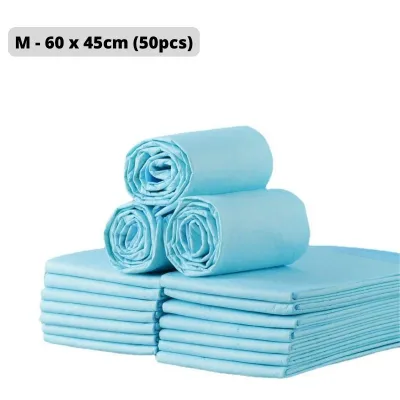
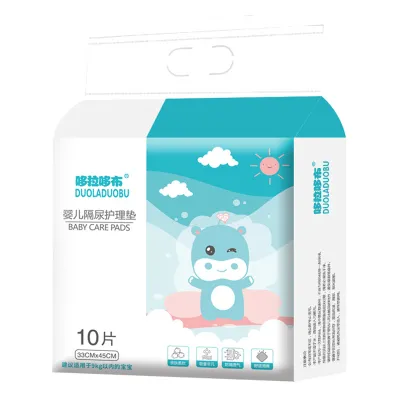
![[3 for $9.90] Waterproof Reusable Baby Diaper Changing Mats 50x70cm Pads For Nappy Change Sleep Travel Friendly](https://img.lazcdn.com/g/p/45fe80dd4dd5a3c3d9dd3dfc78ab64af.png_400x400q80.png_.webp)
Prices are valid at publication and may change. Please refer to the product page for the latest price.
Physical safety features are paramount when choosing a pad for an active newborn. Contoured designs with raised outer edges or curved sides help keep your baby centered on the pad, reducing the risk of sudden rolling. While these contours provide a helpful physical barrier, they do not replace active supervision, but they do offer an extra layer of structural security during quick movements. Ensure the slope of the contour is gentle yet supportive enough to cradle your baby comfortably.
In addition to physical contours, you should verify the chemical safety certifications of the materials used in the pad’s construction. Look for products that list certifications such as OEKO-TEX Standard 100 or GREENGUARD Gold on their labels, which indicate that the materials have been tested for harmful substances and emissions. While these certifications are dynamic and subject to change, verifying them on the manufacturer’s official website before purchasing provides peace of mind regarding the chemical safety of the surface your baby lies on.
Finally, you must carefully verify the external dimensions of any changing pad before making a purchase. Measure your existing nursery chest of drawers, dedicated changing table, or the specific flat surface you plan to use. A pad that is too large for its base can overhang, creating an unstable and highly dangerous tilting hazard. Conversely, a pad that is too small may slide around during use unless it is equipped with highly effective non-slip grip material on the underside or physical mounting straps.
Types of Baby Changing Pads and Their Use Cases
Selecting the ideal changing pad format depends heavily on your living arrangements, daily routines, and how much space you can allocate to a stationary setup. Different designs cater to stationary nursery setups or highly mobile lifestyles.

While contoured pads and flat mats are the most common choices, some parents also consider hybrid options or changing baskets made of natural woven materials. These alternative formats often require a separate, custom-fitted waterproof mattress pad inside them to function effectively. Regardless of the style you choose, the primary goal remains the same: establishing a stable, hygienic, and secure surface that accommodates your newborn’s size and your home’s spatial constraints.
Contoured Changing Pads
Contoured changing pads are the traditional choice for a dedicated, stationary nursery setup. These pads typically feature two or three raised sides, creating a secure, shallow valley where your newborn rests comfortably during changes. Because of their semi-rigid structure and thicker foam cushioning, they are designed to stay in one place, usually atop a dedicated changing table or a securely anchored dresser topper.
When choosing a contoured pad, it is essential to inspect the underside for secure strap anchor points or non-skid fabric. Many models include physical safety straps that screw directly into the back of your wooden furniture to prevent the entire pad from sliding. These pads offer excellent long-term comfort and support for your baby, but they take up a significant amount of horizontal space and are not practical for travel or moving from room to room.
Flat and Portable Changing Mats
For families living in compact apartments or those who prefer a flexible, multi-room setup, flat and portable changing mats offer an excellent alternative. These mats are lightweight, highly flexible, and often designed to fold or roll up into a compact shape that fits easily into a diaper bag or a small storage drawer. They allow you to transform almost any flat, stable surface—such as a bed, a clean floor, or a living room rug—into a temporary changing station.
Because flat mats lack raised, contoured edges, they require absolute, uninterrupted caregiver supervision. You must keep at least one hand on your baby at all times to prevent rolling or sudden movement off the mat. Despite this limitation, their portability makes them indispensable for outings around Singapore or for quick transitions between the living room and the bedroom. Look for options with a slightly cushioned inner layer to provide basic comfort on hard surfaces, and ensure the outer material is just as easy to wipe down as a stationary pad.
Safety Standards and Manufacturer Checks
Before finalizing any changing pad purchase, you must thoroughly investigate the product’s safety credentials and physical construction. Do not rely solely on marketing claims or attractive designs; instead, locate and read the manufacturer’s official safety labels, age recommendations, and maximum weight limits printed on the packaging or in the user manual. These specifications are calculated based on structural testing, and exceeding them can compromise the pad’s stability or support.
Inspect the integrated restraint system with care. If the pad features a safety strap to secure the baby around the waist, test the buckle mechanism to ensure it latches securely and releases smoothly without risk of pinching your baby’s skin. The straps should be fully adjustable to accommodate your growing newborn. Remember that a safety strap is designed to assist in keeping the baby positioned, but it is never a substitute for your direct physical contact and supervision.
Always look for explicit manufacturer warnings regarding proper placement. A safe changing pad should always be placed on a completely flat, stable, and level surface that can fully support the weight of both the pad and your baby. Never place a changing pad on elevated surfaces like sofas, chairs, or countertops where a sudden shift could cause the pad to slide off the edge.
In addition to checking the physical features, it is vital to verify whether the specific model has been subject to any recent product recalls. You can check official government safety databases or the manufacturer’s dedicated recall page to ensure the model you are considering is fully compliant with current safety regulations. This step is especially critical if you are purchasing an imported model that may not have undergone local retail screening.
Be exceptionally cautious regarding second-hand changing pads. While hand-me-downs are common, older pads carry hidden risks that are not always visible at a glance. Over time, the internal foam can degrade, losing its supportive properties or harboring deep-seated mold and bacteria from past spills, especially in Singapore’s humid climate. Furthermore, older pads may have micro-tears in the waterproof lining, missing safety straps, or worn-out non-slip backing, making them unsafe for a newborn.
Building Your Shortlist: Where and How to Shop in Singapore
When shopping for a baby changing pad in Singapore, prioritizing authorized and reputable retail channels is the best way to ensure you receive a genuine, safe product. Focus your search on official brand stores, authorized mother-and-baby specialty retailers, and established local department stores. Purchasing from these verified sources guarantees that the product meets local safety expectations and has been stored and transported under clean, climate-controlled conditions.
Before completing your purchase, take the time to verify the retailer’s return and exchange policies. Because changing pads are hygiene-sensitive nursery items, many stores enforce strict return conditions, often refusing returns once the original packaging has been opened. Understanding these rules beforehand is crucial, especially if you need to double-check the pad’s physical dimensions against your nursery furniture at home.
If you choose to browse online marketplaces or e-commerce platforms, use the review sections strategically. Rather than focusing only on overall star ratings, filter the reviews to look for specific, recurring user feedback. Pay close attention to comments mentioning material peeling, strong chemical odors upon unboxing, or safety strap buckles that break easily. These real-world observations can help you filter out products that may look appealing online but fail to perform under daily use.
Avoid unverified third-party sellers on online platforms, particularly those offering unusually low prices for well-known brands. These sellers often cannot provide proof of authenticity, clear product origins, or reliable local after-sales support. Investing in a changing pad from a reputable seller ensures that you have access to customer service if you encounter a manufacturing defect or require replacement parts.
Setting Up and Maintaining Your Changing Station
Proper installation and consistent maintenance are vital to keeping your changing station safe and hygienic over months of constant use. When setting up your stationary pad, always follow the manufacturer’s precise instructions for securing it to your changing table or dresser. If the pad comes with mounting brackets, fabric straps, or adhesive strips, install them fully. Ensuring a rigid, non-slip connection between the pad and the furniture prevents dangerous shifting when your baby wiggles.
Establish a strict daily cleaning protocol to maintain a sanitary environment. For routine cleanups, use baby-safe, alcohol-free wipes or a soft cloth dampened with mild soap and warm water. Avoid using harsh household chemical cleaners, bleach, or abrasive scrubbing pads, as these can rapidly degrade the waterproof polyurethane or vinyl coating, leading to cracking and peeling. Once the surface is wiped down, allow it to air-dry completely before placing a cover or your baby back on the pad.
Regularly inspect the changing pad for subtle signs of wear and tear. Check the seams, corners, and safety strap attachment points for any fraying, cracking, or separation. In Singapore’s humid climate, even a tiny crack in the waterproof outer layer can allow moisture to enter the internal foam, creating an ideal breeding ground for mold and bacteria that cannot be cleaned out.
Determine clear replacement triggers to protect your baby’s health and safety. If you observe deep tears in the outer cover, persistent stains that emit an odor, flaking waterproof coatings, or exposed internal foam, you must replace the pad immediately. Additionally, if the safety buckle cracks or the non-slip backing loses its grip, do not attempt makeshift repairs; instead, transition to a new, fully functional changing pad to ensure your newborn remains perfectly safe during every diaper change.
Frequently Asked Questions (FAQ)
Do I really need a dedicated changing pad, or can I use a regular towel?
While a regular towel can serve as a temporary surface in an emergency, it is not a safe or practical solution for routine, daily diaper changes. Dedicated changing pads are engineered with waterproof materials that contain fluids and prevent them from soaking through to your furniture, whereas a towel will quickly absorb liquids and transfer them directly to the surface underneath. Furthermore, towels lack essential safety features such as contoured edges, non-slip backings, and adjustable restraint straps, making them highly prone to sliding around when your baby moves. Investing in a dedicated pad ensures a hygienic, stable, and secure environment for every change.
How often should I replace my baby's changing pad?
There is no fixed chronological timeline for replacing a changing pad, as its lifespan depends heavily on the frequency of use, cleaning habits, and material quality. Instead of relying on a specific number of months, you should base your decision on regular physical inspections. You must replace the pad immediately if you notice any deep cracks, peeling waterproof layers, exposed internal foam, or broken safety straps. If the pad no longer sits completely flat and secure on your changing table, or if it has developed a persistent odor that does not fade after cleaning, it has reached the end of its safe usability and should be replaced to maintain proper hygiene.

Community discussion
Share your experience or ask a question. Comments are reviewed before publication.