
Choosing the right baby food is a pivotal step in your child’s developmental journey. When exploring the popular Alamii range of baby snacks and food products, selecting the ideal option depends on matching your child’s age, oral motor skills, and nutritional requirements with the correct product textures. While age indicators on packaging provide a useful starting point, observing your baby’s physical readiness is the most reliable way to ensure a safe and positive transition to solid foods.
In Singapore, parents are increasingly looking for clean-label, convenient options to complement home-prepared meals during the weaning process. The Alamii brand has become a familiar sight on local shelves, offering a variety of rice puffs and snacks designed to support different stages of early childhood development. Navigating these options requires a clear understanding of when your baby is ready to transition from smooth purees to meltable finger foods. By aligning these products with your baby’s developmental milestones, you can foster independent feeding skills while prioritizing safety and nutrition.
Understanding Your Baby's Developmental Stages and Nutritional Needs
Introducing solid foods, often referred to as weaning, is a gradual process that typically begins around six months of age. Prior to this milestone, breast milk or infant formula provides all the necessary hydration and nutrients your baby requires. As your baby approaches the half-year mark, their natural iron stores begin to deplete, making the introduction of nutrient-dense solids essential to support rapid brain and physical development.
Products mentioned in this guide
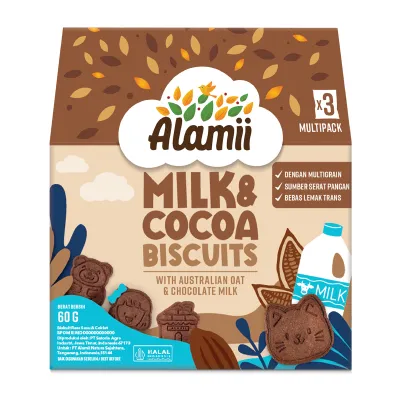
![FREE mini puff [HALAL] Alamii Biscuits](https://img.lazcdn.com/g/p/072fb43179412f33cd83e0bb4c502763.jpg_400x400q80.jpg_.webp)
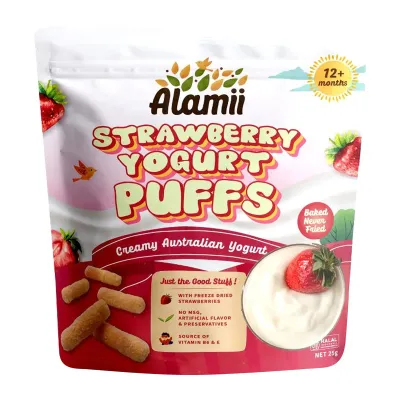
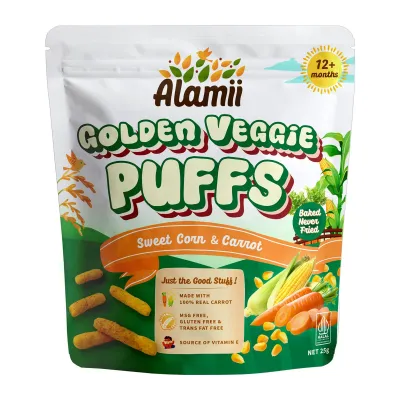
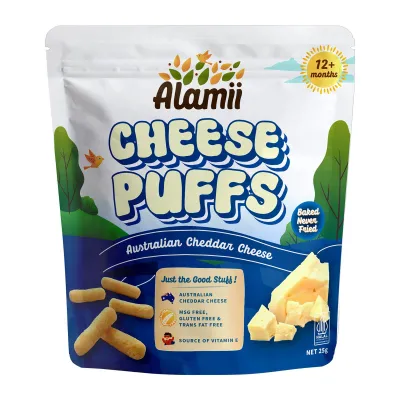
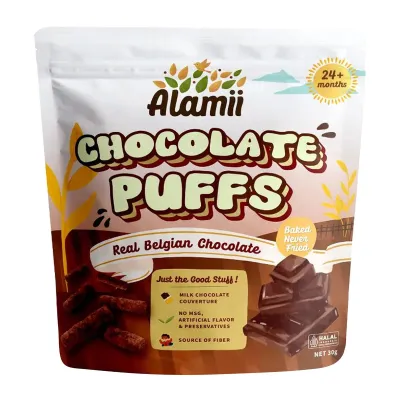
Prices are valid at publication and may change. Please refer to the product page for the latest price.
Recognizing the physical signs of readiness is crucial before offering any solid foods or snacks. Your baby should be able to sit upright with minimal support and maintain good head and neck control to swallow safely. Another vital indicator is the disappearance of the tongue-thrust reflex, which naturally prevents infants from choking by pushing foreign objects out of their mouths. If your baby eagerly watches you eat, reaches for food, and can coordinate their eyes, hands, and mouth to take food, they may be ready to start their weaning journey.
As your baby grows, their nutritional priorities shift from simple caloric intake to a demand for varied textures and micronutrients. Iron-rich foods remain a top priority, alongside healthy fats and proteins that fuel active growth. Introducing a wide array of natural flavors during the early months of weaning helps shape your child’s palate, reducing the likelihood of picky eating habits later in childhood. This period is not just about nutrition; it is also a critical window for oral motor development, where babies learn to move food from the front of the mouth to the back to swallow.
It is important to remember that every baby develops at their own individual pace. While age recommendations on baby food packaging, such as those on Alamii products, offer helpful guidance, they should never supersede your observation of your child’s unique abilities. A baby who is not yet sitting stably or showing interest in finger foods should not be rushed into eating advanced textures, regardless of what the age label suggests. Always consult your pediatrician or a maternal health nurse if you are unsure about your baby’s readiness for specific food stages.
How to Match Alamii Product Textures and Ingredients to Each Stage
Selecting the right baby food involves matching the physical texture of the food to your baby’s current oral motor capabilities. Offering textures that are too advanced can pose a choking hazard, while delaying texture progression can hinder the development of essential chewing and speech muscles. Understanding how to read and interpret the stage indicators on packaging allows you to make informed decisions that support your baby’s natural progression.

Stage 1: First Tastes and Smooth Purees (Around 6 Months)
At the very beginning of the weaning journey, your baby’s digestive system and oral motor skills are adapted only for the simplest textures. The focus during this initial stage is entirely on single-ingredient foods or very basic mixtures that have been blended into a completely smooth, runny, and lump-free consistency. These early feedings are designed to teach your baby how to swallow non-liquid foods rather than to provide substantial calories.
During this initial phase, the primary nutritional goal is to introduce iron-dense ingredients to replenish your baby’s natural reserves. Many parents begin with single-grain infant cereals that are iron-fortified, or smooth purees made from naturally iron-rich foods like pureed meats, lentils, or dark green vegetables. Introducing one ingredient at a time allows you to monitor your baby for any adverse reactions or sensitivities before moving on to more complex combinations.
When browsing baby food options for this stage, look for clear indicators such as ‘Stage 1’ or ‘6+ months’ on the packaging. It is vital to read the ingredient list carefully to verify that the product contains no added sugars, salt, or artificial preservatives, which are inappropriate for an infant’s developing kidneys and metabolic system. At this six-month mark, dry finger foods like puffs or biscuits are generally not suitable, as babies have not yet developed the ability to chew or manage dry textures safely.
Stage 2: Thicker Textures and Mixed Flavors (Around 7 to 9 Months)
As your baby masters the art of swallowing smooth purees, they will begin to show readiness for more complex culinary experiences. Around seven to nine months, babies typically start developing chewing motions, even before their first teeth emerge, using their gums to mash food. This is the ideal time to transition to Stage 2 foods, which feature thicker, mashed consistencies and very soft, tiny lumps that encourage active tongue movement.
This stage is also an excellent opportunity to expand your baby’s palate by introducing mixed flavor profiles and a wider variety of ingredients. You can begin offering combinations of fruits, vegetables, grains, and proteins, alongside mild, baby-safe herbs and spices to encourage flavor acceptance. Introducing textured foods at this stage helps prevent texture aversion later on and supports the development of the jaw muscles necessary for speech.
For babies in this stage who have demonstrated the ability to mash soft foods with their gums, melt-in-the-mouth snacks like certain Alamii Rice Puffs can be introduced under close supervision. These puffs are specifically designed to dissolve quickly when in contact with saliva, minimizing safety risks while helping babies practice picking up small items. When selecting these products, look for options labeled for older infants, and ensure they are free from artificial additives and excessive sodium to keep your baby’s diet clean and nutritious.
Stage 3: Chunky Textures and Finger Foods (10 Months and Beyond)
By the time your baby reaches ten months and approaches toddlerhood, they are usually eager to assert their independence at the dining table. Stage 3 is characterized by chunky textures, minced meals, and soft finger foods that your baby can feed themselves. This stage aligns with the development of the pincer grasp, where your baby uses their thumb and index finger to pick up small objects.
Offering a variety of manageable finger foods is essential for refining your baby’s fine motor skills and hand-eye coordination. Foods should be soft enough to be easily mashed between your fingers and cut into small, bite-sized pieces that do not require extensive biting. This sensory exploration of touching, picking up, and feeding themselves different shapes and textures is a fundamental part of building a healthy relationship with food.
When choosing packaged snacks or meals for older babies, it is crucial to remain vigilant about nutritional content, particularly sodium levels. As children transition to more complex family-style foods, packaged items may contain slightly more seasoning to appeal to older palates. Carefully inspect the nutritional information panel to ensure that the sodium content remains well within safe pediatric guidelines for infants under one year of age.
Reading Labels and Checking Ingredients: A Parent's Checklist
Navigating the baby food aisle can feel overwhelming with the array of marketing claims displayed on packaging. To make the best choices for your family, it is essential to look past front-of-pack advertising and focus on the ingredient list and nutritional information panel. Developing a systematic approach to reading food labels ensures that you know exactly what is going into your baby’s body.
Prioritize Whole Foods and Understand Weight Order
- Check the First Ingredients: Ingredients on food labels are listed in descending order by weight. The first three to four ingredients should always be recognizable, whole foods such as whole grains, fruits, vegetables, or high-quality proteins.
- Identify Hidden Sugars: Be cautious of products that list fruit juice concentrates, purees, or syrups near the top of the ingredient list. While these may sound natural, they function as added sugars and can contribute to a preference for overly sweet flavors.
- Watch for Additives: Avoid products containing unnecessary fillers, starches, artificial colorings, artificial flavors, or chemical preservatives. A short, simple ingredient list is generally a sign of a more wholesome product.
Identify and Manage Potential Allergens
- Scan for Common Allergens: Look for bolded text or a dedicated allergy statement indicating the presence of common allergens such as dairy, gluten, soy, eggs, fish, shellfish, peanuts, or tree nuts.
- Understand Precautionary Labeling: Pay attention to warnings such as 'may contain' or 'manufactured in a facility that processes…' These statements indicate a potential risk of cross-contamination, which is critical if your baby has a diagnosed food allergy.
- Introduce Allergens Intentionally: When introducing potential allergens, do so individually and in small amounts at home, rather than through complex packaged blends, so you can easily identify the source of any reaction.
Verify Nutritional Value and Safety Certifications
- Look for Essential Nutrients: Check the nutritional panel for the amounts of iron, calcium, vitamin D, and dietary fiber per serving. These nutrients are vital for supporting your baby's rapid growth and skeletal development.
- Check Sodium and Sugar Levels: Ensure that the sodium content is minimal and that there are zero grams of added sugars per serving. Infants require very little sodium, and excessive intake can strain their kidneys.
- Verify Safety and Quality Marks: In Singapore, parents should look for products that comply with local food safety standards and check for reputable certifications on the packaging. Ensure the packaging seal is completely intact and shows no signs of bloating, leaking, or damage before purchasing.
Feeding Safety and Transitioning Tips
Introducing solids is an exciting milestone, but it requires a careful approach to ensure safety and foster positive eating habits. Establishing a consistent routine and following key safety guidelines will help you navigate this transition with confidence.
When introducing new foods, it is highly recommended to follow the ‘one new ingredient at a time’ rule. If you are combining commercial baby foods, such as Alamii puffs or purees, with homemade meals, introduce each new component separately over a period of three to five days. This systematic approach allows you to closely monitor your baby for any signs of an allergic reaction, such as skin rashes, vomiting, diarrhea, or breathing difficulties, making it much easier to pinpoint the culprit if a reaction occurs.
Maintaining strict hygiene and safe serving practices is essential to protect your baby’s developing immune system from foodborne illnesses. Always wash your hands thoroughly with soap and water before preparing or serving food. When using packaged baby food, transfer the desired portion to a clean, separate bowl rather than feeding your baby directly from the container. This prevents saliva from the baby’s spoon from contaminating the remaining food in the original packaging, which can introduce bacteria and cause the food to spoil quickly.
Supervision is the single most important safety measure during meal times. Your baby must always be seated completely upright in a secure highchair, never lying down or reclining while eating, to minimize the risk of choking. It is also important for parents to understand the difference between normal gagging and actual choking. Gagging is a loud, active, and normal protective reflex that helps your baby manage new textures, whereas choking is silent, quiet, and requires immediate, life-saving intervention.
Paying attention to your baby’s satiety cues is vital for developing healthy self-regulation and preventing overfeeding. Signs that your baby has had enough to eat include turning their head away from the spoon, closing their mouth tightly, pushing food away, or becoming easily distracted. Never force your baby to finish a portion or pressure them to eat when they show signs of fullness. If your baby consistently refuses food, shows signs of distress, or if you have concerns about their growth or physical development, consult a pediatrician or a qualified healthcare professional for personalized guidance.
Frequently Asked Questions (FAQ)
Can I mix commercial baby food with breast milk or formula?
Yes, mixing commercial baby food with breast milk or infant formula is a safe and effective way to adjust the texture of purees or cereals for your baby. Adding a familiar liquid can make new foods taste more recognizable, helping to ease the transition to solids. To maintain food safety, only mix the specific portion your baby is about to consume immediately, and discard any leftovers, as breast milk and formula can harbor bacteria once mixed with food and saliva.
How long can I keep an opened pouch or jar of baby food?
Once a commercial baby food pouch or jar has been opened, it should be covered, refrigerated immediately, and consumed within the timeframe specified on the product label, which is typically 24 to 48 hours. Never store leftover food that has come into contact with your baby’s saliva, as this introduces bacteria that can multiply rapidly even in the refrigerator. In Singapore’s warm and humid climate, proper storage is even more critical to prevent rapid bacterial growth, and any baby food left at room temperature for more than two hours must be discarded.
What should I do if my baby refuses a specific flavor or texture?
Food refusal is a completely normal part of a baby’s developmental journey as they explore unfamiliar tastes and textures. It can take up to ten to fifteen separate exposures to a new food before a baby learns to accept and enjoy it. If your baby rejects a specific flavor, take a break without showing frustration, and try offering it again a few days later. You can also try mixing a small amount of the new food with a familiar, well-loved favorite to help them adapt gradually.
Community discussion
Share your experience or ask a question. Comments are reviewed before publication.