
When baby-proofing your home, sharp furniture edges represent one of the most immediate physical hazards for a developing child. As infants transition from crawling to cruising and eventually walking, their spatial awareness and balance are still developing, making accidental bumps against coffee tables, TV consoles, and low shelves highly common.
Selecting a corner guard that utilizes reliable adhesive technology, such as 3M adhesive backing, is a practical step toward minimizing impact injuries. However, finding the right solution requires looking beyond a single brand name to evaluate how different materials, shapes, and adhesive types interact with your specific household environment.
There is no single universal option that works perfectly for every piece of furniture or every stage of childhood. A guard that adheres securely to a laminate desk might easily peel off an oiled solid wood table, while a thick foam protector that works well on a low coffee table might be too bulky or visually disruptive for a glass dining table.
Products mentioned in this guide
![Edge Protector 3M Tape [ U L M High Density Foam Corner 2m 4m Toddler Baby Safety Guards Collision ]](https://img.lazcdn.com/g/p/37567a9b000c3e30490abb78b538ddf4.jpg_400x400q80.jpg_.webp)
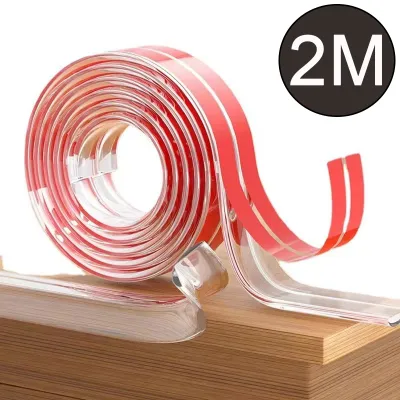
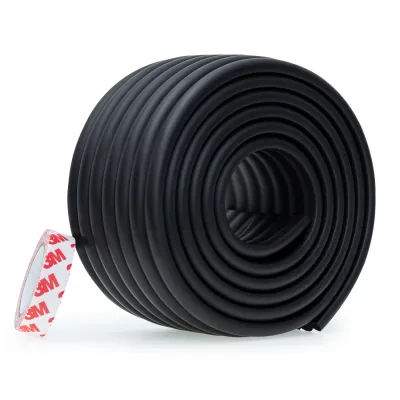
Prices are valid at publication and may change. Please refer to the product page for the latest price.
To make an informed decision, you must assess your furniture’s material composition, the geometry of its edges, and your child’s current physical capabilities. By understanding these variables, you can select and install corner guards that provide reliable protection without causing unnecessary damage to your home’s interior finishes.
Comparing 3M Corner Guard Materials and Profiles
The material composition of a corner guard directly influences its ability to absorb impact energy and how well it integrates visually with your home decor. The most common materials available on the market include nitrile butadiene rubber (NBR) foam, clear polyvinyl chloride (PVC), and thermoplastic rubber.
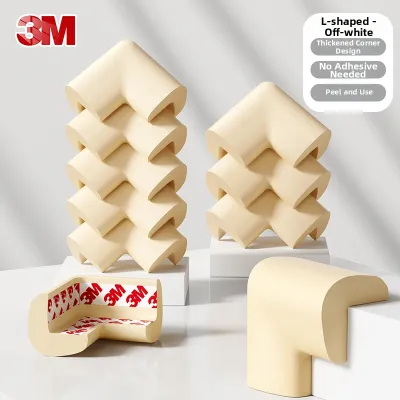
Dense foam guards are highly effective at absorbing heavy impacts because their cellular structure compresses under force. This makes them excellent choices for low-level furniture where toddlers are most likely to fall from a standing position. However, foam guards are typically bulky and highly visible, which may not appeal to parents seeking a more discreet baby-proofing solution.
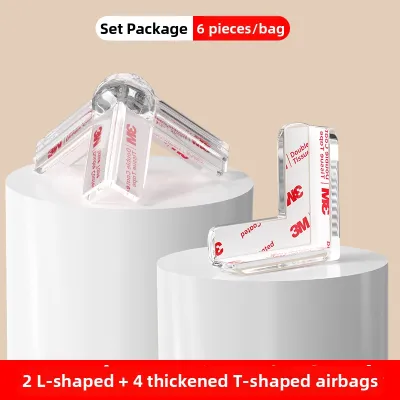
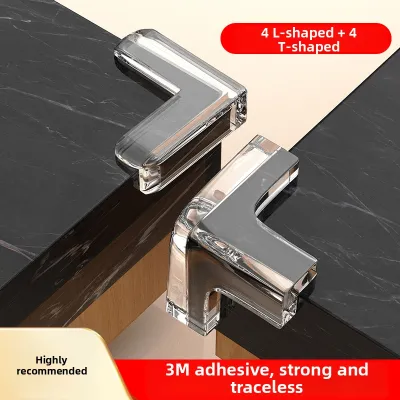
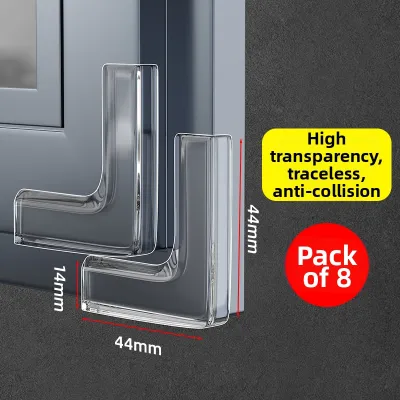
For a more subtle appearance, clear PVC or silicone corner guards offer a transparent alternative that allows the natural wood grain or color of your furniture to remain visible. These materials are firmer than dense foam, meaning they do not absorb impact energy to the same degree, but they are highly effective at blunting the sharp point of a corner to prevent lacerations.
Clear guards are particularly suitable for higher surfaces, such as dining tables or kitchen countertops, where older toddlers might bump their heads while running. When selecting these materials, it is essential to verify the manufacturer’s specifications regarding thickness and density to ensure the material is robust enough to cushion an impact based on your child’s weight and activity level.
Beyond material composition, the physical profile of the guard must match the geometry of the furniture edge you intend to cover. Standard L-shaped profiles are designed to wrap around classic 90-degree edges, providing coverage for both the top surface and the vertical side of the furniture.
If you have thin glass tabletops or metal shelving, a U-shaped profile is often more appropriate, as it wraps completely around the top, edge, and bottom of the surface to prevent the guard from being easily pushed off. For isolated sharp corners rather than long edges, spherical or ball-shaped guards provide targeted protection without requiring you to cover the entire perimeter of the furniture.
Before purchasing any corner guard, take precise measurements of your furniture’s edge thickness and compare them with the product’s internal dimensions. A guard that is too small will not seat properly, creating air gaps that weaken the adhesive bond and make it easier for a curious child to pull off.
Conversely, a guard that is too large will overhang the edge, creating a leverage point that can cause the guard to peel away when bumped or tugged. Matching the guard’s profile to the exact shape of your furniture ensures a snug fit that maximizes both safety and durability.
Matching Adhesive Types to Furniture Surfaces
The effectiveness of any corner guard is heavily dependent on the adhesive that secures it to the furniture. Many high-quality corner guards utilize 3M double-sided tapes, which are engineered to provide strong shear strength to resist lateral pulls from children.

However, different furniture finishes react differently to adhesive compounds, making it crucial to match the tape type to your specific surface material. For instance, solid wood furniture finished with natural oils or waxes can repel standard adhesives, requiring thorough surface preparation or specialized high-tack tapes to achieve a secure bond.
Delicate surfaces, such as wood veneers, paper laminates, or painted metals, require careful consideration to prevent permanent damage when the guards are eventually removed. Strong acrylic-based adhesives can bond so deeply to these surfaces that removing them may pull up the veneer or strip the paint.
For these sensitive finishes, look for pressure-sensitive adhesives designed for clean removal, or consider using a milder double-sided tape that balances holding power with surface preservation. Glass and high-pressure laminates, being non-porous and highly stable, can tolerate stronger adhesives, but they must be completely free of oils, dust, and cleaning chemical residues before application.
Before applying adhesive to any visible part of your furniture, always perform a pre-application test on an inconspicuous area, such as the underside of a table leg or the back of a cabinet. Apply a small piece of the adhesive tape, leave it in place for 24 hours, and then gently remove it to check if it lifts the finish, leaves an unmanageable residue, or causes discoloration.
This simple check can save valuable furniture from costly damage. Additionally, ensure the surface is thoroughly cleaned with a mild cleaning agent or isopropyl alcohol, provided the furniture manufacturer’s care instructions permit its use, to remove any polish or dust that could interfere with the chemical bond.
Environmental conditions within your home can also impact how well an adhesive performs over time. In regions with high humidity, such as Singapore, moisture in the air can interfere with the curing process of certain adhesives, leading to premature peeling.
Heavily textured surfaces, such as rustic reclaimed wood or embossed laminates, present less surface area for the adhesive to contact, which significantly reduces the overall bond strength. In these scenarios, standard thin adhesive tapes may fail, and you may need to look for thicker, conformable acrylic foam tapes that can expand into the texture of the surface to create a reliable seal.
Installation Best Practices and Ongoing Maintenance
Proper installation is critical to ensuring that your corner guards remain securely in place and perform as intended when an impact occurs. Begin by thoroughly cleaning the target surface to remove all dust, grease, and furniture polish, as even a microscopic layer of debris can prevent the adhesive from bonding correctly.
Once the surface is completely dry, measure the area carefully and cut the corner guard to the exact length required using sharp utility shears. If you are using individual corner protectors, dry-fit them first to confirm alignment before exposing the adhesive backing.
When you are ready to apply the guard, peel the protective liner from the adhesive tape, taking care not to touch the sticky surface with your fingers, as skin oils will weaken the bond. Align the guard precisely with the edge of the furniture and press it firmly into place.
Apply consistent, heavy pressure along the entire length of the guard for at least 30 seconds to activate the pressure-sensitive adhesive. Most high-performance adhesives require a specific curing period—typically 24 hours—to reach their maximum bond strength.
It is highly recommended to perform this installation in the evening or during a time when your child will not have access to the area, allowing the adhesive to cure undisturbed.
Once installed, corner guards require regular inspection to ensure they continue to provide adequate protection as your child grows and becomes more active. Establish a weekly routine to check each guard for signs of peeling edges, cracking material, or loose fits.
Toddlers are naturally curious and may attempt to bite, pull, or pick at the guards, which can lead to material degradation. If a foam guard becomes torn or has chunks bitten out of it, it immediately becomes a serious choking hazard and must be replaced without delay.
Knowing when to stop using a specific corner guard is just as important as installing it correctly. If a guard repeatedly peels off, do not attempt to re-secure it with household glue or tape that is not rated for child safety, as these can contain harmful chemicals or fail unexpectedly under impact.
Instead, remove the compromised guard entirely, clean the surface thoroughly to remove all old adhesive residue, and apply a fresh guard with new child-safe adhesive. If your child has developed the strength to easily pull the guards off despite proper installation, it may be time to re-evaluate the material type or transition to a different baby-proofing strategy.
Safe Removal and Transitioning Out of Baby-Proofing
As children grow, their physical coordination, balance, and spatial awareness naturally improve, reducing the frequency of accidental bumps and falls. Typically, around the age of two to three years, most toddlers have transitioned to steady walking and running, and their height will have surpassed the level of low coffee tables and sharp cabinet corners.
When you observe that your child consistently navigates around furniture without bumping into it, you can begin planning the gradual removal of corner guards, starting with lower-risk areas and monitoring how they adapt to the change.
To remove adhesive-backed corner guards without damaging your furniture’s finish, avoid pulling them off forcefully. Instead, use a hair dryer set to a low or medium heat setting to gently warm the guard and soften the underlying adhesive.
Hold the dryer a safe distance from the furniture to prevent overheating the wood or cracking glass surfaces. Once the adhesive becomes warm and pliable, slowly peel the guard away from one end, applying steady, gentle pressure.
If you encounter resistance, apply a bit more heat rather than pulling harder, which could tear the wood grain or lift the veneer.
After the guard is removed, some adhesive residue will likely remain on the surface. To clean this up safely, always consult your furniture manufacturer’s care instructions first to identify approved cleaning agents.
For many finishes, applying a small amount of vegetable oil, mineral oil, or a mild, wood-safe adhesive remover to a soft microfiber cloth is highly effective at lifting the residue without stripping the varnish. Gently rub the area in the direction of the wood grain, then wipe it clean with a damp cloth and mild soapy water, drying the surface immediately afterward to prevent moisture damage.
Before completely dismantling your baby-proofing setup, take a moment to assess the broader home environment and family dynamics. If you have older siblings who engage in active play indoors, or if you frequently host families with younger infants, keeping corner guards in high-traffic zones may still be a practical safety measure.
You can selectively retain protection on the sharpest or most exposed corners, such as those on heavy stone hearths or metal frames, while removing them from softer wood furniture, ensuring a balanced transition that keeps your home safe for everyone.
Frequently Asked Questions (FAQ)
Are clear plastic corner guards safe if my baby chews on them?
The safety of clear plastic corner guards during oral exploration depends entirely on the specific product’s material composition and compliance with safety standards. When purchasing these items, you must carefully check the manufacturer’s packaging for explicit labels indicating that the product is free from harmful chemicals such as phthalates, BPA, and heavy metals.
Always verify that the guard is rated as non-toxic and designed specifically for child-proofing use. If your baby exhibits persistent chewing behavior or shows signs of pica, or if you notice the plastic guard cracking or breaking into small pieces, discontinue use immediately and consult a pediatrician for guidance.
How do I remove adhesive residue from delicate wood finishes?
Removing adhesive residue from delicate wood finishes requires a cautious approach to avoid stripping the varnish or damaging the wood grain. Before applying any cleaning agent or solvent, check your furniture manufacturer’s care guidelines to ensure compatibility.
It is highly recommended to test any mild, wood-safe adhesive remover, mineral oil, or natural vegetable oil on a hidden, inconspicuous area of the furniture first. Avoid using harsh chemical solvents, abrasive scrubbing pads, or excessive heat from a hair dryer, as these methods can easily dull the finish, scratch the surface, or cause permanent discoloration to the wood.
Can I use standard corner guards on glass table edges?
Standard corner guards can be used on glass table edges, but they require specific adhesive formulations designed to bond securely with non-porous surfaces. Because glass does not absorb adhesives, standard tapes may slide or peel off easily, especially when exposed to temperature fluctuations or direct sunlight.
You must verify that the guard’s profile matches the thickness of your glass tabletop precisely to ensure a snug fit that does not put uneven pressure on the glass. Regularly inspect the bond, as changes in indoor humidity and temperature can cause the adhesive to degrade more quickly on glass than on wooden surfaces.

Community discussion
Share your experience or ask a question. Comments are reviewed before publication.