
A reliable wet bag waterproof design is one of the most practical accessories a parent in Singapore can invest in. Between sudden tropical downpours, weekly school swimming lessons, and sweaty physical education (PE) classes, children constantly generate damp, soiled laundry. Having a dedicated, reusable bag to isolate these wet items keeps the rest of their school backpack dry, clean, and free from unpleasant odors.
While single-use plastic bags have long been a default fallback, they are prone to tearing, leak easily at the seams, and contribute to environmental waste. Standard canvas or nylon tote bags offer little protection, as moisture quickly seeps through the fabric and transfers to textbooks, homework, and school electronics. A high-quality, purpose-built wet bag solves these issues by providing a reliable, leak-proof barrier that withstands daily school wear and tear.
This guide will help you navigate the essential features of waterproof wet bags, from technical material specifications to practical designs for different school and outing scenarios. By understanding what makes a wet bag truly leak-proof, you can make an informed choice that keeps your child’s school gear hygienic and organized.
Products mentioned in this guide
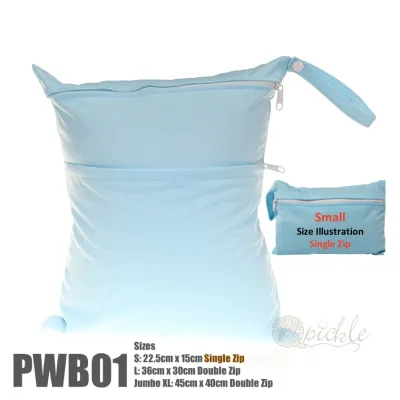
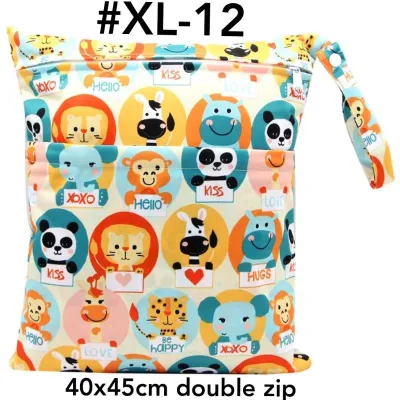
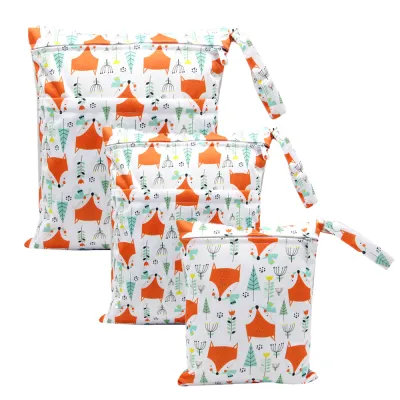
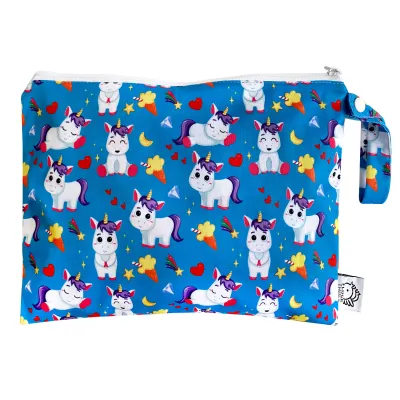
Prices are valid at publication and may change. Please refer to the product page for the latest price.
Why a Dedicated Wet Bag is Essential for Singapore's Climate and School Life
Singapore’s tropical climate presents unique challenges for managing children’s laundry. With relative humidity levels frequently exceeding 80 percent, damp fabrics left in a dark, enclosed space become a breeding ground for bacteria and mildew within hours. When a child stuffs a wet swimsuit or a sweat-soaked PE kit directly into a standard school backpack, the moisture and trapped heat create a perfect environment for sour odors to develop.
Using a dedicated wet bag prevents this moisture transfer entirely. Unlike makeshift plastic bags, which easily puncture when pressed against sharp pencil cases or ruler edges, a proper wet bag is constructed from durable, puncture-resistant fabrics. This ensures that dripping swimwear or mud-splattered uniforms remain completely isolated from clean schoolbooks, worksheets, and lunch boxes.
From an environmental perspective, transitioning to reusable wet bags aligns with local efforts to reduce single-use plastics. A single durable wet bag can be washed and reused hundreds of times throughout your child’s primary or preschool years. This simple switch reduces household plastic waste while teaching children sustainable habits from an early age.
Furthermore, school life in Singapore involves frequent transitions between indoor air-conditioned classrooms and humid outdoor environments. When children participate in outdoor Co-Curricular Activities (CCAs) or sports, their gear inevitably gets damp. A reliable wet bag ensures that these soiled items do not cross-contaminate clean spare clothes, spare face masks, or personal hygiene items stored in the same backpack.
Core Features to Evaluate When Buying a Wet Bag Waterproof Design
Not all wet bags are created equal, and many products marketed as “waterproof” only offer basic water resistance. To find a bag that can truly contain soaking-wet swimwear or a water-logged towel, you need to evaluate its technical specifications and construction quality.

Material and Lining Specifications
The performance of a wet bag depends heavily on its internal lining. The most reliable wet bags utilize specialized laminated fabrics that block liquid while remaining flexible enough for daily folding and packing.
- Polyurethane Laminate (PUL): This is the industry standard for high-quality wet bags. PUL is a polyester fabric that has been heat-laminated to a thin layer of polyurethane. It is highly durable, flexible, and capable of withstanding repeated machine washes without losing its waterproof integrity.
- Thermoplastic Polyurethane (TPU): Similar to PUL, TPU is bonded using a heat-bonding process rather than chemical solvents. This makes it a popular choice for eco-conscious parents. TPU linings are soft, lightweight, and highly effective at containing moisture.
- PEVA (Polyethylene Vinyl Acetate): Often found in budget-friendly wet bags, PEVA is a chlorine-free vinyl material. While it is waterproof, it tends to be stiffer than PUL or TPU and can crack over time if folded repeatedly in the same spots.
When reading product descriptions, look closely for the distinction between “waterproof” and “water-resistant” materials. Water-resistant fabrics, such as treated nylon or polyester, are designed to repel light splashes or brief rain showers, but they will eventually saturate and leak under pressure. True waterproof linings, like PUL or TPU, are completely impermeable to liquids and will not allow water to seep through, even when compressed inside a tightly packed school bag.
Seams, Zippers, and Closure Mechanisms
Even the most advanced waterproof fabric will fail if the bag’s seams and closures are poorly constructed. Standard stitching creates thousands of tiny needle holes along the edges of the bag, which act as natural exit points for trapped moisture.
- Seam Construction: High-performance wet bags feature heat-sealed, welded, or taped seams. This manufacturing process covers or bonds the stitched areas, ensuring that liquid cannot escape through the needle holes. If a wet bag has raw, unprotected stitched seams on the inside, it is highly likely to leak under pressure.
- Zipper Quality: Standard nylon coil zippers have small gaps between the teeth that allow water to pass through easily. If a wet bag containing dripping swimwear is squeezed inside a backpack, water can be forced through the zipper teeth. Look for bags equipped with water-resistant zippers, which feature a matte polyurethane coating over the zipper track to block water.
- Alternative Closures: For maximum leak prevention, some wet bags utilize roll-top closures secured with heavy-duty plastic buckles, similar to outdoor dry bags. This design involves rolling the top of the bag down three or four times, creating a physical barrier that is exceptionally reliable for containing highly saturated items.
Size, Capacity, and Carrying Hardware
Matching the physical dimensions of the wet bag to your child’s age, school routine, and carrying capacity is essential for daily convenience.
- Small (approx. 20cm x 25cm): Excellent for daily preschool use. This size easily accommodates a single soiled uniform change, damp face towels, or wet socks. It takes up minimal space in a small backpack.
- Medium (approx. 30cm x 40cm): The ideal size for primary school swimming lessons. It can comfortably hold a child's swimsuit, swim cap, goggles, and a compact microfiber travel towel.
- Large (approx. 40cm x 50cm or larger): Best suited for family weekend outings or swim meets. This size has enough volume to hold thick cotton bath towels, multiple swimsuits, and a full change of dry clothes.
Carrying hardware also plays a major role in how easily your child can manage the bag. Snap-button loop handles allow the wet bag to be clipped onto the exterior of a school backpack or stroller handlebar, keeping dampness completely outside the main bag. For older children who carry their swim gear independently, adjustable shoulder straps or backpack-style straps provide a more comfortable, hands-free carrying option.
When selecting a wet bag for younger children or toddlers, prioritize safety. Long shoulder straps can present an entanglement hazard, and small plastic snaps could become a choking hazard if they break. Always supervise young children when they are handling bags with adjustable straps, and verify the manufacturer’s age guidelines to ensure the design is appropriate for your child’s developmental stage.
Recommended Wet Bag Designs for Specific Daily Scenarios
Choosing the right wet bag design depends on how and where your child will use it. Selecting a structure tailored to specific activities ensures maximum utility and convenience.
Compact Clip-On Bags for Daily School Use
Best for: Daily minor mishaps, damp face towels after recess, sweaty PE shirts, or rain-soaked socks.
For everyday school attendance, a compact, single-compartment wet bag with a sturdy snap-button handle is highly practical. This design is lightweight and can be clipped directly to the exterior webbing or carry handle of a school backpack. By keeping the wet bag on the outside, you save valuable interior space for textbooks and ensure that any residual external moisture does not touch schoolwork.
Look for designs featuring a simple, smooth-gliding zipper that young children can operate independently. The interior should have a smooth, wipeable TPU or PUL lining that can be quickly cleaned at the end of the day. Because these bags are meant for daily minor dampness rather than soaking-wet gear, a lightweight profile is preferred to prevent the bag from dragging or weighing down the child’s backpack.
Limitations: These compact bags are not designed to hold bulky, water-logged items like thick cotton bath towels. Overloading a small clip-on bag can strain the snap button or the zipper, potentially causing the bag to detach or fail during the school commute.
Dual-Compartment Bags for Swim Classes and CCA
Best for: Weekly school swimming lessons, swim club training, Co-Curricular Activities (CCAs), or waterplay dates.
When a child has to manage both wet swimwear and dry clothes, a dual-compartment wet bag (often called a “wet/dry bag”) is an exceptional solution. These bags feature two distinct pockets, typically separated by a waterproof barrier. One compartment is fully lined with waterproof PUL or TPU to hold dripping swimsuits and goggles, while the other compartment remains dry and breathable, perfect for storing clean underwear, dry clothes, or a fresh towel.
This dual-pocket design eliminates the need for your child to carry two separate bags to the pool. It simplifies the changing room routine, as everything they need is contained in one organized unit. When shopping for dual-compartment bags, look for reinforced carry handles and robust, rust-proof zippers that can withstand the corrosive effects of pool chlorine and salty air.
Advantages: Keeps dry items completely isolated from moisture and chlorine odors within the same bag. This design is highly efficient for primary school students who must change independently and quickly during scheduled school hours.
Large Tote or Backpack-Style Bags for Family Outings
Best for: Weekend beach trips, waterpark visits, or full-day family outings involving multiple children.
When you are packing for a full day of outdoor activities, standard school-sized wet bags will quickly overflow. A large tote or backpack-style wet bag is necessary to handle the volume of wet gear generated by multiple family members. These high-capacity bags are designed to hold bulky cotton towels, multiple sets of swimwear, and water shoes.
Look for backpack-style straps or long, padded shoulder straps that allow for comfortable, hands-free carrying. Because these bags will carry significant weight when loaded with water-logged items, padded straps are essential to prevent the material from digging into your shoulders. Additionally, look for bags with easy-to-clean, water-resistant exterior fabrics that can be wiped free of sand, mud, or grass after a day at the park.
Limitations: These bags are generally too large, heavy, and bulky for a child to carry to school daily. They are best managed by parents or older teenagers during family excursions where heavy-duty storage is required.
How to Verify "Waterproof" Claims on E-Commerce Platforms
Online marketplaces and e-commerce platforms are flooded with cheap wet bag listings that claim to be “100% waterproof.” However, many of these budget products are made from cheap materials with standard stitched seams that will leak the moment they are compressed. To avoid disappointment, you must learn to look past marketing buzzwords and verify the actual construction of the bag.
First, scrutinize the product images carefully. Reputable sellers will almost always include close-up photos of the bag’s interior. Look for a distinct, glossy, or rubbery sheen on the inside fabric, which indicates a proper PUL or TPU lining. If the interior looks exactly like the exterior printed fabric without any visible coating, the bag is likely only water-resistant and will not contain wet items reliably.
Next, examine the seam construction shown in the photos. Look for physical evidence of seam taping or heat sealing. If the interior photos show raw, exposed fabric edges with standard thread stitching and no protective covering, water will easily seep through those stitching holes under the slightest pressure.
When reading user reviews, do not rely solely on the overall star rating. Filter the reviews to look for specific feedback regarding real-world performance. Search for keywords such as “leaked,” “seeped,” “zipper,” “smell,” and “peeling.” If multiple buyers report that the bag leaked through the bottom seams or that the inner laminate began to peel off after a single wash, look for an alternative product.
Finally, check the manufacturer’s care instructions before purchasing. If a listing states that the bag is “wipe clean only” or “do not wash,” it often indicates that the waterproof lining is of low quality and cannot withstand standard laundering. A high-quality wet bag should have clear, durable care labels indicating that it can be washed safely to maintain hygiene.
Daily Care and Maintenance to Prevent Mold in Humid Weather
Singapore’s warm, humid climate means that mold and mildew can develop incredibly fast. Proper daily care and maintenance are essential to keep your child’s wet bag hygienic, odor-free, and functional for years to come.
- The Golden Rule: Never leave wet items sealed inside a wet bag overnight. The lack of airflow combined with trapped moisture creates an ideal breeding ground for mold. As soon as your child returns home, empty the wet bag completely, turn it inside out, and hang it to dry in a well-ventilated, shaded area.
- Washing Guidelines: Always check the manufacturer's care label on the bag before washing. Generally, high-quality PUL and TPU wet bags can be machine washed on a gentle, cold cycle with a mild detergent. Alternatively, hand washing in cool water is a highly effective, low-risk way to clean the bag without putting stress on the seams.
- Avoid Lining Destroyers: Never use fabric softeners when washing your wet bag. Fabric softeners leave a chemical residue that can clog the pores of breathable fabrics and degrade the adhesive bond of the waterproof laminate. Additionally, avoid harsh bleach, which can chemically break down the TPU or PUL coating.
- Drying Precautions: Never tumble dry a wet bag on high heat, and never iron it. Extreme heat will melt, warp, or crack the waterproof lining, permanently ruining its leak-proof capabilities. Air drying is the safest method. Hang the bag inside out in a breezy spot away from direct, intense sunlight, as prolonged exposure to extreme UV rays can also degrade the laminate over time.
- Keep a Rotation: To ensure each wet bag has ample time to dry completely between uses, keep at least two bags on rotation. This is especially helpful during busy school weeks when swimming lessons and CCA schedules overlap.
Frequently Asked Questions (FAQ)
Can I put a wet bag in the washing machine and dryer?
Always check the specific manufacturer’s care label first to verify the approved cleaning methods. While most high-quality wet bags made from PUL or TPU can be safely machine washed on a gentle, cold cycle with mild detergent, they should generally be air-dried. High heat from a dryer can melt, warp, or crack the delicate waterproof lining, permanently compromising its leak-proof capabilities. If you must use a dryer, ensure it is set to a completely air-only or low-heat cycle, though air drying remains the safest option.
How do I remove stubborn smells from a waterproof wet bag?
To eliminate persistent odors, start by turning the bag inside out and hanging it in a well-ventilated, shaded outdoor area to air out. If the smell persists, check the manufacturer’s care instructions to see if a mild white vinegar soak is permitted. A mixture of one part white vinegar to four parts cool water can help neutralize odors; soak the bag briefly, then rinse thoroughly with cold water. Avoid using harsh chemical sprays, bleach, or abrasive baking soda pastes, as these can degrade the waterproof coating and damage the seams.
Community discussion
Share your experience or ask a question. Comments are reviewed before publication.