
To find the best suction plate for baby-led weaning in Singapore, you must evaluate how well the plate’s suction base adheres to your specific highchair tray, choose a material that fits your cleaning routine, and select a design that matches your baby’s current motor skills. A reliable suction plate acts as an anchor, preventing the inevitable spills that occur when infants practice grasping and scooping. By focusing on physical design elements and material safety rather than brand names alone, you can create a calmer, more successful self-feeding environment.
Baby-led weaning (BLW) is an exciting developmental milestone that encourages infants to explore solid foods at their own pace. During this stage, babies learn to grasp, squeeze, and navigate different textures, which naturally involves a lot of trial and error. Without a secure plate, a simple attempt to pick up a piece of steamed broccoli can result in the entire dish sliding off the tray and landing on the floor. This not only creates extra cleanup for parents but can also disrupt the baby’s focus and momentum during mealtime.
In Singapore, where highchairs come in a wide variety of materials and tray designs, finding a suction plate that actually stays put requires a bit of strategy. A plate that works perfectly on a smooth plastic tray might fail completely on a textured wooden surface. Understanding the mechanics of suction, the pros and cons of different materials, and how to match the plate’s design to your baby’s physical abilities will help you make an informed purchase that supports your child’s feeding journey.
Products mentioned in this guide
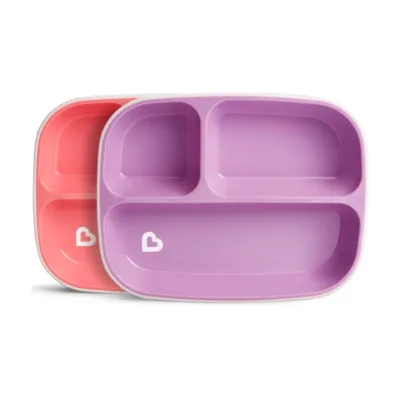
Prices are valid at publication and may change. Please refer to the product page for the latest price.
Key Features to Look for in a Baby-Led Weaning Suction Plate
The primary purpose of a suction plate is to remain firmly attached to the feeding surface, but not all suction bases are engineered equally. When evaluating different options, look closely at the suction base mechanics. A high-quality plate typically features a wide, continuous suction cup integrated directly into the bottom of the dish. This design creates a strong vacuum seal when pressed down onto a flat surface. Additionally, look for plates that feature hidden release tabs. Babies are remarkably quick learners; if they can see or reach the tab used to release the suction, they will quickly figure out how to peel the plate off the tray. Choosing a plate with a tab that faces away from the child or is tucked neatly under the rim is essential for keeping the dish secure.
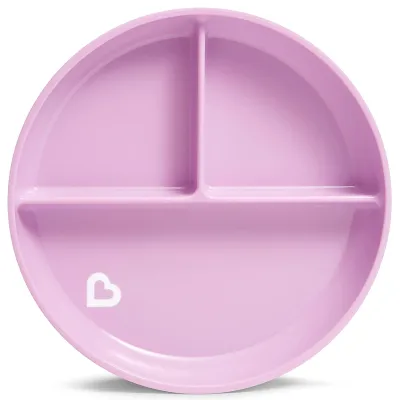
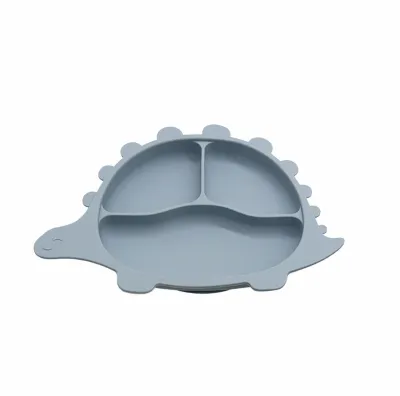
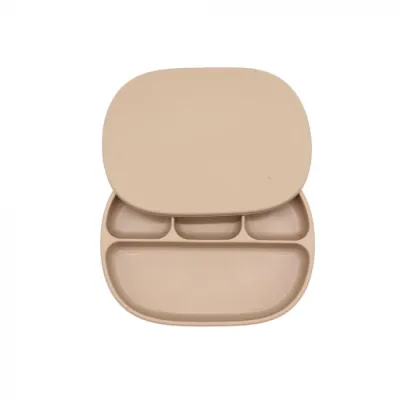
Another critical design choice is whether to opt for a divided section plate or an open, flat design. Divided plates are highly popular for baby-led weaning because they allow you to present different food groups separately. This compartmentalization is particularly helpful for babies who are sensitive to mixed textures or who prefer to explore one food item at a time. It also serves as a helpful visual guide for caregivers to ensure they are offering a balanced variety of proteins, carbohydrates, and vegetables. Conversely, open flat designs offer more space for larger, single-item foods, such as pancakes, toast strips, or large pieces of roasted vegetables, giving your baby more room to manipulate the food without hitting dividers.
The physical shape of the plate’s walls also plays a major role in how easily your baby can feed themselves. Look for plates with deep rims and curved inner edges. When babies first start using their hands or utensils to scoop up food, they lack the wrist control to lift food directly upward. Instead, they tend to push the food horizontally. A plate with a curved, inward-sloping wall acts as a barrier, allowing the baby to push the food against the side and slide it onto their spoon or into their palm. Shallow plates with flat edges often result in food being pushed straight off the plate and onto the highchair tray.
Finally, consider the overall weight and stability of the plate. Even if the suction base is strong, a lightweight plate made of thin material can bend or flex when a baby pulls on the edges, which can slowly break the vacuum seal. A plate with a thicker, more rigid construction or a slightly weighted base provides better structural integrity. This rigidity ensures that the downward pressure applied by the baby during feeding is distributed evenly across the suction cup, maintaining a reliable grip throughout the meal.
Material Comparison: Silicone, Bamboo, and Plastic Options
When shopping for weaning products in Singapore, you will primarily encounter three materials: food-grade silicone, bamboo, and plastic. Food-grade silicone has become the industry standard for baby tableware due to its exceptional durability and safety profile. High-quality silicone is flexible, virtually unbreakable, and highly resistant to extreme temperatures. This makes it incredibly convenient for busy parents, as silicone plates can typically go straight from the freezer to the microwave and then into the dishwasher. However, because silicone is a slightly porous material, it can sometimes absorb oils from food or chemical scents from highly perfumed dishwashing detergents. To prevent a soapy taste from transferring to your baby’s food, it is best to wash silicone plates with mild, fragrance-free soaps.

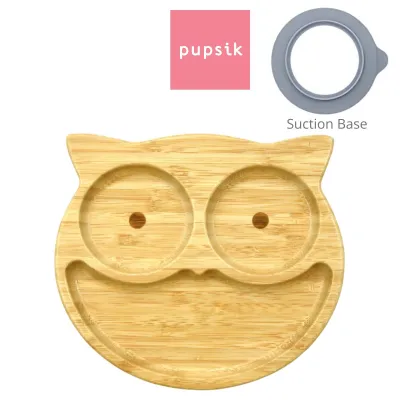
Bamboo plates, often paired with a removable silicone suction base, offer a beautiful, natural aesthetic that many parents prefer. Bamboo does not conduct heat, meaning the plate remains cool to the touch even when holding warm food. However, bamboo is a natural material that requires significantly more maintenance than silicone or plastic. It is not dishwasher or microwave safe, and exposing it to high heat can cause the wood to warp or crack. In Singapore’s warm and humid climate, bamboo plates must be hand-washed immediately after use, dried thoroughly in a well-ventilated area to prevent mold growth, and periodically treated with a food-safe mineral oil to maintain the wood’s integrity.
Plastic suction plates are lightweight, highly affordable, and often come in a wide array of vibrant colors and patterns. While they are highly convenient and easy to clean, plastic is more susceptible to scratching over time from utensils or abrasive cleaning sponges. These micro-scratches can become breeding grounds for bacteria if not cleaned meticulously. If you choose to purchase a plastic plate, it is critical to inspect the packaging and product labels to verify that the material is completely free from bisphenol A (BPA), bisphenol S (BPS), and phthalates, as these chemical compounds are associated with developmental concerns.
Ultimately, the choice of material depends on your lifestyle and how much time you can dedicate to product maintenance. If you prioritize convenience, quick cleanup, and the ability to warm food directly on the plate, food-grade silicone is generally the most practical choice. If you prefer natural materials and do not mind hand-washing and air-drying your baby’s tableware, bamboo is an excellent alternative. Regardless of the material you choose, always inspect the plate before each use for any signs of physical degradation, such as cracking, peeling, or warping.
Matching the Plate to Your Baby's Feeding Stage
As your baby grows, their motor skills, coordination, and feeding habits will change dramatically. Matching the size, shape, and complexity of the suction plate to your baby’s current developmental stage is key to a successful weaning experience. During the early stages of baby-led weaning, which typically begins around six months of age, infants use a palmar grasp to pick up food. This means they sweep their entire hand over an object to scoop it up. For these beginners, a deep bowl or a single-compartment plate with wide, open spaces is ideal. It gives the baby plenty of room to navigate their hands without getting frustrated by small dividers or tight corners.
As your baby approaches nine to twelve months, they will begin to develop the pincer grasp, using their thumb and index finger to pick up smaller, bite-sized pieces of food. This is the perfect stage to transition to a multi-section suction plate. The divided compartments allow you to introduce a wider variety of textures and flavors in controlled, manageable portions. It also helps prevent foods with different consistencies, such as purees and finger foods, from mixing together, which can sometimes overwhelm a developing palate. This stage is also when babies begin to show interest in using baby-friendly spoons and forks, making deep, curved rims even more essential for practicing scooping.
By the time your child reaches toddlerhood, their motor control will have improved significantly. They will be more proficient with utensils and less inclined to playfully throw their dishes off the table. You will know your child is ready to transition away from suction plates when they can consistently feed themselves without tipping or sliding their plate, and when they show a desire to use standard tableware like the rest of the family. Transitioning to non-suction plates at this stage helps foster independence and prepares them for eating in social settings, such as preschool or restaurants, where suction tableware is rarely available. If your baby struggles significantly with feeding milestones or shows persistent difficulty swallowing, consult a pediatrician or a pediatric feeding specialist for professional guidance.
Maximizing and Maintaining Suction Strength
Even the most highly rated suction plate will fail if it is not used on a compatible surface or maintained correctly. The physical properties of your highchair tray are the single most important factor in determining how well a plate will stick. Suction cups rely on creating a vacuum seal, which requires a completely smooth, non-porous, and clean surface. Highchair trays made of smooth, glossy plastic or glass are ideal for suction plates. Conversely, trays with textured finishes, matte surfaces, or wooden trays with visible grain allow microscopic pockets of air to enter beneath the suction cup, quickly breaking the vacuum seal and causing the plate to slide off.
Proper cleaning and preparation of both the tray and the suction base are also essential for maintaining a strong grip. Before placing the plate down, ensure that the highchair tray is completely clean and free of any grease, crumbs, or soapy residue. Even a thin, invisible film of oil from a previous meal can prevent the suction cup from forming a tight seal. Wipe the tray with a damp cloth and dry it thoroughly. Similarly, clean the bottom of the suction plate to remove any dust or residue. For an extra-strong hold, some parents find that lightly dampening the suction base with a tiny drop of water before pressing it firmly onto the tray can enhance the vacuum seal.
Over time, regular use and exposure to heat can cause suction plates to wear out. It is important to routinely inspect the suction base for signs of wear, such as warping, micro-tears, or a loss of flexibility in the silicone. If the base becomes warped or stiff, it will no longer be able to conform to the flat surface of the tray, rendering the suction ineffective. If you notice any physical damage or if the plate consistently fails to hold its suction despite thorough cleaning, it is time to stop using the plate and replace it to ensure a safe and frustration-free mealtime.
Pre-Purchase Checklist for Singapore Parents
Before purchasing a suction plate from a local boutique or an online marketplace, taking a few minutes to verify key product details can save you time and money. First, always check the manufacturer’s specific age, weight, and developmental recommendations on the product packaging or official website. Do not rely solely on generic product titles or search terms, as these can sometimes be misleading. Ensuring the plate is designed for your baby’s specific stage of development is crucial for both safety and usability.
Second, measure your highchair tray before making a purchase. Suction plates come in various shapes and sizes, and some larger or uniquely shaped plates may not fit within the boundaries of smaller highchair trays. If a plate overlaps the edge of the tray even slightly, air will get underneath the suction base, and it will not stick. Additionally, review the retailer’s return or exchange policies. Because suction compatibility is highly dependent on the specific texture and material of your highchair, having the option to return or exchange the plate if it does not adhere to your tray is highly beneficial.
Finally, verify the safety standards and material certifications of the product. Look for clear labels indicating that the materials used are food-safe and free from harmful chemicals. For silicone products, look for certifications such as FDA compliance or European LFGB standards, which indicate the material has undergone testing for food safety. If a product listing or packaging lacks clear information about its materials, safety certifications, or care instructions, it is best to contact the manufacturer directly or choose an alternative product that provides transparent safety details.
Frequently Asked Questions (FAQ)
Why does my suction plate keep popping off the highchair tray?
A suction plate usually pops off because air is leaking under the suction cup. This is commonly caused by a textured or scratched highchair tray, which prevents a perfect vacuum seal. Invisible grease, soap residue, or dust on either the tray or the plate’s base can also compromise the grip. Additionally, if the plate is placed within easy reach of your baby’s direct leverage, they may simply be pulling it at an angle that forces the seal to break. To fix this, ensure both surfaces are clean, dry, and completely smooth, and try positioning the plate slightly further back on the tray.
Are all silicone suction plates safe for the microwave and dishwasher?
While most food-grade silicone plates are designed to withstand high temperatures, you should never assume a product is safe without checking the manufacturer’s specific guidelines. Always look for explicit microwave-safe and dishwasher-safe labels on the packaging or product manual. Some silicone plates feature embedded plastic or wooden components that cannot tolerate high heat or automated washing. If you notice a soapy taste or white residue on your silicone plate after dishwashing, it may be absorbing detergents; switching to a mild, fragrance-free soap and hand-washing can resolve this issue. If care instructions are missing, consult the manufacturer before exposing the plate to high heat.
Community discussion
Share your experience or ask a question. Comments are reviewed before publication.