
Selecting the right postpartum belt in Singapore is a decision that directly impacts your physical comfort, mobility, and healing process after childbirth. In a tropical climate characterized by high humidity and warmth, this choice requires balancing structured physical support with fabric breathability to avoid skin complications. A postpartum belt serves as a temporary external support system, helping to stabilize your core, ease lower back strain, and gently hold healing tissues in place. However, because every recovery journey is unique, finding the most effective option depends on your delivery method, physical symptoms, and lifestyle needs.
While many brands promise rapid recovery, it is essential to understand that a support belt is a functional aid rather than a magical cure. It provides immediate structural relief but must be used safely and in conjunction with proper core rehabilitation. By understanding what features to prioritize and how different designs suit various stages of recovery, you can make an informed choice that supports your body’s natural healing process.
Understanding Postpartum Recovery and the Role of Support Belts
During pregnancy, your body undergoes profound anatomical and hormonal changes. The abdominal muscles stretch significantly to accommodate your growing baby, often leading to a separation of the left and right outer abdominal muscles known as diastasis recti. Simultaneously, the hormone relaxin softens your ligaments and joints, particularly around the pelvis, to facilitate delivery. Once your baby is born, these muscles and ligaments remain stretched and lax, leaving your lower back and pelvic ring temporarily unsupported as you navigate the physical demands of newborn care.
Products mentioned in this guide
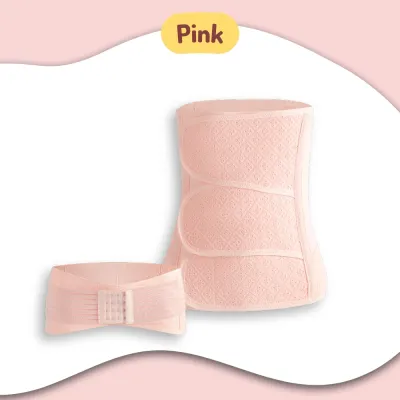
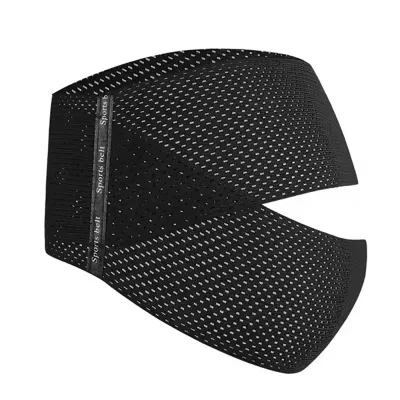
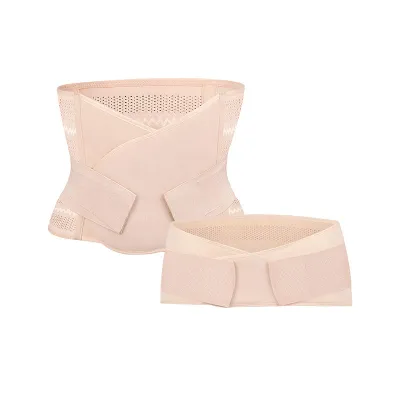
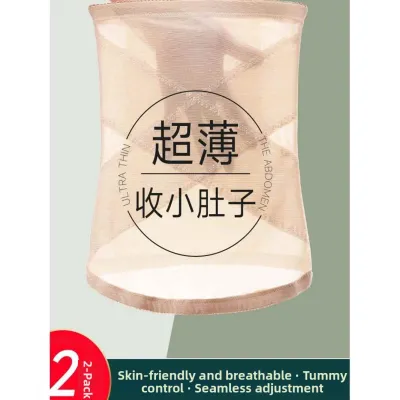
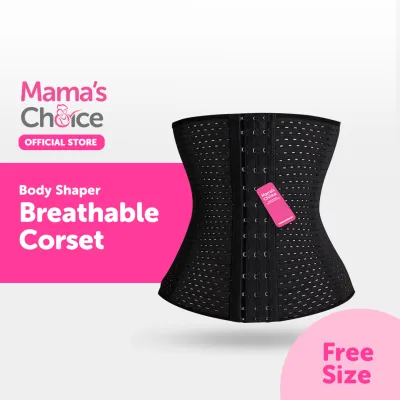
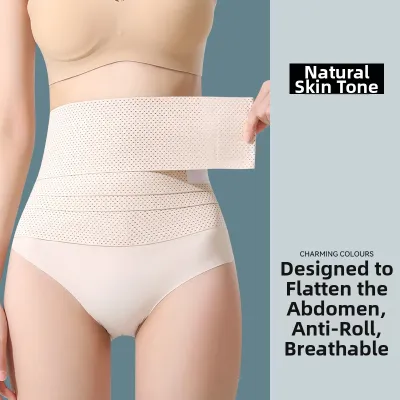
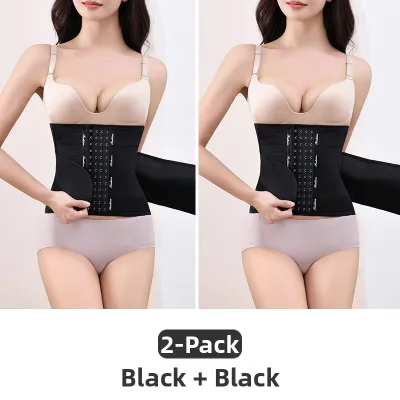
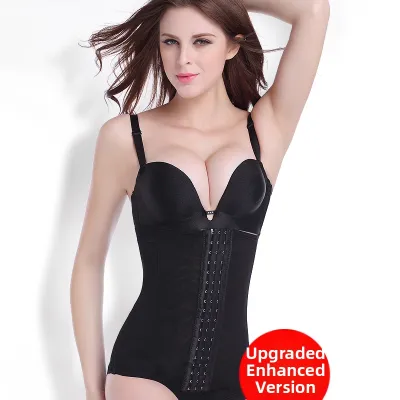
Prices are valid at publication and may change. Please refer to the product page for the latest price.
This is where a postpartum belt, also referred to as a binder or girdle, provides targeted assistance. By applying gentle, localized compression to the abdomen and hips, the belt acts as an external splint. This compression mimics the natural tension of your deep core muscles, reducing the physical workload on your lower back and pelvis. For many mothers, this extra support makes daily movements—such as standing up from a chair, lifting your baby, or maintaining an upright posture while breastfeeding—significantly more comfortable.
Despite these benefits, several misconceptions surround the use of postpartum compression garments. A common myth is that wearing a tight belt will speed up the process of shrinking the uterus or actively burn abdominal fat. In reality, the uterus contracts back to its pre-pregnancy size through a physiological process called involution, which is driven by hormonal shifts and breastfeeding, not external pressure. Furthermore, compression garments do not cause fat loss or permanent muscle toning; they merely compress fluid and support tissues temporarily.
It is also crucial to recognize that over-relying on a postpartum belt can actually delay your recovery. If a belt is worn too tightly or for too many hours a day, your deep core muscles—such as the transversus abdominis and the pelvic floor—may become inactive, relying entirely on the garment for stability. This can lead to muscle weakness and prolonged instability. Therefore, the primary goal of a postpartum belt is to provide temporary comfort and protection while you gradually rebuild your internal strength.
Because your recovery needs depend heavily on whether you had a vaginal or a Cesarean delivery, the ideal belt design varies. A mother recovering from a C-section requires gentle, non-abrasive protection over her surgical incision to minimize friction and support the abdominal wall as the deep tissues heal. Conversely, a mother recovering from a vaginal delivery may prioritize pelvic floor relief and hip stabilization. Understanding these distinctions ensures you select a product that aligns with your specific clinical needs.
Essential Features to Look for in a Postpartum Belt Brand
When evaluating different brands in Singapore, the local climate must be a primary consideration. Singapore’s year-round heat and high humidity create an environment where heavy, non-breathable fabrics can quickly trap sweat against your skin. This moisture buildup can lead to friction, heat rash (miliaria), contact dermatitis, or even fungal infections, particularly around a healing surgical wound. Prioritize brands that utilize lightweight, medical-grade mesh, perforated elastic, or natural bamboo-derived viscose, which allow air to circulate and moisture to evaporate quickly.

Adjustability is another critical factor for long-term usability. Your abdominal volume will change rapidly in the weeks following delivery as fluid retention decreases and your organs return to their pre-pregnancy positions. A high-quality postpartum belt should offer a wide range of adjustment options, such as dual-compression straps, wide Velcro panels, or multi-row hook-and-eye closures. This flexibility allows you to customize the level of compression and gradually tighten the garment as your body shape changes, extending the lifespan of your investment.
Material safety should never be overlooked, especially since the belt will be in close contact with your skin for several hours a day. Look for brands that carry reputable textile certifications, such as the OEKO-TEX Standard 100, which guarantees that the fabric is free from harmful chemicals, allergens, and toxic dyes. If you have sensitive skin or are recovering from a C-section, seek out hypoallergenic materials that feel soft to the touch and do not feature rough, exposed seams that could rub against your incision.
Ease of use is a practical consideration that directly affects how often you will wear the belt. During the early weeks of motherhood, you will frequently be sleep-deprived and busy caring for your newborn. A support garment that requires complex wrapping techniques or assistance from another person to put on can quickly become frustrating. Opt for designs that you can easily wrap, secure, and adjust independently while standing or sitting, allowing you to manage your recovery without added stress.
Finally, pay close attention to the ergonomic design and structural integrity of the belt. Poorly constructed garments often bunch up, roll down from the top, or dig into the ribs when you sit down, which can cause significant discomfort and uneven pressure distribution. Look for brands that incorporate flexible, supportive boning, contoured panels that match the natural curves of a female body, or silicone anti-slip strips along the edges to keep the belt securely in place during movement.
Comparing Types of Postpartum Belts for Different Recovery Stages
To help you determine which style of postpartum belt matches your current recovery phase and physical needs, it is helpful to compare the primary categories available on the market. Different brands often specialize in specific structures, ranging from highly adjustable wraps to firm, structured girdles.
| Belt Type | Best Use Case | Compression Level | Key Considerations |
|---|---|---|---|
| Postpartum Wraps & Binders | Immediate recovery (days 1 to 6 weeks); C-section incision protection | Light to Moderate (highly adjustable) | Easy to apply independently; can be adjusted as swelling goes down; may bunch if not contoured. |
| Postpartum Girdles & Corsets | Mid-stage recovery (weeks 4 to 12+); returning to light daily activities | Moderate to Firm (structured support) | Requires precise sizing; less adjustable than wraps; provides excellent posture support for sitting and standing. |
| Pelvic Support Belts | Pelvic girdle pain (PGP); sacroiliac (SI) joint instability | Firm (targeted compression around the hips) | Must be worn low on the pelvic ring; does not cover the abdomen; often recommended by physiotherapists. |
Postpartum Wraps and Binders
Postpartum wraps and binders are typically wide, flat bands of elasticized fabric that wrap around your entire midsection. Because they rely on simple Velcro closures, they offer a highly customizable fit, making them the most versatile option for the immediate postpartum period. You can easily loosen the wrap after meals or tighten it when you need extra support while walking.
For mothers recovering from a Cesarean section, a soft, wide binder is often the preferred choice. It can be positioned gently over the surgical dressing to protect the wound from rubbing against your clothing. When using a binder post-C-section, ensure the fabric is exceptionally soft and breathable, and always consult your doctor before applying any compression over your incision.
Postpartum Girdles and Corsets
Postpartum girdles and corsets are more structured, medical-grade garments that you pull on or step into, often featuring front or side closures such as zippers, hooks, or reinforced Velcro panels. These garments provide a higher, more uniform level of compression across the entire abdomen and lower back, making them suitable for mid-stage recovery as you become more active.
Because these garments are highly structured, selecting the correct size is essential. A girdle that is too small or worn too tightly can exert excessive downward pressure on your pelvic floor, which can worsen pelvic floor dysfunction or lead to issues like urinary incontinence. Girdles are best introduced once your initial postpartum swelling has stabilized and you require firmer support for returning to light household tasks or desk work.
Pelvic Support Belts
Pelvic support belts are narrow, highly specialized bands designed to be worn low on the hips rather than around the waist. Their primary function is to compress and stabilize the pelvic ring and the sacroiliac (SI) joints, which can become unstable and painful due to the pregnancy hormone relaxin.
If you experience pelvic girdle pain (PGP) or symphysis pubis dysfunction (SPD)—characterized by pain in the pubic bone, hips, or lower back when walking or climbing stairs—a pelvic belt can provide significant relief. Because these belts must sit precisely over your pelvic bones to be effective, it is highly recommended to consult a women’s health physiotherapist in Singapore to learn how to position and tension the belt correctly.
Navigating the Singapore Market: Sizing, Retailers, and Authenticity
Finding the perfect postpartum belt requires careful attention to sizing, as pregnancy and delivery alter your body measurements in ways that pre-pregnancy clothing sizes cannot predict. Avoid purchasing a belt based solely on your pre-pregnancy dress size or your weight at the end of your third trimester. Instead, use a flexible measuring tape to measure your waist and hips, and compare these numbers directly against the specific size chart provided by the manufacturer.
If you are purchasing a belt before your delivery, a practical approach is to measure your abdominal circumference around the eighth month of pregnancy. Many brands recommend subtracting a few centimeters from this measurement to estimate your early postpartum size, while others provide specialized calculators based on your pre-pregnancy weight and current gestational weight gain. When in doubt, select a brand that offers a wide range of adjustability or consult their customer service team for personalized guidance.
In Singapore, postpartum belts can be purchased through several reliable channels. Visiting physical maternity specialty boutiques or hospital retail pharmacies—such as those located within major maternity hospitals like KK Women’s and Children’s Hospital (KKH), Mount Alvernia Hospital, or Thomson Medical Centre—allows you to examine the materials firsthand. Alternatively, you can purchase directly from official brand flagship stores on established online marketplaces to ensure you are receiving a genuine product.
Be highly cautious of unauthorized third-party sellers offering heavily discounted “branded” belts on online platforms. Counterfeit products often look identical in product photos but are frequently manufactured using low-grade, non-breathable synthetic elastics that lose their tension after a few washes. Furthermore, these imitation products may contain harsh chemical residues or dyes that can cause severe allergic reactions or skin infections on sensitive postpartum skin.
Before finalizing your purchase, carefully review the retailer’s return and exchange policies. Because postpartum belts are classified as intimate apparel and medical support garments, most physical and online stores in Singapore enforce strict hygiene policies that prohibit returns or exchanges once the packaging has been opened or the security seal is broken. Ensuring your measurements are accurate before buying is the best way to avoid being stuck with an unusable garment.
If possible, take the time to visit a physical retail store to feel the texture of the fabric and test the strength of the fasteners. Testing the belt in person allows you to assess how easy it is to pull, wrap, and secure the panels. It also gives you a realistic sense of whether the fabric feels too heavy or stiff for Singapore’s warm climate, helping you make a more confident investment in your physical recovery.
Safe Usage Guidelines and Medical Precautions
Using a postpartum belt safely requires adhering to clear medical boundaries to ensure you do not inadvertently hinder your body’s natural healing. The timeline for when you can safely begin wearing a support belt depends heavily on your delivery method. For an uncomplicated vaginal delivery, you may be able to wear a gentle, flexible wrap within a few days of birth, provided you feel comfortable and have no pelvic floor symptoms. However, you should always obtain verbal clearance from your doctor or midwife first.
For mothers who have undergone a Cesarean section, the surgical wound requires careful management. Applying compression too early or using a poorly fitting belt can restrict blood flow to the incision, delay wound healing, or cause painful friction against the staples or stitches. You must wait until your obstetrician has evaluated your incision—typically at your 2-week or 6-week postpartum checkup—and explicitly cleared you to wear a compression garment. If you experience any oozing, redness, or increased pain at the incision site, stop using the belt immediately.
Regardless of your delivery method, you should never wear a postpartum belt 24 hours a day. Limit your wear time to a few hours a day, focusing on periods when you are most active, such as when you are walking, standing to prepare meals, or carrying your baby. When you are resting, sitting quietly, or lying down, remove the belt to allow your skin to breathe, promote healthy blood circulation, and encourage your deep core muscles to engage and support your spine naturally.
It is vital to listen to your body and recognize warning signs that indicate the belt is wrapped too tightly or is unsuitable for your physical condition. Immediately remove the belt and consult a healthcare professional if you experience any of the following red flags:
- Difficulty breathing deeply or a feeling of restriction in your chest
- Increased pain in your abdomen, pelvis, or lower back
- A sensation of downward pressure, heaviness, or bulging in your pelvic floor
- Numbness, tingling, or radiating pain in your hips, thighs, or legs
- Dizziness, shortness of breath, or acid reflux after putting on the garment
- Skin irritation, redness, blisters, or signs of infection around your incision
Finally, remember that a postpartum belt is a supportive aid, not a replacement for active rehabilitation. While the belt provides physical comfort, it cannot restore muscle strength or close a diastasis recti on its own. True, long-term core recovery requires targeted rehabilitation exercises, such as diaphragmatic breathing, gentle pelvic floor activation (Kegels), and progressive transverse abdominis strengthening. Consider consulting a specialized women’s health physiotherapist in Singapore to design a safe, personalized exercise program that complements your use of a support belt.
Frequently Asked Questions (FAQ)
Can I wear a postpartum belt while sleeping?
It is generally not recommended to wear a postpartum belt while sleeping. When you lie down, your spine and pelvis are naturally supported by your mattress, reducing the need for external compression. Wearing a tight belt during sleep can restrict deep diaphragmatic breathing, impede blood circulation, and put unnecessary pressure on your internal organs and pelvic floor. Additionally, keeping the belt on overnight traps body heat and sweat against your skin, which significantly increases the risk of developing heat rash or skin irritation in Singapore’s humid climate. Unless your obstetrician has specifically prescribed a medical binder for nighttime wear due to a unique clinical condition, always remove the belt before going to sleep.
How soon after delivery can I start wearing a postpartum belt?
The appropriate timeline for starting to wear a postpartum belt depends on your delivery method and your overall physical recovery. Following an uncomplicated vaginal delivery, some mothers find comfort in wearing a soft, highly adjustable wrap within the first week postpartum, once they are able to move around comfortably. However, if you had a Cesarean delivery or experienced complications such as severe perineal tearing, you must wait for explicit clearance from your obstetrician before using any compression garments. For C-section recovery, this clearance is typically given after your incision has fully closed and healed, which often takes between two to six weeks. Always prioritize your doctor’s advice over general guidelines.
Will a postpartum belt help me lose belly fat?
No, a postpartum belt will not help you lose belly fat or achieve permanent weight loss. Postpartum belts are structural support garments designed to stabilize your pelvis, support your lower back, and gently hold stretched abdominal tissues in place during early recovery. While the compression can temporarily make your midsection look flatter and help reduce postpartum fluid retention, it does not burn calories, increase metabolism, or reduce fat tissue. Permanent changes to your body shape and muscle tone are achieved through natural tissue healing, a balanced diet, and progressive core strengthening exercises once you are medically cleared to work out.
Community discussion
Share your experience or ask a question. Comments are reviewed before publication.