
Taking your baby outdoors offers wonderful opportunities for sensory development and family bonding. Whether you are planning a weekend picnic at the Singapore Botanic Gardens, watching the kites fly at Marina Barrage, or enjoying the coastal breeze at East Coast Park, providing a clean and comfortable space for your little one is essential. Public outdoor spaces present unique challenges, from damp grass and sandy patches to hard concrete and hidden debris. A high-quality portable baby play mat serves as a dedicated, hygienic boundary that protects your baby while they explore the world around them.
To find the ideal outdoor play mat, you must balance several practical factors. The mat needs to shield your baby from ground moisture, offer sufficient cushioning against hard or uneven surfaces, and fold down compactly enough to fit into a stroller basket or carry over your shoulder. By understanding the specific materials, designs, and safety features available, you can select a portable mat that fits seamlessly into your family’s outdoor lifestyle.
What to Look for in an Outdoor Baby Play Mat
When evaluating portable play mats for outdoor use, the physical attributes of the mat determine how well it will perform in public spaces. Unlike indoor mats, which remain in a controlled environment, outdoor mats must withstand rough terrain, moisture, and varying weather conditions. Understanding these key features will help you make an informed decision.
Products mentioned in this guide
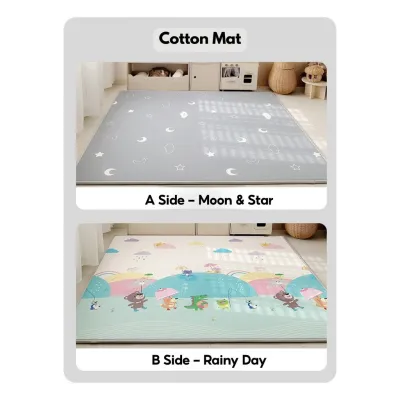
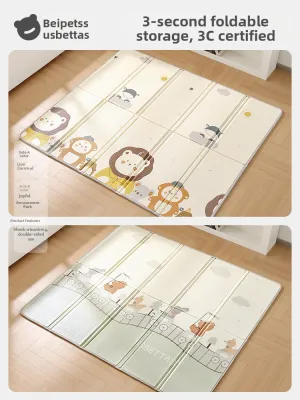
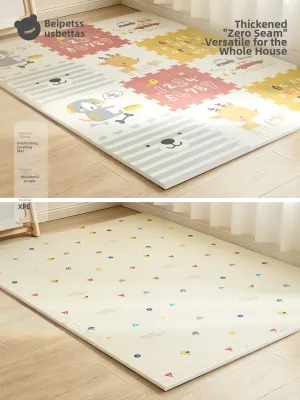
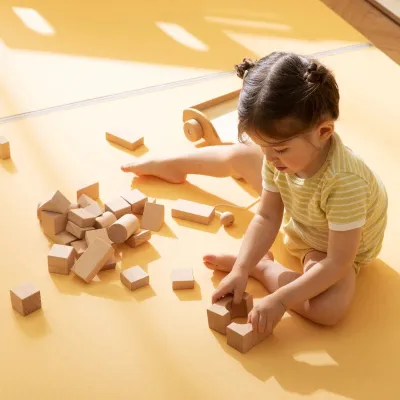
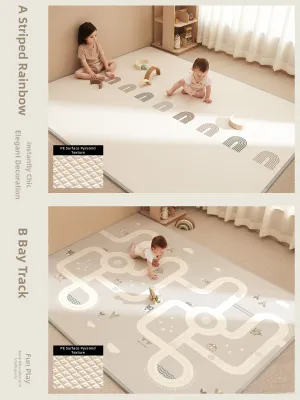
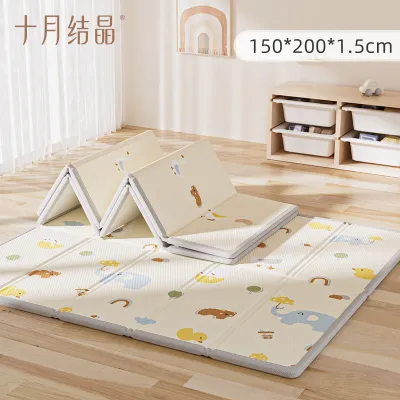
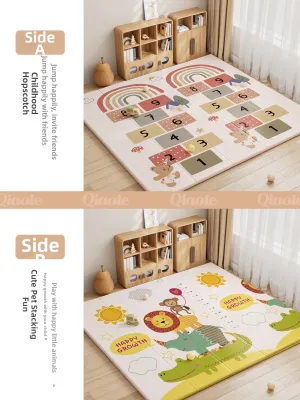
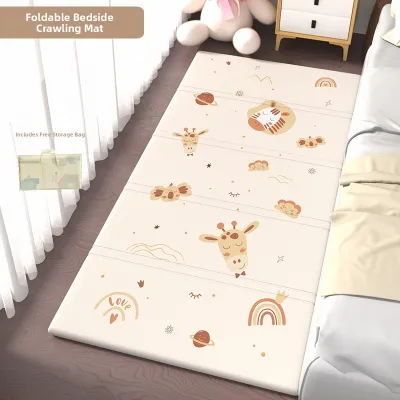
Prices are valid at publication and may change. Please refer to the product page for the latest price.
Material and water resistance are the most critical factors to consider. Outdoor ground is frequently damp, even on warm days, due to morning dew or recent tropical showers. Look for mats made from impermeable materials such as thermoplastic polyurethane (TPU) or high-density ethylene-vinyl acetate (EVA) foam, which naturally repel water and can be wiped dry instantly. Alternatively, fabric mats made from durable polyester or canvas can work well if they feature a specialized, waterproof backing layer. Avoid untreated cotton or open-cell foam mats, as they absorb moisture rapidly, leading to a damp play surface and a high risk of mold growth.
Portability and folding mechanisms dictate how easy the mat is to transport alongside your usual baby gear. Foldable designs, particularly those with accordion-style creases, are highly convenient because they fold flat quickly and often retain their shape without curling at the edges. Rollable mats can offer a completely seamless surface, but they tend to be bulkier and may require external straps or a dedicated carrying bag to remain compact. Look for lightweight options, ideally weighing under 1.5 kilograms, that feature integrated carrying handles or adjustable shoulder straps so you can keep your hands free for your baby.
Thickness and density directly impact your baby’s comfort on uneven ground. A mat that is too thin will allow your baby to feel every pebble, twig, or hard root beneath them, which can disrupt tummy time or play. Conversely, an excessively thick mat can be heavy and difficult to pack. Aim for a thickness of around 1 centimeter to 1.5 centimeters of high-density foam, which provides excellent shock absorption and cushioning without adding unnecessary bulk to your travel setup.
Choosing the Right Mat for Your Outdoor Destination
Different outdoor environments in Singapore require specific mat characteristics to ensure safety and comfort. Matching your mat’s specifications to your most frequent destinations will ensure a better experience for both you and your baby.

For parks and grassy areas, your primary focus should be on moisture barriers and ease of cleaning. Grass can hold significant moisture and trap small insects, dirt, and grass clippings. A mat with a smooth, non-porous bottom layer prevents water from seeping through and allows you to shake off debris easily before packing up. If you plan to visit sandy areas like Sentosa, choose a static-free material that does not trap sand particles in woven fibers, allowing you to clean the mat with a quick shake.
Playgrounds and hard surfaces, such as wooden decking or concrete plazas, demand superior shock absorption and slip resistance. Because these surfaces offer no natural give, a slightly thicker foam mat is necessary to protect your baby during accidental tumbles or when they are learning to sit upright. Ensure the underside of the mat features a textured, non-slip pattern to prevent it from sliding on smooth concrete or polished wood when your baby moves. The outer material should also be highly tear-resistant to withstand abrasion from rough ground.
For outdoor cafes and public gatherings, compact dimensions and quick setup are paramount. Space is often limited in bustling dining areas, so a large, sprawling mat may block walkways or disturb other patrons. Look for a compact, modular mat that can be folded to fit smaller spaces or adjusted in size. A mat that folds down to the size of a small tote bag allows you to create a clean play space right next to your chair, ensuring your baby remains close and secure while you socialize.
Safety and Comfort Checks for Warm Weather
Singapore’s tropical climate requires extra vigilance when using baby gear outdoors. High temperatures and intense sunlight can affect both the physical properties of the play mat and your baby’s comfort.
Heat retention is a major concern with synthetic materials exposed to direct sunlight. Dark colors and certain plastics can absorb heat rapidly, reaching temperatures that can cause discomfort or skin irritation for a baby. Always test the surface temperature of the mat with the back of your hand before placing your baby down. To prevent overheating, always position the play mat entirely in the shade, such as under a mature tree, a pavilion, or a UV-protected pop-up shelter, and monitor the shifting sun to ensure the mat remains shaded.
Before purchasing any play mat, carefully review the manufacturer’s labels and documentation. Verify the recommended age range, development stages, and weight limits to ensure the product is safe for your baby’s current abilities. Check for material safety standards, ensuring the mat is free from harmful chemicals like BPA, phthalates, and lead. Always follow the manufacturer’s specific care and usage instructions to maintain the structural integrity of the mat.
Inspect the mat on-site for potential structural hazards before letting your baby play. Lightweight mats can easily curl at the edges on uneven terrain, creating a tripping hazard for you or a crawling baby. Ensure the mat lies completely flat and secure. If the ground is sloped or uneven, choose a flatter spot to prevent your baby from rolling off the mat. Continuous caregiver supervision is essential during outdoor play to ensure your baby remains safe on the designated surface.
How to Build Your Shortlist and Evaluate Options
To find the best portable play mat without relying on unverified claims, establish a systematic evaluation process based on practical parameters and real-world feedback.
Begin by defining your non-negotiable parameters. Measure the storage compartments of your stroller or your preferred travel bag to determine the maximum folded dimensions you can accommodate. Establish a realistic budget in S$, such as setting a limit of S$50 to S$100, which helps narrow down your options on online marketplaces. Decide on the minimum thickness required based on whether you will primarily use the mat on soft grass or hard concrete.
Analyze user reviews on ecommerce platforms and parenting forums to gather real-world insights. Look for feedback from parents who use the mat in warm, humid climates. Pay close attention to comments regarding seam strength, how easily the surface scratches, and whether the mat retains odors. Reviews that mention issues with mold or mildew after outdoor use can indicate poor breathability or difficult-to-dry materials, which are significant drawbacks in a humid environment.
Finally, verify the retailer’s return policies and the manufacturer’s warranty terms. Ensure you understand what constitutes acceptable wear and tear and what is covered under warranty, such as manufacturing defects in the stitching or material lamination. A clear return policy allows you to inspect the mat’s quality and thickness in person before committing to keeping it.
Caring for Your Mat After Outdoor Use
Proper maintenance is essential to preserve the hygiene, safety, and longevity of your portable play mat. Exposure to outdoor elements like dirt, grass, sunscreen, and sweat requires prompt and correct cleaning.
Establish a routine cleaning method after every outdoor outing. Wipe down the entire surface of the mat with a damp cloth and a mild, baby-safe detergent to remove dirt, food spills, and sunscreen residue. Avoid using harsh chemical cleaners, bleach, or abrasive scrubbing brushes, as these can degrade water-resistant coatings and damage the foam padding. For fabric mats, follow the manufacturer’s instructions regarding machine washing, using a gentle cycle and mild soap.
Thorough drying is crucial to prevent the growth of mold and mildew, especially in Singapore’s high humidity. Never fold or store a play mat while it is still damp. Hang the mat in a well-ventilated indoor area or in partial shade outdoors until both sides are completely dry. Avoid leaving foam mats in direct sunlight for extended periods to dry, as intense UV rays can cause the material to crack, fade, or lose its cushioning properties.
Store the mat in a cool, dry place away from direct sunlight and moisture. Keep it in its designated carrying bag or folded neatly to protect it from dust. Avoid placing heavy objects on top of the folded mat during storage, as prolonged pressure can permanently compress the foam, reducing its ability to provide adequate cushioning during future outdoor adventures.
Frequently Asked Questions (FAQ)
Can I use a regular indoor play mat outdoors?
While it is physically possible, using a regular indoor play mat outdoors is generally not recommended. Indoor mats are often made from delicate materials that can easily puncture or tear when exposed to twigs, stones, or rough ground. They typically lack a waterproof backing, meaning ground moisture can seep through and soak your baby’s clothing. Additionally, indoor mats are usually bulkier, heavier, and lack carrying straps, making them difficult to transport to parks or playgrounds.
How do I prevent the mat from blowing away in the wind?
To secure a lightweight portable mat on windy days, use safe, manufacturer-approved methods that do not damage the material. Place heavy, blunt objects on the corners of the mat, such as your diaper bag, a stroller, or water bottles. Avoid using sharp stakes or pegs unless the mat is specifically designed with reinforced anchor loops, as puncturing the foam or fabric can ruin its water-resistant properties and create a safety hazard for a crawling baby.
Community discussion
Share your experience or ask a question. Comments are reviewed before publication.