
When your infant begins to explore their environment on all fours, finding the right knee protection pad becomes a top priority for many parents in Singapore. As babies navigate various household surfaces, their delicate skin is subjected to constant friction and pressure. Choosing a high-quality protective accessory involves evaluating material breathability, fit, and safety features to ensure your baby remains comfortable and protected during this active developmental milestone. Rather than focusing solely on aesthetic designs, parents should prioritize functional specifications that accommodate Singapore’s unique climate and housing conditions.
Why a Knee Protection Pad Matters for Crawling Babies
The crawling phase is a monumental developmental milestone, typically occurring between six and ten months of age. During this period, infants experience rapid motor development as they learn to coordinate their limbs and support their body weight. This repetitive physical activity places a significant amount of pressure and friction directly on their small, developing patellas.
In Singapore, residential flooring often consists of hard, polished materials such as ceramic tiles, marble, parquet, or luxury vinyl tiles. While these surfaces are highly practical for cleanliness and temperature control, they offer no natural cushioning. The continuous sliding motion of a baby’s knees across these hard surfaces can quickly lead to localized redness, friction burns, or mild bruising.
Products mentioned in this guide
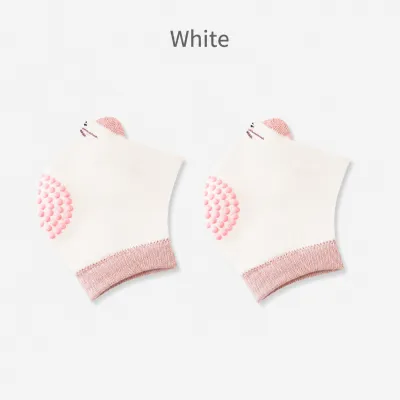

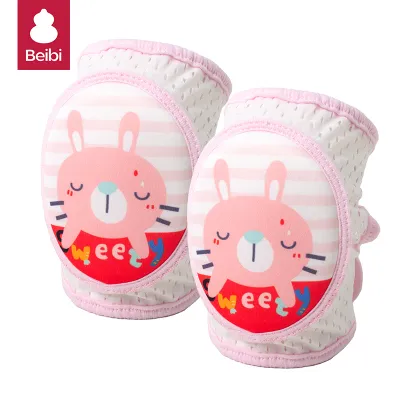
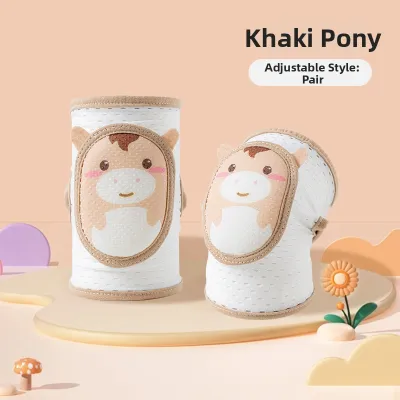
![[LocalStock] 2 pairs of Baby Toddler Knee Protector Knee Pad Anti-Slip Crawling Pad Knee Guard Baby Care](https://img.lazcdn.com/g/p/2d5908c65629fc95f8853dc61ceecdf8.jpg_400x400q80.jpg_.webp)
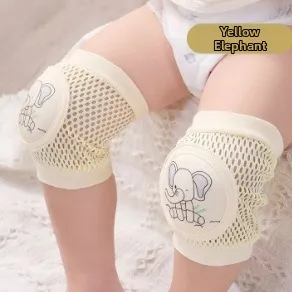
Prices are valid at publication and may change. Please refer to the product page for the latest price.
A knee protection pad serves as a practical, supplementary barrier designed to absorb minor impacts and minimize direct friction against the floor. By providing a soft layer of fabric between the baby’s skin and the hard ground, these pads can make crawling a much more comfortable experience. This is particularly beneficial for highly active babies who spend hours exploring every corner of the home.
However, it is crucial to understand that these protective accessories are not a substitute for essential developmental practices. They should never replace supervised tummy time, which is fundamental for building the core, neck, and shoulder strength required for crawling. Furthermore, knee pads do not reduce the necessity of maintaining a safe, hazard-free floor environment and providing active parental supervision at all times.
Essential Features to Evaluate in Baby Knee Pads
Selecting the right protective gear requires a careful analysis of product specifications. Parents should focus on how the pad is constructed, the quality of the materials used, and how the design supports the baby’s natural movements.

Material, Breathability, and Skin Sensitivity
Singapore’s tropical climate is characterized by high temperatures and high relative humidity throughout the year. When babies crawl and exert physical energy, they naturally sweat, particularly in the creases of their joints. If a knee pad is constructed from heavy, synthetic, or non-breathable fabrics, it can trap heat and moisture, leading to heat rash or contact dermatitis.
The most suitable fabric for a knee protection pad is a high-quality cotton blend or a specialized moisture-wicking mesh. Combed cotton offers excellent natural softness and breathability, while a small percentage of elastane or spandex provides the necessary elasticity to keep the pad secure without constricting the leg. Mesh panels integrated into the back of the knee pad are highly effective at promoting airflow and preventing sweat accumulation in the sensitive popliteal crease.
Before making a purchase, parents should check the product labels for skin-safe material certifications, such as OEKO-TEX Standard 100, which verify that the textile has been tested for harmful substances. Additionally, inspect the interior of the knee pad for rough inner seams, loose threads, or heavy synthetic embroidery. These elements can rub against the baby’s skin during movement, causing painful chafing and irritation.
Cushioning, Anti-Slip Grips, and Mobility
The primary functional component of any protective pad is its cushioning. The padding must be thick enough to absorb the impact of a baby dropping onto their knees on a hard tile floor, yet flexible enough to allow the knee joint to bend naturally. Rigid or overly bulky foam pads should be avoided, as they can restrict joint movement, alter the baby’s natural crawling gait, or discourage crawling altogether. Look for multi-layered fabric padding or soft, high-density sponge inserts that conform to the shape of the knee.
Another critical feature is the presence of silicone anti-slip grips on the exterior of the knee pad. When a baby crawls on smooth surfaces like polished marble or laminate flooring, their knees can easily slip outward, making it difficult to maintain a stable hands-and-knees posture. Silicone patterns on the front of the pad provide the necessary traction to help the baby grip the floor and propel themselves forward.
However, parents must monitor these silicone grips closely. Ensure the silicone is securely bonded to the fabric and does not peel off, which could present a choking hazard. Furthermore, some babies with highly sensitive skin or skin conditions like eczema may develop localized irritation from the pressure of the silicone patterns pressing through the fabric. If you notice patterned redness on the baby’s patella after use, consider switching to a pad with a smoother, fabric-only exterior or a different grip design.
Safety Checks and Red Flags Before Purchasing
As with any infant product, safety is the paramount consideration. Before introducing a knee protection pad to your baby’s daily routine, perform a thorough physical inspection of the product and establish a clear usage protocol.
First, inspect the knee pads for potential choking hazards. Some decorative designs feature attached plastic elements, small buttons, bows, or detachable grip pieces. These embellishments should be avoided entirely. A crawling baby can easily pull at these small parts, detach them, and place them in their mouth. Check the seams and edges for any fraying threads or loose fibers that could wrap around a baby’s fingers or toes, presenting a constriction hazard.
Second, evaluate the elasticity of the top and bottom bands. These bands are designed to keep the knee pad from sliding down the leg, but they must not be so tight that they act as tourniquets. Gently stretch the bands to assess their tension. If the elastic feels stiff, rigid, or excessively tight, it is highly likely to restrict blood circulation and lymphatic drainage in the baby’s legs. The bands should feel soft, wide, and moderately stretchy, distributing pressure evenly across a larger surface area rather than cutting deeply into the skin.
Parents must establish a routine of checking the baby’s legs frequently during and after use. Clear signs of a poor fit or adverse reaction include:
- Deep red or purple indentations left on the skin by the elastic bands.
- Swelling or puffiness in the calf, ankle, or foot.
- Skin that feels unusually cool to the touch or appears pale or bluish.
- Localized rashes, hives, or dry, flaky patches under the padded area.
- Signs of physical discomfort, such as the baby crying, tugging at the pads, or refusing to crawl while wearing them.
If any of these signs occur, immediately remove the knee protection pad. Discontinue use of that specific model or size. If skin irritation, swelling, or discoloration persists after removal, consult a pediatrician or a qualified healthcare professional for guidance.
Navigating Brand Choices and Sizing in Singapore
When looking for baby knee pads in Singapore, parents will find a variety of options across local baby boutiques, department stores, and online marketplaces. Navigating these choices requires a systematic approach to ensure you receive a genuine, high-quality product that fits your baby correctly.
Start by critically reading parent reviews on local online platforms and specialized baby stores. Look past simple star ratings and focus on detailed feedback regarding durability, fabric shrinkage after washing, and real-world fit. Pay close attention to reviews from parents living in Singapore, as they can provide valuable insights into how the fabric performs in local humidity and whether the elastic holds up after multiple rounds of machine washing and line drying. Be skeptical of overly enthusiastic, generic reviews, and look for specific comments about whether the pads stay in place during active crawling.
Sizing is one of the most common challenges when purchasing a knee protection pad. Many brands categorize their products using broad, age-based ranges (such as ‘6 to 12 months’). However, babies grow at highly individual rates, and their leg circumferences vary widely regardless of age. An age-based label is often an unreliable indicator of fit.
To ensure a proper fit, use a soft measuring tape to measure your baby’s leg before purchasing. Measure two specific areas:
- The thigh circumference, approximately three to five centimeters above the center of the kneecap.
- The calf circumference, approximately three to five centimeters below the center of the kneecap.
Compare these physical measurements against the brand’s detailed sizing chart, which should list the unstretched and maximum stretched dimensions of the bands. If a brand does not provide specific centimeter measurements for their sizes, it is best to look for an alternative brand that does.
As a practical purchasing strategy, avoid buying large multi-packs or matching sets initially. Start by purchasing a single pair of the chosen knee protection pad. This allows you to test the fit, evaluate how the fabric handles washing, and observe your baby’s tolerance to the product. Some babies adapt immediately, while others may find the sensation of fabric on their knees distracting or uncomfortable. Testing a single pair minimizes financial waste and allows you to adjust the size or brand if necessary before committing to a larger quantity.
Knowing When to Transition Away from Knee Pads
A baby’s crawling phase is a temporary developmental window. As infants grow, their motor skills rapidly evolve, and their physical protection needs change accordingly. Parents must remain attentive to these developmental shifts to determine when it is appropriate to phase out the use of knee protection pads.
The natural progression of infant mobility moves from belly crawling (commando crawling) to classic hands-and-knees crawling, followed by pulling up on furniture, cruising (walking while holding onto objects), and eventually independent walking. As your baby begins to spend more time standing and cruising, the physical dynamics of their movement change. The knees are no longer the primary weight-bearing joints in contact with the floor. At this stage, wearing knee pads can become counterproductive, as the extra bulk around the joint may interfere with their balance, ankle alignment, and foot placement during standing and walking.
There are several clear physical and behavioral signs that indicate it is time to transition away from knee pads:
- Outgrowing Manufacturer Limits: The baby's weight or leg circumference exceeds the manufacturer's specified limits, causing the elastic bands to become uncomfortably tight and leave deep marks.
- Slipping and Misalignment: As the baby's leg proportions change and they become taller, the pads may constantly slip down to the ankles or twist around the leg, failing to protect the knee and creating a tripping hazard.
- Active Resistance: The baby shows clear signs of frustration when the pads are put on, such as crying, pulling at the fabric, or attempting to slide them off. This indicates that the pads are restricting their movement or causing discomfort.
- Environmental Adaptation: The baby has developed thicker, more resilient skin on their knees, and their crawling technique has become highly efficient, resulting in minimal friction or redness even on unpadded floors.
When you observe these signs, gradually reduce the usage of the knee pads. Start by removing them during short play sessions on carpeted or matted areas, allowing the baby’s skin to adapt to direct contact with different textures. Eventually, phase them out completely as your baby transitions fully to upright mobility.
Frequently Asked Questions (FAQ)
Can knee pads restrict a baby's blood circulation?
Yes, if the elastic bands are too tight or if the product is poorly sized, a knee protection pad can restrict a baby’s blood circulation. To verify a safe fit, always perform the two-finger rule: you should be able to easily slide two of your fingers under both the top and bottom elastic bands while the pad is on your baby’s leg. Monitor your baby’s legs closely for warning signs of restricted circulation, which include deep red or purple indentations, localized swelling, pale skin, or toes that feel cool to the touch. If you observe any of these signs, remove the knee pads immediately and discontinue their use.
How often should baby knee pads be washed?
Baby knee pads should be washed frequently to maintain hygiene and protect your baby’s sensitive skin from sweat, dust, and floor bacteria. If used daily, it is recommended to wash them after every one to two uses, or immediately if they become visibly soiled. Always check the manufacturer’s care label for specific washing instructions. To preserve the elasticity of the bands and the integrity of the silicone anti-slip grips, it is generally best to place the knee pads in a mesh laundry bag, wash them on a gentle cycle with a mild, baby-safe detergent, and air dry them away from direct heat.
Do babies need knee pads if they crawl on a foam playmat?
While foam playmats provide excellent impact absorption and significantly reduce the force on a baby’s joints, knee pads can still serve a useful purpose. Playmats protect against hard drops, but they can still cause friction burns or mild skin irritation during prolonged, vigorous crawling. Furthermore, babies rarely stay confined to a playmat; they frequently crawl off the padded surface onto harder household flooring like tiles or parquet. In these scenarios, knee pads offer continuous protection. However, remember that active parental supervision and maintaining a clean, hazard-free floor environment remain the primary safety measures for your crawling baby.
Community discussion
Share your experience or ask a question. Comments are reviewed before publication.