
Introducing solid foods is a significant milestone in your baby’s first year, marking a transition from an exclusive milk diet to a world of diverse flavors and textures. In Singapore, parents have access to a vast array of commercial infant food brands sourced globally, available in local supermarkets, specialized pharmacies, and online marketplaces. Navigating these options requires understanding how commercial products fit into your child’s developmental timeline, ensuring they receive the necessary nutrients safely.
While home-cooked meals allow for complete control over ingredients, commercial baby foods offer unmatched convenience, consistent nutritional profiles, and portability for busy families. Choosing the right commercial options involves matching the product’s nutritional design, texture, and ingredients to your infant’s specific age and physical readiness. By learning what to prioritize on packaging labels and how to safely progress through feeding stages, you can confidently integrate commercial options into your baby’s daily diet.
What to Look for When Choosing Infant Food Brands
Evaluating commercial infant food requires looking past appealing packaging designs and focusing strictly on nutritional value, ingredient transparency, and safety standards. The primary nutritional priority for babies starting solids is iron. Around the six-month mark, an infant’s natural iron stores accumulated during gestation begin to deplete, and breast milk or standard formula alone can no longer meet their daily requirements. Iron is vital for healthy brain development and oxygen transport, making iron-fortified commercial infant cereals and iron-rich purees essential foundational foods.
Products mentioned in this guide

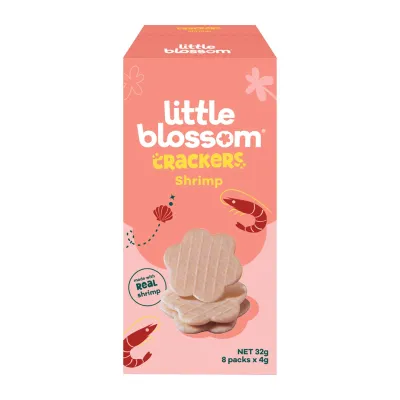
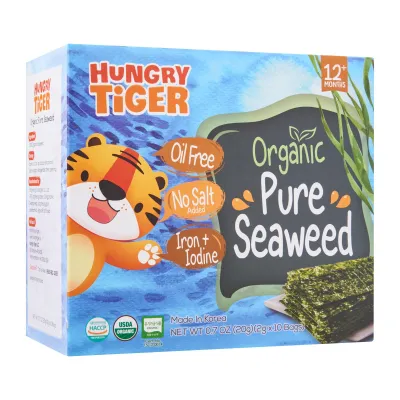
Prices are valid at publication and may change. Please refer to the product page for the latest price.
When inspecting the ingredient list on any commercial infant food product, simplicity is key. The list should ideally feature only whole food ingredients, such as specific fruits, vegetables, grains, or meats. Parents should prioritize brands that commit to zero added sugars, salt, or artificial preservatives, as an infant’s developing kidneys and digestive system cannot process excess sodium, and early exposure to added sugars can shape unhealthy taste preferences. Be aware that many commercial products use fruit juice concentrates as sweetening agents; while technically derived from fruit, these concentrates add concentrated sugars without the beneficial fiber of whole fruits.
Food safety and regulatory compliance are non-negotiable when selecting brands for your child. In Singapore, all imported and locally manufactured infant foods must comply with strict regulations under the Sale of Food Act, managed by the Singapore Food Agency (SFA). When purchasing, verify that the products feature clear nutritional information panels, accurate ingredient listings, and recognized safety or organic certifications. Parents should actively check manufacturer websites or local regulatory portals for any active product recalls or safety advisories before introducing a new brand.
Ultimately, the best brand for your family depends on your baby’s unique dietary needs, your household values, and local accessibility. Some families prioritize certified organic brands to minimize potential exposure to synthetic pesticide residues, while others focus on finding specific allergen-free formulations. Fortunately, Singapore’s retail landscape offers excellent access to diverse brands across major supermarkets, organic specialty shops, and official brand e-stores, making it highly feasible to find products that align with both your budget and your nutritional standards.
Stage 1: Starting Solids (Around 6 Months)
At approximately six months of age, most infants show signs of developmental readiness for solid foods, such as holding their head steady, sitting up with minimal support, and showing active interest in what others are eating. The primary nutritional goal during this initial phase is introducing iron-rich foods and establishing a safe routine for identifying potential food sensitivities. Single-ingredient commercial foods are highly recommended at this stage because they allow parents to isolate and monitor any adverse reactions, such as skin rashes, digestive discomfort, or vomiting.

The ideal texture for a baby’s very first solid foods is an ultra-smooth, fine puree or a highly diluted, watery cereal consistency. Infants at this stage are still developing their swallowing coordination and transitioning away from the tongue-thrust reflex, which naturally pushes solid objects out of the mouth. Commercial infant cereals, such as single-grain iron-fortified rice or oat cereals, are excellent starting points because they can be mixed with breast milk or formula to create a familiar, easily digestible, and completely smooth texture.
When choosing commercial brands for Stage 1, look for products explicitly labeled for babies around six months of age, often designated as “Stage 1” or “First Solids” on the packaging. Prioritize single-vegetable purees (such as pumpkin, sweet potato, or peas) and single-fruit purees (such as apple or pear). Ensure that the chosen products contain no added salt, sugar, or thickening agents like starch, which dilute the nutritional density of the food. Verify that the product’s instructions for preparation and safety match your baby’s current developmental stage.
While many commercial brands offer convenient fruit and vegetable blends, parents should stick to single-ingredient options for the first few weeks of weaning. Introducing one new food at a time, with a gap of three to five days before trying another, makes it simple to pinpoint the culprit if an allergic reaction occurs. If your family has a history of severe food allergies, eczema, or asthma, consult a pediatrician or pediatric allergist before introducing highly allergenic foods like peanut, egg, or soy.
Supervision is critical during every feeding session. Always sit your baby upright in a secure highchair and remain within arm’s reach while they eat. If your baby rejects a particular food, do not force them to eat it; simply stop the feed and try introducing the flavor again a few days later, as it can take multiple attempts for an infant to accept a new taste.
Stage 2: Exploring Textures and Flavors (7 to 9 Months)
Between seven and nine months, infants typically begin to master the basic mechanics of swallowing and start showing signs of oral motor progression, such as moving their jaws in a chewing motion. This stage represents a critical window for expanding your baby’s palate by introducing a wider variety of vegetable flavors, mild proteins, and complex carbohydrates. Exposing your baby to diverse taste profiles now helps prevent picky eating habits from forming later in childhood.
The texture of your baby’s food should gradually progress from completely smooth purees to thicker, mashed consistencies containing soft, tiny lumps. This transition encourages jaw development and chewing skills, even if your baby does not have teeth yet, as their gums are remarkably strong. Introducing soft, melt-in-the-mouth finger foods and snacks also supports the development of fine motor skills, specifically the pincer grasp, which involves picking up small objects using the thumb and index finger.
When shopping for brands catering to this stage, look for products labeled as “Stage 2” or designed for ages seven months and older. Appropriate options include textured vegetable and meat purees, soft teething rusks, and puffed grain snacks made from oats, quinoa, or brown rice. Carefully read the ingredient labels to verify that these snacks do not contain hidden sodium, cane sugar, or artificial flavor enhancers, which are sometimes added to commercial toddler snacks.
It is vital to remember that the age recommendations printed on commercial baby food packaging are general guidelines rather than absolute rules. Every infant develops at their own pace, so parents must observe their child’s actual chewing and swallowing capabilities. If your baby gags frequently or struggles to manage a thicker puree, revert to a smoother texture for a week or two before attempting the transition again. Always verify the manufacturer’s specific guidelines regarding texture and preparation on the packaging.
Active caregiver supervision remains mandatory as your baby explores these new, lumpier textures. Ensure your baby is seated properly and never leave them unattended with finger foods or teething rusks. If you notice any signs of breathing difficulty, persistent coughing, or hives during or after a meal, stop feeding immediately and seek professional medical evaluation.
Stage 3: Transitioning to Family Meals (10 to 12 Months and Beyond)
As infants approach their first birthday, their nutritional requirements become more complex, demanding greater energy density and a balanced distribution of macronutrients, including healthy fats, proteins, and complex carbohydrates. At this stage, babies are preparing to transition to the family dinner table. The goal is to expose them to diverse, savory flavor profiles that closely mirror adult meals, helping them adapt to the herbs, mild spices, and complex ingredients common in Singaporean households.
The physical texture of foods at this stage should transition to finely chopped ingredients, soft bites, mini pasta shapes, and manageable finger foods. Your baby should be actively practicing self-feeding, using their hands or basic baby-friendly utensils. Commercial options for this stage often come in convenient trays, bowls, or thick pouches containing visible, soft chunks of vegetables, grains, and tender meats that can be easily mashed by your baby’s gums or emerging teeth.
When selecting commercial brands for older infants, look for “family-style” meal trays or pouches that feature recognizable, whole-food recipes, such as mild vegetable stews, lentil bakes, or pasta dishes. It is absolutely critical to check the sodium content on these labels. While these meals are designed to taste savory and complex, they must still adhere to strict infant safety standards, meaning they should contain no added salt or artificial preservatives. Choose brands that keep sodium levels exceptionally low to protect your baby’s developing kidneys.
While commercial finger foods, pre-packaged meals, and travel-friendly snacks offer incredible convenience for dining out or traveling around Singapore, they should not become the sole basis of your child’s diet. These products are best used to complement, rather than completely replace, freshly prepared home-cooked meals. Freshly steamed vegetables, soft fruits, and home-prepared meats provide essential dietary variety and natural textures that are crucial for long-term oral and physical development.
If you have questions about whether your baby is consuming an adequate volume of solid food or if you are concerned about their growth trajectory, consult a pediatrician or a registered pediatric dietitian. They can provide personalized growth tracking and dietary advice tailored to your child’s specific developmental needs.
Reading Labels and Managing Allergens for Infant Food
Learning to decipher the nutritional information panel and ingredient list on commercial baby food is one of the most effective ways to protect your child’s health. When reading an ingredient list, remember that ingredients are legally required to be listed in descending order by weight. If a pouch is labeled “Spinach and Quinoa” but lists pear puree or apple juice concentrate as the first two ingredients, the product is primarily composed of fruit sugars rather than the savory greens and grains advertised on the front. Look out for hidden sugars disguised under names like maltodextrin, dextrose, fructose, or various syrups.
Managing food allergens requires vigilant label reading every time you shop. Major food allergens—including dairy, wheat, soy, eggs, fish, shellfish, peanuts, and tree nuts—must be clearly highlighted or bolded within the ingredient list under Singapore’s food labeling standards. Parents must also look for precautionary statements such as “may contain traces of” or “manufactured in a facility that also processes” to assess the risk of cross-contamination, especially if their child has a diagnosed food allergy.
Before purchasing or serving any commercial infant food, perform a thorough physical inspection of the packaging. For glass jars, ensure the safety button on the metal lid is concave and does not pop or click when pressed, which indicates that the vacuum seal is intact. For flexible squeeze pouches, inspect the plastic nozzle and seams for any signs of leakage, swelling, or bloating, which can indicate bacterial contamination inside the pouch. Always check the expiration date on the packaging, distinguishing between “best before” dates (which relate to food quality) and “use by” dates (which represent strict safety limits).
Manufacturer recipes, ingredient sourcing, and production facilities can change without notice. Even if you have purchased a specific product from a trusted brand multiple times, make it a habit to quickly verify the ingredient list and allergen warnings with every single purchase. If you ever detect an unusual odor, discoloration, or an off-texture when opening a package of baby food, discard it immediately and contact the manufacturer or retailer.
Frequently Asked Questions (FAQ)
Is organic infant food always nutritionally better than conventional brands?
While certified organic infant foods guarantee that the ingredients were grown without synthetic pesticides, chemical fertilizers, or genetically modified organisms (GMOs), they are not inherently more nutritious than conventional baby foods. From a nutritional standpoint, organic and conventional purees contain comparable amounts of essential vitamins, minerals, proteins, and carbohydrates. When choosing between brands, parents should prioritize checking the actual ingredient list, verifying the iron content, and ensuring there are no added sugars or sodium, rather than relying solely on an organic label. Both organic and conventional commercial options sold in Singapore must meet the strict food safety standards enforced by the Singapore Food Agency.
How long can I keep an opened pouch of commercial baby food?
Once a commercial baby food pouch or jar is opened, it must be stored in the refrigerator immediately and consumed within 24 to 48 hours, depending on the manufacturer’s specific storage instructions. To prevent harmful bacterial growth, never feed your baby directly from the pouch or jar if you plan to save any leftovers for a later meal. Saliva contains digestive enzymes and bacteria from your baby’s mouth that can easily contaminate the food, causing it to spoil rapidly even when refrigerated. Instead, spoon a small portion of the food into a clean, separate bowl for serving, and immediately recap and refrigerate the remaining portion in its original container.
Community discussion
Share your experience or ask a question. Comments are reviewed before publication.