
Finding the right disposable diaper mat in Singapore depends entirely on your specific daily routines, whether you are managing quick changes at home or handling unpredictable situations on the go. Since there is no single universal standard for the “best” product, the most reliable approach is to evaluate core material features, match the specifications to your primary use cases, and verify manufacturer claims on the packaging before making a purchase. In a warm and humid climate like Singapore’s, selecting a mat that balances moisture protection with skin comfort is essential for maintaining your baby’s skin health during daily diaper changes.
By focusing on objective criteria such as dimensions, absorbency layers, and material safety, you can confidently build a shortlist of products that suit your lifestyle. Whether you need a compact option for your diaper bag during outings to shopping malls or a bulk pack for your nursery changing table, understanding what to look for on the product label ensures you get the best value and performance. This guide provides a practical framework to help you navigate the available options and make an informed decision for your family.
Core Features to Evaluate When Choosing a Mat
When selecting a disposable diaper mat, the material construction is the most critical factor determining both performance and comfort. A high-quality mat typically consists of three distinct layers working together to manage moisture and protect surfaces. The top sheet is the layer that comes into direct contact with your baby’s skin, making its texture and breathability paramount. Look for top sheets made from soft, non-woven fabrics that minimize friction, as rough materials can irritate sensitive skin, especially during frequent changes in warm weather.
Products mentioned in this guide
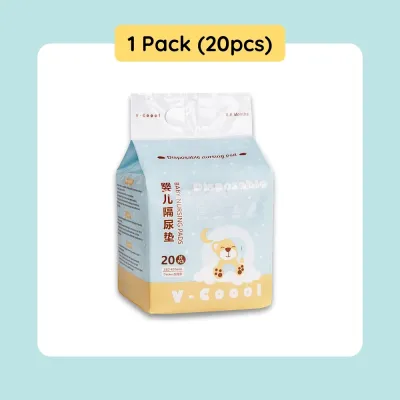
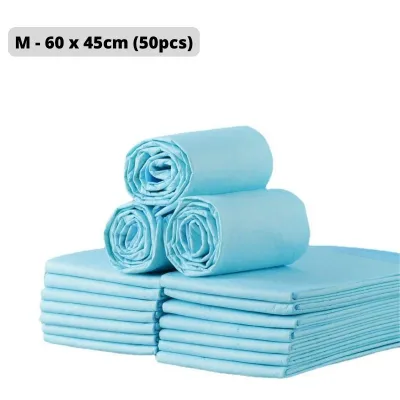
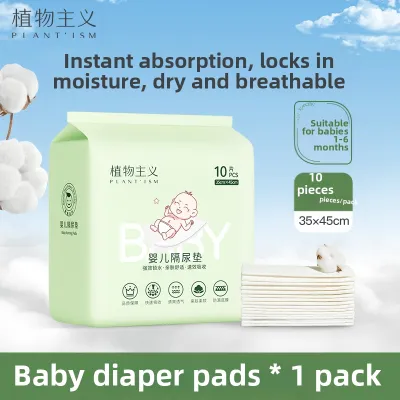
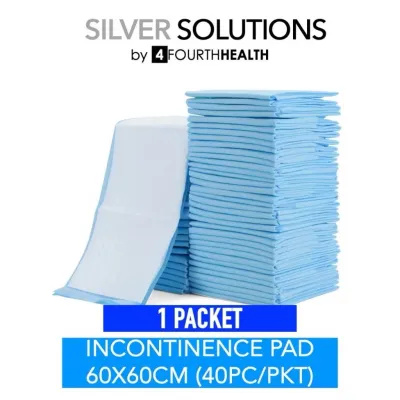
Prices are valid at publication and may change. Please refer to the product page for the latest price.
Beneath the top sheet lies the absorbent core, which is responsible for trapping liquid quickly to prevent pooling and runoff. This core often contains wood pulp or superabsorbent polymers that lock moisture away from the surface. When evaluating different mats, consider the thickness and density of this absorbent layer. A thicker core generally offers higher capacity, which is beneficial for older babies or longer intervals, while a thinner, highly compressed core provides a more discreet profile for travel without sacrificing basic containment.
The bottom layer serves as the final barrier, preventing any trapped liquid from leaking onto your furniture, bed, or public changing tables. This backing is typically made of a waterproof polyethylene film or a breathable water-resistant laminate. A completely waterproof backing is essential for reliable leak protection, but you should also check if the material has a non-slip texture. A slippery bottom layer can cause the mat to shift during a change, which increases the risk of spills and makes managing an active baby more challenging.
Finally, the overall dimensions and thickness of the mat must align with your baby’s current size and developmental stage. Newborns require relatively small mats, but as your baby grows and begins to roll or wiggle, a larger surface area becomes necessary to keep them fully insulated from the underlying surface. Comparing the physical measurements listed on the packaging allows you to choose a size that provides adequate coverage for your specific changing setup, ensuring that both the baby and the surrounding area remain clean.
Matching the Mat to Your Daily Routines
Your choice of disposable diaper mat should directly reflect where and how you plan to use it throughout the day. For daily changes at home, your primary goals are likely cost-efficiency, convenience, and consistent coverage of your dedicated changing area. In this scenario, purchasing mats in bulk packaging formats is highly advantageous, as it significantly reduces the cost per unit. Since portability is not a concern at home, you can opt for larger, thicker mats that cover the entire changing table or a section of your bed, providing maximum protection against unexpected messes.

For on-the-go convenience, the requirements shift dramatically toward portability, compact storage, and ease of deployment. When packing a diaper bag for outings to local parks, shopping centers, or family visits, space is at a premium. Look for disposable mats that are individually folded and wrapped, or packaged in slim, resealable travel packs. These formats protect the clean mats from dirt and moisture inside your bag and allow you to pull out a single sheet quickly with one hand while holding your baby.
Extended or overnight use presents another set of challenges that require specific structural features. If you anticipate using a mat during long car rides, flights, or overnight stays where immediate diaper changes might be delayed, prioritize mats with enhanced absorbency and advanced moisture-wicking properties. These specialized mats are designed to keep the surface dry for longer periods, reducing the risk of diaper rash caused by prolonged contact with wetness. Additionally, look for mats with adhesive strips on the back, which help secure the pad to temporary surfaces and prevent bunching as your baby moves.
By categorizing your needs into these distinct routines, you can avoid the common mistake of using a single type of mat for every situation. Many parents find that a hybrid approach works best, keeping a large, economical bulk pack at home while reserving a few premium, individually wrapped travel mats in their diaper bag for outings. This strategy optimizes both your household budget and your convenience when managing diaper changes outside the home.
Building Your Shortlist: What to Verify on the Packaging
Before finalizing your purchase, it is essential to look past marketing claims and verify the actual specifications printed on the product packaging. The first step is to check the exact dimensions, usually listed in centimeters or inches, and compare them to your baby’s length and your changing surface. Do not rely solely on generic size labels like “medium” or “large,” as these standards vary widely between manufacturers. Ensuring the mat is long and wide enough to accommodate your baby’s active movements will prevent frustrating leaks and spills.
Next, carefully examine the packaging for specific skin-safety indicators and material disclosures. Because a baby’s skin is thin and highly permeable, look for clear statements such as “hypoallergenic,” “dermatologically tested,” or “free from chlorine, latex, and artificial fragrances.” These labels indicate that the manufacturer has taken steps to minimize common skin irritants. If your baby has extremely sensitive skin or a history of eczema, verifying these details on the label is a crucial step in preventing adverse skin reactions.
To ensure you are getting genuine value, perform a simple cost-per-piece calculation rather than comparing total pack prices. Divide the retail price of the pack by the total number of mats inside to find the unit cost. For example, a pack costing S$15 containing 30 mats has a unit cost of S$0.50 per piece, whereas a pack costing S$12 with only 20 mats costs S$0.60 per piece. This objective comparison helps you identify which product offers the best financial value, especially when comparing different brands, sizes, or packaging formats.
Finally, check the packaging for any specific usage instructions or weight recommendations provided by the manufacturer. Some mats are designed with weight limits or specific age ranges in mind, particularly those with integrated adhesive tabs or contoured shapes. Verifying these details ensures that the product will function as intended and provide the level of protection you expect for your baby’s specific developmental stage.
Safe Usage and Proper Disposal Guidelines
Using disposable diaper mats safely requires strict adherence to basic hygiene and physical safety protocols. When placing a mat on an elevated surface, such as a changing table, chest of drawers, or bed, never leave your baby unattended, even for a split second. A disposable mat does not secure your baby in place, and the low-friction backing on some mats can make the surface more slippery than usual. Always keep one hand on your baby to prevent accidental falls, regardless of the type of mat you are using.
It is equally important to monitor your baby’s skin regularly for any signs of irritation, redness, or localized rash. Even products labeled as hypoallergenic can occasionally cause a reaction if your baby has an individual sensitivity to a specific material or adhesive. If you notice any unusual skin changes after introducing a new brand of disposable mat, stop using the product immediately and consult a healthcare professional. Reverting to a plain, unfragranced cotton cloth or a different brand can help identify the source of the irritation.
Proper disposal of used diaper mats is essential for maintaining household hygiene and minimizing environmental impact. Because these mats contain waterproof plastic backings and absorbent polymers, they are not biodegradable and must never be flushed down the toilet, as doing so will cause severe plumbing blockages. After a change, roll the soiled mat inward to contain any mess, secure it with the adhesive tabs if available, and discard it in a designated household waste bin. Whenever possible, choose products that utilize sustainably sourced wood pulp in their absorbent core to help offset the environmental footprint of using disposable items.
Frequently Asked Questions (FAQ)
Can I reuse a disposable diaper mat if it is not soiled?
Disposable diaper mats are designed and manufactured primarily for single-use hygiene. Reusing a mat, even if it appears completely dry and unsoiled, carries a risk of bacterial growth from invisible sweat, skin oils, or microscopic droplets that may have transferred during a previous change. However, if the mat was only used briefly as a clean barrier on a clean surface and did not come into contact with any bodily fluids, you may temporarily reuse it for your own baby, provided it remains dry, clean, and free of odor. If the mat shows any signs of wear, tearing, or dampness, it must be discarded immediately to maintain proper hygiene.
How do disposable mats compare to washable changing pad liners?
The choice between disposable mats and washable changing pad liners involves a trade-off between convenience and long-term cost. Disposable mats offer unmatched convenience, especially when traveling, as they require no washing and can be discarded immediately after use, making them highly hygienic for public changing rooms. Washable fabric liners, on the other hand, require an ongoing commitment to laundry and must be stored in a wet bag when soiled on the go. However, washable liners represent a significant long-term financial saving, as a small set can be reused hundreds of times, and they generate substantially less household waste compared to daily disposable options.

Community discussion
Share your experience or ask a question. Comments are reviewed before publication.