
Finding the right diaper changing pad is one of the most practical decisions you will make when preparing your baby’s nursery in Singapore. Since you will be using this station multiple times a day for the first two years of your child’s life, selecting a brand that balances safety, durability, and ease of maintenance is essential. The ideal changing pad should not only fit your physical space and furniture but also align with your daily routine, whether you prefer a permanent, beautifully styled nursery setup or a highly mobile, travel-friendly solution.
In Singapore’s unique market, parents can choose from premium molded polyurethane pads, traditional fabric contoured pads, and ultra-compact travel mats. Navigating these options requires looking closely at material safety, cleaning requirements, and structural integrity. By understanding the key differences between various designs and verifying critical safety specifications on product labels, you can confidently choose a reliable changing pad that keeps your baby secure and comfortable during every diaper change.
Key Features to Compare When Choosing a Changing Pad Brand
When evaluating different diaper changing pad brands, the core materials used in construction should be your first consideration. Diaper changing pads generally fall into three material categories: molded polyurethane (PU) foam, polyvinyl chloride (PVC) coated pads, and fabric pads with removable covers. Premium molded PU foam pads are highly favored for their soft, warm texture and inherent water resistance, requiring no extra covers. PVC-coated pads are often more budget-friendly and waterproof, but you must carefully inspect the product tags to verify they are certified phthalate-free and non-toxic. Fabric-based pads typically feature a polyurethane foam core wrapped in a removable fabric cover, such as organic cotton, bamboo rayon, or polyester, which offers a soft surface but requires an underlying waterproof barrier to protect the inner foam.
Products mentioned in this guide
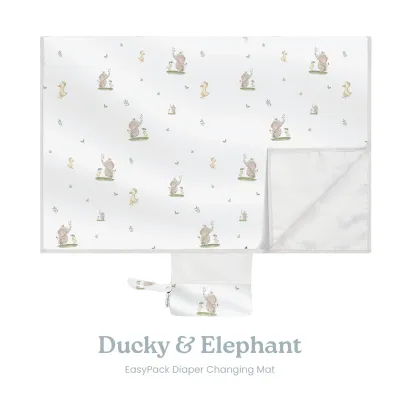
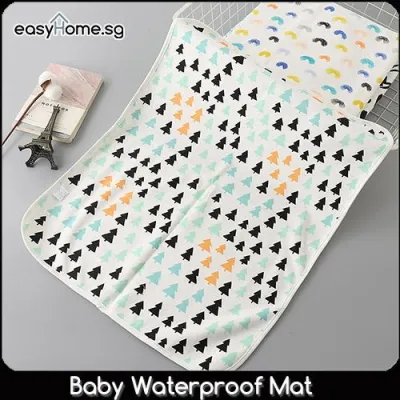

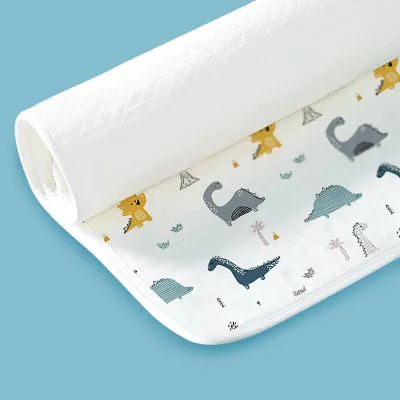
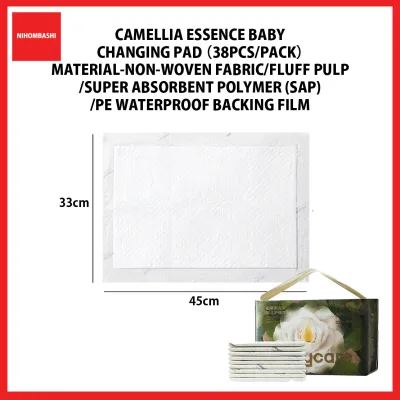
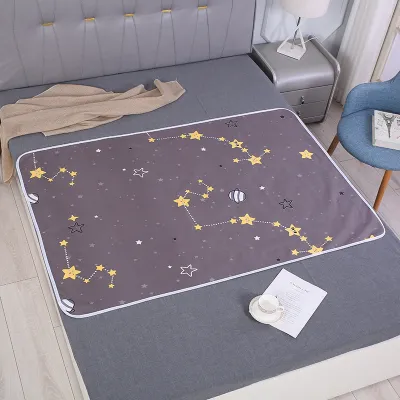
Prices are valid at publication and may change. Please refer to the product page for the latest price.
The ease of cleaning is a crucial factor that directly impacts your daily routine and long-term convenience. Molded PU and PVC-coated pads offer a seamless, wipe-clean surface that can be sanitized in seconds using a damp cloth or a mild, baby-safe sanitizing spray. This instant cleanup is incredibly convenient during messy diaper changes and eliminates the need for extra laundry. In contrast, fabric pads with removable covers require regular washing in a washing machine. While fabric feels cozy and warm against a baby’s skin, a single diaper leak means you must strip the cover, wash it, and wait for it to dry, making it necessary to purchase multiple backup covers to avoid downtime.
Durability is another essential dimension to compare across brands, particularly in Singapore’s warm and highly humid climate. High humidity can accelerate the degradation of low-quality synthetic coatings, leading to peeling, cracking, or sticky surfaces over time. When comparing brands, look closely at the seam construction; heat-sealed or welded seams are highly superior to stitched seams because they completely prevent liquids, oils, and moisture from penetrating the inner foam core. Stitched seams can trap moisture and organic matter, creating a breeding ground for mold, mildew, and bacteria. Additionally, if you select a fabric-covered pad, inspect the quality of the zippers; they should be heavy-duty, rust-resistant, and recessed or covered by a fabric flap to prevent scratching your baby’s delicate skin or scraping your nursery furniture.
To ensure you are getting a high-quality and safe product, you must learn to read manufacturer specifications rather than relying solely on vague marketing terms like “eco-friendly” or “all-natural.” Reliable brands will explicitly list their material composition and highlight recognized safety certifications on their packaging or official websites. For example, look for certifications such as OEKO-TEX Standard 100, which verifies that the textile components have been tested for harmful levels of toxic substances, or CertiPUR-US, which ensures the polyurethane foam meets strict standards for emissions and durability. Always check the physical product label or the manufacturer’s official digital documentation to verify these safety claims before making a purchase.
Matching Changing Pad Designs to Your Nursery and Lifestyle
Setting up a nursery in Singapore often requires balancing space constraints with daily convenience. The best changing pad design for your home depends heavily on whether you have a dedicated changing table, a multi-functional dresser, or need a flexible solution that can be packed away when not in use.

Contoured Pads for Dedicated Changing Stations
Contoured changing pads feature raised curved sides—usually along the two longer edges—that create a shallow, secure valley designed to help keep your baby centered and minimize side-to-side rolling. This structural design is ideal for parents who have a dedicated changing table or a secure wooden changing topper mounted on top of a standard chest of drawers. The raised edges provide a physical boundary that helps manage an active, squirming baby during clothing and diaper changes.
However, contoured pads require specific considerations before purchase. Because of their curved shape, you must use specially designed fitted covers that match the pad’s dimensions; standard flat sheets will bunch up or pull the corners upward, compromising the pad’s flat base. Additionally, contoured pads are bulky and rigid, making them unsuitable for travel or moving between rooms. You must measure the interior dimensions of your changing table or dresser topper precisely to ensure the contoured pad fits snugly inside the recess without pinching or warping.
Portable and Foldable Pads for On-the-Go Use
For parents who travel frequently, visit family, or navigate public spaces in Singapore, a portable and foldable changing pad is an indispensable tool. These travel-friendly pads prioritize lightweight materials, compact dimensions, and easy folding mechanisms, often transforming into a sleek clutch or wristlet that can be carried independently or slipped into a diaper bag. Many high-quality portable designs feature integrated storage pockets to hold a small supply of diapers, wipes, and diaper creams, allowing you to carry all your essentials in one hand.
While convenience is the primary benefit, you should carefully evaluate the padding thickness and head support of portable options. Premium portable pads often incorporate built-in memory foam pillows or extra cushioning to protect your baby’s head from hard public changing tables, whereas basic travel mats are often just thin sheets of plastic. Keep in mind the trade-offs: portable pads offer a significantly smaller surface area, meaning your baby may quickly outgrow the padded portion, and they lack raised safety edges, requiring absolute vigilance and hands-on contact at all times.
Flat and Wipe-Clean Pads for Easy Maintenance
Flat, molded changing pads have gained immense popularity among modern parents due to their minimalist aesthetic and exceptional hygiene standards. Typically constructed from solid, high-density polyurethane foam, these pads feature a completely smooth, non-porous surface with no fabric seams, zippers, or crevices where liquids can pool or bacteria can hide. This design makes daily maintenance incredibly simple, as the entire surface can be wiped clean and sanitized instantly.
Because they are flat and sturdy, these pads offer excellent versatility and can be placed on top of standard dressers, tables, or even secure floor spaces. They usually feature integrated rubber feet or a high-friction, anti-slip backing that keeps the pad firmly in place on smooth wooden or laminate surfaces. However, because flat pads lack high, rigid protective barriers, they rely heavily on the friction of their backing and the active use of safety straps. Constant, hands-on adult supervision is absolutely mandatory, as an active baby can easily slide or roll if left unattended.
Critical Safety Specifications to Verify on Product Labels
When choosing a diaper changing pad brand, safety must be your absolute priority. The first safety specification to verify is the presence of a robust anti-slip base or physical anchoring mechanism. A changing pad must remain completely stationary on your furniture during use. Look for brands that feature a non-skid bottom made of textured rubber or silicone grips. For elevated changing stations, choose a pad that includes physical anchor straps; these straps allow you to screw or secure the pad directly to the back of your dresser or changing table, preventing the entire pad from sliding forward or tipping over if your baby kicks against the wall or squirms vigorously.
Safety straps designed to secure your baby to the pad are another critical feature to evaluate. Inspect the quality of the safety strap: it should be made of heavy-duty nylon webbing with an adjustable, sturdy buckle that is easy for you to secure and release but difficult for a child to manipulate. Check the anchor points where the straps attach to the pad itself; they should be deeply embedded or securely stitched into the core structure of the pad rather than lightly glued to the outer cover. Always verify that the straps are positioned correctly across your baby’s lower torso and adjusted snugly, but remember that a safety strap is an aid, not a guarantee of safety.
You must also check the manufacturer-specified weight and age limits printed on the product label. Most standard changing pads are rated for babies up to 13 to 15 kg, which typically covers the first 12 to 24 months of life. However, physical developmental milestones are far more important than age or weight limits. Once your baby becomes highly active, can roll over easily, or attempts to pull themselves up to a sitting or standing position, you should transition away from elevated changing pads. At this stage, continuing to change your baby on an elevated surface poses a significant fall hazard, and it is safer to transition to changing them on a secure mat placed directly on the floor.
Regardless of the brand’s safety features, raised edges, or advanced safety straps, the universal safety rule remains absolute: never leave your baby unattended on a changing pad, even for a split second. A baby can roll or slide unexpectedly, and falls from changing tables can result in serious injury. Always keep at least one hand on your baby during the entire changing process, and ensure all your supplies—diapers, wipes, creams, and fresh clothes—are within arm’s reach before you place your baby on the pad. If you must step away for any reason, pick your baby up and take them with you.
Before using your changing pad for the first time, read the manufacturer’s instruction manual thoroughly to check for specific installation warnings or hardware requirements. Some brands require specific clearance distances from walls, while others specify the types of wood or laminate surfaces their anti-slip bases are compatible with. Ensure that you follow all assembly and mounting instructions precisely, and regularly inspect the hardware, straps, and buckles for any signs of wear, fraying, or loosening over time. If any safety component is damaged or missing, stop using the pad immediately and contact the manufacturer for replacement parts.
How to Assess Brand Reliability and Local After-Sales Support
Investing in a high-quality diaper changing pad, especially a premium molded polyurethane model, is a long-term decision, making brand reliability and local after-sales support crucial factors. Start by verifying the manufacturer’s warranty terms on their official website or product packaging. A reputable brand will offer a clear warranty—typically ranging from one to two years—that covers manufacturing defects such as split seams, peeling coatings, or structural foam failure. Be sure to read the fine print to understand what is excluded, as warranties generally do not cover normal wear and tear, staining from diaper creams, or damage caused by using unauthorized, harsh chemical cleaners.
To ensure you receive a genuine product and have access to valid warranty support, it is highly recommended to purchase your changing pad from authorized local mother-and-baby retailers or official online brand stores in Singapore. Purchasing parallel imports or buying from unauthorized third-party sellers on online marketplaces can be risky; these products may not comply with local safety standards, and you may find yourself without any customer support or recourse if the product arrives damaged or fails prematurely. Authorized local retailers can facilitate quick exchanges and provide direct access to the manufacturer’s customer service team.
When researching different brands, take the time to critically read verified customer reviews, focusing on feedback regarding long-term durability and customer service responsiveness. Look for patterns in the reviews rather than isolated complaints; if multiple parents report that a specific pad’s waterproof coating began to peel or crack after a few months of normal use, or that the customer service team was unresponsive to warranty claims, these are significant red flags. Conversely, positive reviews that praise a brand’s hassle-free return policies and prompt communication indicate a reliable company that stands behind its products.
Finally, consider the availability of replacement parts and accessories when evaluating brand reliability. Top-tier brands often sell individual replacement parts, such as extra fabric covers, replacement safety straps, or mounting hardware kits. This is highly beneficial because it allows you to refresh your changing station for a second child or replace a worn-out component without needing to purchase an entirely new changing pad. Choosing a brand that offers accessible replacement parts not only provides better long-term value but also supports a more sustainable approach to baby gear.
Frequently Asked Questions (FAQ)
Is a contoured changing pad safer than a flat one?
While contoured changing pads feature raised curved edges that help keep your baby centered, they are not inherently safer than flat pads and do not prevent falls if a baby rolls or kicks vigorously. The primary safety measure for any changing pad, regardless of its shape, is active adult supervision and the proper use of safety straps. A flat pad with a highly effective anti-slip base and a securely buckled safety strap, used under constant parental supervision, is just as safe as a contoured pad. Never rely on the physical shape of a pad to keep your baby secure; always keep one hand on your baby at all times.
How should I clean and maintain a wipeable changing pad?
To preserve the integrity of wipeable materials, use mild soap and warm water or gentle, alcohol-free baby wipes for daily cleaning immediately after each diaper change. Avoid using harsh household chemicals, bleach, ammonia, or abrasive scrubbing pads, as these can permanently degrade the waterproof coating, cause the material to discolor, or lead to premature cracking. After cleaning, allow the pad to air dry completely in a well-ventilated area before storing or folding it. This is especially important in Singapore’s humid climate to prevent the growth of mold or mildew on the surface or seams.
What measurements do I need to check for dresser compatibility?
Before purchasing a changing pad, measure the exact length, width, and depth of your dresser top or the recessed area of your changing table. Compare these measurements directly against the manufacturer’s product specifications to ensure the pad will sit completely flat without overhanging any edges. An overhanging pad can tip or slide when weight is applied, posing a severe safety hazard. Additionally, account for any extra clearance needed at the back of the dresser for anchoring hardware or safety straps, and ensure the surface material of your dresser is compatible with the pad’s anti-slip backing.

Community discussion
Share your experience or ask a question. Comments are reviewed before publication.