
To choose the best diaper bag organizer for day trips in Singapore, parents must prioritize water-resistant materials, structural stability, and specialized compartments tailored to their daily itinerary. Whether navigating a humid outdoor park or transitioning to a heavily air-conditioned shopping mall, the right insert keeps baby essentials sanitary, structured, and accessible. By transforming any standard tote or backpack into a dedicated baby gear station, a high-quality organizer ensures you can manage diaper changes and feeding times efficiently while keeping one hand free for your child.
Why Singapore Day Trips Demand a Smart Diaper Bag Organizer
Singapore’s tropical climate, characterized by high relative humidity and sudden, heavy downpours, presents a distinct challenge for carrying baby gear. When humidity levels are high, moisture can easily become trapped inside standard canvas or fabric bags. Without a proper water-resistant barrier, this trapped moisture can quickly ruin clean diapers, damp clothing, or dry snacks, creating an environment where mold and mildew can develop.
Furthermore, local day trips frequently involve moving between extreme temperature zones. Parents often transition from the sweltering heat of outdoor venues like the Singapore Botanic Gardens or the Singapore Zoo directly into heavily air-conditioned shopping malls, museums, or MRT stations. These rapid temperature fluctuations can cause condensation to build up inside your bag, which can dry out baby wipes or cause prepared baby formula and expressed breast milk to spoil if not properly insulated.
Products mentioned in this guide
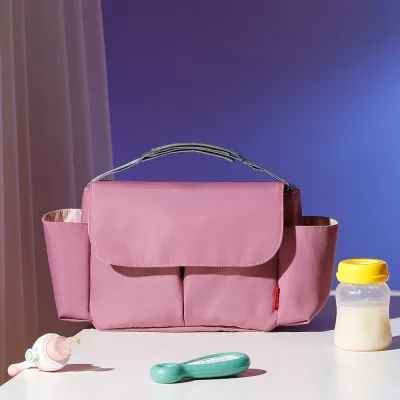
![[Ready Stock in SG] Multifunctional Baby Infant Newborn Diaper Nappy Stacker Organizer Crib Hanging bag [Little Gems]](https://img.lazcdn.com/g/p/a97d47f7037a82418a0c42d1915aba4f.jpg_400x400q80.jpg_.webp)
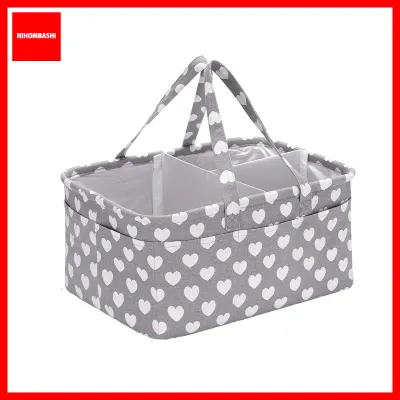
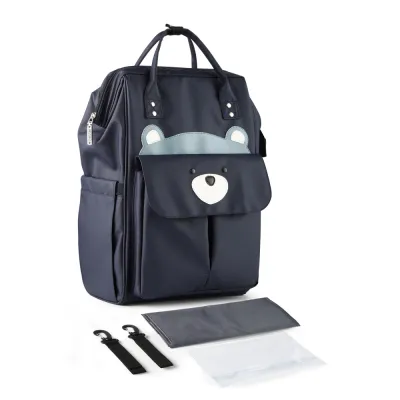
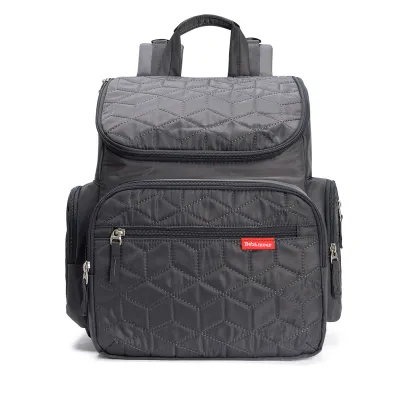
Prices are valid at publication and may change. Please refer to the product page for the latest price.
The fast-paced nature of navigating Singapore’s urban landscape also demands efficiency. Whether you are boarding a crowded bus, managing a stroller in a busy lift, or exploring an outdoor playground, you rarely have the luxury of using both hands to search through a cluttered bag. A smart organizer ensures that every essential has a designated spot, allowing you to locate wipes, sanitizers, or pacifiers instantly during a sudden spill or blowout.
Essential Features to Evaluate Before Buying
When selecting a diaper bag organizer, evaluating the material and its maintenance requirements is the first step toward long-term utility. Look for high-density nylon, polyester, or TPU-coated fabrics that offer robust water resistance. The interior lining should be completely wipe-clean, allowing you to sanitize spills from milk, purees, or diaper creams instantly. Porous fabrics like untreated cotton canvas or cheap felt should be avoided, as they absorb moisture, trap odors, and are difficult to clean in humid weather.

Compartmentalization is another critical factor, but it is important to look beyond the sheer number of pockets. A truly functional organizer balances open-access slots with secure, zippered compartments. Open slots are ideal for items you need to grab in a split second, such as tissues, hand sanitizer, or a teething toy. Zippered pockets keep small medications, keys, or personal valuables secure, while dedicated, upright bottle sleeves prevent liquid leaks that could ruin the rest of your gear.
Size and compatibility must be verified before making a purchase. Use a measuring tape to find the internal dimensions of your favorite everyday tote, backpack, or diaper bag, and compare them directly with the organizer’s specifications. An insert that is too large will distort the shape of your bag and make it difficult to close, while one that is too small will slide around, causing items to tip over. Additionally, choose lightweight materials to ensure the insert does not add unnecessary bulk before you even begin packing.
Finally, consider the structural integrity of the organizer. A flimsy insert will collapse under the weight of its contents, burying items at the bottom and forcing you to dig around blindly. A rigid or semi-rigid frame—often achieved with reinforced baseboards or padded walls—allows the organizer to stand upright independently. This self-standing design is incredibly useful when you need to place the insert on a public changing table, a restaurant chair, or a park bench, allowing you to work out of it like a portable drawer.
Recommended Organizer Types for Different Outing Styles
The Insulated Feeding Focus Organizer
For full-day outdoor itineraries where food safety and hydration are top priorities, an insulated feeding-focused organizer is indispensable. When spending hours at outdoor attractions like Jurong Lake Gardens, East Coast Park, or Sentosa, you are often far from immediate refrigeration. The intense local heat can quickly spoil milk, yogurt, and fresh fruit, making temperature control a safety necessity.
These organizers feature thick thermal insulation, often utilizing food-grade aluminum foil or specialized PEVA linings. They typically include multiple dedicated bottle sleeves, ice pack pockets, and separate dry compartments for snacks and utensils. This separation prevents condensation from dampening dry food or spare clothing, keeping everything fresh and ready for consumption.
However, parents should note that these organizers are naturally heavier and bulkier due to the dense insulation layers. They will occupy a significant portion of your main bag’s capacity. Before buying, check the manufacturer’s thermal retention specifications on the product label to ensure it meets your specific needs for expressed milk or formula. It is also wise to verify if the organizer fits comfortably alongside other essentials in your primary bag.
The Lightweight Minimalist Insert
If your day trip consists of indoor mall hopping, visiting a local cafe, or a brief playdate at an indoor playground, a lightweight minimalist insert is the ideal choice. This style is designed for parents who want to transition from a bulky diaper bag to a sleek, everyday designer tote or a small backpack without losing organization.
These inserts are typically constructed from thin, high-strength nylon or polyester. They feature a slim profile with a focus on essential pockets: a couple of diaper slots, a wipe pocket, a space for a water bottle, and a secure zippered pocket for your phone and keys. They add virtually no extra weight to your shoulder.
The trade-off with minimalist inserts is their lack of heavy insulation and limited depth. They are not designed to carry multiple changes of clothes, bulky toys, or complex feeding setups. To use this style successfully, you must pack strategically, carrying only the absolute essentials for a two- to three-hour window. If your child is an infant who requires frequent bottle feedings, you may need to pair this insert with a separate compact thermal sleeve.
The All-in-One Changing Station Organizer
Public restrooms in Singapore are widely available, but not all of them feature clean, spacious, or well-equipped baby care rooms. For outings to older shopping centers, nature reserves, or outdoor markets, an all-in-one changing station organizer provides peace of mind and hygienic security.
This type of organizer is characterized by its self-contained design. It typically includes a built-in or detachable, padded, wipe-clean changing mat that unfolds easily. It features dedicated high-capacity pockets for diapers, a built-in dispenser pocket for baby wipes, and a separate wet bag or waterproof compartment to isolate soiled clothing or dirty diapers until you find a waste bin.
This is often the largest type of organizer, requiring substantial space inside your main diaper bag or occupying the entire stroller basket. Before purchasing, verify the changing pad’s dimensions and weight capacity against your baby’s current length and development stage. Ensure the pad is long enough to protect your child’s head and torso from public surfaces. Additionally, check the manufacturer’s care instructions, as some changing mats must be hand-washed and air-dried to preserve their waterproof coatings.
Smart Packing Strategies for a Clutter-Free Day
To maintain order during a busy day, pack your organizer using a logical hierarchy. Place items you hope you will not need immediately—such as spare clothing, extra diapers, and medical kits—at the bottom or in the innermost compartments. Keep frequently accessed items like baby wipes, hand sanitizer, pacifiers, and a portable mini-fan in the exterior pockets or right at the top. This ensures you can react to a spill or a crying child instantly without digging through layers of gear.
Even the best organizers can become cluttered if small items are thrown in loose. Use small, reusable silicone bags, clear TPU pouches, or mesh bags within your organizer to group tiny essentials. For example, keep teething toys in one clear pouch, hair clips and sunscreen in another, and dry snacks in a third. This sub-compartmentalization prevents small items from sinking to the bottom of deep pockets and makes transitioning items between bags effortless.
Before heading out the door, run through a quick checklist tailored specifically to the local environment:
- Mosquito Repellent: Essential for outdoor parks, nature reserves, and even outdoor dining areas. Check the manufacturer's age guidelines on the label before applying.
- Sun Protection: Baby-safe sunscreen and a lightweight wide-brimmed hat to shield your child from intense tropical UV rays.
- Air-Conditioning Layer: A lightweight cardigan, muslin swaddle, or long-sleeved top to protect your child from sudden temperature drops in air-conditioned malls or MRT trains.
- Wet Bag: A dedicated waterproof pouch for damp clothes, whether from sweat, sudden rain, or water play areas.
Frequently Asked Questions (FAQ)
Can I use a regular makeup or travel organizer as a diaper bag insert?
Standard makeup or travel organizers often lack the specialized features required for infant care, such as insulated bottle sleeves to prevent milk spoilage, or waterproof wet compartments to isolate soiled clothing. They are also rarely designed with a rigid structure that stands upright when open. However, a regular travel organizer can work well for short outings with older toddlers who no longer require bottles or frequent diaper changes, and only need dry snacks, a water bottle, and a pack of wipes. For infants, a dedicated diaper bag organizer is highly recommended for safety and hygiene.
How do I clean and maintain my diaper bag organizer to prevent mold in a humid climate?
To prevent mold and mildew in Singapore’s humid climate, empty your organizer completely at the end of every day trip. Wipe down all interior and exterior surfaces with a damp cloth and a mild, baby-safe cleanser. Pay close attention to corners and seams where crumbs or spilled milk can accumulate. After wiping, leave the organizer fully open to air-dry in a well-ventilated indoor area away from direct sunlight, which can degrade synthetic fabrics over time. Avoid machine washing or using harsh bleach unless explicitly permitted by the manufacturer’s care instructions, as these methods can destroy water-resistant coatings and thermal insulation layers.
Community discussion
Share your experience or ask a question. Comments are reviewed before publication.