
Selecting the best cotton balls for newborn grooming in Singapore requires prioritizing material purity, structural density, and hygienic packaging. While popular brands like Suzuran Baby, Pigeon, and pharmacy-house options from Guardian or Watsons are widely available, the ideal choice depends on verifying that the product is made of 100% pure, unbleached, lint-free cotton. Because newborn skin is exceptionally delicate, choosing products free from optical brighteners and synthetic binders is essential to prevent irritation during daily cleaning routines.
Why Newborn Skin Requires Specialized Cotton Balls
Newborn skin is incredibly delicate, requiring a level of care that differs significantly from adult skincare routines. At birth, an infant’s skin barrier is still developing. It is roughly 30% thinner and much more permeable than adult skin, which means it loses moisture rapidly and absorbs environmental substances more easily. Because the protective outer layer is fragile, even mild friction from coarse materials can cause micro-abrasions, redness, and localized irritation.
Standard adult cotton balls are often processed with industrial methods that are unsuitable for newborns. Many adult-use cotton products undergo chlorine bleaching to achieve a bright white appearance, which can leave behind trace chemical residues or optical brighteners. Additionally, these products frequently contain shorter, coarser fibers or synthetic binders that easily shed, leaving fine lint on your baby’s skin. This lint can trap moisture, irritate tiny skin folds, or trigger contact dermatitis on sensitive areas.
Products mentioned in this guide
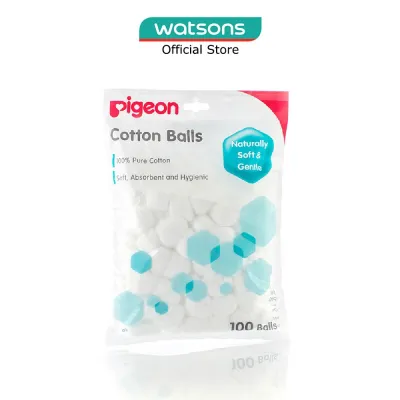
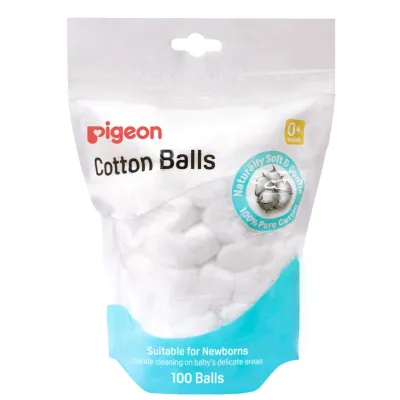
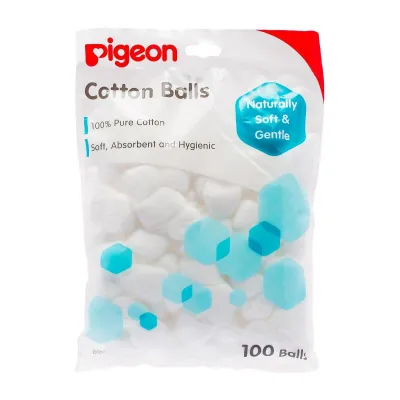
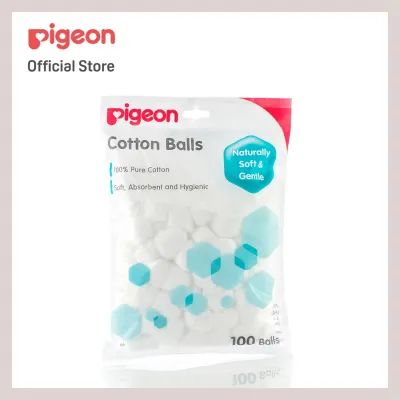
Prices are valid at publication and may change. Please refer to the product page for the latest price.
Grooming tools designed specifically for infants prioritize material purity, structural integrity, and strict hygiene standards. High-quality baby cotton products utilize longer fibers and specialized manufacturing techniques to ensure they remain intact when wet. By choosing dedicated baby cotton balls, you minimize the risk of chemical exposure and physical friction, supporting your newborn’s natural skin development during those crucial first months.
Essential Features to Look for in Baby Cotton Balls
When evaluating cotton balls for your newborn, focusing on specific material and manufacturing standards ensures you select a safe, reliable product. Parents in Singapore have access to a wide variety of local and international brands, making a structured checklist essential for making an informed choice.

Material Purity and Bleaching Methods The primary consideration for any infant cotton product is its material composition. Look for labels indicating 100% pure cotton, which naturally offers the softest texture and highest compatibility with sensitive skin. Organic cotton is an excellent choice as it is grown without synthetic pesticides. Furthermore, pay close attention to the bleaching process. Opt for products labeled as “unbleached” or processed using hydrogen peroxide rather than chlorine, as this eliminates the risk of chemical residues remaining on the fibers.
Lint-Free Structural Integrity A high-density weave is critical for preventing shedding. When cotton fibers break apart, they leave behind tiny particles of lint. This lint can cling to wet skin, accumulate in the folds of the neck or groin, or find its way into your baby’s eyes and healing umbilical cord stump. Before purchasing, verify that the cotton balls are designed to hold their shape when saturated with water. High-quality options use water-jet processing or spunlace technology to bind the fibers together without using chemical adhesives.
Absorbency and Cushioning Softness Excellent water retention is a key functional requirement. A superior baby cotton ball should absorb several times its weight in liquid, allowing you to clean your baby effectively using only cooled boiled water or gentle, prescribed cleansers. This high absorbency creates a plush, cushion-like barrier between your hand and the baby’s skin. This cushioning minimizes the physical pressure applied during wiping, significantly reducing the risk of friction-induced redness.
Hygienic Manufacturing and Resealable Packaging Because newborn immune systems are still developing, the hygiene of grooming products is paramount. Look for brands that employ medical-grade sterilization or cleanroom packaging processes. In Singapore’s humid climate, packaging plays a vital role in maintaining hygiene after purchase. Select products that come in thick, dust-proof, and resealable bags. This prevents moisture, airborne dust, and household allergens from contaminating the clean cotton balls once the package has been opened.
Absence of Chemical Additives Always inspect the ingredient list to ensure the cotton balls are free from added fragrances, synthetic lotions, preservatives, or alcohol. While some adult cosmetic cotton pads include these additives to soothe skin, they can disrupt a newborn’s natural skin pH and trigger allergic reactions. Pure, additive-free cotton combined with plain water remains the safest standard for daily newborn care.
Cotton Balls vs. Pads vs. Buds: Choosing the Right Tool
Building a newborn grooming kit involves understanding the distinct roles of different cotton-based tools. Misusing a product can lead to skin irritation or accidental injury, so it is important to match the correct tool to each specific grooming task.
Cotton Balls Cotton balls are the traditional choice for general, large-area cleaning. Their spherical shape and loose fiber structure allow them to hold a significant amount of liquid, making them ideal for wiping the diaper area during the first few weeks, cleaning the outer ear, or dabbing water onto sensitive skin folds. However, because they are less compressed than pads, lower-quality cotton balls are more prone to shedding fibers when wet. They are best reserved for tasks where a high volume of liquid and soft cushioning are required.
Cotton Pads (Rounds and Squares) Cotton pads feature a flat, compressed design with sealed edges, making them exceptionally lint-resistant. This structural stability makes them the preferred choice for precise tasks, such as wiping your baby’s face, cleaning around the eyes, or applying barrier creams. Because they do not fray easily, they leave virtually no fibers behind on the skin. Many parents prefer large cotton sheets or squares for diaper changes, as they cover a wider surface area and offer a clean, flat wiping plane.
Cotton Buds (Swabs) Cotton buds consist of small cotton tips wound tightly around a plastic, paper, or wooden stem. In newborn care, their role is highly restricted. They should only be used to clean visible debris from the outer folds of the ear (the pinna) or to gently clean the dry crevices around the base of the umbilical cord stump if advised by your healthcare provider.
Safety Warning for Cotton Buds Never insert cotton buds into your baby’s ear canal or nostrils. Doing so can push earwax or mucus deeper, cause painful impactions, or puncture the delicate eardrum. If you choose to use cotton buds for outer-ear grooming, look for baby-specific safety swabs. These feature a bulbous, stepped design that physically prevents the bud from entering the ear canal, ensuring a safe grooming experience.
Safe Grooming Practices: Using Cotton Balls on Newborns
Applying the correct techniques during daily grooming routines ensures your baby remains clean, comfortable, and free from infection. Here is how to safely use cotton balls for the most common newborn care tasks.
Gentle Eye Cleaning Cleaning a newborn’s eyes requires a strict hygienic protocol to prevent the spread of bacteria. Always wash your hands thoroughly with soap and water before beginning. Dampen a sterile cotton ball or pad with cooled, boiled water. Gently wipe from the inner corner of the eye (near the nose) to the outer corner. Use a separate, fresh cotton ball for each eye, and discard them immediately after a single wipe. Never rub the eye or use the same cotton ball twice, as this can cross-contaminate a healthy eye if the other has a mild blockage or infection.
Umbilical Cord Care The primary medical recommendation for umbilical cord care is to keep the stump clean and dry, allowing it to fall off naturally. If your pediatrician advises cleaning the area around the base of the stump, use a sterile cotton ball or safety swab slightly dampened with water or a prescribed antiseptic. Gently dab around the base without pulling, tugging, or applying pressure to the stump itself. Allow the area to air-dry completely before dressing your baby. If you notice any oozing, redness, or a foul odor, stop cleaning and contact your pediatrician immediately.
Diaper Area Wiping During the first few weeks of life, a newborn’s skin is highly sensitive to the synthetic materials and preservatives found in commercial baby wipes. Many pediatricians recommend using pure cotton balls or large cotton pads dampened with warm water instead. When wiping, use a gentle “patting” or “rolling” motion rather than a dragging, rubbing motion. This minimizes friction on the delicate diaper area. Ensure the skin is completely dry—either by letting it air-dry or gently patting it with a dry cotton ball—before applying diaper cream and putting on a fresh diaper.
Nail and Skin Fold Care Newborns have numerous skin folds around their neck, thighs, wrists, and armpits where sweat, milk, and lint can accumulate. If left damp, these areas can quickly develop yeast infections or painful chafing. Use a damp cotton ball to gently clean out these creases, then follow up immediately with a dry, lint-free cotton ball to absorb all remaining moisture. Avoid using baby powder, as the fine particles can be harmful if inhaled by your infant.
Recognizing Medical Boundaries While daily grooming is essential, parents must recognize when a skin issue requires professional medical intervention rather than home care. If you observe persistent redness, swelling, yellow or green discharge, bleeding, or a foul odor around the umbilical cord or eyes, consult a pediatrician. Do not attempt to treat suspected infections, severe diaper rashes, or cradle cap with home remedies, over-the-counter medicated creams, or aggressive scrubbing.
Red Flags: What to Avoid in Baby Cotton Products
Not all products marketed for babies meet the high safety standards required for newborn care. Being able to identify potential warning signs on packaging and product physical characteristics will help you protect your baby from unnecessary skin irritation.
Hidden Synthetic Materials and Heavy Bleaching Avoid products that do not explicitly state “100% cotton” on the packaging. Some manufacturers blend cotton with synthetic polyester fibers to reduce production costs. These synthetic blends are less absorbent and can feel rougher against delicate skin. Additionally, steer clear of cotton balls that have a stark, unnatural fluorescent white glow under bright light, as this often indicates the use of optical brighteners. These chemical compounds remain on the fibers and can cause allergic contact dermatitis when they come into contact with wet skin.
Misleading and Unregulated Marketing Claims Be cautious of cotton products labeled as “antibacterial,” “medicated,” or “infused with aloe vera” unless they have been specifically recommended by your child’s pediatrician. These additives often contain chemical preservatives or active ingredients that can disrupt the natural, protective acid mantle of your baby’s skin. For standard daily grooming, plain, additive-free cotton is always the safest and most reliable option.
Inadequate or Damaged Packaging In Singapore’s tropical climate, packaging is a critical line of defense against environmental contaminants. Avoid buying cotton balls sold in flimsy, open-topped plastic bags or bulk bins. These non-resealable packages expose the cotton to high humidity, dust, household pests, and airborne mold spores. If a package arrives with punctures, tears, or signs of dampness, discard the product immediately, as its sterility and hygiene have been compromised.
Shedding, Fraying, and Coarse Texture You can perform a simple quality check on any cotton ball before using it on your newborn. Gently pull the cotton ball between your fingers. If it easily disintegrates, sheds loose fuzz onto your hands, or feels scratchy, do not use it on your baby. Low-quality cotton that frays easily poses a risk of leaving fibers in your baby’s eyes or wound sites, which can lead to localized irritation or foreign-body reactions.
Where to Buy and How to Verify Safety in Singapore
Navigating the retail landscape in Singapore to find high-quality baby cotton products is straightforward if you know where to look and how to verify product safety claims.
Reliable Purchasing Channels To ensure you are purchasing authentic, high-quality products, buy directly from established physical and digital retailers. Major pharmacies in Singapore, such as Guardian and Watsons, carry reputable house brands and medical-grade cotton. Specialized maternity and baby stores, as well as official brand flagship stores on major e-commerce platforms, are also reliable sources. Avoid purchasing from unverified third-party online sellers offering unusually low prices, as these products may be counterfeit, expired, or stored in substandard conditions.
Physical Label Verification When you receive your cotton products, take a moment to inspect the physical packaging. Verify that the label lists “100% cotton” as the sole material. Check for the manufacturer’s name, batch number, and local distributor contact details. Reputable brands will clearly print this information, along with clear usage instructions and any relevant safety warnings.
Verifying Safety Certifications Many premium baby cotton brands highlight safety certifications on their packaging, such as the OEKO-TEX® Standard 100, which certifies that the textile is free from harmful levels of toxic substances. While these certifications provide peace of mind, you can verify their validity by checking the certification number on the issuing organization’s official website if you suspect the packaging is counterfeit or misleading.
Storage Guidelines for Singapore’s Climate Singapore’s high relative humidity presents a unique challenge for storing sterile cotton products. High humidity can cause dry cotton to absorb airborne moisture, creating an ideal breeding ground for mold and bacteria. To prevent this, store your baby cotton balls in a cool, dry place away from direct sunlight. Once you open a package, keep it tightly sealed. If the original bag does not have a reliable zip-lock closure, transfer the cotton balls to a clean, airtight, food-grade plastic or glass container. Always wash and dry your hands thoroughly before reaching into the container to retrieve a cotton ball.
Frequently Asked Questions (FAQ)
Can I use regular adult cotton balls for my baby in an emergency?
It is highly recommended to avoid using regular adult cotton balls for your newborn, as they often contain synthetic fibers, chemical residues, or optical brighteners that can irritate delicate infant skin. However, if you face an emergency and have no baby-specific products available, perform a strict safety check first. Inspect the adult cotton balls to ensure they do not shed fibers excessively. Dampen them thoroughly with cooled, boiled water to help rinse away any loose surface residues, squeeze out the excess liquid gently, and pat your baby’s skin with minimal pressure. Return to using dedicated baby-safe cotton as soon as possible.
Is it safe to use cotton balls for umbilical cord care?
Yes, it is safe to use cotton balls for umbilical cord care, provided you use sterile, high-density, lint-free cotton and follow your pediatrician’s specific instructions. The primary goal of cord care is to keep the stump clean and dry so it can heal and fall off naturally. If cleaning is required to remove dried fluid or debris, dampen a sterile cotton ball or safety swab with plain water or the antiseptic solution prescribed by your doctor. Gently dab the base of the stump, taking care not to pull or rub the tissue, and allow the area to air-dry completely.
How should I store opened cotton balls to maintain hygiene?
To maintain strict hygiene in Singapore’s humid climate, store opened cotton balls in a cool, dry area away from high-moisture zones like the bathroom or diaper changing table. Keep them in their original resealable, zip-lock packaging, or transfer them to a clean, airtight, food-grade container with a secure lid. This prevents the cotton from absorbing humidity and protects it from dust, pet dander, and mold spores. Always wash and dry your hands thoroughly before opening the container and extracting the cotton balls to prevent transferring bacteria from your hands to the clean supply.
Community discussion
Share your experience or ask a question. Comments are reviewed before publication.