
Selecting the right changing pad setup is a balancing act between your destination and the level of convenience you need. For indoor environments like shopping malls, a compact, highly organized diaper clutch with integrated storage allows you to navigate tight restroom stalls quickly. Conversely, outdoor excursions to parks or nature trails require a rugged, waterproof mat that shields your baby from damp grass, dirt, and uneven surfaces. By matching your changing pad’s material, size, and storage features to your specific outing, you can ensure a hygienic, stress-free diaper change.
Every parent quickly learns that diaper emergencies do not wait for a convenient location. A well-planned changing setup acts as a mobile sanitary station, protecting your baby from public surfaces while keeping essential supplies within arm’s reach. Whether you are navigating a bustling shopping center or enjoying an afternoon at a local park, the right gear minimizes stress and keeps your baby comfortable.
Assessing Your Primary Outing Environments
Before purchasing a portable changing pad, evaluate your weekly routine and the places you visit most frequently. If your days consist of strolling through air-conditioned shopping malls, visiting indoor play areas, or dining at local cafes, your needs will differ significantly from a family that spends weekends hiking, visiting botanical gardens, or relaxing on the beach. Indoor environments typically offer dedicated parenting rooms or public restrooms equipped with wall-mounted changing tables, meaning your primary challenge is hygiene and tight spaces rather than finding a flat surface.
Products mentioned in this guide
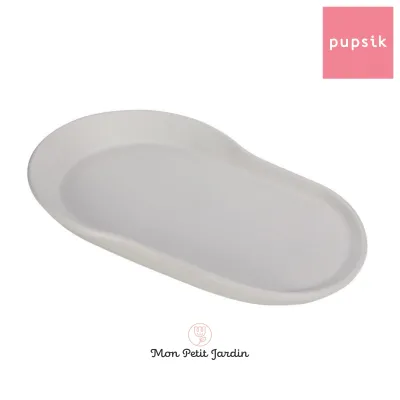
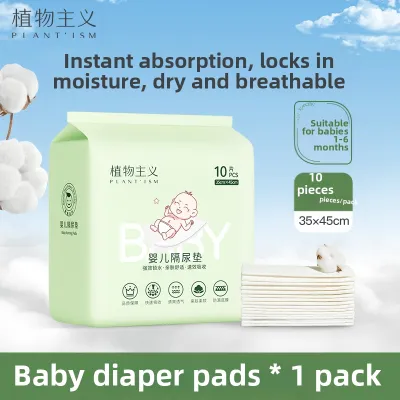
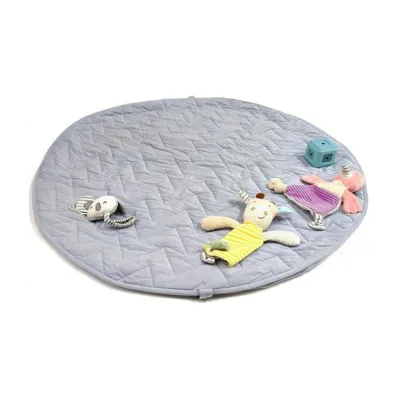
Prices are valid at publication and may change. Please refer to the product page for the latest price.
Outdoor excursions, on the other hand, require you to be entirely self-sufficient. In nature reserves, open-air parks, or beachside spots, you will rarely find a clean, flat changing table, forcing you to improvise on park benches, picnic tables, a patch of grass, or even the boot of your car. Additionally, consider your transportation and storage limits; a family relying on a compact stroller or public transit needs a highly streamlined, lightweight setup, whereas those traveling with a large pram can afford to carry a more substantial, fully featured changing station.
The Mall Trip Setup: Compact, Hygienic, and Organized
When heading to a busy shopping mall, space and hygiene are your top priorities. Public changing tables in family rooms see high foot traffic, making a reliable physical barrier essential. Look for a changing pad made from non-porous materials like polyurethane-coated fabrics or water-resistant polyester that can be easily wiped down with a sanitizing wipe. The surface must be completely waterproof to prevent liquids from soaking through to the public table or back into your clean diaper bag.

In crowded mall restrooms, space is often at a premium. A changing pad with a quick, one-handed folding mechanism is incredibly valuable here, allowing you to hold your baby securely in one arm while unfolding or packing up the mat with your free hand. Look for designs that fold down into a compact clutch shape, which can easily slide into a stroller organizer or be carried under your arm without taking up precious space in your diaper bag.
Integrated storage is another game-changing feature for indoor trips. A well-designed travel changing pad should feature built-in mesh pockets or zippered compartments sized to hold two to three diapers, a slim travel pack of wipes, and a small tube of barrier cream. This self-contained setup means you can leave your bulky diaper bag attached to the stroller outside the restroom and simply carry the compact changing clutch inside, keeping your hands as free as possible.
The Park and Outdoor Setup: Durable, Waterproof, and Spacious
Outdoor diaper changes present an entirely different set of challenges, as you must contend with natural elements like damp grass, dirt, sand, and uneven ground. The base material of your outdoor changing pad must be exceptionally rugged and fully waterproof on the bottom. Materials like heavy-duty ripstop nylon or water-resistant canvas are ideal because they prevent ground moisture from seeping through to the top layer where your baby lies, while resisting tears from twigs, gravel, or rough picnic tables.
Dimensions also play a critical role when changing a baby outdoors. Unlike indoor changing tables, which have raised protective barriers, outdoor surfaces offer no boundaries. A larger, more spacious unfolding pad provides a generous clean zone, ensuring that your baby’s head, hands, and feet remain fully insulated from the surrounding dirt or grass, even if they wiggle or roll. Look for a pad that offers extra length and width to accommodate your growing baby through different developmental stages.
Portability features must adapt to active outdoor lifestyles. When walking through expansive parks or nature trails, you need hands-free carrying options. Opt for an outdoor changing pad equipped with sturdy stroller clips, a built-in carabiner attachment, or an adjustable shoulder strap. These features allow you to clip the pad directly to the outside of your backpack or stroller frame, saving internal storage space for other essentials like water bottles and extra baby clothes.
Building a Versatile Everyday Changing Kit
To handle mixed itineraries without overpacking, you can build a versatile everyday changing kit centered around your portable mat. One of the most critical additions to this kit is a dedicated wet bag or waterproof pouch. In the event of a major blowout or soiled clothing emergency, a wet bag allows you to seal away dirty garments safely, preventing odors and moisture from contaminating the rest of your diaper bag.
Another essential accessory is a travel-sized wipe dispenser that can be clipped directly to your changing pad or diaper clutch. Having quick, one-handed access to wipes is vital when managing a messy change on an improvised surface. You can also include a small, travel-safe bottle of hand sanitizer for yourself, ensuring you can clean your hands immediately after the change, especially in outdoor settings where running water is not readily available.
When deciding whether to invest in a single hybrid pad or two specialized ones, consider your weekly routine. If you transition frequently between indoor malls and outdoor parks, maintaining two separate pads can be highly practical. A dedicated, rugged outdoor mat can handle the dirt and dampness of nature, while a clean, stylish diaper clutch remains reserved for indoor family rooms, preventing you from transferring outdoor grime into your clean diaper bag.
Safety, Cleaning, and Manufacturer Guidelines
Regardless of the environment, safety must always be your primary concern during a diaper change. Never leave your baby unattended on a changing pad, even for a split second. This rule is especially critical when using elevated, uneven, or improvised outdoor surfaces like park benches, picnic tables, or car seats, where a sudden roll or wiggle could lead to a fall. Always keep at least one hand securely on your baby throughout the entire process.
Proper maintenance is essential to keep your changing pad hygienic and extend its lifespan. Always check the manufacturer’s care label for specific washing instructions, temperature limits, and approved cleaning agents. While some fabric pads are machine washable, many waterproof and structured clutches are wipe-clean only. Avoid using harsh chemical bleach or abrasive disinfectants unless explicitly approved by the manufacturer, as these can degrade the waterproof coatings and damage the seams.
Regularly inspect your changing pad for signs of wear and tear, paying close attention to the seams, zippers, buckles, and waterproof linings. Over time, frequent folding and washing can cause waterproof coatings to crack or peel, which compromises the pad’s hygiene by allowing moisture and bacteria to penetrate the inner padding. If you notice any tears, exposed foam, or failing seams, it is time to replace the pad to ensure your baby always has a clean, safe surface.
Frequently Asked Questions (FAQ)
Can I use the same changing pad for both the mall and the park?
Yes, you can use a single hybrid changing pad for both environments, but it requires some compromise. A hybrid pad needs to be durable enough for outdoor ground use while remaining compact enough to fit on indoor changing tables. If you choose this route, you will need to clean the bottom of the pad thoroughly after every outdoor trip to avoid transferring dirt, grass, or outdoor allergens into your clean diaper bag or onto indoor public changing stations.
How do I clean a portable changing pad after outdoor use?
After an outdoor change, shake off any loose dirt, sand, or grass before folding the pad. Once home, wipe down both sides with a damp cloth and mild, baby-safe soap, paying extra attention to the bottom surface that touched the ground. Always refer to the manufacturer’s care label to see if the pad can be machine washed on a gentle cycle, and ensure the pad is completely air-dried in a well-ventilated area before folding it away to prevent mold and mildew growth.
Community discussion
Share your experience or ask a question. Comments are reviewed before publication.