
Quick Answer: What to Look for in Baby Noodles
Selecting the best baby noodles in Singapore requires looking beyond attractive packaging to focus on three critical pillars: nutritional safety, age-appropriate texture, and reliable sourcing. Infant kidneys are still developing, making low-sodium or zero-sodium formulations essential. Added sugars and artificial preservatives should be completely avoided to protect your child’s long-term health. The physical structure of the noodle must also align with your child’s oral motor development, transitioning from soft, easily mashable fine strands to thicker, textured shapes as chewing skills progress. Finally, always verify allergen warnings on the packaging and purchase from reputable, climate-controlled local supermarkets or authorized online distributors to ensure product safety and freshness.
How to Evaluate Baby Noodle Brands for Your Child
When evaluating different baby noodle brands, the ingredient list is your most reliable tool. Prioritize products made from high-quality, minimally processed grains. Whole grain options, such as brown rice, quinoa, spelt, or millet, offer significantly more dietary fiber, magnesium, and B vitamins than highly refined white wheat flour. These complex carbohydrates support steady energy release and healthy digestion. If you choose wheat-based noodles, ensure they are made from premium semolina or organic wheat flour without unnecessary additives.

Hidden sodium and chemical preservatives are common pitfalls in noodle manufacturing. Many adult noodles use sodium-based structural agents or preservatives to improve elasticity and shelf life. For infants, these ingredients are highly unsuitable. Carefully inspect the ingredient list for hidden terms like sodium carbonate, monosodium glutamate, or various sodium-based preservatives. The ideal baby noodle should contain only the primary grain and perhaps water or natural vegetable powders for color and flavor.
Products mentioned in this guide
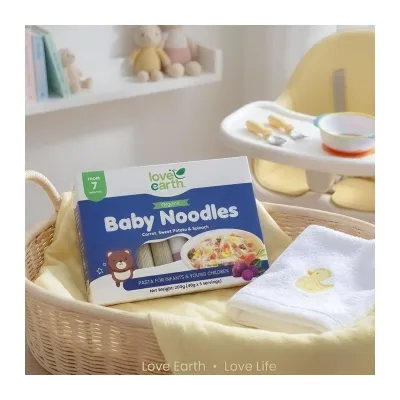
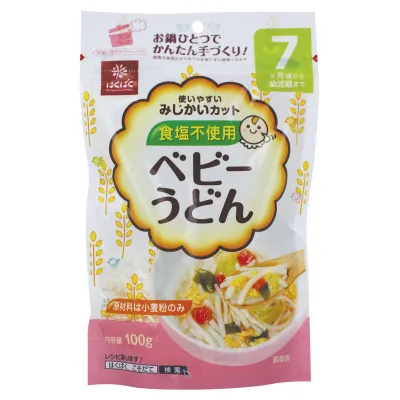
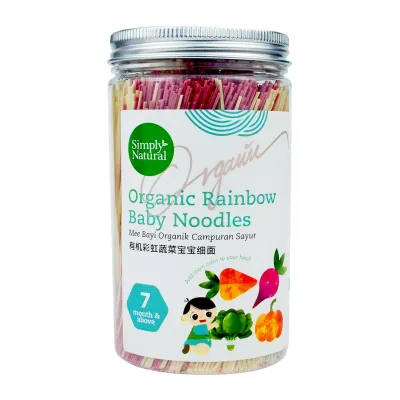
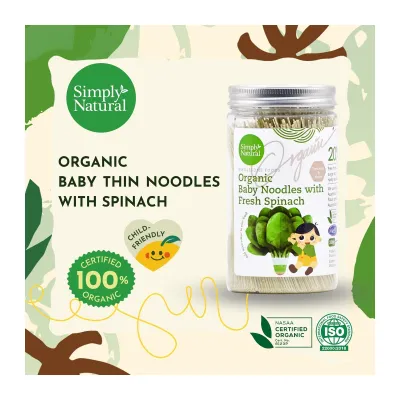
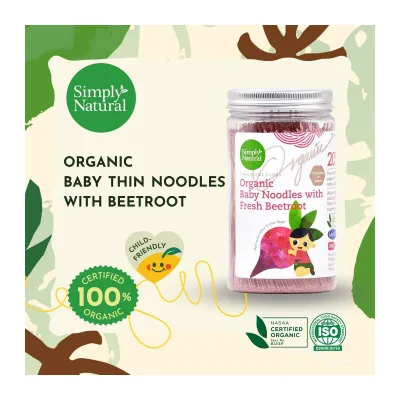
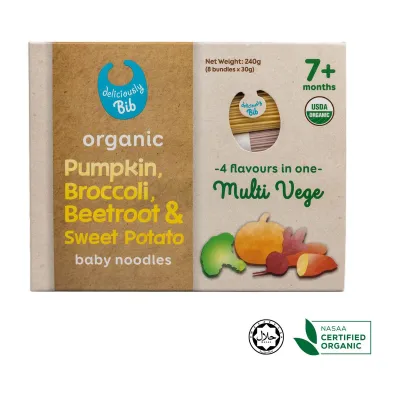
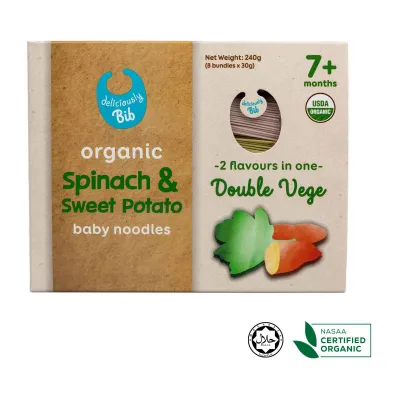
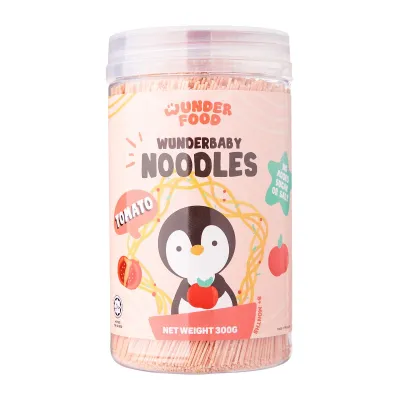
Prices are valid at publication and may change. Please refer to the product page for the latest price.
Texture and age-grading are equally important when selecting noodles. Manufacturers typically categorize baby noodles into stages based on developmental milestones. Stage 1 noodles, designed for infants around six months old, are typically ultra-fine, short-cut strands (often called somen style) that dissolve easily with minimal gumming. Stage 2 noodles, suitable for eight to ten months, are slightly thicker or flat to encourage lateral tongue movement. Stage 3 noodles, for twelve months and beyond, feature more complex shapes like spirals or longer strands to help develop fine motor skills and self-feeding coordination.
Finally, always review the manufacturer’s allergen declarations. Wheat, gluten, eggs, and soy are common ingredients in noodle production. If your family has a history of food allergies or if your baby has shown signs of eczema, look for brands that process their noodles in dedicated allergen-free facilities. Check for clear precautionary labeling, such as “processed in a facility that also handles soy,” to make an informed decision for your child’s safety.
Essential Nutritional Labels and Certifications to Check
Reading the Nutrition Information Panel (NIP) is crucial for verifying the health claims on baby food packaging. When comparing different brands, look at the “per 100g” column rather than the “per serving” column to get an accurate, standardized comparison. For infants under twelve months, the daily sodium intake should be extremely low. Ensure the sodium content on the label is as close to zero as possible, ideally under 15 milligrams per 100 grams, which indicates only naturally occurring sodium rather than added salt.
Iron fortification is another key feature to look for on nutritional labels. A baby’s natural iron stores begin to deplete around six months of age, making dietary iron essential for cognitive development and preventing anemia. Many reputable baby noodle brands fortify their products with iron. Check the ingredient list for active iron compounds and review the nutrition panel to see how much of the daily recommended intake a single serving provides.
Food safety certifications offer an extra layer of reassurance for parents. While Singapore maintains strict import controls on baby food, looking for recognized international certifications on the packaging is highly recommended. Look for marks indicating compliance with Hazard Analysis Critical Control Point (HACCP), Good Manufacturing Practice (GMP), or ISO 22000. These certifications ensure that the manufacturing process adheres to rigorous hygiene and quality control standards.
While organic labels are highly popular, it is important to differentiate between organic farming practices and actual nutritional benefits. An organic certification guarantees that the ingredients were grown without synthetic pesticides or chemical fertilizers. However, an organic noodle can still be made from highly refined flour and lack essential iron fortification. Always cross-reference the organic seal with the nutrition facts panel to ensure the product meets your baby’s specific dietary needs. If your child has unique health conditions, consult a pediatrician before introducing heavily fortified foods.
Where to Find Trusted Baby Noodles in Singapore
Finding reliable retail channels in Singapore is essential for ensuring the authenticity and safety of the baby food you purchase. Major local supermarkets and established pharmacy chains are excellent physical retail options. These stores operate in climate-controlled environments, which is vital in Singapore’s warm, humid climate to prevent food spoilage. Buying in-store allows you to physically inspect the packaging for any signs of damage, such as dents, tears, or broken vacuum seals, before making a purchase.
For busy parents, online shopping offers unmatched convenience. When purchasing baby noodles online, prioritize official flagship stores or authorized distributors on major e-commerce platforms. Avoid purchasing from unauthorized third-party parallel importers. Parallel imported goods may not have been stored or transported under proper temperature-controlled conditions, which can compromise the quality and safety of the food. Authorized sellers also provide clearer recourse in the event of a product recall.
When comparing products online or in-store, prices are typically listed in S$. While buying in bulk can be cost-effective, always check the expiration dates carefully. Because high-quality baby foods do not contain artificial preservatives, they often have a shorter shelf life than adult products. Ensure that any noodles you purchase have at least several months of shelf life remaining, especially if you plan to store them for future use.
Specialized mother and baby retail stores are another fantastic resource. These boutiques often curate premium, organic, or allergen-friendly baby food brands that may not be available in mainstream supermarkets. The staff in these specialized stores are often well-trained and can provide helpful insights into which noodle types are most popular or suitable for specific developmental stages, helping you make a more confident decision.
Safe Preparation and Serving Guidelines for Baby Noodles
Proper preparation is key to ensuring that baby noodles are both safe and nutritious for your child. Baby noodles cook much faster than adult pasta because they are smaller and do not contain chemical binders. Always boil the noodles in unsalted water. Cook them slightly past the “al dente” stage recommended for adults to ensure they are completely soft and mushy. Before serving, always test the texture by squishing a noodle between your thumb and forefinger; it should mash easily with no firm core.
Long noodle strands present a significant choking hazard for infants who are still learning to swallow solid foods. For babies who are just starting solids, use clean kitchen shears to cut the cooked noodles into tiny pieces of about one centimeter or less. Alternatively, you can mash the cooked noodles into a smooth paste. As your baby’s chewing skills and pincer grasp develop, you can gradually transition to slightly longer, bite-sized pieces that they can pick up themselves.
Noodles are primarily a source of carbohydrates, so they should be paired with other nutrient-dense ingredients to create a balanced meal. Combine the cooked noodles with finely minced or pureed proteins, such as threadfin, salmon, chicken, or tofu. Add iron-rich, soft-cooked vegetables like spinach, broccoli, carrots, or pumpkin. To aid in the absorption of fat-soluble vitamins, stir in a tiny drop of healthy fat, such as extra virgin olive oil or avocado oil, just before serving.
Food safety does not end once the meal is prepared. Cooked baby noodles can be stored in a clean, airtight container in the refrigerator for up to 24 hours. However, if your baby has already eaten directly from the bowl, you must discard any leftover noodles immediately. Saliva introduces bacteria into the food, and these bacteria can multiply rapidly in Singapore’s warm climate, posing a serious risk of foodborne illness if reheated and served again.
Frequently Asked Questions (FAQ)
Can I give regular adult noodles to my baby if I wash them?
It is highly discouraged to feed regular adult noodles to infants, even if you rinse them thoroughly after cooking. Adult noodles, including instant varieties and traditional yellow noodles, are formulated with high levels of sodium, alkaline salts, and artificial preservatives embedded directly into the dough. Rinsing or boiling them in fresh water only removes a small amount of surface salt, leaving the core sodium levels far too high for an infant’s delicate, developing kidneys. Furthermore, adult noodles are designed to have a springy, chewy texture that is difficult for a baby to gum and swallow safely, significantly increasing the risk of choking. It is best to stick to dedicated baby noodles until your child is at least one year old and transitioning to regular family meals.
Are organic baby noodles always a better choice?
Organic baby noodles offer the benefit of being made from ingredients grown without synthetic chemical pesticides, herbicides, or genetically modified organisms. This can provide peace of mind for parents concerned about chemical residues. However, an organic label is a farming standard rather than a nutritional guarantee. An organic noodle can still be made from highly refined white flour with minimal fiber, or it may lack essential iron fortification. When choosing noodles, prioritize the nutritional profile—specifically looking for zero sodium and whole-grain ingredients—alongside the organic certification. If budget is a constraint, non-organic baby noodles with an excellent nutritional profile are a perfectly safe and healthy choice.
How do I know if my baby is allergic to the noodles?
Noodles typically contain wheat, which is one of the most common food allergens. Other varieties may contain egg, soy, or buckwheat. To identify potential allergies, introduce noodles as a single new food over a period of three to five days without introducing any other new ingredients. Monitor your baby closely during and after the meal. Signs of a mild to moderate allergic reaction include hives, redness around the mouth, swelling of the face or eyes, vomiting, or sudden diarrhea. Severe reactions, such as breathing difficulties or extreme lethargy, require immediate emergency medical attention. If you suspect an allergy, stop feeding the noodles immediately and consult your pediatrician for professional guidance and testing.
Community discussion
Share your experience or ask a question. Comments are reviewed before publication.