
Choosing the right wet tissues for a newborn involves looking past eye-catching packaging and focusing entirely on the ingredient list. A newborn’s skin is remarkably delicate, meaning substances applied to it are absorbed more easily than they would be on adult skin. To ensure safety, caregivers should prioritize wet tissues with minimal ingredient profiles, typically consisting of a high percentage of purified water combined with extremely mild, skin-compatible conditioning agents and gentle, food-grade preservatives. Avoiding known irritants such as synthetic fragrances, drying alcohols, and harsh cleansing agents is the most reliable way to protect your baby’s developing skin barrier.
Why Newborn Skin Requires Careful Ingredient Checks
At birth, a baby’s skin barrier is still developing. The stratum corneum, which is the outermost layer of the skin, is significantly thinner than that of an adult, making it highly susceptible to rapid moisture loss and environmental irritants. In warm, humid climates like Singapore’s, trapped moisture under a diaper can quickly lead to friction, chafing, and diaper rash if the skin barrier is compromised by harsh chemicals.
To truly understand what goes onto your baby’s skin, you must locate the full ingredient list, which is typically printed on the back or bottom of the packaging. This list uses the International Nomenclature of Cosmetic Ingredients (INCI) naming system. INCI names are standardized, scientific terms that ensure every ingredient is identified uniformly worldwide, regardless of the brand’s marketing language.
Products mentioned in this guide
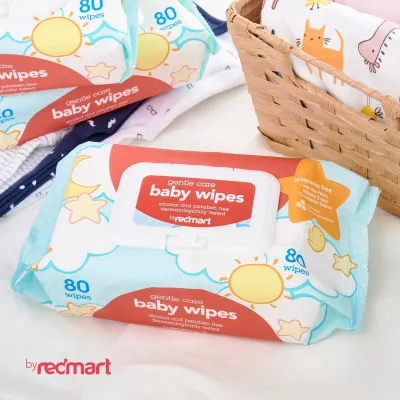
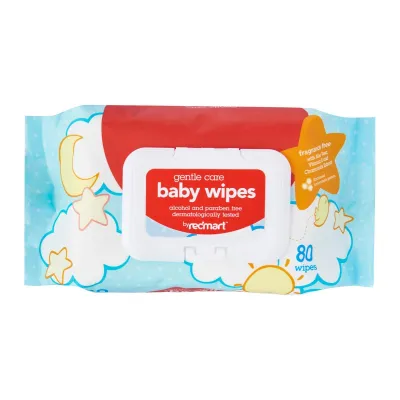
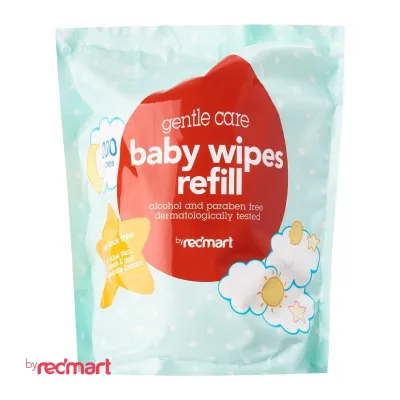
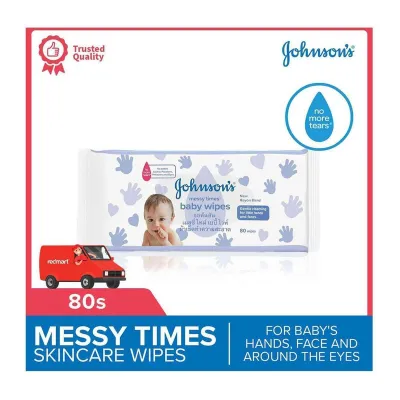
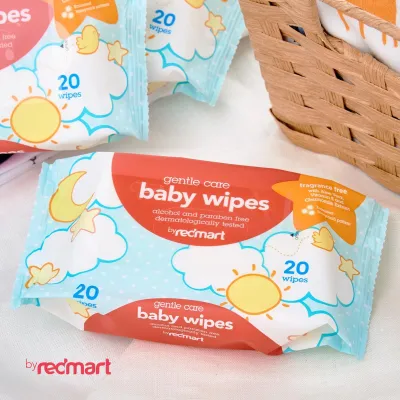
Prices are valid at publication and may change. Please refer to the product page for the latest price.
Front-of-pack marketing often highlights appealing phrases like “pure water” or “organic extracts” in bold lettering. However, these highlights do not represent the complete formulation. The legally required back-of-pack disclosure is the only place where you can verify the presence of preservatives, emulsifiers, and pH adjusters that are necessary to keep the product stable and safe from microbial growth.
Decoding Common Label Claims on Baby Wet Tissues
Many parents assume “unscented” means a product contains no aromatic chemicals. In reality, “unscented” products may contain masking fragrances or botanical essential oils designed to neutralize the natural smell of the raw ingredients. For a newborn, look specifically for “fragrance-free” labels, and verify on the back that no parfum, fragrance, or essential oils (such as lavender or citrus extracts) are listed, as these are common triggers for contact dermatitis.

The claim “alcohol-free” can also be confusing because chemistry classifies alcohols into different groups. When a package claims to be “alcohol-free,” it generally refers to drying alcohols like ethanol, isopropyl alcohol, or alcohol denat, which can severely dry out and irritate a newborn’s skin. However, you may still see fatty alcohols like cetearyl alcohol, stearyl alcohol, or cetyl alcohol on the ingredient list. These are skin-conditioning agents and emulsifiers that help soften the skin and are generally considered non-drying and safe, provided your baby does not have a specific sensitivity to them.
Terms like “hypoallergenic” and “dermatologically tested” are frequently used to build consumer trust, but they lack strict, standardized legal definitions. “Dermatologically tested” simply means a dermatologist oversaw some level of testing on human subjects, but it does not disclose the test parameters, the number of participants, or the full results. Similarly, “hypoallergenic” indicates the manufacturer formulated the product to minimize allergic reactions, but it is not a guarantee that your specific newborn will not react. Treat these claims as helpful starting points rather than absolute safety guarantees.
Evaluating Specific Ingredients and Knowing When to Ask a Doctor
Wet tissues require preservatives to prevent the growth of harmful bacteria, yeast, and mold. Common, mild preservatives you might find include sodium benzoate, potassium sorbate, or phenoxyethanol, often paired with citric acid to balance the pH of the wipe to match the natural, slightly acidic pH of healthy skin. Cleansing agents, or surfactants, should be exceptionally mild; look for gentle, plant-derived options like coco-glucoside or decyl glucoside, which cleanse without stripping the skin’s natural lipids.
It is a common belief that botanical extracts are inherently safer than synthetic ingredients. However, natural extracts like chamomile, aloe vera, or tea tree oil contain complex chemical mixtures that can cause allergic sensitization or irritation on raw, broken skin. When evaluating wet tissues containing botanical extracts, monitor your baby’s skin closely, as “natural” does not automatically equate to “irritant-free.”
If your newborn has a pre-existing skin condition, such as infant eczema or a severe diaper rash, standard wet tissues may exacerbate the irritation regardless of how clean the ingredient list appears. In these situations, pause the use of all commercial wet tissues and consult a pediatrician or a pediatric dermatologist. They can provide personalized advice and recommend whether you should temporarily switch to alternative cleansing methods, such as plain water and cotton pads.
Safe Testing and Usage Practices for New Wet Tissues
Before using a new brand of wet tissues across the entire diaper area or face, perform a simple patch test. Gently wipe a small, discreet area of your baby’s skin, such as the inner forearm or the outer thigh, with the wet tissue. Wait 24 to 48 hours to observe the area for any signs of reaction before integrating the product into your daily routine.
During the first few days of using a new product, closely monitor your baby’s skin for subtle signs of irritation. Look for localized redness, dry patches, small bumps, or signs of discomfort during wiping. If you notice any of these changes, discontinue use immediately and allow the skin to rest.
Proper storage is critical to maintaining the safety and stability of wet tissues. Always seal the plastic lid or adhesive tab tightly after every use to prevent the wipes from drying out and to protect them from airborne contaminants. Store the package in a cool, dry place away from direct sunlight, as excessive heat can degrade the preservatives and encourage bacterial growth inside the pack.
If your baby experiences an adverse reaction, stop using the wet tissues immediately. Cleanse the affected area gently with lukewarm water and a soft, dry cloth, avoiding any rubbing. If the redness, swelling, or discomfort persists, spreads, or shows signs of infection, seek professional medical care promptly rather than attempting to treat it with multiple over-the-counter creams.
Frequently Asked Questions (FAQ)
Do water-based wet tissues still require preservatives?
Yes, water-based wet tissues absolutely require preservatives to remain safe for use. Water is a primary breeding ground for bacteria, mold, and fungi, especially when stored in a warm diaper bag or nursery. Without an effective preservative system, a package of wet tissues would become contaminated within days of opening, posing a significant infection risk to a newborn’s delicate skin. When choosing water-based wipes, look for those formulated with mild, food-grade preservatives rather than seeking entirely preservative-free options.
Is it safe to use standard adult wet tissues on a newborn in an emergency?
Using standard adult wet tissues on a newborn is not recommended, even in an emergency. Adult wipes are frequently formulated with stronger surfactants, high concentrations of drying alcohols, and heavy synthetic fragrances that can instantly disrupt a newborn’s fragile skin barrier. If you find yourself without baby-specific wet tissues, a much safer emergency alternative is to use plain, lukewarm water paired with a soft cotton cloth, paper towel, or cotton balls to gently cleanse your baby’s skin.

Community discussion
Share your experience or ask a question. Comments are reviewed before publication.