
Selecting travel wipes for a newborn in Singapore requires careful attention to ingredient lists. The tropical climate, characterized by high humidity and warmth, can exacerbate skin sensitivities and diaper rash. Because a newborn’s skin barrier is up to thirty percent thinner than adult skin, it absorbs topical substances more rapidly and is highly susceptible to irritation. The safest travel wipes are those that prioritize a minimalist ingredient list, utilizing highly purified water as the primary component, combined with mild, food-grade preservatives and pH-balancing agents. Rather than relying on broad marketing claims, parents must learn to read the ingredient deck on the back of the packaging to ensure the product is free from hidden sensitizers, fragrances, and harsh alcohols.
What Defines a Safe Ingredient Profile for Newborns?
Selecting travel wipes with a safe ingredient profile begins with understanding what goes into the formulation. The primary ingredient in any high-quality baby wipe should be highly purified water. This is not standard tap water; it undergoes rigorous purification processes such as reverse osmosis, deionization, and ultrafiltration. These steps remove minerals, heavy metals, chlorine, and microorganisms that could otherwise irritate a newborn’s delicate skin barrier. When reviewing a product label, the water content should ideally make up ninety-nine percent or more of the total formulation, leaving very little room for unnecessary chemical additives.
While water is the foundation, a wipe consisting of only water would quickly become a breeding ground for bacteria, mold, and yeast once the package is opened. This is especially true in Singapore’s warm, humid climate, where ambient moisture accelerates microbial growth. Therefore, a safe travel wipe must contain a minimalist preservative system. The key is to look for food-grade or highly gentle preservatives, such as sodium benzoate, citric acid, or potassium sorbate. These ingredients inhibit microbial growth at very low concentrations, ensuring the wipes remain sterile and safe for use throughout your travels without causing chemical irritation or contact dermatitis.
Products mentioned in this guide
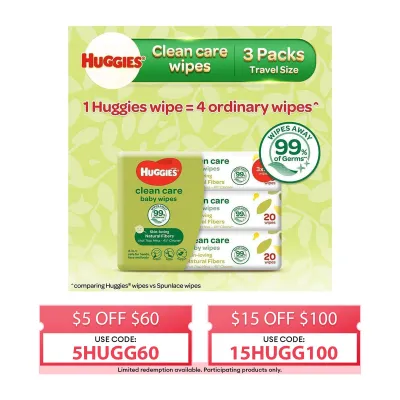
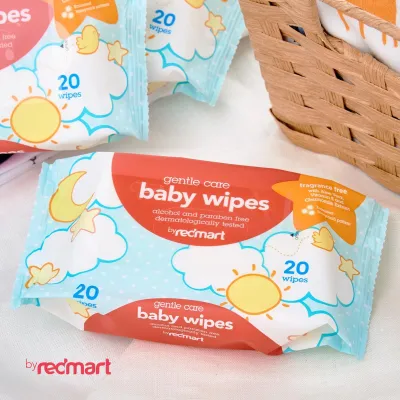
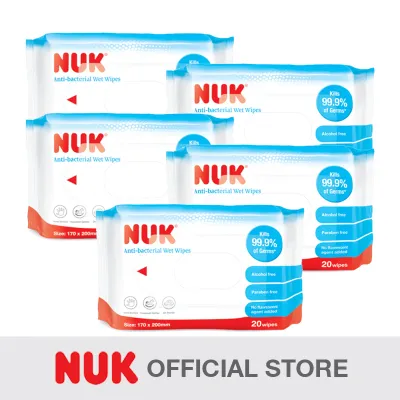
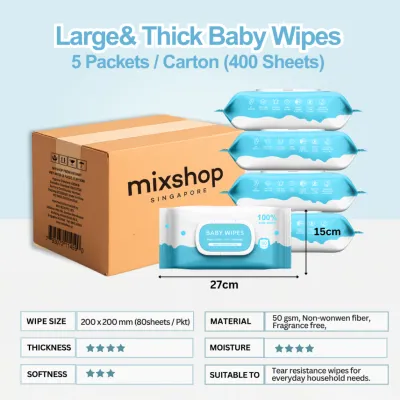
![Mixshop Mini Baby Wet Wipes [BAS Fundraising Edition] | Extra Thick & Soft | Pocket Travel Wipes](https://img.lazcdn.com/g/p/0a5b02e310674ef818dcb822634152c4.jpg_400x400q80.jpg_.webp)
Prices are valid at publication and may change. Please refer to the product page for the latest price.
Another critical aspect of a safe ingredient profile is pH balance. A newborn’s skin has a natural pH of approximately 5.5, which is slightly acidic. This acidic environment, often referred to as the acid mantle, serves as a natural defense mechanism against harmful bacteria and environmental pathogens. Using wipes that are too alkaline can disrupt this delicate balance, stripping away natural lipids and leaving the skin dry, flaky, and prone to infection. Safe travel wipes are formulated with mild pH adjusters, such as citric acid or sodium citrate, to ensure the final product closely matches the natural acidity of newborn skin, thereby preserving its protective barrier.
Common Irritants to Avoid in Travel Wipes
Equally important to knowing what should be in a travel wipe is knowing what must be avoided. Fragrances are among the most common culprits behind allergic contact dermatitis in infants. Even if a product claims to use “natural fragrances” or “essential oils,” these botanical extracts can be highly sensitizing to a newborn’s skin. Essential oils like lavender, tea tree, or citrus oils contain volatile organic compounds that can trigger redness, itching, and swelling. For newborns, the safest approach is to avoid any added scents entirely, ensuring the wipes are completely free of both synthetic perfumes and natural aromatic extracts.

Alcohol is another ingredient that should never appear in a newborn wipe formulation. Simple alcohols, such as ethanol, isopropyl alcohol, and denatured alcohol, are highly volatile and evaporate quickly. While this makes them effective for sanitizing surfaces, on newborn skin, they strip away essential moisture and natural oils, leading to severe dryness, cracking, and irritation. It is important to distinguish these drying alcohols from fatty alcohols, such as cetearyl alcohol or stearyl alcohol, which act as emollients to soften the skin. However, to minimize any risk of reaction, parents should look for wipes explicitly labeled as alcohol-free and verify this by checking the ingredient list for simple drying alcohols.
Harsh preservatives and surfactants also pose significant risks to newborn skin. Preservatives like parabens, methylisothiazolinone (MI), and methylchloroisothiazolinone (MCI) have been widely restricted or phased out due to their high rates of skin sensitization, yet they can still occasionally be found in older formulations or imported products. Phenoxyethanol is another preservative that, while safer than parabens, is often chosen in very low concentrations or avoided entirely by parents of newborns. Additionally, harsh surfactants or foaming agents, such as sodium lauryl sulfate (SLS), can leave a chemical residue on the skin that continues to irritate long after the wipe has dried. Opting for wipes that use ultra-mild, non-ionic surfactants or no surfactants at all is a safer path.
How to Verify Safety Claims on Product Labels
Navigating the marketing claims on travel wipe packaging can be challenging, as terms like “hypoallergenic” and “dermatologically tested” are frequently used but not always strictly regulated. A “hypoallergenic” label simply means the manufacturer has formulated the product to minimize the likelihood of an allergic reaction, but it does not guarantee that a newborn will not react to it. Similarly, “dermatologically tested” indicates that the product was evaluated under the supervision of a dermatologist, but it does not reveal the testing methodology, the size of the test group, or whether the subjects were adults or infants. Parents should look for brands that provide transparent access to their clinical testing results on their official websites.
To gain greater assurance, parents can look for recognized third-party certifications. Organizations such as Allergy Certified, the National Eczema Association (NEA), and the Nordic Swan Ecolabel have established strict, independent standards for ingredient safety. These bodies review the complete chemical formulation of a product, including trace impurities, before awarding their seal of approval. When evaluating travel wipes, parents can verify the validity of these certifications by searching the official databases of the respective certifying organizations, ensuring the brand’s certification is active and covers the specific product line being purchased.
It is also vital to understand the distinction between “fragrance-free” and “unscented” labels. Under cosmetic labeling standards, “fragrance-free” means that no fragrance chemicals or masking scents have been added to the product. On the other hand, “unscented” products may actually contain chemical masking agents designed to neutralize the natural, sometimes unpleasant smell of the raw ingredients. These masking agents can still trigger allergic reactions on sensitive newborn skin. Therefore, parents should always prioritize products labeled “fragrance-free” and double-check the ingredient list to confirm the absence of any fragrance components or masking chemicals.
Building Your Shortlist: Travel-Specific Checks
When selecting travel wipes, safety must be balanced with practical usability on the go. In Singapore’s humid climate, travel wipes are frequently exposed to temperature shifts as parents move between air-conditioned indoor spaces and hot outdoor environments. This makes packaging integrity a primary consideration. Travel packs with a rigid plastic flip-top lid offer a more reliable seal compared to those with simple adhesive sticker seals. Sticker seals quickly lose their stickiness when exposed to diaper bag lint, dust, and moisture, leading to dried-out wipes and allowing airborne mold spores or bacteria to contaminate the remaining sheets. A secure, clicking plastic lid ensures the wipes remain moist and sterile.
The physical characteristics of the wipe fabric also play a role in both safety and efficiency. Thinner, flimsy wipes often tear during use, requiring parents to use multiple sheets per diaper change. This not only increases the overall cost but also results in more friction and rubbing against the newborn’s delicate skin, which can trigger or worsen diaper rash. Parents should look for travel wipes made from thick, high-quality materials, such as spunlace non-woven fabric or biodegradable bamboo fibers, with a high GSM (grams per square meter) rating. Wipes with an embossed or textured surface are particularly effective, as they lift waste gently and efficiently with fewer passes.
Finally, parents should establish a habit of checking expiration dates and batch codes, especially when purchasing travel packs in bulk from online marketplaces or local retailers. Because safe newborn wipes utilize mild, minimalist preservative systems, they have a shorter shelf life than conventional wipes loaded with harsh chemicals. Using expired wipes carries a significant risk, as the preservative system may have degraded, allowing harmful bacteria or mold to multiply unseen within the pack. Always locate the manufacturing or expiration date printed on the seam of the packaging and avoid purchasing more than a few months’ supply at one time to ensure freshness.
Best Practices for Using and Storing Wipes on the Go
To ensure that your carefully selected travel wipes remain safe and effective, proper storage and handling are essential. Avoid leaving travel wipe packs in direct sunlight, inside a hot stroller pocket, or in the trunk of a parked car. High temperatures can accelerate the breakdown of gentle preservative systems, rendering them ineffective and allowing microbial contamination to occur. Additionally, extreme heat can cause the plastic packaging to degrade, potentially leaching chemicals into the wipes. Always store travel packs in a cool, shaded compartment of your diaper bag and keep them zipped away when not in use.
Before using a wipe on your newborn, perform a quick sensory check. If a wipe feels unusually dry, has developed a sour, musty, or chemical odor, or shows any signs of yellow, grey, or black discoloration, discard the entire pack immediately. These are clear indicators of bacterial or fungal contamination. Using a contaminated wipe on a newborn can introduce harmful pathogens directly into the skin barrier, leading to severe infections or persistent rashes. It is always safer to discard a suspect pack than to risk your baby’s skin health.
Even with the safest ingredients, some newborns may still exhibit individual sensitivities. If your baby develops a persistent diaper rash, redness, or small raised bumps that do not improve with regular applications of a zinc oxide barrier cream, stop using the wipes immediately. Temporarily switch to using clean cotton balls moistened with warm water to cleanse the diaper area. If the rash persists, spreads, or is accompanied by a fever, consult a pediatrician promptly to obtain an accurate diagnosis and appropriate treatment plan, as it may indicate an allergic reaction or a secondary yeast infection.
Frequently Asked Questions (FAQ)
Can I use regular baby wipes instead of specific travel wipes?
Yes, you can use regular baby wipes, provided their ingredient profile is safe for newborns. The primary difference between standard packs and travel packs lies in the packaging size and seal durability rather than the formulation itself. Standard packs are typically larger and heavier, making them less convenient to carry in a diaper bag. Travel packs are designed to be compact and lightweight, often featuring reinforced seals or smaller plastic lids to withstand the friction of being carried on the go. Always ensure that whichever pack size you choose meets the same strict ingredient safety standards.
Are water wipes completely free of preservatives?
No, water-based wipes are rarely completely free of preservatives, and those that claim to be should be approached with caution. Without any preservative system, a pack of wet wipes would develop mold and bacteria within days of being manufactured or opened, posing a severe health risk to your newborn. Safe water wipes utilize a very small percentage of mild, food-grade preservatives or fruit extracts with natural antimicrobial properties to keep the product sterile. When choosing water wipes, check the label to ensure these preserving agents are gentle and present in minimal concentrations.
How many packs of wipes should I pack for a week-long trip?
To estimate how many travel packs to bring, start by calculating your newborn’s average daily diaper changes, which typically range from eight to twelve times a day. Assuming you use an average of two to three wipes per change, you will need approximately twenty to thirty-six wipes per day. For a week-long trip, this equates to roughly 140 to 250 wipes. Since travel packs usually contain between twenty and sixty wipes each, packing four to five travel packs will provide an adequate supply, including a safe buffer for unexpected cleanups, spills, or travel delays.

Community discussion
Share your experience or ask a question. Comments are reviewed before publication.