
Selecting the right strawberry puree for your baby in Singapore involves looking beyond attractive packaging to evaluate ingredients, safety standards, and developmental readiness. While many commercial options line the shelves of local supermarkets and online marketplaces, the most reliable strawberry purees are those containing 100% fruit with absolutely no added sugars, artificial preservatives, or thickeners. Parents should focus on verifying ingredient labels, packaging integrity, and age-appropriateness rather than relying on brand names alone.
Introducing strawberries is an exciting milestone in your baby’s weaning journey, offering a vibrant flavor profile rich in Vitamin C, dietary fiber, and antioxidants. During the early stages of weaning, typically around six months of age, infants begin to transition from an exclusive milk diet to solid foods. Pediatric guidelines generally recommend introducing single-ingredient fruit purees once a baby demonstrates key signs of readiness, such as sitting upright with minimal support, showing interest in food, and losing the tongue-thrust reflex. Despite their nutritional benefits, it is highly recommended to consult your pediatrician before introducing strawberries, particularly if your infant has a family history of food allergies, eczema, or asthma. A professional consultation helps establish a personalized weaning plan tailored to your child’s specific developmental timeline.
Essential Safety and Ingredient Standards for Infant Purees
When evaluating commercial strawberry purees, the ingredient list is your primary tool for ensuring safety and nutritional quality. Many products marketed for infants contain hidden additives that are unsuitable for a developing digestive system. Parents must carefully inspect labels to identify and avoid unacceptable ingredients, including added sugars, artificial preservatives, synthetic colorings, and excess sodium. Added sugars may appear under various names, such as cane sugar, brown rice syrup, or even concentrated fruit juices used primarily to sweeten the product rather than add nutritional value. Infants do not require added sugars, and early exposure can influence their taste preferences toward overly sweet foods, potentially impacting long-term dental and metabolic health.
Products mentioned in this guide
![[Bundle of 2] Little Freddie Organic Baby Fruit Puree - Fragrant Strawberries Bananas & Apples 100g](https://img.lazcdn.com/g/p/6e2126945caf55b75e0c1bd4a2bb5a47.png_400x400q80.png_.webp)
![[INNER BOX] Little Freddie Organic Baby Fruit Puree - Juicy Strawberries Blueberries & Oats (6 x 100g)](https://img.lazcdn.com/g/p/ac4ed0ad6d3e65e4c1fd8343a5cf4ad3.jpg_400x400q80.jpg_.webp)
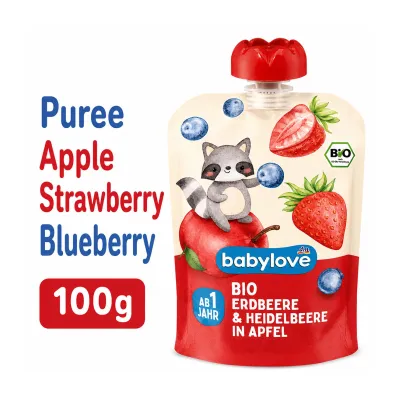
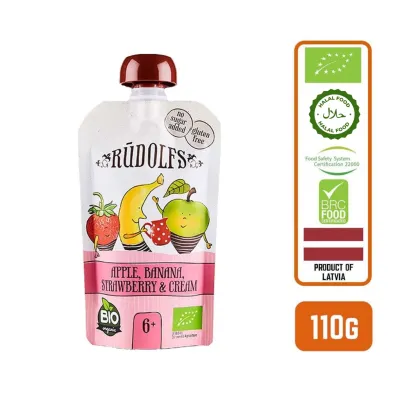
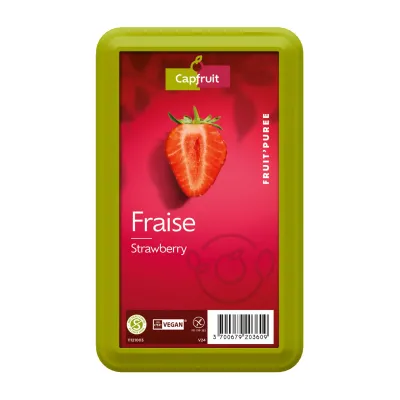
Prices are valid at publication and may change. Please refer to the product page for the latest price.
To verify that a product is safe and nutritionally appropriate, look for labels that explicitly state the product contains 100% fruit. If the puree is blended with other fruits or vegetables, ensure that each component is clearly listed and that no water or starch thickeners (such as cornstarch or tapioca flour) have been added to artificially alter the consistency. Pure strawberry puree should have a naturally vibrant color and a slightly tart, sweet aroma. If the color appears unusually bright or uniform across different batches, it may indicate the presence of artificial colorings, which should be avoided.
Packaging integrity is another critical safety marker that caregivers must verify before purchase. For squeeze pouches, check that the plastic cap is fully sealed and that the tamper-evident ring is intact. The pouch itself should not feel bloated, soft, or show any signs of leakage, as bloating often indicates bacterial contamination and fermentation inside the package. If you prefer glass jars, ensure the safety button on the metal lid is depressed and does not pop up when pressed; a popped button indicates that the vacuum seal has been compromised. Additionally, always verify that the packaging materials are certified BPA-free to prevent harmful chemicals from leaching into the food, and check that the batch number and expiry date are clearly printed and legible.
Finally, parents in Singapore should look for indicators of local and international safety compliance. While the Singapore Food Agency regulates imported food products to ensure they meet basic safety standards, looking for recognized international infant food certifications provides an extra layer of assurance. Certifications such as USDA Organic, EU Organic, or the Australian Certified Organic label indicate that the ingredients were grown without synthetic pesticides or chemical fertilizers. Because infants are more vulnerable to pesticide residues due to their smaller body mass and developing organs, verifying these organic standards on the label is a prudent step for caregivers seeking the highest quality options.
How to Evaluate Strawberry Puree Brands Locally
With numerous baby food brands available in Singapore, establishing a systematic evaluation framework helps parents make informed choices without relying on unverified marketing claims. The first dimension to evaluate is the texture and consistency of the puree, which must align with your baby’s current chewing and swallowing capabilities. For infants just beginning their weaning journey at six months, a completely smooth, stage-one puree is essential to minimize choking risks. As your baby grows and develops better oral motor skills, typically around eight to ten months, you can transition to thicker, textured blends that contain small, soft pieces of fruit. Checking the manufacturer’s age recommendations on the packaging is a helpful starting point, but caregivers must always observe their baby’s individual developmental progress and adjust textures accordingly.

Sourcing transparency is another vital factor when comparing brands. Reputable baby food manufacturers often provide clear information regarding where their strawberries are sourced and the specific farming practices employed. Look for brands that trace their ingredients back to specific regions known for high agricultural standards. Transparency in sourcing also extends to how the fruit is processed; brands that use gentle pasteurization or cold-pressing techniques tend to retain more of the natural vitamins and flavor of the fresh strawberries compared to those subjected to high-heat processing.
The choice of packaging also impacts convenience, hygiene, and portion control. Squeeze pouches are highly popular due to their portability and ease of use when away from home. They allow for quick serving and reduce the risk of breakage. However, feeding a baby directly from a pouch can hinder the development of spoon-feeding skills and make it difficult to monitor exactly how much the baby has consumed. Glass jars, on the other hand, allow caregivers to easily see the contents, spoon out precise portions, and reseal the container securely. Glass is also highly recyclable and inert, meaning it will not react with the acidic nature of strawberries. Caregivers should weigh these trade-offs based on their daily routines and environmental preferences.
To ensure your choice is sustainable for the family budget, it is beneficial to calculate the cost per serving rather than comparing retail prices directly. Because package sizes vary significantly between brands, use a simple formula to determine the value: divide the retail price in S$ by the total weight in grams, then multiply by your baby’s typical serving size (usually around 60 to 100 grams). For example, if a 120-gram pouch costs S$3.60, the cost per gram is S$0.03, making a 60-gram serving cost S$1.80. Comparing brands using this standardized metric allows you to identify which options offer the best value for your household without compromising on safety or quality standards.
Where to Source Reliable Baby Food in Singapore
Sourcing baby food from reputable retail channels in Singapore is essential to guarantee product authenticity and proper storage. Established physical supermarkets, such as Cold Storage, FairPrice Finest, and Giant, as well as dedicated maternity and baby specialty stores, are excellent options for purchasing strawberry puree. Buying from physical stores allows you to inspect the packaging directly for dents, leaks, or broken seals before making a purchase. It also gives you the opportunity to check the expiry dates on the shelf, ensuring you do not accidentally buy products close to their expiration.
For parents who prefer the convenience of online shopping, major e-commerce platforms offer a wide selection of baby foods. However, to avoid counterfeit products or grey-market imports that may not have been stored correctly, it is crucial to buy exclusively from official brand flagship stores or verified authorized distributors. Look for official mall or preferred seller tags on local platforms, which indicate that the seller has been vetted and authorized to distribute the products. Avoid purchasing from unverified third-party sellers, especially those offering prices that seem unusually low compared to standard retail rates.
Several red flags should prompt caution when shopping for infant food online or in physical stores. Be wary of products that lack local distributor labels, which are often required by Singapore regulations to provide local contact information and ingredient translations if necessary. Missing or altered batch codes and expiry dates are major warning signs of tampered goods. Additionally, if a physical store displays baby food in areas exposed to direct sunlight, high humidity, or extreme heat—such as near storefront windows or outdoor display racks—avoid purchasing those items. Singapore’s tropical climate can accelerate the degradation of packaged purees if they are not stored in cool, dry, and temperature-controlled environments.
When shopping in physical retail outlets, take note of the overall cleanliness and organization of the baby food aisle. Well-maintained shelves and organized stock rotation indicate that the retailer prioritizes food safety and quality control. If you notice dusty packages, disorganized shelves, or products past their expiry dates still on display, it may be best to source your baby’s food from a different retailer who adheres to stricter inventory management practices.
Safe Preparation, Storage, and Serving Practices
Proper handling and preparation of strawberry puree are vital to prevent foodborne illness and ensure a safe feeding experience for your baby. When preparing to serve commercial puree, always wash your hands thoroughly with soap and water first. Inspect the pouch or jar one final time for any signs of damage. If you are using a squeeze pouch, do not allow your baby to suck directly from the nozzle if you plan to save any remaining puree for later. Saliva contains bacteria and enzymes that enter the pouch during feeding, which can cause the food to spoil rapidly even when refrigerated. Instead, squeeze the desired portion into a clean baby bowl and feed with a spoon.
If there is leftover puree in the original container, seal it tightly immediately after portioning. Opened commercial fruit purees must be stored in the refrigerator and consumed within 24 to 48 hours, depending on the manufacturer’s specific instructions. Always check the label for the exact recommended refrigeration timeline. Before serving refrigerated leftovers, inspect the puree for any signs of spoilage, such as an off-smell, visible mold, fermentation bubbles, or unusual liquid separation. If you suspect the puree has spoiled, discard it immediately; never risk your baby’s health by serving questionable food.
While many babies enjoy fruit puree at room temperature or slightly chilled, you can warm it if preferred. Avoid using a microwave to warm baby food, as microwaves heat unevenly and can create dangerous “hot spots” that can burn your baby’s mouth. Instead, place the portioned bowl or the sealed pouch into a larger bowl of warm water for a few minutes. Stir the puree thoroughly to distribute the heat evenly, and always test the temperature on the inside of your wrist before offering it to your baby. The puree should feel lukewarm, never hot.
During feeding, always ensure your baby is seated completely upright in a secure high chair. Never feed your baby while they are lying down, reclining, or crawling, as this significantly increases the risk of choking. Caregivers must maintain constant supervision throughout the entire meal, watching for any signs of swallowing difficulty or distress. Keeping the feeding environment calm and distraction-free helps your baby focus on learning how to eat and swallow safely.
Frequently Asked Questions (FAQ)
Can babies be allergic to strawberries?
While strawberries are not classified among the top high-risk allergens (such as peanuts, eggs, or shellfish), they can still trigger allergic reactions or localized sensitivities in infants. The natural acids and histamines present in strawberries can sometimes cause a mild contact rash around the baby’s mouth or diaper area, which is often a localized skin irritation rather than a systemic allergic reaction. To safely monitor for true allergies, introduce strawberry puree as a single-ingredient food when your baby is healthy, and wait three to five days before introducing any other new foods. This waiting period allows you to easily identify the source of any reaction. Monitor your baby closely for signs of a systemic allergic reaction, which include hives, swelling of the face, lips, or tongue, vomiting, diarrhea, or difficulty breathing. If you observe any of these severe symptoms, stop feeding the puree immediately and seek urgent medical attention.
Is homemade strawberry puree safer than store-bought?
Both homemade and store-bought strawberry purees can be safe and nutritious options, and the choice ultimately depends on your lifestyle, budget, and preferences. Preparing strawberry puree at home gives you complete control over the quality of the ingredients, allowing you to select fresh, organic strawberries and ensure that absolutely no additives or preservatives are used. It also eliminates packaging waste, making it an environmentally friendly choice. However, homemade puree lacks the commercial sterilization processes used in manufactured baby food, meaning it has a much shorter shelf life. Homemade puree must be stored in the refrigerator and consumed within 24 hours, or frozen in sterile containers for up to three months. It also requires strict adherence to hygiene standards during preparation, including thorough washing of the fruit, utensils, and blending equipment, to prevent bacterial contamination. Store-bought options offer convenience, portability, and strict quality control, making them a reliable alternative when prepared and stored according to the manufacturer’s instructions.
Community discussion
Share your experience or ask a question. Comments are reviewed before publication.