
When searching for a safe foldable bathtub for your infant, you might wonder which brands carry certification from the Health Sciences Authority (HSA) in Singapore. The direct answer is that the HSA does not certify, register, or approve baby bathtubs. Because the HSA’s regulatory scope is strictly limited to medical devices, health products, and cosmetics, general baby gear like bathtubs falls under a completely different regulatory framework.
In Singapore, consumer product safety is overseen by the Consumer Product Safety Office (CPSO), an agency safeguarded under Enterprise Singapore. Rather than looking for an HSA mark, parents must evaluate foldable bathtubs based on their compliance with international safety standards and local consumer protection regulations. Understanding how these standards work is the first step to ensuring your baby’s bath time is both secure and hygienic.
Understanding Baby Bathtub Safety Regulations in Singapore
To navigate the local market safely, it is essential to understand who regulates what. The Consumer Product Safety Office (CPSO) enforces the Consumer Protection (Consumer Goods Safety Requirements) Regulations (CGSR). Under this framework, general consumer goods sold locally—including baby bathtubs—must meet specific safety requirements. While they do not undergo a pre-market registration process like medical devices, they must comply with recognized international safety standards to be legally sold.
Products mentioned in this guide
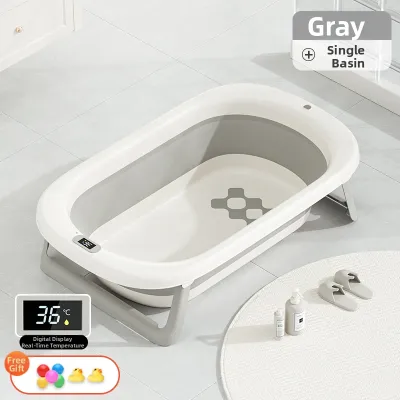
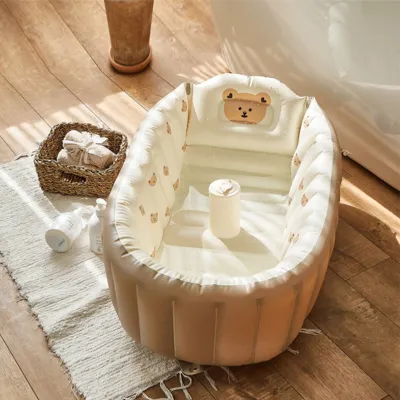
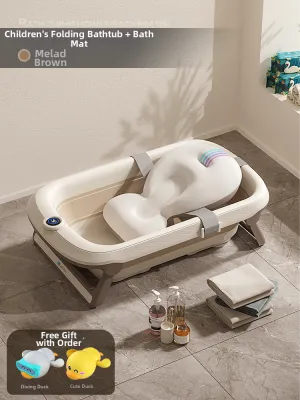
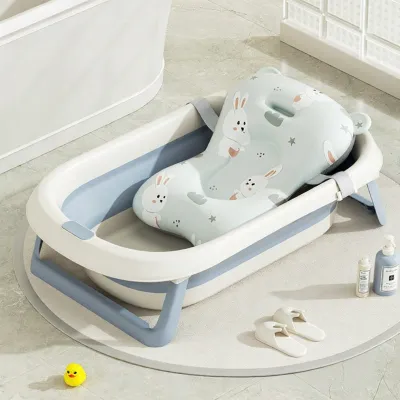
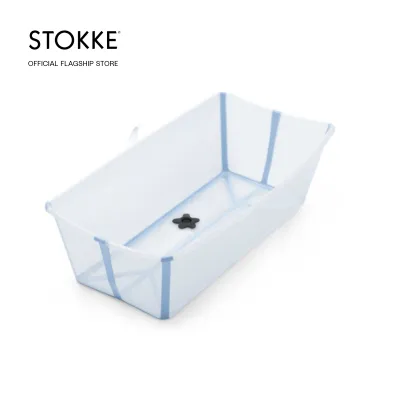
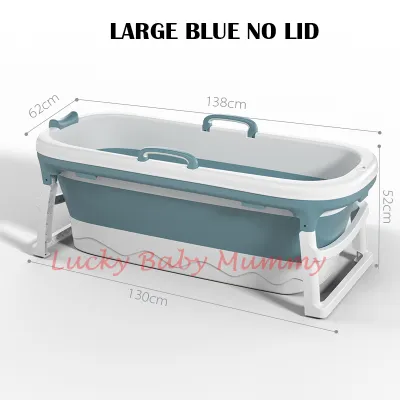
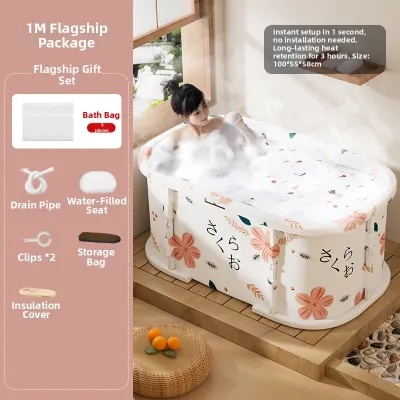
Prices are valid at publication and may change. Please refer to the product page for the latest price.
When evaluating a foldable bathtub, look for documentation indicating compliance with established global standards. The European standard EN 17072 is specifically dedicated to children’s baths and bathing aids, setting rigorous benchmarks for stability, structural integrity, and drowning hazards. Similarly, the American standard ASTM F2676 governs the safety specifications of infant bath tubs, ensuring they withstand regular use without collapsing or tipping.
Reputable brands operating in Singapore will readily provide proof of compliance with these standards within their user manuals or official documentation. Because online marketplaces often feature unbranded or parallel-imported goods, verifying these certifications independently is crucial. Never assume a product is safe simply because it is available for purchase on a local e-commerce platform.
Essential Safety Certifications and Material Checks
Chemical safety is a primary concern for any product that comes into direct contact with your baby’s skin. Foldable bathtubs rely on flexible materials, typically thermoplastic elastomers (TPE) or silicone, combined with rigid plastics like polypropylene (PP). You must verify that all materials are certified BPA-free, phthalate-free, and non-toxic. Look for packaging labels indicating compliance with European REACH regulations or FDA food-grade material standards, which restrict harmful chemical migration.

Structural safety certifications are equally critical to prevent physical injuries. A compliant foldable bathtub undergoes mechanical testing to verify its stated weight limits and structural durability. This includes folding cycle tests, which ensure the flexible joints do not crack, tear, or weaken after hundreds of folding and unfolding actions. Always check the manufacturer’s documentation to confirm the maximum weight capacity and the recommended age or developmental stage for the specific model.
Many modern foldable tubs feature built-in temperature sensors, such as color-changing drain plugs or digital displays. While these features are highly convenient, they are not certified medical or safety devices. Over time, exposure to soaps, hard water, and UV light can degrade these sensors, leading to inaccurate readings. Parents must always treat these indicators as secondary aids and perform a manual water temperature check before placing their baby in the water.
How to Evaluate Foldable Bathtub Brands for Compliance
To determine if a specific brand meets local safety expectations, start by examining the official user manual rather than relying on promotional graphics on online marketplaces. Legitimate manufacturers publish comprehensive manuals detailing safety warnings, weight limits, and clear instructions for use. If a brand does not offer a downloadable, detailed manual in English, treat this as a significant red flag.
Inspect the physical product or packaging for local distributor labels and mandatory safety warnings. Under international safety standards, baby bathtubs must display prominent, permanent warning labels regarding the risk of drowning. These warnings should advise caregivers to never leave a child unattended, even for a moment. The presence of a local importer or distributor label also indicates that a business entity in Singapore is legally responsible for the product’s compliance with the CGSR.
Avoid purchasing unbranded or extremely low-cost foldable bathtubs that lack clear manufacturer identification. Common red flags include flimsy folding joints that wobble when empty, locking mechanisms that do not click securely into place, and a complete absence of developmental guidelines. Investing in a recognized brand with transparent supply chains and accessible customer support is always the safer choice for your child.
Structural Features That Enhance Bathing Safety
Beyond paper certifications, the physical design of a foldable bathtub plays a vital role in preventing accidents. The folding legs must feature robust, physical locking mechanisms, such as spring-loaded buttons or secure snap-fit joints. These locks prevent the legs from accidentally collapsing inward when the tub is filled with water and subjected to the movement of an active infant.
Slip prevention is another critical design element to evaluate. The interior bottom of the tub should feature integrated anti-slip textures or rubberized panels to prevent your baby from sliding down. For newborns who cannot sit up independently, ensure the tub is compatible with secure, manufacturer-approved infant supports or hammocks that clip firmly to the outer rim. Never use unapproved third-party inserts that do not lock securely onto the tub chassis.
Finally, consider the hygiene and maintenance aspects of the tub’s design. Foldable bathtubs have crevices along the flexible folding joints where water can pool, creating a breeding ground for mold and bacteria. Choose designs with quick-drying materials and efficient drainage plugs. After every bath, the tub must be thoroughly rinsed, wiped dry, and stored in a well-ventilated area to prevent material degradation and maintain a sanitary bathing environment.
Frequently Asked Questions (FAQ)
Do I need to replace a foldable bathtub if the temperature indicator changes color permanently?
You do not necessarily need to replace the entire bathtub immediately, provided the plastic body, folding joints, and locking legs remain structurally sound and free of cracks. A permanent color change simply indicates that the thermochromic material in the sensor or drain plug has degraded due to heat, UV exposure, or cleaning chemicals.
However, you must immediately stop relying on that indicator to judge water safety. To prevent scalding, always use a dedicated, calibrated baby bath thermometer or perform the traditional wrist-and-elbow test to ensure the bath water is at a safe temperature, which is typically between 37°C and 38°C.
Can I use a standard bath safety mat inside a foldable baby bathtub?
Using a standard, aftermarket bath safety mat inside a foldable baby bathtub is generally not recommended. These mats are typically designed for flat, rigid adult bathtubs and may not conform properly to the curved, flexible contours of a foldable infant tub.
An ill-fitting mat can block the drainage plug, interfere with the folding joints, or fail to adhere securely, creating a slipping or entrapment hazard for your baby. If you require additional slip resistance, it is safer to purchase a foldable bathtub that features integrated, factory-installed rubberized anti-slip zones, or consult the manufacturer’s manual for approved, model-specific accessories.
Community discussion
Share your experience or ask a question. Comments are reviewed before publication.