
The safest ear cleaners for kids to buy in Singapore are those designed exclusively for outer-ear hygiene, featuring physical safety barriers, soft medical-grade silicone tips, or gentle bulb syringes. Because a child’s ear canal is self-cleaning and highly delicate, the safest approach is to avoid inserting any tool deep into the canal. Parents should focus on products that prevent over-insertion, verify age-specific labels, and know when to stop home grooming to consult a pediatrician.
When shopping in Singapore, you will find a wide variety of grooming products in local pharmacies and online marketplaces. However, selecting a safe tool requires understanding the physical design features that protect your child from accidental injury. By focusing on outer-ear maintenance and choosing tools with built-in physical limitations, you can keep your child’s ears clean without risking damage to their hearing.
Ear Cleaning Safety Basics for Children
Understanding the natural biology of a child’s ear is the first step in safe grooming. Earwax, scientifically known as cerumen, is not dirt; it is a natural protective substance produced by glands in the outer ear canal. It serves a vital purpose by trapping dust, hair, and foreign particles, while also providing antibacterial and moisturizing properties to the delicate skin of the canal.
Products mentioned in this guide
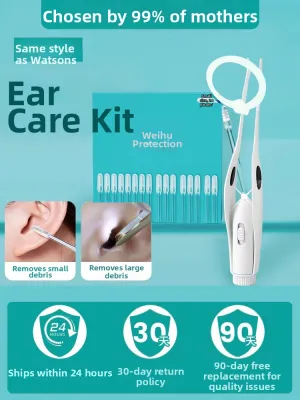


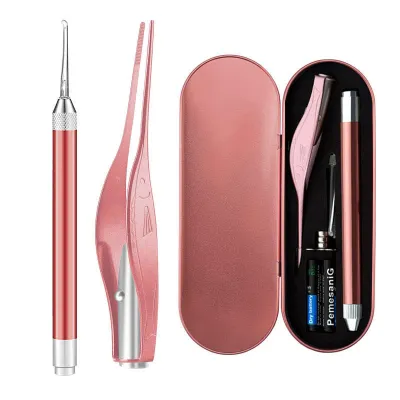
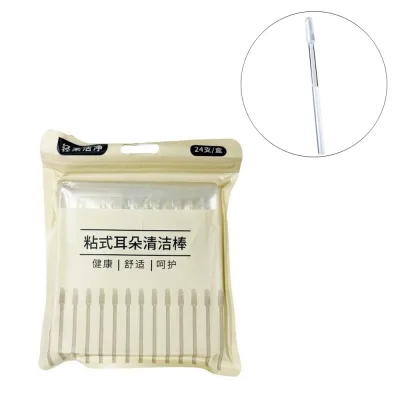

Prices are valid at publication and may change. Please refer to the product page for the latest price.
The human ear canal has a natural self-cleaning mechanism. As your child talks, chews, and yawns, the movement of the jaw helps migrate old earwax slowly from the inner parts of the canal to the outer ear opening. Once the wax reaches the outer ear, it dries and falls out naturally. Attempting to clean deep inside the canal with any tool disrupts this natural process and often pushes the wax back inward, leading to impaction.
Children’s ear canals are anatomically different from those of adults, making them far more vulnerable to injury. A child’s canal is much shorter, narrower, and straighter, meaning the eardrum is located much closer to the outer opening. Additionally, the skin lining a child’s ear canal is incredibly thin and easily scratched. Even minor friction from an unsuitable tool can cause micro-abrasions, leading to painful infections like otitis externa, commonly known as swimmer’s ear.
Parents must establish strict boundaries for home ear care and know when to stop. If your child shows any resistance, cries, or pulls away during cleaning, stop immediately to avoid accidental puncture. You should also cease all home cleaning and seek professional medical evaluation if you notice signs of pain, redness, swelling, a foul odor, or any visible discharge, such as yellow, green, or bloody fluid.
Essential Safety Features to Look For
When evaluating ear cleaning tools for purchase, the most critical feature to look for is a physical safety guard or flange. This is a widened barrier situated just behind the cleaning tip that physically prevents the tool from being inserted too deeply into the ear canal. A robust safety guard ensures that even if your child makes a sudden movement, the tool cannot penetrate past the safe outer threshold of the ear.

Material safety is another paramount consideration for pediatric grooming tools. Look for tips made from medical-grade silicone or high-quality, tightly wound organic cotton. The material must be soft enough to bend easily under light pressure, ensuring it does not scratch the delicate skin. Avoid brittle plastics or poorly constructed tools where the cleaning tip could potentially detach, break off, or shed loose fibers inside the ear.
The size and shape of the cleaning tip must be proportionate to a child’s outer ear folds. Standard adult cotton swabs or cleaning loops are far too large for pediatric use, increasing the risk of friction and accidental insertion. Pediatric-specific tools are designed with smaller, tapered tips that fit comfortably within the shallow curves of a child’s outer ear, allowing you to clean the visible areas without entering the canal itself.
Caregivers should also inspect the overall build quality of the tool. Ensure that reusable silicone tools are non-porous and easy to sterilize with warm water and mild soap. If you are choosing disposable options, verify that the tips are securely bonded to the shaft. A flimsy connection between the tip and the handle poses a significant risk of the cleaning head becoming lodged in the ear canal during use.
Comparing Types of Child-Safe Ear Cleaners
Safety swabs with built-in guards, often referred to as bulb-shaped cotton buds, are among the most common and accessible options for infant ear care. These swabs feature a unique design where the cotton tip is narrow at the very end but quickly widens into a thick bulb. This bulb acts as a natural stopper, making it physically difficult to insert the swab into the ear canal. They are highly effective for gently wiping the outer ear folds and the sensitive area behind the ear, but parents must remember that the guard is there to prevent canal entry entirely, not to make shallow canal insertion safe.
Silicone or soft-tipped flexible tools offer a reusable alternative to disposable swabs. These tools often feature spiral or ribbed silicone tips designed to cling to loose wax at the entrance of the ear canal. When choosing these products, it is vital to check the flexibility of the silicone. The tip should bend easily when pressed against your finger. Additionally, ensure the handle is ergonomic and provides a non-slip grip, giving you maximum control during the cleaning process.
Lighted or visual ear cleaners have gained popularity on online marketplaces, featuring built-in LED lights or small cameras that stream video to a smartphone. While these tools can help you see the outer ear clearly, they require extreme caution. Parents must verify that the battery compartment is securely screwed shut to prevent access to button batteries, which are severe choking and chemical burn hazards. Furthermore, a home visual inspection does not replace a professional otoscope exam, and parents should never use these cameras as an excuse to perform deep, invasive cleaning at home.
There are several tools that parents must strictly avoid including in a child’s grooming kit. Standard adult cotton buds, metal or wooden ear picks (often called mimikaki), and unverified liquid ear drops should never be used on children. Metal and wooden picks are rigid and sharp, posing an immediate risk of eardrum perforation. Unverified drops can cause severe chemical irritation or allergic reactions, especially if the child has an undiagnosed perforated eardrum.
Verifying Age Appropriateness and Product Labels
Before purchasing any ear cleaning product in Singapore, carefully read the manufacturer’s packaging to verify the recommended age range. Infant ears are vastly different from those of toddlers or school-aged children, and a tool designed for a three-year-old may be entirely unsuitable for a newborn. Never assume a product is safe for all ages simply because it is marketed in the baby care section; look for explicit age indicators, such as “0M+” for newborns or “3Y+” for older children.
Examine the product packaging for clear, step-by-step usage instructions and safety warnings. Reliable manufacturers will explicitly state that the product is intended for outer-ear use only and should never be inserted into the ear canal. Additionally, check the material composition list to ensure the product is free from common allergens, such as natural rubber latex or harmful plasticizers like phthalates, which can irritate sensitive young skin.
Look for recognized safety testing marks or compliance labels on the packaging. While these marks indicate that the product has met specific manufacturing and material safety standards, they do not guarantee absolute safety against misuse. A certified product can still cause injury if used incorrectly. Therefore, safety certifications should be viewed as a baseline of quality, which must always be paired with careful parental supervision and correct technique.
If you are purchasing ear cleaning tools online, be wary of unbranded products that lack clear manufacturer details, ingredient lists, or safety warnings. Opt for reputable brands that provide accessible customer support and detailed product documentation. If the packaging lacks clear English instructions or fails to specify the materials used, it is best to choose an alternative product to ensure your child’s safety.
Safe Usage Practices and When to Seek Medical Help
To ensure a safe cleaning experience, proper positioning and a calm environment are essential. Never attempt to clean your child’s ears if they are squirming, playing, or upset. For infants, it is often safest to clean their ears while they are lying flat on a secure changing table or wrapped snugly in a swaddle to prevent sudden arm movements. For toddlers, have them sit quietly on your lap, or have a second caregiver gently hold their head still while you perform the cleaning.
Ensure you have excellent lighting before you begin. Use a bright overhead light or a targeted flashlight to clearly see the outer ear folds. Gently pull the outer ear lobe downward and backward to straighten the outer opening slightly, allowing you to see any loose wax. Limit your cleaning strictly to the visible outer ear and the crease behind the ear, using a damp washcloth or a safety swab. Avoid the temptation to clean frequently; routine outer-ear wiping during regular bath times is more than sufficient.
Parents must be able to recognize the warning signs of earwax impaction, which occurs when wax is pushed deep into the canal and blocks the eardrum. Symptoms of impaction in children include rubbing or tugging at the ears, complaints of a plugged feeling, unexplained irritability, or a noticeable lack of attention to sounds. If you suspect your child has impacted earwax, do not attempt to remove it yourself with any home tools, as this will likely pack the wax tighter.
If your child experiences persistent ear discomfort, fluid drainage, or signs of an infection such as a fever, seek immediate medical attention. Pediatricians and general practitioners in Singapore have specialized otoscopes and gentle irrigation tools designed to safely clear earwax without damaging the delicate structures of the ear. Professional medical evaluation is always the safest course of action when dealing with any ear-related concerns.
Frequently Asked Questions (FAQ)
Are standard cotton buds safe for cleaning a baby's ears?
No, standard cotton buds are not safe for cleaning a baby’s ear canals. Because standard buds lack a physical safety guard, they can easily be inserted too deeply, risking eardrum perforation or scratching the delicate canal lining. Furthermore, the tip of a standard cotton bud acts like a plunger, pushing earwax deeper into the canal and causing painful impaction. If you choose to use cotton swabs, select pediatric safety swabs with a bulbous shape designed to prevent canal entry, and use them only on the outer ear.
How often should I clean my child's ears?
Because the ear canal is naturally self-cleaning, you do not need to clean inside your child’s ears at all. For general hygiene, simply wipe the visible outer ear and the area behind the ear with a soft, damp washcloth during regular bath times a few times a week. There is no need for a daily or deep-cleaning schedule. Over-cleaning can strip the ear canal of its natural protective wax, leading to dry, itchy skin and an increased risk of localized infections.
What should I do if water gets trapped in my child's ear after bathing?
If water becomes trapped in your child’s ear after a bath or swim, gently tilt their head to the side with the affected ear facing downward to let gravity assist. You can place a soft, dry towel against the outer ear to absorb the escaping moisture, or gently wiggle the outer ear lobe to help release the water. Never insert cotton buds, fingers, or any sharp tools into the canal to dry it. If the trapped water causes discomfort, pain, or muffled hearing that persists for more than twenty-four hours, consult a healthcare professional for safe management.
Community discussion
Share your experience or ask a question. Comments are reviewed before publication.