
Caring for your infant’s oral hygiene begins long before their first tooth emerges. Because babies naturally swallow whatever enters their mouths, choosing the right oral wipe requires a strict look at the ingredient list. Standard baby wipes designed for diaper changes or general skin cleaning are not safe for oral use, as they often contain non-ingestible preservatives, fragrances, and cleansing agents. Safe baby oral wipes must rely on food-grade, highly purified ingredients that gently cleanse the mouth without posing systemic health risks if swallowed.
Navigating the baby care aisle can be overwhelming, especially with marketing terms that promise absolute safety. To protect your baby’s developing oral cavity, you must learn to look past front-of-pack claims and scrutinize the actual ingredient panel. Understanding which ingredients support oral hygiene and which ones introduce unnecessary chemical exposure will help you select a product that keeps your baby’s gums clean, fresh, and healthy.
Why Ingredient Selection Matters for Infant Oral Care
An infant’s oral cavity is highly sensitive and structurally different from an adult’s. The oral mucosa—the delicate tissue lining the inside of the mouth—is thin, highly permeable, and exceptionally efficient at absorbing substances directly into the bloodstream. Any chemical present on an oral wipe will inevitably be absorbed through this tissue or swallowed as the baby salivates, making ingredient safety a paramount concern for parents.
Products mentioned in this guide
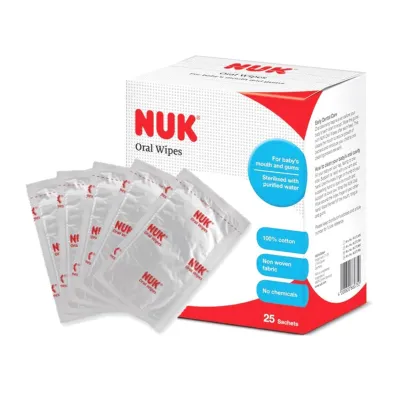
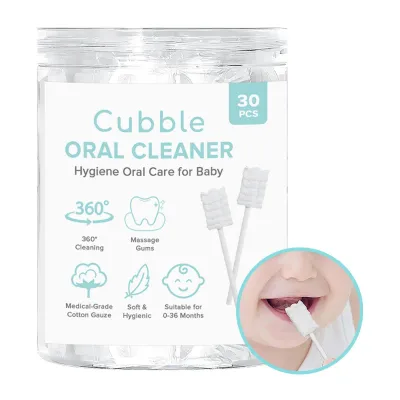
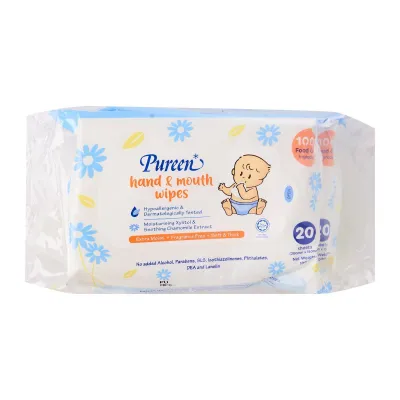
Prices are valid at publication and may change. Please refer to the product page for the latest price.
Standard baby skin wipes are formulated strictly for external use on the body and diaper area. These products frequently contain surfactants, synthetic fragrances, and robust preservatives designed to clean skin and prevent mold growth in plastic tubs. If used inside the mouth, these ingredients can cause chemical irritation, disrupt the natural balance of oral bacteria, and introduce toxic compounds into the baby’s digestive system.
During the first few months of life, oral care focuses on removing milk residue, formula buildup, and early plaque from the gums and tongue. This practice helps prevent oral thrush and prepares the infant for a lifetime of oral hygiene habits. However, because infants cannot rinse and spit, every single ingredient on an oral wipe must be safe for ingestion in small, daily quantities.
As your baby grows, their oral care needs will shift. While oral wipes are excellent for cleaning tender gums and early emerging teeth, they are a transitional tool. Recognizing when to transition from wipes to a soft-bristled toothbrush is key to protecting developing enamel. Pediatric dentists generally recommend introducing a toothbrush once multiple teeth have fully erupted, but maintaining a clean oral environment starts with safe ingredients from day one.
Gentle Ingredients to Look For on the Label
When evaluating baby oral wipes, the ingredient list should be short, simple, and dominated by food-grade components. The primary ingredient in any high-quality oral wipe is purified or sterile water. This water base must undergo rigorous filtration and sterilization processes to ensure it is entirely free from microbial contamination, heavy metals, and impurities, providing a safe and neutral medium for cleaning.

To lift sticky milk proteins and plaque from the gums, oral wipes require mild, food-grade cleansing agents. Look for gentle, plant-derived surfactants that are approved for use in food products. These ingredients help break down residue so it can be wiped away easily, without causing dryness, foaming, or irritation to the delicate oral tissues.
Some formulations include soothing botanical extracts, such as chamomile or calendula, to help comfort tender gums during teething. When choosing a product with botanicals, it is critical to verify that the specific extract is food-grade and explicitly formulated for oral use, rather than topical skin application. Unrefined or cosmetic-grade botanical extracts can carry a risk of allergic reactions or digestive upset if swallowed.
Xylitol is another common ingredient found in infant oral wipes, often recommended by pediatric dentists for its ability to inhibit the growth of cavity-causing bacteria. Xylitol is a natural, plant-derived sweetener that bacteria cannot ferment, meaning it does not contribute to tooth decay. Before purchasing, verify that the xylitol concentration is appropriate for infants, and consult your pediatric dentist to ensure it aligns with your baby’s specific developmental stage.
Harsh Additives and Ingredients to Avoid
To protect your baby’s oral health, there are several common cosmetic and preservative ingredients you should actively avoid. Alcohol and other drying agents should never be present in an oral wipe. Alcohol strips moisture from the oral mucosa, disrupts the delicate oral microbiome, and can cause painful dry mouth or irritation on sensitive, teething gums.
Chemical preservatives like parabens, phthalates, and formaldehyde-releasing agents must also be avoided. While these chemicals are highly effective at preventing bacterial growth in cosmetic products, they are associated with endocrine disruption and systemic toxicity. Because infants are highly vulnerable to chemical exposure, their oral care products should rely on mild, food-grade preservation systems instead.
Artificial flavors, synthetic colors, and chemical sweeteners are unnecessary additives that pose potential risks. Synthetic flavorings and bright dyes can trigger allergic reactions, skin sensitivities, or digestive issues in sensitive infants. Furthermore, any wipe containing fermentable sugars or artificial sweeteners that mimic sugar should be avoided, as these substances can actively contribute to early childhood caries once teeth begin to emerge.
Fluoride is a highly effective tool for strengthening tooth enamel, but it requires careful management in infancy. Because babies cannot spit out excess product, daily use of fluoride-containing wipes carries a risk of chronic fluoride ingestion, which can lead to dental fluorosis. Unless explicitly prescribed and monitored by a dental professional for a specific clinical need, choose fluoride-free oral wipes for routine daily cleaning.
How to Evaluate and Compare Oral Wipe Products
Evaluating oral wipes requires looking past clever marketing terms. Words like “natural,” “organic,” or “hypoallergenic” are often used loosely on packaging and are not strictly regulated for oral care products. Instead of relying on these front-of-pack claims, turn the package over and read the actual ingredient list (INCI) to verify exactly what will be entering your baby’s mouth.
Look for products that demonstrate rigorous quality standards. While you should verify these claims independently, packaging that indicates third-party testing, food-grade manufacturing standards, or endorsements from pediatric dental associations can provide additional peace of mind. Check the manufacturer’s documentation or official website to confirm their testing protocols for microbial purity and ingredient safety.
The physical material and texture of the wipe are just as important as the liquid formulation. The wipe should be made from a soft, non-abrasive fiber, such as organic cotton or biodegradable bamboo, that can physically lift plaque and milk residue without scratching the gums. Avoid wipes with rough, synthetic mesh textures that could cause micro-abrasions on delicate oral tissues.
Finally, assess the packaging design for hygiene and contamination control. Individually wrapped oral wipes are generally preferred over multi-pack tubs. Individual foil wrappers protect each wipe from exposure to air, light, and finger-borne bacteria, ensuring that every wipe remains sterile and the ingredients stay stable until the moment of use. If you choose a multi-pack, ensure it has a secure, airtight seal and use it within the manufacturer’s recommended timeframe.
Safe Usage, Storage, and When to Stop
Using oral wipes safely requires proper technique to prevent tissue damage. Wash your hands thoroughly with soap and water before opening the package. Wrap the wipe securely around your clean index finger, then gently sweep it over your baby’s gums, tongue, and the insides of their cheeks. Use light pressure and a smooth, circular motion; never scrub or rub vigorously, especially over areas where teeth are beginning to erupt.
Proper storage is essential to maintain the stability of the ingredients and prevent the growth of harmful bacteria or mold. Store your oral wipes in a cool, dry place away from direct sunlight, excessive heat, and moisture. Never use a wipe if the packaging is torn, punctured, or if the wipe itself appears dry, discolored, or has an unusual odor.
Always monitor your baby closely during and after cleaning their mouth. If you notice any signs of irritation—such as redness, swelling, unusual fussiness, refusal to feed, or a rash around the mouth—discontinue use of the product immediately. These symptoms may indicate an allergic reaction or sensitivity to an ingredient, requiring a consultation with your pediatrician or pediatric dentist.
Pay close attention to the product’s expiration date and the period-after-opening guidelines provided by the manufacturer. Preservative systems in food-grade oral wipes are milder than those in standard cosmetics, meaning they have a shorter shelf life once opened. Discard any expired or dried-out wipes promptly to ensure you are always using a fresh, safe product in your baby’s mouth.
Frequently Asked Questions (FAQ)
Can I use regular baby skin wipes to clean my baby's mouth?
No, you should never use regular baby skin wipes to clean your baby’s mouth. Skin wipes are formulated for external use and often contain surfactants, synthetic fragrances, and preservatives that are not safe for ingestion. These ingredients can irritate the delicate oral mucosa and pose health risks if swallowed. Only use wipes explicitly labeled for infant oral care.
At what age should I start using oral wipes for my baby?
You can begin cleaning your baby’s mouth shortly after birth. Gently wiping their gums after feedings helps remove milk residue and prevents bacterial buildup. This early routine also helps get your baby accustomed to regular oral hygiene. Always consult your pediatrician or pediatric dentist to establish a personalized oral care timeline for your infant.
Do baby oral wipes replace a toothbrush once teeth come in?
No, oral wipes do not replace a toothbrush once multiple teeth have erupted. While wipes are excellent for early gum care and cleaning the very first emerging teeth, they cannot effectively clean the deep grooves and spaces between multiple teeth. Transition to a soft-bristled infant toothbrush and water as more teeth appear, following the guidance of your pediatric dentist.

Community discussion
Share your experience or ask a question. Comments are reviewed before publication.