
Starting the weaning journey is an exciting milestone for parents in Singapore, marking a major transition from exclusive milk feeding to a world of diverse textures and flavors. As your baby begins to explore solid foods, the right feeding gear plays a crucial role in managing the inevitable messes while supporting their physical development. Choosing appropriate tools requires looking beyond aesthetics to find products that match your baby’s specific age, motor skills, and evolving mealtime challenges. By aligning your gear choices with each developmental phase, you can transform what is often a chaotic process into a structured, positive learning experience.
The progression from caregiver-assisted feeding to independent self-feeding is a gradual journey that spans several months. In the beginning, your primary focus will be on managing small drips and introducing basic utensils that are gentle on sensitive gums. As your child grows more active and curious, their feeding style will shift toward grasping, scooping, and exploring food with their hands, which demands more robust mess-containment and stable tableware. Understanding this natural progression allows you to select products that grow alongside your baby, ensuring safety and comfort at every step.
Understanding Weaning Stages and Feeding Needs
Weaning is not a single event but a continuous developmental journey that typically begins around six months of age. The initial phase is centered on tasting and swallowing smooth purees, where the baby learns to move food from the front of the mouth to the back. As oral motor skills improve, usually around seven to eight months, babies transition to chewing and mashing thicker textures and soft lumps with their gums. By the time they reach nine to twelve months, many infants are eager to feed themselves finger foods and attempt to use utensils, entering the self-feeding stage.
Products mentioned in this guide
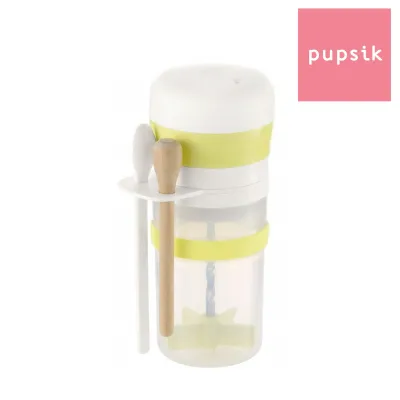
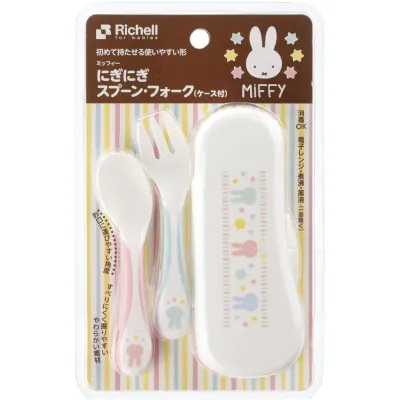
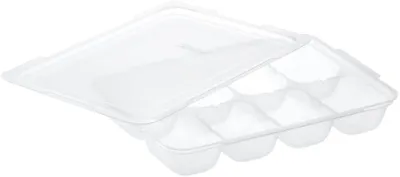
Prices are valid at publication and may change. Please refer to the product page for the latest price.
Each of these phases corresponds to specific physical and motor skill milestones that you must observe before introducing new feeding tools. For the earliest stage, a baby must exhibit strong head and neck control and the ability to sit upright with minimal support, which are essential safety prerequisites for swallowing solids. Hand-eye coordination develops rapidly in the subsequent months, moving from a clumsy palmar grasp to a precise pincer grasp. Recognizing these physical cues helps you determine when your baby is ready to transition from being fed by a caregiver to holding their own spoon or cup.
As your baby gains physical independence, their feeding needs shift dramatically, requiring a parallel evolution in your choice of tableware and protective wear. Early on, the caregiver maintains complete control over the bowl and spoon, meaning the primary requirement is comfort and basic spill protection. Once the baby begins reaching for the spoon or grabbing food directly, the volume of spills increases exponentially, and the risk of tipped bowls rises. Consequently, your gear must transition from simple, lightweight items to sturdy, slip-resistant, and highly protective tools designed to withstand active exploration.
While general age guidelines on product packaging offer a helpful starting point, every child develops at their own unique pace. It is essential to consult your pediatrician or a qualified healthcare professional to assess your baby’s individual developmental readiness before starting solids or advancing to complex textures. Relying on observable physical milestones rather than strict chronological age ensures that your weaning journey remains safe, supportive, and tailored to your child’s specific capabilities.
Selecting Richell Bibs for Messy Milestones
Managing the mess of weaning requires a strategic approach to bib selection, as different stages of eating produce entirely different types of spills. Bibs generally fall into three main categories: soft fabric or lightweight plastic bibs, molded silicone bibs with built-in food catchers, and full-coverage long-sleeve coveralls. Each style serves a distinct purpose, and having a variety of options on hand allows you to adapt to different meal consistencies and dining environments, whether at home in your HDB flat or dining out at a local cafe.

Before purchasing any bib, it is critical to verify the manufacturer’s age recommendations and inspect the design of the neck closure. The closure must be secure enough to stay in place during active movement, yet easy to release quickly if the bib becomes caught on an obstacle. Avoid closures that are overly tight or rigid, as they can cause discomfort or present safety hazards. A well-designed bib should sit comfortably around the neck without gaps that allow liquids to seep onto clothing, while still providing ample breathing room.
The volume and consistency of the food your baby is eating will dictate the necessary coverage and pocket depth of the bib. Thin purees and liquids require absorbent materials or wide, flexible pockets that can catch fast-running drips before they reach the lap. As your baby transitions to chunkier finger foods and self-feeding, the primary challenge shifts to catching dropped solid pieces and preventing them from scattering onto the floor. Matching the bib’s physical characteristics to the specific texture of the meal minimizes cleanup time and keeps your baby comfortable.
Early Weaning (Around 6 Months)
During the first few weeks of solid food introduction, meals consist of very small portions of smooth purees, meaning the mess is usually limited to chin drips and minor drool. For this stage, prioritize bibs made from soft, lightweight, and highly flexible materials that do not irritate your baby’s sensitive skin. Rigid plastics or heavy silicone can feel restrictive to a young infant who is still adjusting to the sensation of sitting in a high chair, potentially causing fussiness during meals.
Always check for adjustable neck closures, such as soft hook-and-loop fasteners or multi-position snap buttons, to ensure a customized fit that can be adjusted as your baby grows. The neckline should fit snugly enough to prevent purees from sliding down the neck, but must never restrict movement or apply pressure to the throat. Ensuring a safe, non-restrictive fit is paramount during these early feeding sessions when the baby is still mastering the basic mechanics of swallowing.
Because the volume of food is minimal at this stage, small, shallow catchers or simple absorbent fabric backings are usually sufficient to handle the mess. Heavy, deep pockets are unnecessary and can weigh down the front of a small baby’s chest, making it harder for them to maintain an upright posture. A lightweight, easily washable bib that focuses on comfort and basic liquid absorption is a highly suitable choice for these initial tasting sessions.
Mid to Late Weaning (7 to 12 Months)
As your baby enters the mid-to-late weaning phase, they will begin handling chunkier foods, grasping items with their fingers, and attempting to guide utensils to their mouth. This newfound independence inevitably leads to larger spills, dropped food, and spilled liquids. To manage this increased mess, transition to silicone bibs equipped with deep, structurally sturdy catch pockets that remain open during use to capture falling debris.
When selecting a silicone bib, carefully evaluate its overall flexibility and weight to ensure it does not overwhelm your baby’s torso or restrict their arm movements. A bib that is too heavy or stiff can press against the high chair tray, pushing the pocket closed or making it uncomfortable for the baby to lean forward. Look for high-quality, food-grade silicone that is soft to the touch and bends easily, allowing the baby to move naturally while keeping the pocket fully functional.
For highly active eaters, self-feeding sessions, or particularly messy meals like pasta with sauce, long-sleeve coverall bibs offer excellent full-body protection. These coveralls shield the baby’s arms and torso, preventing food from being wiped onto sleeves or staining clothing. They are especially useful when dining out in Singapore’s warm climate, where lightweight clothing is preferred, as they keep the baby clean without requiring a full change of clothes after every meal.
Choosing Richell Tableware and Utensils
The transition from caregiver-assisted feeding to independent eating requires a thoughtful progression of tableware and utensils designed to match your baby’s developing motor skills. In the beginning, the tools are designed primarily for the caregiver’s hand and the baby’s passive acceptance. As your child grows, the focus shifts to self-feeding implements that encourage exploration, build confidence, and minimize the frustration of missed mouth-targets.
When shopping for weaning tableware, always verify the material safety labels, heat resistance, and dishwasher compatibility printed on the product packaging. In Singapore’s humid climate, choosing materials that can be easily sanitized and dried thoroughly is essential for maintaining hygiene. Look for clear indications of food-grade materials, and check whether the items can withstand steam sterilization or microwave heating, depending on your preferred cleaning routine.
The physical shape, weight, and stability of tableware play a significant role in your baby’s ability to scoop food and drink successfully. Lightweight, unstable bowls are easily flipped by curious hands, leading to unnecessary spills and frustration. By selecting plates and bowls with non-slip bases and utensils with ergonomic handles, you provide your baby with the physical support needed to master the complex mechanics of self-feeding.
Starter Sets and Training Cups
For the initial weeks of weaning, look for starter sets that feature shallow, small-capacity bowls and soft-tipped spoons designed specifically for caregiver feeding. The shallow bowl design allows you to easily scoop up small portions of puree, while the soft, flexible spoon tip is gentle on your baby’s sensitive gums and developing teeth. These spoons should have long, ergonomic handles that allow you to reach into deep baby food jars or small containers comfortably.
Introducing a training cup alongside solid foods helps your baby learn the oral motor skills required for drinking liquids other than from a bottle or breast. Look for training cups that feature easy-grip handles sized for tiny hands, spill-resistant spouts or lids, and clear volume markings on the side for accurate portion tracking. These features allow babies to practice lifting and tilting the cup while minimizing the risk of sudden, overwhelming spills.
As your baby’s oral motor development progresses, consult manufacturer guidelines and pediatric advice to transition from spout cups to straw or open cups. Spout cups are a useful intermediate step, but prolonged use can affect swallowing patterns, whereas straw and open cups encourage proper tongue positioning and jaw stability. Choosing a training cup system with interchangeable lids allows you to adapt the vessel to your baby’s growing skills without needing to purchase entirely new cups.
Self-Feeding Plates and Cutlery
When your baby shows a strong desire to feed themselves, it is time to introduce tableware designed to prevent tipping and sliding. Evaluate plates and bowls equipped with strong suction bases or non-slip silicone bottoms that secure firmly to the high chair tray or dining table. This stability prevents the baby from lifting, throwing, or accidentally knocking over their food, allowing them to focus their energy on learning how to scoop.
Cutlery designed for self-feeding should feature short, thick, and ergonomic handles that fit comfortably into a baby’s palmar grasp. The spoon scoop should be shallow and sized appropriately for a small mouth, preventing overfilling and choking hazards, while the fork tines should be rounded and blunt for safety. These design elements reduce the physical effort required to bring food to the mouth, helping to build your baby’s confidence and coordination.
Divided plates are highly beneficial during the later stages of weaning, as they allow you to separate different food groups, textures, and flavors. This separation is particularly useful for babies who are developing distinct texture preferences or learning to manage different bites during a meal. It also helps caregivers present balanced meals with clear portions of proteins, carbohydrates, and vegetables, making meal planning more visual and structured.
Key Features to Verify Before Purchasing
Before purchasing any weaning products, it is essential to perform a thorough check of the product specifications and safety markers to ensure they meet high standards. First and foremost, verify material safety by looking for clear “BPA-free” labels, food-grade silicone certifications, and compliance with local safety standards directly on the packaging. Avoid products that do not clearly state their material composition, as infant feeding gear must be completely free of harmful chemical additives.
Next, assess the ergonomics and physical fit of the items to ensure they are appropriate for your baby’s current size and developmental stage. Utensils and cups must be lightweight and sized for small hands, allowing for a secure grip without causing hand fatigue. For bibs, double-check that the neckline is adjustable and features a secure, non-choking closure that can be easily removed by an adult but remains fastened during active baby movements.
Ease of cleaning is another critical factor, especially in Singapore’s warm and humid environment where mold and bacteria can rapidly multiply in damp conditions. Check the product labels to confirm if the items are dishwasher safe, microwave safe, and compatible with your sterilization equipment. Avoid products with deep, inaccessible crevices, hollow handles, or complex multi-part valves that are difficult to scrub and dry thoroughly, as these areas are highly prone to mold accumulation.
Finally, understand the durability limits of the materials you choose by inspecting the manufacturer’s guidelines for wear and replacement. Silicone and plastic products are durable but not permanent; they can degrade over time due to frequent washing, heating, and biting. Note the recommended replacement timelines and look for specific signs of wear, such as discoloration, stickiness, or micro-scratches, which indicate that the material is breaking down and should be discarded.
Care, Maintenance, and Safety Checks
Proper care and maintenance of your weaning gear are vital to ensure ongoing hygiene and safety for your baby. Establish a routine of rinsing all bibs, utensils, and tableware immediately after use to prevent food residues from drying and hardening. Wash the items thoroughly using a mild, baby-safe dishwashing detergent and warm water, paying close attention to seams, pockets, and the underside of suction bases where food particles can hide.
After washing, ensure all items are allowed to air-dry completely in a well-ventilated area before storing them away. In Singapore’s humid climate, storing slightly damp silicone or plastic items in closed cupboards can quickly lead to mold growth and unpleasant odors. If you use a drying rack, space the items out to maximize airflow, and avoid stacking wet plates or bowls directly on top of one another.
Regularly inspect all weaning products for signs of physical damage or wear that could compromise safety. Check silicone bibs and suction bases for small tears, cracks, or loss of elasticity, and examine plastic utensils for rough edges or bite marks. If a suction base no longer adheres securely or a spoon tip shows signs of tearing, discard the item immediately to prevent choking hazards or accidental spills.
When cleaning your baby’s feeding gear, avoid using harsh chemical sanitizers, bleach, or highly abrasive scrubbers like steel wool. These harsh methods can degrade food-grade silicone, scratch plastic surfaces, and strip away protective coatings, creating micro-scratches where bacteria can easily colonize. Stick to soft sponges, gentle brushes, and mild detergents recommended by the manufacturer to preserve the integrity and safety of the materials.
Frequently Asked Questions (FAQ)
How do I know if a suction plate is working properly?
To ensure a suction plate works effectively, always apply it to a completely clean, smooth, dry, and non-porous surface, such as a plastic high chair tray or a polished glass or wooden table. Textured surfaces, wood grain, and silicone table mats allow air to seep under the suction cup, significantly reducing its grip. Before serving food, press down firmly on the center of the plate to expel all trapped air and pull gently on the edges to verify the seal. Regularly inspect the suction base for warping, trapped dust, or loss of elasticity, and replace the plate if the suction cup no longer holds its shape or fails to secure to a flat surface.
When should I transition from a spout cup to a straw or open cup?
The transition from a spout cup to a straw or open cup is guided by your baby’s physical motor skills and oral development rather than a strict calendar age. Look for developmental indicators such as the ability to sit upright independently, hold a cup with both hands, coordinate swallowing without coughing, and control the flow of liquid. Many pediatric dental and speech professionals recommend introducing straw or open cups around nine to twelve months to support healthy jaw and tongue development. Always review the specific age recommendations and safety guidelines printed on the cup’s packaging, and consult your pediatrician for personalized guidance.
Community discussion
Share your experience or ask a question. Comments are reviewed before publication.