
Creating a safe environment for an active toddler is a top priority for parents in Singapore. As infants transition from crawling to pulling themselves up, sharp furniture corners present immediate risks of bumps, cuts, and bruises. Finding a reliable corner guard silicone product requires looking beyond generic online listings and understanding the specific material characteristics, adhesive properties, and physical designs that can withstand both curious toddlers and Singapore’s humid climate.
A trustworthy silicone corner guard must balance high impact absorption with secure adhesion, all while being free of harmful chemicals. Because toddlers often use furniture edges to pull themselves up—and may even chew on the guards during teething—parents must carefully evaluate brands based on verifiable safety standards, design suitability, and local availability. This guide outlines how to assess silicone corner guard brands, match them to your specific furniture, and install them for long-lasting protection.
Key Criteria for Evaluating Silicone Corner Guard Brands
When evaluating brands that manufacture a corner guard silicone solution, material safety verification must be your absolute first step. Many products are marketed with terms like “non-toxic,” “eco-friendly,” or “food-grade,” but these labels carry no weight without official, traceable documentation. Reliable brands provide clear material declarations on their packaging or make their compliance sheets available upon request. Look for manufacturers that explicitly state their products are made of 100% premium silicone, free from bisphenol A (BPA), phthalates, lead, and heavy metals. Since baby safety products are subject to strict international standards, reputable brands often design their products to meet European Union (EN 71) or US Consumer Product Safety Commission (CPSC) guidelines. Do not rely solely on online product titles or descriptions; always verify the physical packaging or the manufacturer’s official website for these declarations before allowing a teething child near the installed guards.
Products mentioned in this guide
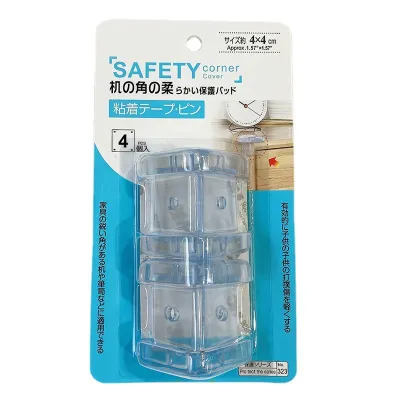
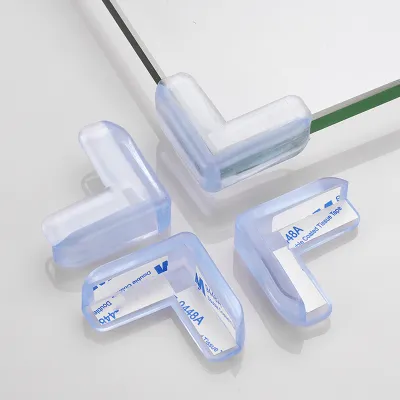
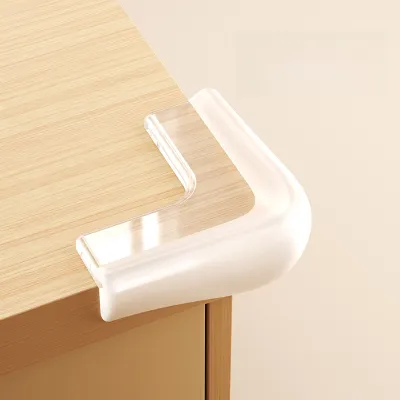
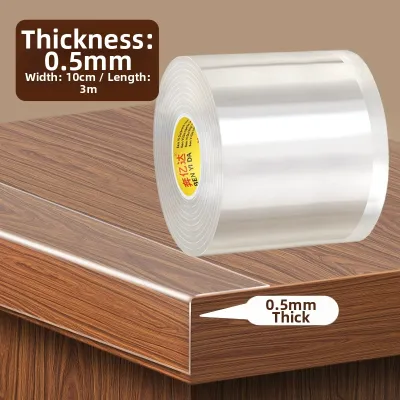
Prices are valid at publication and may change. Please refer to the product page for the latest price.
The choice of adhesive is just as critical as the silicone material itself. A corner guard is only as effective as its ability to stay attached to the furniture. High-quality brands typically partner with established adhesive manufacturers, using branded double-sided tapes like 3M acrylic backing or advanced acrylic gel (often referred to as nano-tape). Acrylic adhesives are highly favored because they form a strong, pressure-sensitive bond that resists the shearing forces applied when a child pulls or pushes on the guard. However, Singapore’s high relative humidity—which frequently exceeds 80%—can interfere with the initial bonding process of lower-grade adhesives. When choosing a brand, verify that they specify the exact type of adhesive backing included and provide surface compatibility guidelines. Some adhesives bond exceptionally well to clean glass and laminate but can fail on raw wood, or conversely, may strip the delicate wood veneer or lacquer finishes off premium furniture during removal.
Another key consideration is the long-term aesthetic impact and transparency of the silicone. Many parents prefer clear silicone corner guards because they blend seamlessly with various furniture colors and do not disrupt the home’s interior design. However, silicone is naturally susceptible to yellowing over time when exposed to ultraviolet (UV) light or ambient oxygen. This oxidation process causes clear guards to turn cloudy or amber, making them highly visible and unsightly. Premium brands solve this issue by incorporating UV-stabilized compounds into their silicone formulation, which significantly delays discoloration. When evaluating brands, read customer reviews specifically looking for mentions of yellowing over six to twelve months, or inspect physical store samples. High-quality silicone should feel firm yet pliable, with a consistent, crystal-clear appearance free of bubbles, cloudiness, or strong chemical odors.
Matching Guard Designs to Your Furniture Types
Selecting a reliable brand also means finding one that offers a diverse range of physical shapes to match the specific architecture of your home’s furniture. A single guard style cannot safely cover every sharp edge in a household. Reputable manufacturers design distinct shapes tailored to different corner configurations, edge profiles, and material thicknesses. Matching the correct design to your furniture ensures maximum impact absorption and prevents the guard from peeling off prematurely.

Spherical and Ball Guards for Sharp Corners
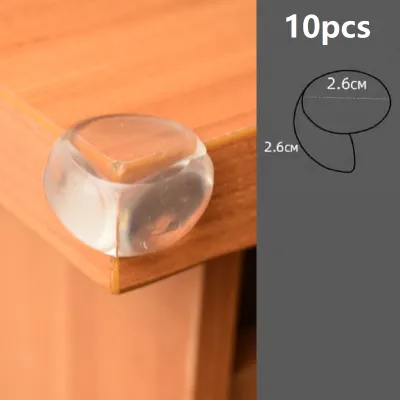
Spherical or ball-shaped guards are specifically engineered to isolate and cushion sharp, three-sided corners. These are the most common hazard points on low-lying furniture such as coffee tables, TV consoles, and low cabinets, which sit directly at a toddler’s head or eye level. When evaluating ball guards, pay close attention to the overall diameter and wall thickness of the silicone. A reliable guard should have a thick, hollow interior or a multi-layered cushion design that collapses slightly upon impact to absorb the force of a fall. Ensure the inner dimensions of the ball guard align perfectly with the corner of your furniture; any gaps between the silicone and the wood will weaken the adhesive bond, making it easy for an active child to pry the guard loose.
L-Shaped and Edge Strips for Long Edges
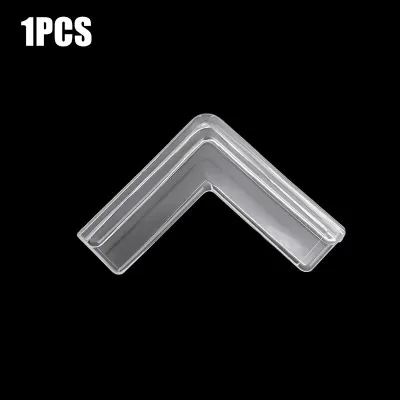
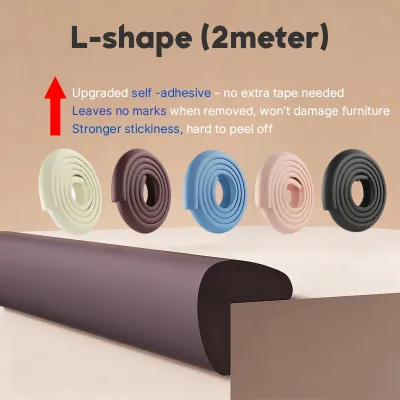
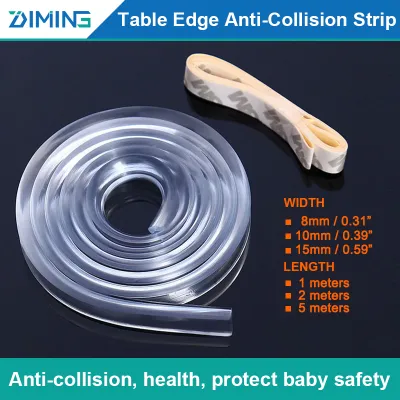
For continuous, straight edges—such as the borders of dining tables, study desks, or long drawer fronts—L-shaped edge strips provide the most comprehensive protection. These guards feature a 90-degree right angle that wraps over the top and side edges of the furniture. When purchasing L-shaped guards, it is essential to measure both the edge thickness of your furniture and the length of the run. Many reliable brands sell these in customizable rolls, allowing you to cut the exact length needed with household scissors, while others offer pre-cut strips for quick installation. Look for brands that include pre-applied adhesive along both inner faces of the L-shape, as applying tape manually along a long strip can lead to uneven bonding and unsightly air bubbles.
U-Shaped Bumpers for Thick Surfaces
U-shaped bumpers are designed to provide deep, wrapping protection for furniture with exposed top, bottom, and side edges. This design is particularly useful for thick wooden desks, heavy bed frames, and glass-topped tables where a standard L-shaped guard might leave the lower edge exposed. The defining feature of a reliable U-shaped guard is its internal width, which must match the thickness of your furniture surface precisely. If the U-shape is too narrow, the silicone will be under constant tension and will eventually pop off; if it is too wide, the gap will prevent the adhesive from making full contact. Always measure your table’s edge thickness with a caliper or ruler and compare it against the brand’s specified internal dimensions before purchasing.
Where to Source and Verify Reliable Brands in Singapore
In Singapore’s busy retail landscape, parents have access to a vast array of baby-proofing products, but this convenience also brings the risk of purchasing low-quality or counterfeit items. To ensure you are buying genuine, reliable silicone corner guards, you must be selective about where you shop and how you verify the products.
- Official Online Stores: When shopping online, prioritize official brand flagship stores or authorized distributors on major e-commerce platforms. Purchasing directly from these official channels guarantees that you receive authentic products with accurate material specifications, rather than cheap imitations that may contain hazardous plastics or weak, generic adhesives. Official stores also provide reliable customer support, clear warranty or return policies, and access to comprehensive installation guides. Be cautious of listings on online marketplaces that feature unbranded bulk packages or translated product titles filled with search keywords but lacking a clear manufacturer name.
- Local Mother-and-Baby Retailers: For parents who prefer a hands-on approach, visiting physical mother-and-baby specialty stores or department stores in Singapore offers distinct advantages. Visiting a physical store allows you to touch and feel the silicone guards before making a purchase. You can physically test the material's softness and elasticity—ensuring it is pliable enough to cushion an impact but firm enough to resist tearing. You can also inspect the actual transparency of clear guards to ensure they meet your aesthetic standards and check the quality of the included adhesive backing. Retail staff in specialty baby stores can also offer valuable advice on which brands are best suited for common Singaporean furniture materials.
- Verifying Product Claims: Whether buying online or in-store, always perform a rigorous check of the product's physical packaging. A reliable, high-quality brand will always display clear manufacturer contact information, batch or serial numbers, and specific safety warnings. The packaging should also include age recommendations and clear usage instructions. Avoid purchasing products that arrive in plain plastic bags without any branding, safety labels, or origin information. If a brand cannot provide basic contact details or traceable manufacturing information on its packaging, it is highly unlikely that their material safety and non-toxic claims have been verified by independent testing laboratories.
Installation, Adhesion Testing, and Safe Removal
Even the highest-quality silicone corner guard will fail if it is not installed correctly. Proper surface preparation, curing, and eventual removal require a systematic approach to protect both your child and your furniture finishes.
- Surface Preparation: Before applying any adhesive, the furniture surface must be completely clean and dry. Dust, body oils, fingerprints, and wax residues from furniture polish will create a barrier that prevents the adhesive from bonding directly to the furniture substrate. To clean the surface, wipe the corner thoroughly with a mild cleaning solution or isopropyl alcohol, depending on what is safe for your specific furniture finish. Always check the furniture manufacturer's care instructions first, as harsh solvents can strip certain lacquers or paints. Once cleaned, allow the surface to dry completely; even a microscopic layer of moisture—common in Singapore’s humid climate—can severely compromise the adhesive's initial tack.
- Curing and Testing: After positioning the silicone guard and pressing it firmly onto the prepared corner for at least 30 seconds, the adhesive must be allowed to cure. Most high-quality acrylic adhesives require a curing period of 24 to 48 hours to reach their maximum bonding strength. During this critical window, it is vital to keep your child away from the area and avoid touching or adjusting the guard. Once the curing period has passed, perform a gentle pull test by tugging lightly on the guard from different angles. This test confirms that the bond is secure and can withstand the daily bumps and pulls of an active toddler. If the guard moves or lifts easily, remove it, clean the surface again, and reapply using fresh adhesive tape.
- Safe, Reversible Removal: When your child outgrows the need for corner guards, removing them safely without damaging your furniture requires patience and the right technique. Never attempt to rip the guard off forcefully, as this can easily tear away wood veneer, paint, or varnish. Instead, use a hairdryer set to low heat to gently warm the silicone guard and the adhesive backing. The heat will soften the acrylic adhesive, making it pliable. Once warmed, slide a piece of dental floss or thin fishing line behind the guard and use a sawing motion to slice through the softened adhesive tape. If any adhesive residue remains on the furniture, test a commercial adhesive remover or a mild citrus-based cleaner on a hidden area of the furniture first to ensure it does not damage the finish before applying it to the visible corners.
Frequently Asked Questions (FAQ)
Are silicone guards safe to use on glass tables?
Yes, silicone corner guards are generally safe for glass tables, but the primary risk lies in the adhesive selection and the removal process. Glass surfaces are non-porous, which allows acrylic adhesives to form an exceptionally strong bond. Before installation, check the guard manufacturer’s guidelines to confirm compatibility with glass surfaces. Ensure the glass edge is thoroughly cleaned with a glass cleaner and completely dry before application. When it is time to remove the guards, exercise extreme caution; use the hairdryer method to soften the adhesive fully before peeling, as pulling too hard on cold adhesive can scratch the glass, damage any applied UV or decorative glass films, or put unnecessary stress on the glass edge.
When is it time to replace a corner guard?
Silicone corner guards are subject to wear and tear and must be inspected periodically. You should replace a corner guard immediately if you observe the adhesive losing its grip, causing the guard to lift or peel at the edges, which creates a choking hazard if a child manages to pull it off. Other signs that indicate it is time for a replacement include the silicone tearing, cracking, or becoming excessively hard and brittle due to aging or exposure to sunlight. Severe discoloration or yellowing, while primarily an aesthetic issue, can also indicate material degradation. Active toddlers will naturally test the limits of the guards, so make it a habit to check the security of all installed edge protectors during your weekly cleaning routine.

Community discussion
Share your experience or ask a question. Comments are reviewed before publication.