
Selecting the right baby wipes for travel requires balancing skin safety, packaging durability, and moisture retention. When you are away from the comfort of your home changing table, diaper changes often happen in cramped airplane toilets, public restrooms, or the back of a car. To ensure a smooth journey, parents must look for wipes that feature secure, resealable closures to prevent drying out, robust materials that do not tear mid-wipe, and gentle, hypoallergenic formulations that protect a baby’s skin barrier under changing environmental conditions. Rather than relying on brand names alone, the key to travel reliability lies in verifying specific packaging designs and ingredient lists against your itinerary.
Understanding Travel Challenges for Diaper Changes
Packing for a trip with an infant requires careful space management. Diaper bags quickly fill up with spare clothes, diapers, and bottles, leaving limited room for bulky hygiene products. Carrying a full-sized tub of wipes is impractical when navigating busy airports or public transport. Selecting compact, lightweight packs keeps your travel gear manageable and reduces physical strain during long transit days.
Hygiene standards and access to clean water can vary significantly depending on your travel destination. In some public restrooms or outdoor locations, running water and soap may not be readily available or safe for direct skin contact. In these situations, baby wipes serve as your primary line of defense for cleaning not only the diaper area but also hands, faces, and shared surfaces. Relying on a high-quality wipe ensures you can maintain cleanliness even when basic amenities are lacking.
Products mentioned in this guide
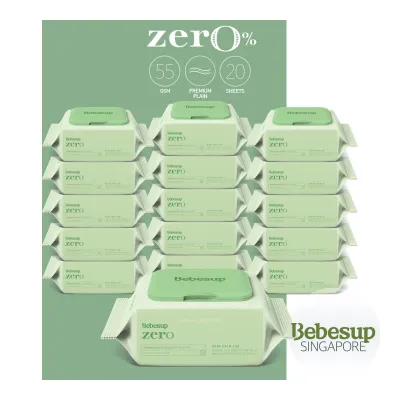
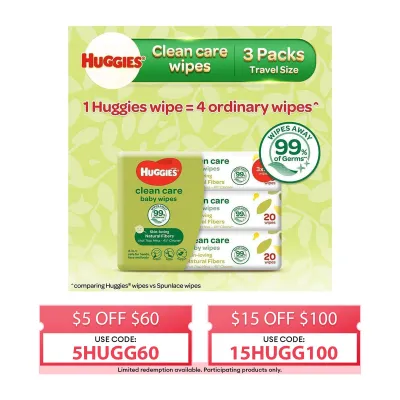
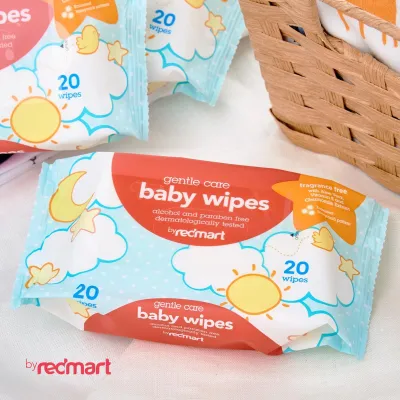
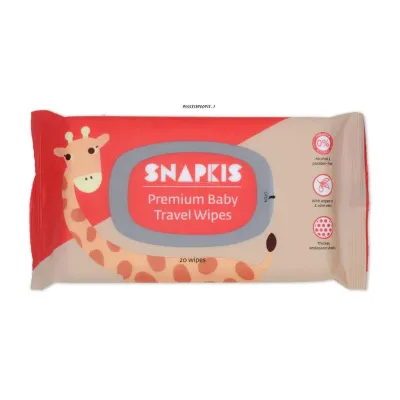
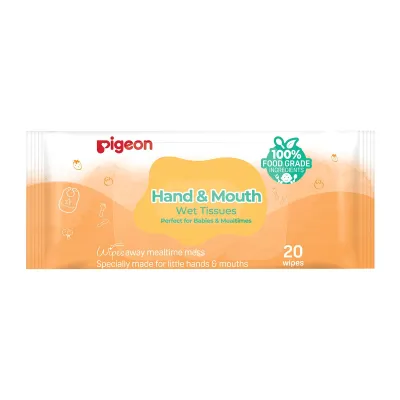
Prices are valid at publication and may change. Please refer to the product page for the latest price.
Environmental factors also play a major role in how wipes perform and how your baby’s skin reacts. Traveling often involves moving between dry, air-conditioned environments like airplane cabins and hot, humid outdoor climates. These rapid transitions can compromise your baby’s skin barrier, making them more susceptible to chafing and diaper rash. Furthermore, extreme heat can accelerate moisture loss from opened wipe packages, leaving you with dry, abrasive sheets when you need them most.
Evaluating Packaging for Portability and Moisture Retention
The mechanism used to seal a wipe package directly determines its lifespan and reliability on the road. Hard plastic flip lids are generally superior for travel because they provide a rigid, airtight seal that clicks shut securely. This design prevents accidental opening inside a crowded diaper bag and keeps the remaining wipes moist for weeks. In contrast, simple adhesive sticker flaps tend to lose their stickiness quickly when exposed to dust, lint, diaper cream residue, or high humidity, leading to premature drying.

Choosing the right pack size depends on the duration of your outing and your overall travel plans. For short day trips or flights, travel-sized packs containing 10 to 30 wipes are highly efficient, saving valuable space and weight. For longer vacations, carrying a medium-sized pack of 50 to 60 wipes often strikes the best balance between supply and portability. If you prefer bulk packs for cost savings, consider investing in a dedicated travel pouch that can be refilled from larger home stocks.
The physical durability of the outer packaging material is another critical factor to inspect before departure. Travel bags are frequently squeezed, dropped, and packed tightly, which puts significant pressure on plastic packaging. Thin, brittle plastic wraps can easily puncture or split along the seams, causing moisture to leak out and ruin other items in your bag. Look for flexible, thick laminate packaging that can withstand compression and rough handling without tearing.
Verifying Ingredient Safety and Skin Compatibility
Travel introduces babies to new environmental stressors, making their skin more sensitive. When reviewing ingredient labels, look for simple formulations that avoid known irritants. Avoid products containing synthetic fragrances, denatured alcohol, or harsh preservatives like parabens and methylisothiazolinone. These chemicals can strip natural oils, leading to redness and contact dermatitis during transit.
Manufacturer guidelines provide essential clues regarding age suitability and skin conditions. Newborn skin is exceptionally thin and highly permeable, requiring wipes formulated with minimal ingredients, such as 99% purified water. If your baby is prone to eczema or dry skin, look for wipes carrying recognized dermatological approvals or sensitive-skin certifications. Always check the packaging labels to ensure the product matches your baby’s developmental stage.
To prevent unexpected allergic reactions while away from home, establish a patch test routine before your trip. Introduce any new wipe at least one week before departure by wiping a small patch of skin on your baby’s arm twice daily. Monitor the area closely for redness, bumps, or itching. This simple precaution ensures you do not have to deal with an active skin reaction while navigating unfamiliar travel environments.
Building Your Travel Wipe Selection Checklist
When comparing wipe options, sheet thickness and texture are just as important as ingredients. Thin, smooth wipes often slip during use and require you to stack multiple sheets, which quickly depletes your travel supply. Thicker, embossed, or textured wipes offer better traction and absorbency, allowing you to manage heavy cleanups with just one or two sheets. This efficiency saves both space in your diaper bag and money over time.
Balancing the cost per sheet with your travel budget is a practical step in travel planning. While pre-packaged travel sizes offer convenience, they typically carry a higher price tag per wipe than bulk packages. If you travel frequently, calculate whether purchasing bulk packs and transferring them to reusable travel dispensers is more cost-effective. For instance, spending S$2 to S$3 on a small travel pack might seem minor, but the costs accumulate on extended trips.
Before finalizing your choice, verify the availability of your preferred wipe brand at your destination. If you are embarking on a multi-week journey, carrying a complete supply of wipes from home may take up too much luggage space. Research whether local supermarkets, pharmacies, or major ecommerce platforms at your destination stock the same brand or an equivalent formulation. Knowing you can easily purchase reliable replacements nearby allows you to pack lighter.
Practical Tips for On-the-Go Wipe Management
Proper storage is vital to preserving the quality and safety of your baby wipes throughout your journey. Never leave wipe packages in direct sunlight, on hot vehicle dashboards, or in parked cars, as extreme heat can degrade the gentle preservatives and encourage bacterial growth. Instead, store your wipe packs in insulated compartments of your diaper bag or keep them shaded beneath your stroller to maintain a cool, stable temperature.
Always pair your travel wipes with a portable, easy-to-clean changing mat to ensure a hygienic diaper change anywhere. Public changing tables, park benches, and airplane restroom shelves can harbor bacteria and viruses. Laying down a compact, waterproof mat provides a clean barrier for your baby. Keep your wipes and a clean diaper within arm’s reach before laying your baby down so you can complete the change quickly and efficiently.
Understanding local waste disposal regulations is crucial when traveling to different regions. The vast majority of baby wipes are made from synthetic fibers like polyester or polypropylene, which do not break down in water and can cause severe plumbing blockages. Even wipes labeled as biodegradable or flushable should generally be binned rather than flushed, especially in older cities or hotels with sensitive plumbing systems. Always dispose of used wipes in designated sanitary bins.
Frequently Asked Questions (FAQ)
Can I transfer baby wipes into a smaller travel container?
Yes, you can transfer wipes to save space, but doing so carries risks of moisture loss and bacterial contamination. When you open a sealed factory pack and handle the wipes, you introduce airborne mold spores and bacteria into the new container. To minimize these risks, use only clean, sanitized, airtight, food-grade silicone or plastic travel dispensers. Only transfer a small quantity of wipes sufficient for one or two days, and avoid storing repackaged wipes for extended periods.
How do I prevent baby wipes from drying out in hot climates?
To keep wipes moist in hot climates, store the package upside down when not in use. This simple trick allows the liquid formula to drain back down through the stack, ensuring the top wipe is fully saturated when you open the seal. Additionally, keep the pack inside an insulated diaper bag pocket to shield it from ambient heat, and always press the plastic lid or adhesive flap firmly to ensure a complete, airtight seal after every single use.

Community discussion
Share your experience or ask a question. Comments are reviewed before publication.