
While a classic interlocking joint mat baby setup is excellent for creating a custom, cushioned play zone inside a Singapore home, it is rarely the ideal choice for outdoor excursions like picnics at the Singapore Botanic Gardens or beach days at Sentosa. The multiple seams of interlocking puzzle mats easily trap dirt, grass, insects, and moisture, while their bulky, individual tiles are cumbersome to pack and transport. For outdoor activities, a dedicated, single-piece foldable or roll-up travel mat with a water-resistant backing offers far superior convenience, hygiene, and protection against the damp tropical ground. Understanding the distinct differences between these mat styles ensures your baby remains comfortable and safe during outdoor play, while saving you from unnecessary packing hassle.
Choosing the right gear requires balancing your baby’s developmental stage with the realities of local weather and terrain. Whether your little one is practicing tummy time, learning to sit up, or actively crawling, the surface they play on must be clean, dry, and highly supportive. By evaluating mats based on physical specifications, material safety, and ease of maintenance, you can confidently select a portable play mat that fits your family’s active lifestyle.
Clarifying Mat Types: Portable Play Mats vs. Joint Mats
To make an informed purchase, it is essential to distinguish between interlocking foam tiles—commonly referred to as joint mats—and dedicated travel mats. Joint mats consist of separate square tiles with puzzle-like edges that lock together to cover a specific floor area. They are designed primarily for permanent or semi-permanent indoor setups, providing excellent shock absorption on hard tile or vinyl floors. However, their structural design makes them highly impractical for mobile outdoor use.
Products mentioned in this guide
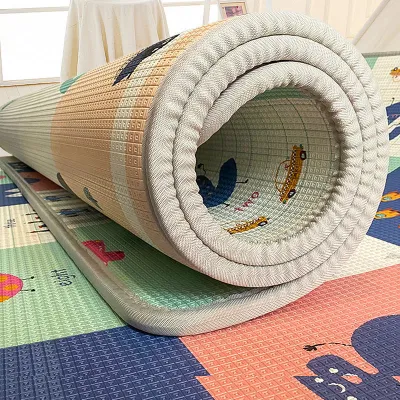
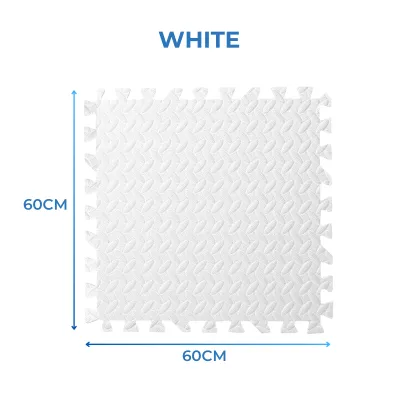
![[Buy 10 Free 2] 2.5cm Thick Interlocking Foam Floor Tiles 30x30cm EVA Foam Play Mats for Babies and Toddles Puzzle PlayMat](https://img.lazcdn.com/g/p/94a77a980b04e18d614dcbe5b227e5c1.jpg_400x400q80.jpg_.webp)
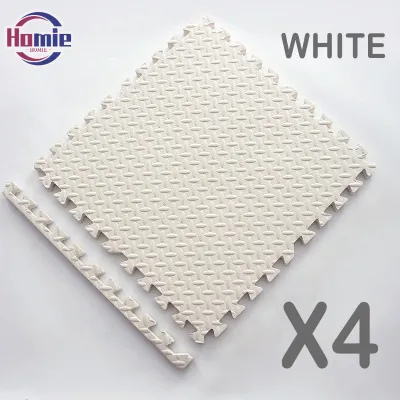
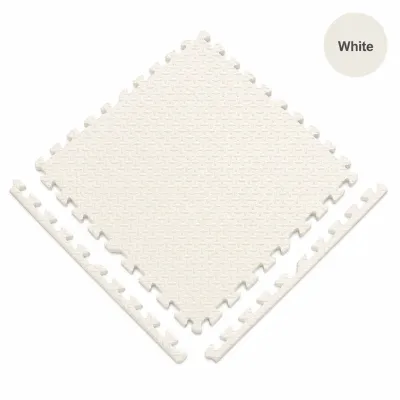
Prices are valid at publication and may change. Please refer to the product page for the latest price.
In contrast, dedicated portable play mats are manufactured as a single, cohesive unit that either folds along pre-creased lines or rolls up into a compact cylinder. These mats are engineered specifically for transport, often featuring lightweight cores and integrated carrying systems. When folded, a travel mat occupies a fraction of the space of a stacked pile of joint tiles, making it easy to slide into a stroller basket, pack into a car boot, or carry over your shoulder.
Setting up a play space outdoors should be quick and stress-free. Assembling a joint mat baby system on a windy day at East Coast Park can quickly become frustrating, as individual tiles can lift, separate, or blow away before you can secure them. A foldable travel mat, however, can be unfolded in a single motion, allowing you to establish a clean play zone for your baby in seconds. Furthermore, because travel mats lack the open seams of interlocking tiles, they prevent dirt, sand, and dampness from rising through the cracks to reach your baby’s clothes and skin.
While joint mats are not suited for public parks or sandy beaches, they can occasionally serve a purpose in controlled outdoor environments. If you have a flat, paved balcony, a shaded patio, or a private courtyard at home, a small section of interlocking tiles can create a semi-permanent outdoor play nook. For any activity that involves travel, public parks, or natural terrain, a dedicated, single-piece foldable or roll-up mat is highly recommended.
Essential Selection Criteria for Outdoor Environments
When evaluating portable mats for outdoor use, cushioning is a primary consideration. Natural outdoor surfaces are rarely perfectly flat; grass lawns often hide sharp twigs, small stones, and uneven soil, while concrete pavilions offer no shock absorption for a baby who is still unsteady on their feet. Look for a mat with a thickness of at least 1 cm to 1.5 cm. This range provides sufficient padding to protect your baby during accidental tumbles while remaining compact enough to fold and carry without excessive bulk.

Water resistance is another non-negotiable feature for outdoor play in Singapore. The ground in local parks is frequently damp due to high humidity, morning dew, or recent tropical showers. A high-quality outdoor mat must feature a reliable waterproof or highly water-resistant bottom layer, typically made of thermoplastic polyurethane (TPU) or treated polyester, to block ground moisture from seeping upward. The top surface should also be completely wipeable, allowing you to clean up spilled milk, sunscreen, sweat, and squished snacks with a simple baby wipe.
Transportability directly impacts how often you will actually use the mat. Look closely at the carrying mechanisms provided with the product. Some foldable mats are designed to fold into themselves, securing with hook-and-loop straps and featuring built-in fabric handles. Others come with a dedicated, breathable mesh carrying bag or adjustable shoulder straps. Avoid models that require separate, loose elastic bands to stay closed, as these are easily lost during a busy day out with an infant.
Finally, consider the overall weight of the mat. Since you will likely be carrying a diaper bag, a stroller, and potentially your baby in a carrier, your outdoor mat should not add unnecessary strain. Aim for a lightweight design that weighs under 1.5 kg. This ensures you can comfortably carry the mat over long distances, whether you are walking from a car park to a picnic spot or navigating public transport.
Material Checks for Safety and Local Climate Conditions
Because your baby will have direct skin contact with the mat—often while wearing minimal clothing in warm weather—verifying material safety is paramount. Do not rely on generic marketing claims such as “baby-safe” or “non-toxic.” Instead, inspect the physical product packaging, manufacturer labels, or official specifications for recognized safety certifications. Look for compliance with international standards such as EN71 (European Toy Safety Standard), ASTM F963, or REACH. These certifications verify that the foam and outer coatings are free from harmful substances like formamide, phthalates, lead, and heavy metals.
Singapore’s intense tropical sun presents unique challenges for outdoor gear. Dense plastics and dark-colored foams absorb and retain heat rapidly when exposed to sunlight. A mat left in the sun can quickly reach temperatures that are uncomfortable or even unsafe for a baby’s sensitive skin. When using a mat outdoors, always position it in a fully shaded area, such as under a mature tree canopy or a UV-blocking shelter. Before placing your baby down, perform a simple temperature check by pressing the back of your hand against the mat’s surface for several seconds.
High humidity levels also make gear highly susceptible to mold, mildew, and musty odors. Closed-cell foams, such as cross-linked polyethylene (XPE), are highly recommended for humid climates because they are non-porous and do not absorb environmental moisture or sweat. If you prefer a fabric-topped mat for a softer feel, ensure the fabric is highly breathable, quick-drying, and rated for machine washing. This prevents moisture from becoming trapped within the fibers, which can quickly lead to microbial growth.
Additionally, check the texture of the mat’s surface. A completely smooth plastic surface can become slippery when wet with sweat or condensation, which can frustrate a baby who is trying to push up or crawl. Look for mats with a gentle, non-slip textured pattern. This micro-texture provides the necessary traction for your baby’s hands and feet while remaining easy to wipe clean.
Building a Conditional Shortlist by Outdoor Activity
To find the ideal portable mat, map your selection to your family’s specific outdoor routines. Different activities demand different priorities in terms of weight, durability, and setup speed. By identifying your primary use cases, you can narrow down the options to the most practical designs.
For quick, casual visits to local neighborhood parks, prioritize rapid deployment and minimal weight. If your routine consists of short 45-minute sessions on the grass while older siblings play, a thin, ultra-lightweight foldable XPE mat (around 0.8 cm to 1 cm thick) is highly efficient. These mats can be unfolded in seconds, require no assembly, and can be wiped down quickly before being folded back into the stroller basket. A budget of S$20 to S$40 is typically sufficient for a reliable, basic utility mat of this style.
For extended travel, camping trips, or full-day beach outings, prioritize durability and enhanced cushioning. These scenarios involve uneven, abrasive surfaces like sand, gravel, or dry twigs, which can easily puncture thin materials. Look for a thicker (1.5 cm) roll-up or accordion-fold mat featuring a reinforced, puncture-resistant bottom layer. This robust construction protects the inner cushioning from damage and provides a comfortable surface for your baby to nap or play for hours. Premium, highly durable travel mats designed for rugged use generally range from S$60 to S$120.
When shopping at local baby boutiques or online marketplaces, use the following structured checklist to evaluate and compare your shortlisted options:
- Unfolded Dimensions: Ensure the mat offers at least 140 cm by 140 cm of play space, giving a crawling baby room to move without immediately rolling onto the grass or sand.
- Folded Dimensions: Measure your stroller's under-seat basket or your car's boot space to verify that the folded mat will fit comfortably alongside your other essential gear.
- Weight: Confirm the product weight is under 1.5 kg to ensure easy, single-handed carrying.
- Care Label Instructions: Verify if the mat is strictly wipe-clean or if it can be hosed down or machine-washed for deeper sanitization.
- Material Certification: Look for explicit mentions of EN71, ASTM, or REACH compliance on the product label.
Post-Use Cleaning and Storage Maintenance
Proper maintenance is essential to prolong the lifespan of your portable play mat and maintain a hygienic environment for your baby. After an outdoor session, always perform an immediate preliminary clean before packing the mat away. Shake the mat vigorously to remove loose sand, dry grass, and soil. Use a damp cloth or a baby wipe to clean off any visible spills, mud, or sunscreen, preventing these substances from drying and staining the surface.
Once you return home, do not leave the mat compressed inside its carrying bag, as trapped moisture will quickly lead to mold and mildew in Singapore’s humid climate. Unfold the mat completely and wash it down with mild, baby-safe soapy water. Avoid using harsh chemical detergents, bleach, or abrasive scrubbing brushes, as these can degrade the water-resistant coatings and damage the foam core.
After washing, hang the mat to dry in a well-ventilated indoor area or a shaded balcony. Avoid exposing the mat to direct, intense sunlight during the drying process, as prolonged UV exposure can cause foam materials to warp, discolor, or become brittle. Ensure the mat is completely dry—especially along the folding creases, seams, and fabric borders—before folding it for storage.
Store your clean, dry mat in a cool closet away from direct sunlight and high-heat sources, such as utility yards or water heaters. Do not stack heavy plastic storage tubs, suitcases, or other heavy gear on top of a folded foam mat. Constant heavy pressure can cause permanent creasing, flattening of the foam, or structural damage to the folding joints, reducing its cushioning effectiveness over time.
Inspect your portable play mat regularly for signs of wear and tear. If you notice peeling outer layers, deep punctures, exposed inner foam, or persistent musty odors that do not disappear after washing, it is time to replace the mat. Damaged foam can pose a safety risk, as a teething baby might bite off and swallow loose pieces of foam or plastic coating.
Frequently Asked Questions (FAQ)
Can I use a standard indoor joint mat baby setup outdoors?
While you can technically place indoor interlocking joint mats on a flat outdoor surface, they are highly impractical for travel. The puzzle-like seams easily trap dirt, grass, and moisture, which requires you to pull the tiles apart and clean each edge individually after use. Additionally, joint mats are bulky to transport and can easily be displaced by wind. They are best reserved for controlled, paved outdoor spaces like a private balcony or a shaded patio rather than public parks or beaches.
How do I clean a portable mat after it gets sandy or muddy?
To clean a sandy or muddy mat, first shake off as much loose debris as possible while still outdoors. Once home, unfold the mat in your shower or yard and rinse it thoroughly with cool water from a showerhead or hose. Apply a small amount of mild, baby-safe soap and gently wipe the surface with a soft sponge or cloth. Rinse away all soap residue and hang the mat to air-dry completely in a shaded, well-ventilated area before folding it for storage.
Are thicker mats always better for outdoor park use?
Thicker mats provide superior cushioning on hard or uneven ground, but they also come with increased weight and bulk. A mat that is too thick can be difficult to fold compactly and may not fit into your stroller basket or travel luggage. For most outdoor park visits, a thickness of 1 cm to 1.5 cm offers the ideal balance, providing sufficient protection for your baby while remaining highly portable and easy to carry.
Community discussion
Share your experience or ask a question. Comments are reviewed before publication.