
Introducing solid foods is a major milestone in your baby’s first year, marking a transition from an all-milk diet to a world of diverse flavors and textures. Organic baby food pouches have become a staple for busy parents in Singapore, offering a clean, portable, and shelf-stable option for feeding on the go. However, not all pouches are created equal, and your child’s nutritional requirements change rapidly between six and twelve months of age. Selecting the right pouch requires matching the ingredients and textures to your baby’s specific developmental stage while carefully verifying the quality of the product.
To choose the best organic pouches, parents must look beyond appealing front-of-pack marketing and scrutinize the ingredient list and nutritional panel. At six months, the focus is on single-ingredient purees and iron-rich options, whereas older infants require complex blends with healthy fats, proteins, and textured elements to support oral motor development. While commercial pouches offer excellent convenience, they should complement, rather than replace, fresh whole foods and active chewing practice. Always consult your pediatrician or a qualified healthcare professional before introducing solids, especially when navigating potential food allergens or managing specific dietary needs.
Nutritional Milestones: What Your Baby Needs at Each Stage
During the first year of life, an infant’s nutritional requirements evolve in tandem with their physical development. Understanding these milestones allows you to select commercial organic pouches that actively support your baby’s growth rather than simply filling their stomach.
Products mentioned in this guide
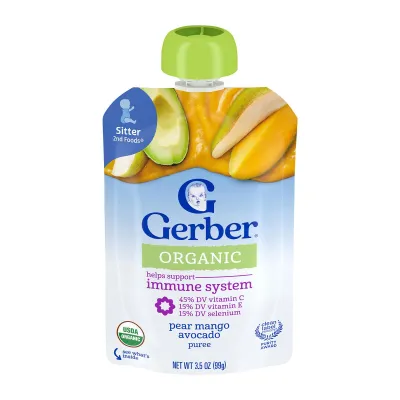
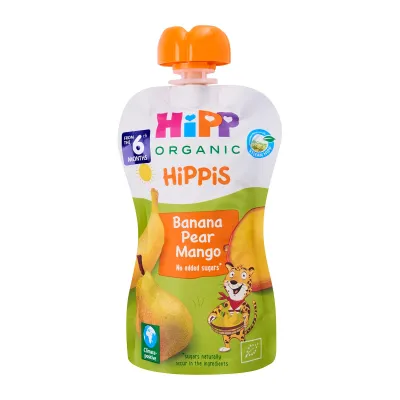
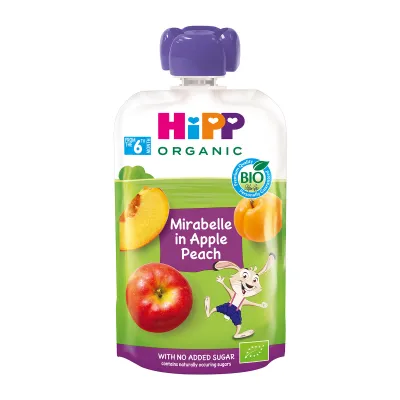
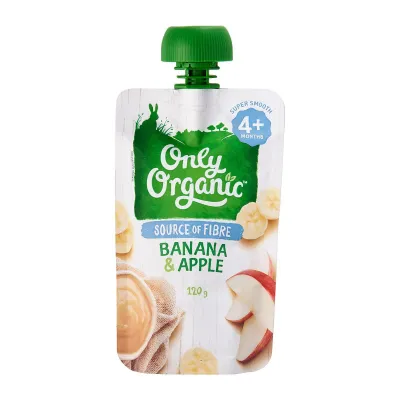
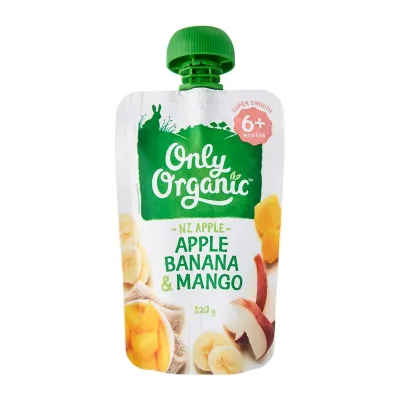
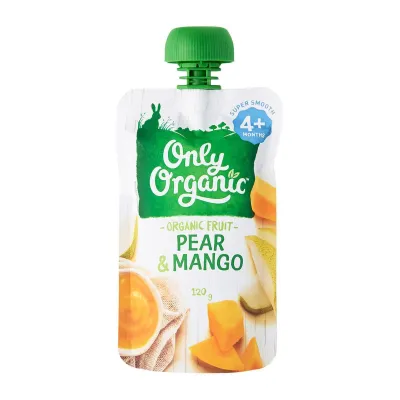
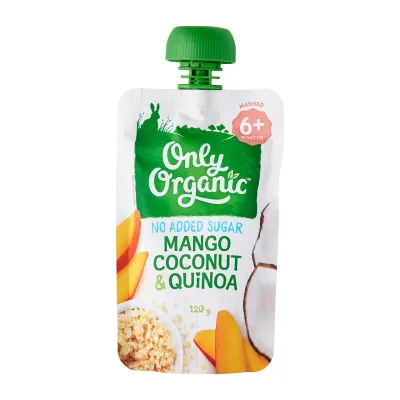
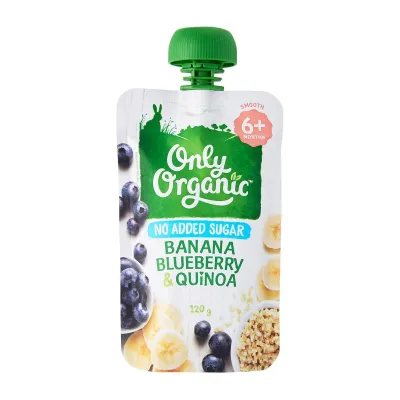
Prices are valid at publication and may change. Please refer to the product page for the latest price.
Stage 1 (Approximately 6 Months): The Introduction to Solids
Around the six-month mark, most infants show signs of developmental readiness for solid foods, such as sitting with minimal support and losing the tongue-thrust reflex. At this stage, prenatal iron stores begin to deplete, making the introduction of iron-rich or iron-fortified foods a primary nutritional priority. Stage 1 pouches should focus on single-ingredient fruits or vegetables. This minimalist approach serves a critical safety purpose: it allows parents to monitor the infant for any adverse reactions or food sensitivities over a three- to five-day window before introducing another ingredient. The consistency must be completely smooth and runny to accommodate the baby’s early swallowing capabilities.
Stage 2 (Approximately 7 to 8 Months): Expanding the Palate
As infants adapt to swallowing purees, their nutritional needs expand to include a wider variety of macronutrients. Stage 2 is characterized by the introduction of mild flavor combinations, plant-based proteins, and healthy fats. Incorporating ingredients like lentils, chickpeas, or quinoa introduces plant proteins, while healthy fats from avocado, coconut milk, or seed pastes support rapid brain development and the absorption of fat-soluble vitamins. This stage is also an ideal window for expanding the palate; offering blends that combine earthy vegetables with mild fruits helps prevent a strong preference for purely sweet flavors later in childhood.
Stage 3 (Approximately 9 to 12 Months): Textures and Complex Nutrition
By nine months, most babies are crawling, pulling themselves up, and developing a pincer grasp. Their increased physical activity demands more energy-dense meals with balanced macronutrients. Stage 3 pouches should feature complex combinations of carbohydrates, proteins, and fats to sustain energy levels. More importantly, this stage requires a transition in texture. Pouches designed for this phase should contain soft chunks, mashed elements, or a thicker consistency that encourages the baby to practice chewing and moving food around their mouth with their tongue, which is essential for speech development.
Toddler Stage (12+ Months): Nutrient-Dense Energy on the Go
After the first birthday, toddlers transition to eating modified versions of family meals, and pouches shift from being a primary meal component to a convenient snack. Toddlers require energy-dense foods to fuel their active play, but they are also prone to selective eating. Toddler-targeted pouches should prioritize whole-food ingredients, high fiber, and minimal natural sugars. Because toddlers are highly susceptible to tooth decay from sucking sweet purees, options at this stage should focus on savory profiles, whole grains, and dairy or dairy-alternative bases that provide calcium and protein without added sweeteners.
Decoding Labels: How to Verify Organic and Nutritional Quality
Packaging designs on baby food can be highly persuasive, often highlighting words like “natural” or “superfood” in prominent fonts. To make an informed decision, caregivers must learn to read the back of the pouch to verify the actual organic status and nutritional composition.

Verifying Organic Certifications
Not all products labeled “organic” meet the same rigorous standards. Parents should look for recognized, third-party organic certification logos on the packaging, such as the USDA Organic seal, the EU Organic leaf, or Australia’s NASAA and ACO certifications. These logos guarantee that the ingredients were grown without synthetic pesticides, herbicides, genetically modified organisms (GMOs), or chemical fertilizers. Be cautious of phrases like “made with organic ingredients,” which typically means only a portion of the product (often around 70 percent) is organic, compared to “certified organic,” which requires 95 percent or more organic content.
Identifying Hidden Sugars and Fillers
Many commercial pouches rely heavily on sweet fruit purees as a base because they are inexpensive and highly palatable to infants. When reading the ingredient list, check for concentrated fruit juices (such as apple or pear juice concentrate), which are essentially added sugars used to sweeten vegetable blends. Additionally, look out for unnecessary fillers like corn starch, white rice flour, or tapioca starch. While these ingredients are safe, they are often used to thicken a watery puree, diluting the overall nutrient density of the meal and adding empty carbohydrates.
Understanding Ingredient Order and Percentages
By law, ingredients on food labels are listed in descending order of weight. If a pouch is marketed as “Spinach, Quinoa, and Pear,” but the first ingredient listed is apple or pear puree, the pouch is predominantly fruit-based. High-quality brands will often list the exact percentages of key ingredients on the back label. Prioritize pouches where vegetables, whole grains, or proteins make up the majority of the blend, rather than those that use fruit puree to mask the taste of a tiny amount of green vegetables.
Checking for Allergen Warnings
Food safety is paramount when introducing solids. Always inspect the lower portion of the ingredient list for allergen declarations and cross-contamination warnings. In Singapore, imported pouches must comply with local labeling guidelines, which require clear declarations of common allergens like gluten, soy, dairy, fish, and nuts. If your baby has a known allergy or a family history of severe allergies, look for products manufactured in dedicated allergen-free facilities, often indicated by specific certifications on the label.
Building Your Shortlist: Stage-by-Stage Selection Criteria
When shopping at local supermarkets or online marketplaces in Singapore, the sheer volume of organic pouch options can be overwhelming. Caregivers can simplify the process by establishing a strict selection checklist for each developmental phase.
Stage 1 Selection Checklist
- Ingredient Count: Look for single-ingredient purees (e.g., 100% organic sweet potato, pumpkin, or pear) to isolate potential food sensitivities.
- Additive Status: Ensure there is absolutely no added salt, sugar, or artificial preservatives. Citric acid is sometimes added as a natural preservative; while safe, some highly sensitive infants may experience mild diaper rash from acidic foods.
- Texture: The puree must be completely smooth, silky, and easy to swallow without any graininess.
Stage 2 Selection Checklist
- Protein and Fat Sources: Prioritize blends that introduce plant proteins (such as peas, lentils, or beans) and healthy fats (such as coconut cream or avocado oil).
- Sugar-to-Protein Ratio: Choose pouches where the sugar content is low and balanced by protein and fiber, avoiding blends that are purely fruit-based.
- Flavor Variety: Seek out earthy vegetable profiles like broccoli, kale, or zucchini mixed with mild root vegetables to broaden the baby's palate.
Stage 3 Selection Checklist
- Textural Elements: Select pouches that explicitly state they contain small, soft pieces, grains, or a textured mash rather than a smooth liquid.
- Savory Profiles: Look for complex, savory meals that mimic family dinners, such as vegetable stews with quinoa, oats, or lentils, to encourage a preference for savory foods.
- Macronutrient Balance: Ensure the pouch provides a balanced ratio of carbohydrates, healthy fats, and proteins to support the energy needs of an active, crawling infant.
Palate Rotation and Variety Strategies
To prevent palate fatigue and foster healthy eating habits, avoid buying large bulk boxes of a single flavor. Instead, curate a diverse selection of individual pouches. Rotate through different colored vegetables (orange, green, red, and yellow) across the week to ensure your baby receives a wide spectrum of vitamins and antioxidants. If your baby rejects a particular vegetable-forward pouch, do not discard it permanently; research indicates it can take up to ten to fifteen exposures for an infant to accept a new flavor.
Safe Feeding Practices and Pouch Storage
While organic baby pouches offer unparalleled convenience, how they are served and stored plays a critical role in your baby’s physical development and overall health.
Supporting Oral Motor and Speech Development
Sucking food directly from a pouch nozzle bypasses the essential oral motor movements required for speech and chewing development. When a baby sucks from a pouch, the tongue moves in a simple front-to-back motion, similar to drinking from a bottle. To encourage proper development, always squeeze the puree onto a spoon or into a small bowl. This forces the baby to use their lips to clear food from the spoon, activates the jaw muscles, and promotes lateral tongue movement. Supplement pouch feeding with soft, textured finger foods to ensure your baby learns to chew and swallow solid pieces safely.
Storage Guidelines for Singapore's Climate
Singapore’s warm, humid tropical climate makes proper food storage highly critical to prevent bacterial growth. Unopened organic pouches should be stored in a cool, dry pantry away from direct sunlight and heat sources. Once a pouch is opened, it must be treated with care:
- Refrigeration: If the baby has not touched the nozzle directly, seal the pouch and store it in the refrigerator immediately. It must be consumed within 24 hours, or as specified by the manufacturer.
- Saliva Contamination: If your baby has sucked directly from the pouch nozzle, discard any leftovers immediately. Bacteria from the baby's saliva can quickly multiply inside the warm pouch, posing a food safety risk.
- Freezing: Do not freeze baby food pouches unless the manufacturer explicitly states it is safe to do so, as freezing can compromise the integrity of the plastic packaging.
Inspecting for Spoilage and Bloating
Before serving any pouch, perform a quick physical inspection. Squeeze the pouch gently to check for leaks, tears, or weak seals. Never feed your baby from a pouch that appears bloated, swollen, or expanded, as this is a clear sign of bacterial contamination and fermentation inside the package. Upon opening, squeeze a small amount onto a spoon to inspect the color, smell, and consistency. If the puree smells sour, looks discolored, or has separated unusually, discard the entire pouch immediately.
Transitioning Away from Pouches
As your baby approaches their first birthday, commercial purees should gradually take a backseat to whole, fresh foods. Use pouches primarily as an emergency backup or a convenient travel snack rather than a daily meal replacement. Gradually transition your child to self-feeding with soft-cooked vegetable sticks, ripe fruits, and small pieces of family meals. This transition helps build independence, refines fine motor skills, and establishes a healthy, long-term relationship with whole foods.
Frequently Asked Questions (FAQ)
Are organic baby pouches better than homemade purees?
Homemade purees are generally superior for texture exposure and nutrient density, as they do not undergo the high-heat pasteurization required to make commercial pouches shelf-stable. Pasteurization can degrade heat-sensitive vitamins, such as vitamin C. Additionally, homemade meals allow you to control the exact texture, gradually transitioning from smooth to chunky. However, commercial organic pouches offer unmatched convenience, strict safety standards, and a long shelf life, making them an excellent, reliable supplement for travel, busy days, or emergency situations.
Can babies eat organic pouches every day?
While feeding your baby an organic pouch daily is safe and convenient, it should not become the sole source of solid nutrition. Over-reliance on pouches can delay the development of oral motor skills, as babies miss out on the practice of chewing and swallowing varied textures. It can also lead to a preference for sweeter, highly processed purees over fresh, savory whole foods. Aim to balance pouch use with freshly prepared family foods, ensuring your baby has daily opportunities to touch, smell, and chew whole ingredients.
How do I know if an organic pouch is safe for my baby's allergies?
To ensure safety, carefully read the allergen statements on the back of the packaging, looking for warnings regarding shared manufacturing equipment or facilities. When introducing common allergens like dairy, soy, wheat, or tree nuts, do so using single-ingredient foods rather than complex pouch blends so you can easily identify the trigger if a reaction occurs. Always supervise your baby closely during and after feeding. If you observe signs of an allergic reaction—such as hives, swelling, vomiting, or difficulty breathing—stop feeding immediately and seek professional medical care.
Community discussion
Share your experience or ask a question. Comments are reviewed before publication.