
Choosing the right baby food pouch brands in Singapore requires understanding your child’s changing nutritional needs at each developmental stage. While commercial pouches offer unmatched convenience for busy parents, navigating the crowded shelves of local supermarkets and online marketplaces can be overwhelming. The ideal pouch is not simply the one with the most appealing packaging; it is a product that aligns with your baby’s digestive readiness, supports oral motor development, and provides clean, nutrient-dense ingredients without unnecessary fillers.
To make an informed decision, parents must look beyond marketing buzzwords like “natural” or “superfood” and learn to analyze ingredient lists and nutritional panels. By matching the texture, ingredient complexity, and nutrient profile of a pouch to your baby’s specific weaning phase, you can safely integrate these convenient options into a balanced diet. This guide provides a comprehensive framework to help you evaluate pouch brands, verify product safety, and establish a healthy feeding routine that supports your baby’s growth.
Matching Pouch Nutrition to Your Baby's Developmental Stages
Introducing solid foods is a gradual process that spans several distinct phases, each requiring a different approach to texture, ingredients, and nutritional focus. During the early weaning stage, which typically begins around six months of age, your baby’s digestive system is transitioning from a purely liquid diet of breast milk or formula. At this starting point, the primary goal is to introduce the concept of swallowing solids and to monitor for potential food sensitivities. Parents should look for single-ingredient purees that feature a completely smooth, lump-free consistency to minimize choking risks and ease the transition.
Products mentioned in this guide
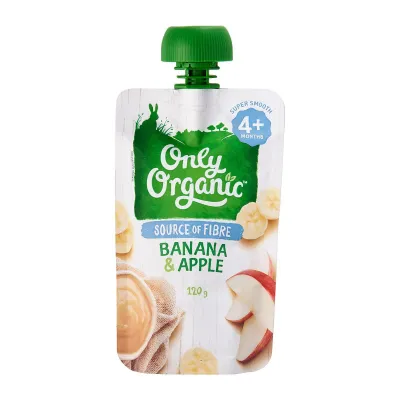
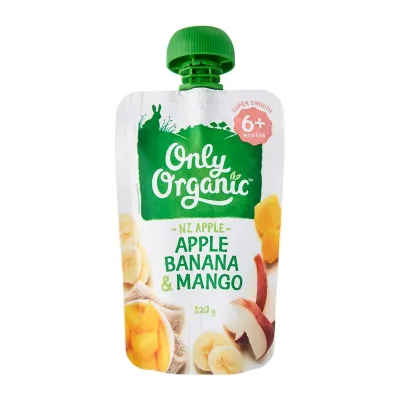
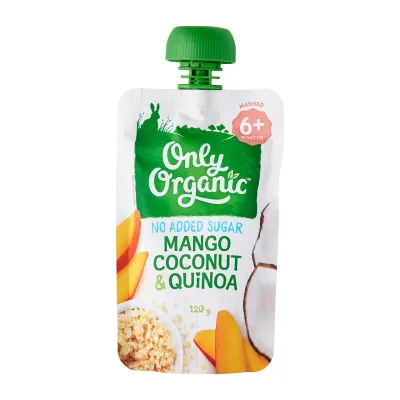
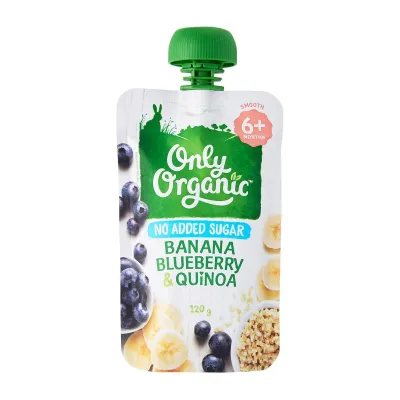
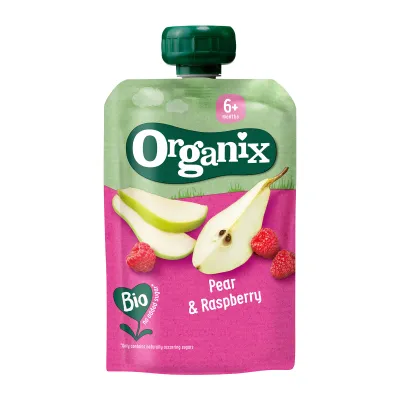
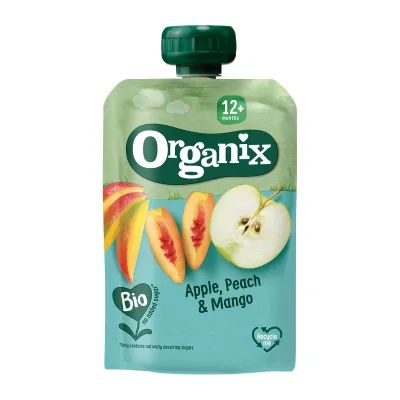
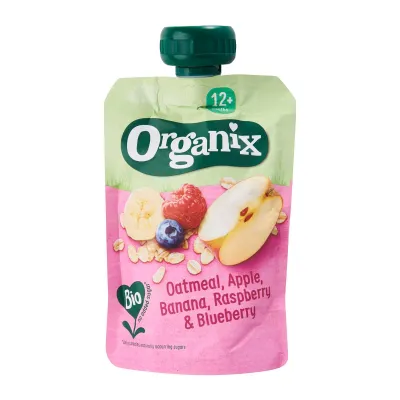
Prices are valid at publication and may change. Please refer to the product page for the latest price.
Nutritional focus during early weaning must prioritize iron-rich options, as a baby’s natural iron stores begin to deplete around the six-month mark. While many commercial fruit purees are highly palatable, they often lack the essential iron and zinc your baby needs. When evaluating early-stage pouches, seek out options that incorporate iron-fortified grains or naturally iron-dense vegetables like spinach, peas, or sweet potatoes. Always supervise your baby closely during these initial feedings, watching for signs of readiness such as steady head control and the ability to sit upright with minimal support.
As your baby enters the middle weaning phase, generally between seven and nine months, their oral motor skills are developing rapidly. They are learning to move food from side to side with their tongue and are ready for slightly thicker consistencies and mixed-ingredient purees. Pouches designed for this stage should introduce mild flavor combinations, blending vegetables with fruits or grains to expand the baby’s palate. This is an excellent time to introduce blends that combine root vegetables, oats, or quinoa, which provide a slightly textured feel that encourages active chewing motions.
By the late weaning stage, spanning from ten to twelve months and beyond, your baby is preparing to transition to family meals. Their nutritional requirements increase significantly to support rapid physical growth and cognitive development. Pouches for this stage should feature complex meals with varied textures, including soft, mashable lumps that challenge their chewing capabilities. Look for brands that offer diverse protein sources, such as lentils, chickpeas, chicken, or beef, blended with wholesome grains and vegetables to provide a calorie-dense meal option.
At this late stage, commercial pouches should serve primarily as convenient supplements or on-the-go snacks rather than the main component of a meal. Your baby should be actively practicing self-feeding with soft finger foods alongside their purees. Introducing a wide variety of savory flavors during this window is crucial for preventing picky eating habits later on. Ensure that any complex pouch meal you select does not rely on sweet fruit purees to mask the taste of vegetables or proteins, as this can inadvertently reinforce a preference for overly sweet foods.
Essential Criteria for Evaluating Baby Food Pouch Brands
To independently assess the quality of any baby food pouch brand on Singapore shelves, parents must develop a critical eye for ingredient transparency. The ingredient list on the back of the pouch is your most reliable tool, as ingredients are legally required to be listed in descending order of weight. If a pouch labeled “Beef and Spinach Stew” lists apple puree or pear juice concentrate as the first two ingredients, the product is primarily a fruit puree with minimal meat or vegetable content. Prioritize brands that clearly state the percentages of their primary ingredients on the label.

Be highly vigilant about hidden sugars, sodium, and unnecessary additives that serve as cheap fillers. Many commercial brands utilize fruit juice concentrates to sweeten vegetable purees, which increases the free sugar content without providing the beneficial dietary fiber found in whole fruits. Avoid pouches that contain added cane sugar, corn syrup, or salt, as infant kidneys are not mature enough to process excess sodium, and early exposure to added sugars can impact long-term dental health. Thickeners such as cornstarch, tapioca starch, or white rice flour are often added to create a false sense of density; choose brands that rely on whole food ingredients to achieve their texture.
Nutritional density is another critical factor, particularly when comparing the calorie-to-volume ratio of different brands. A high-quality pouch should provide adequate energy and nutrients relative to its portion size, rather than being diluted with water or low-calorie fruit bases. Check the Nutrition Information Panel (NIP) for the protein, fat, and iron content per serving. Healthy fats are essential for rapid brain development in infants under two years of age; look for pouches that incorporate beneficial fats from ingredients like olive oil, coconut milk, or avocado purees.
Packaging safety is just as important as the food inside, especially given the flexible plastic design of modern food pouches. Always verify that the packaging material is explicitly labeled as BPA-free (Bisphenol A) to prevent harmful chemicals from leaching into the food, particularly during transport and storage in warm climates. Inspect the physical integrity of the pouch before purchase, ensuring the tamper-evident seal is completely intact and there are no signs of bloating, punctures, or leakage. A bloated pouch is a clear indication of bacterial contamination and must be discarded immediately.
Pay close attention to the design of the pouch cap, as small plastic caps can pose a severe choking hazard if left within reach of infants or young children. Many reputable brands now utilize large, hollow, or uniquely shaped “anti-choke” caps that allow air to pass through in the unlikely event of accidental swallowing. Regardless of the cap design, always remove the cap entirely and place it far out of your child’s reach before handing over or dispensing the food. Never allow a baby to play with or chew on the plastic cap under any circumstances.
Navigating Baby Food Pouch Options in Singapore
When sourcing baby food pouches in Singapore, parents must ensure they are purchasing authentic, safely imported products that comply with local food safety standards. Look for a local distributor label affixed to the packaging, which typically includes the importer’s contact details, country of origin, and batch information. The Singapore Food Agency (SFA) regulates all imported food products, and purchasing from reputable, established retail channels ensures that the products have undergone the necessary safety clearances and quality checks before reaching the shelves.
Parents can find a wide variety of baby food pouch brands across different local retail channels, each offering distinct advantages. Major supermarkets, such as FairPrice Finest, Cold Storage, and Giant, carry a reliable selection of mainstream international brands, making it easy to pick up options during regular grocery runs. For specialized, organic, or niche dietary brands, physical mother-and-baby boutiques located in major shopping malls often provide a curated selection. Authorized e-commerce platforms and official brand stores online are excellent for bulk purchasing, but parents must verify the seller’s credentials to avoid parallel-imported goods that may have been subjected to poor temperature control during transit.
Proper storage and handling are vital to maintaining the nutritional quality and safety of commercial baby food pouches, especially in Singapore’s hot and humid tropical climate. In retail stores, observe how the products are displayed; they should be kept in cool, dry, well-ventilated areas away from direct sunlight or heat sources. When buying online, inspect the condition of the delivery box upon arrival. If the pouches feel excessively warm to the touch or show signs of condensation, the structural integrity of the seals may have been compromised, increasing the risk of premature spoilage.
Always check the expiration dates carefully, particularly when purchasing discounted bundles or buying in bulk. Commercial pouches typically have a long shelf life due to the pasteurization process, but using them past their expiry date is not recommended as the nutritional value of vitamins and minerals can degrade over time. Once you bring the pouches home, store unopened packages in a cool pantry or cupboard. If you plan to store them for an extended period, keeping them in an air-conditioned room or a cool spot away from kitchen appliances that generate heat will help preserve their quality.
Building a Balanced and Safe Pouch Feeding Routine
While baby food pouches offer incredible convenience for busy lifestyles, they should be viewed as a supportive tool rather than a complete replacement for fresh, home-prepared whole foods. Freshly prepared meals allow babies to experience distinct textures, natural colors, and individual aromas that are often lost during the high-heat pasteurization process required for commercial shelf-stable pouches. To foster a healthy relationship with food, aim to balance the convenience of pouches with fresh, locally sourced ingredients like steamed threadfin, local spinach, pumpkin, and sweet potatoes prepared at home.
Using pouches exclusively can inadvertently delay a baby’s oral motor development and speech readiness. When a baby sucks food directly from a pouch nozzle, they bypass the essential oral mechanics required for chewing and swallowing complex textures. The repetitive sucking motion does not challenge the tongue, jaw, and lip muscles in the same way that spoon-feeding or chewing finger foods does. To support proper oral development, always squeeze the puree out of the pouch onto a clean spoon or into a small bowl, allowing your baby to practice eating from a spoon and experiencing the food visually.
Physical safety during feeding sessions must always be a top priority for caregivers. Never allow your baby to walk, crawl, run, or lie down while consuming food from a pouch, as these activities significantly increase the risk of choking. Feeding should always take place in a secure, upright seated position, preferably in a high chair, under direct and undivided adult supervision. Establish a calm, distraction-free feeding environment by turning off screens and focusing on your baby’s cues of hunger and fullness.
Finally, maintain strict hygiene practices when handling and disposing of pouch packaging. Once you open a pouch, the plastic cap must be disposed of or placed in a recycling bin immediately to prevent it from becoming a choking hazard. If you are feeding your baby directly from the pouch using a screw-on spoon attachment, do not save any leftover puree that has come into contact with the baby’s saliva, as bacteria can multiply rapidly in the warm environment. By integrating pouches mindfully and safely, you can enjoy their convenience while fully supporting your baby’s developmental milestones.
Frequently Asked Questions (FAQ)
Can I freeze leftover baby food from a pouch?
Yes, you can freeze leftover baby food from a commercial pouch, provided that the food has not been contaminated by your baby’s saliva. If your baby has sucked directly from the pouch nozzle or if a spoon used for feeding has been dipped back into the pouch, bacteria from their mouth will have entered the food, making it unsafe for storage. In this case, any leftover portion must be discarded immediately to prevent foodborne illness.
If you squeezed the desired portion of puree onto a clean spoon or into a separate bowl without letting the pouch nozzle touch any feeding utensils, the remaining portion in the pouch can be safely stored. Seal the pouch tightly and place it in the refrigerator immediately, where it can typically be kept for up to 24 to 48 hours; always verify the specific storage timeframe printed on the manufacturer’s label. To freeze, squeeze the clean leftover puree into a sterilized silicone ice cube tray, cover it securely to prevent freezer burn, and freeze. Once solid, transfer the cubes to an airtight freezer bag, label it with the date, and use within one to three months. Discard the food immediately if you notice any off smells, unusual separation, or signs of mold upon thawing.
Are organic baby food pouches nutritionally better?
Organic certification indicates that the ingredients were grown and processed without the use of synthetic pesticides, chemical fertilizers, or genetically modified organisms (GMOs). While choosing organic pouches can significantly reduce your baby’s exposure to synthetic chemical residues, an organic label does not automatically guarantee superior nutritional value. An organic pouch can still be high in natural sugars from fruit concentrates, low in essential proteins, or lacking in key micronutrients like iron.
When shopping in Singapore, organic baby food pouches often carry a price premium, with prices ranging from S$3.50 to S$6.00 or more per pouch. Parents should prioritize reading the actual ingredient list and the Nutrition Information Panel over marketing claims. A conventional pouch that features a high proportion of iron-rich proteins and diverse vegetables is often a nutritionally superior choice to an organic pouch that consists almost entirely of apple puree and water. Balancing organic commercial options with fresh, thoroughly washed conventional produce prepared at home is a highly practical and cost-effective approach for most families.
How do I know if my baby is allergic to an ingredient in a pouch?
Identifying food allergies requires a cautious, systematic approach to introducing new ingredients. It is highly recommended to introduce potential allergens—such as cow’s milk, soy, wheat, egg, fish, shellfish, peanuts, and tree nuts—one at a time in their simple, single-ingredient fresh forms first, rather than using complex, multi-ingredient commercial pouches. This allows you to easily isolate and identify the specific food responsible if an allergic reaction occurs.
When introducing a pouch that contains a new ingredient, feed a small amount during the earlier part of the day so you can monitor your baby closely for several hours. Watch for physical signs of an allergic reaction, which can include hives, red itchy patches on the skin, swelling of the lips, face, or eyes, vomiting, sudden diarrhea, or breathing difficulties. If you observe mild symptoms like a localized rash, stop feeding the pouch immediately and consult your pediatrician. If your baby exhibits severe symptoms such as difficulty breathing, swelling of the tongue, or widespread hives, seek emergency medical attention immediately. Always consult a qualified healthcare professional before introducing highly allergenic foods if your baby has severe eczema or a known family history of food allergies.
Community discussion
Share your experience or ask a question. Comments are reviewed before publication.