
Introducing bubble bath bombs to your baby’s bath time can turn a routine cleaning session into an exciting, sensory-rich experience. However, for parents in Singapore, this fun activity requires careful preparation and strict safety checks. An infant’s skin barrier is up to thirty percent thinner than an adult’s, making it highly susceptible to rapid moisture loss and chemical irritation. Consequently, choosing the right product is not just about finding appealing colors or pleasant scents; it is about ensuring high safety standards and compatibility with delicate skin. To navigate the vast array of options available on the market, caregivers must understand how to verify regulatory compliance with local authorities and how to decode complex ingredient lists. By establishing a rigorous screening process, you can confidently select products that protect your baby’s skin health while preserving the joy of bath time.
Understanding HSA Guidelines for Infant Bath Products
In Singapore, all cosmetic products, including baby bubble bath bombs, fall under the regulatory purview of the Health Sciences Authority (HSA). Before any cosmetic product can be legally sold or distributed in the local market, the company responsible for the product must submit a cosmetic product notification to the HSA. This notification process is a critical safety gate; it requires the company to declare the product’s ingredients, manufacturing details, and safety profiles. While a notification does not represent an official approval or endorsement by the HSA, it signifies that the product has been registered and that the distributor is legally accountable for its safety and compliance with local standards.
Caregivers can actively protect their infants by utilizing the HSA’s public online portal. The Cosmetic Product Notification database allows anyone to search for registered cosmetic products using the brand name, product name, or the name of the local importer. If a baby bath bomb brand is legitimately notified, its details will appear in this database, providing reassurance that the product has undergone the necessary regulatory declarations. If a search yields no results, it is highly advisable to avoid the product, as it may have bypassed official safety channels.
Products mentioned in this guide
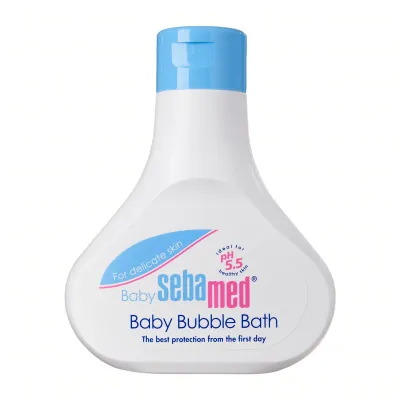
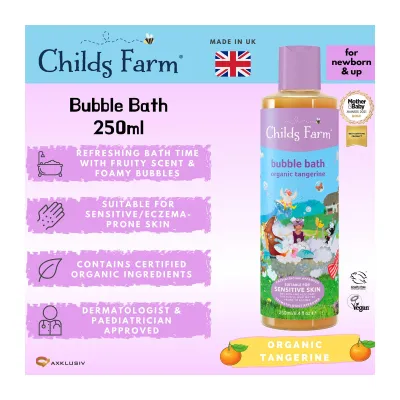
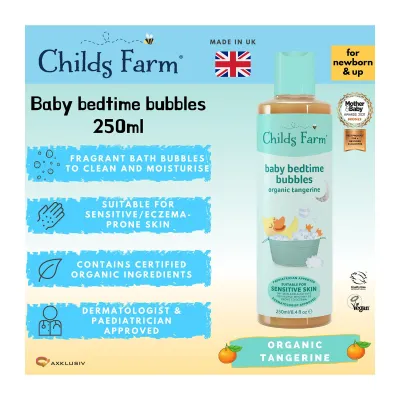
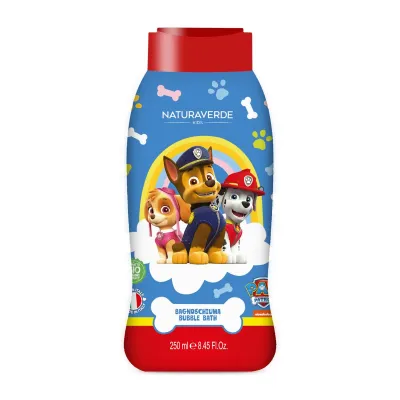
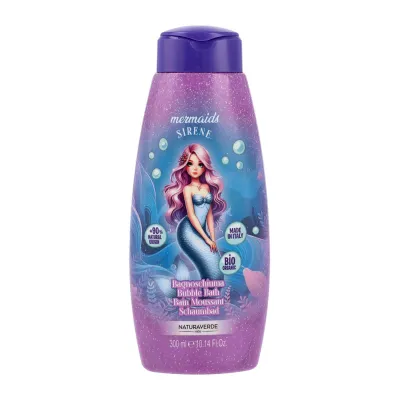
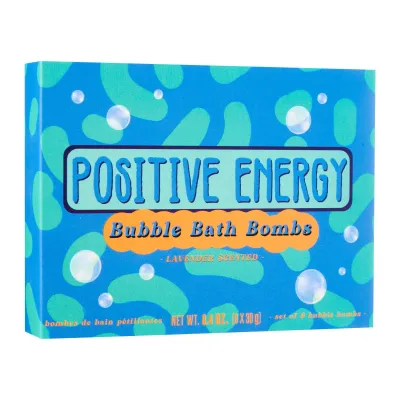
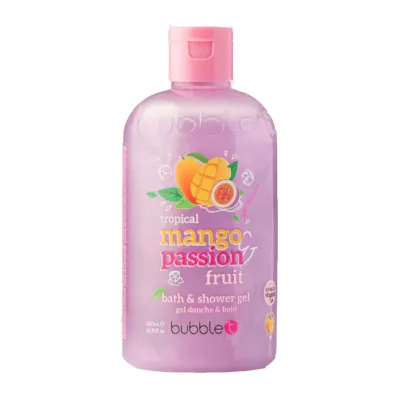
Prices are valid at publication and may change. Please refer to the product page for the latest price.
It is particularly important to exercise caution when browsing online marketplaces, social media shops, or community buy-and-sell platforms. Unregistered, homemade, or illegally parallel-imported bath bombs are frequently sold through these unauthorized channels. These products often lack proper ingredient labeling, quality control, and standardized manufacturing conditions. In Singapore’s warm and highly humid climate, improperly formulated or poorly packaged bath bombs can degrade rapidly or become contaminated with mold and bacteria, posing a direct threat to your baby’s health. Purchasing exclusively from reputable, authorized distributors is the most effective way to ensure product integrity.
Identifying Sensitive-Skin-Friendly Ingredients
When selecting a bubble bath bomb, the ingredient list on the back of the packaging is your most valuable resource. Infant skin is highly sensitive to synthetic additives, which can easily disrupt the delicate acid mantle—the slightly acidic protective film on the skin’s surface. To maintain this natural barrier, caregivers must learn to identify and avoid common harsh chemicals. Strong synthetic surfactants, such as Sodium Lauryl Sulfate (SLS) and Sodium Laureth Sulfate (SLES), are frequently used in adult products to create dense, long-lasting foam, but they are far too aggressive for babies. These sulfates strip away essential natural lipids, leaving the skin dry, itchy, and vulnerable to environmental irritants.

In addition to avoiding harsh surfactants, it is crucial to steer clear of synthetic fragrances and artificial colorants. While a brightly colored, highly scented bath bomb may seem appealing, these additives are among the leading causes of contact dermatitis and allergic reactions in young children. Artificial dyes are often listed on ingredient labels as “CI” followed by a five-digit number (such as CI 42090), while synthetic fragrances are simply labeled as “fragrance” or “parfum.” For babies with sensitive skin or conditions like eczema, these ingredients can trigger immediate redness, itching, and inflammation.
Instead, prioritize formulations that feature gentle, nourishing, and plant-derived ingredients. Look for bath bombs that utilize mild, coconut-derived surfactants (such as Coco-Glucoside or Sodium Cocoyl Isethionate) to generate gentle bubbles. Soothing agents like colloidal oatmeal, chamomile extract, calendula, and aloe vera are excellent for calming irritated skin. Additionally, natural emollient oils, such as jojoba oil, sweet almond oil, or shea butter, help replenish the skin’s moisture barrier during the bath. Caregivers should also note that terms like “hypoallergenic” or “dermatologist-tested” are helpful marketing indicators, but they are not standardized guarantees. Always verify these claims by reading the full ingredient list yourself to ensure no hidden irritants are present.
An Evaluation Checklist for Selecting a Brand
To streamline your selection process and ensure you are choosing a safe, high-quality product, it is highly beneficial to use a structured evaluation checklist. First, cross-reference the complete ingredient list printed on the physical packaging with the manufacturer’s official online specifications. Legitimate brands maintain high levels of transparency and will readily provide detailed ingredient breakdowns, sourcing information, and safety data sheets on their official websites. If you encounter a brand that hides its ingredients or uses vague terms like “natural proprietary blend” without further elaboration, it should be excluded from your list.
Second, verify the physical retail presence or the authorized online storefronts of the brand within Singapore. Purchasing from established local pharmacies, department stores, or official brand stores ensures that the products have been imported through legitimate channels and stored under appropriate conditions. Because bath bombs are highly sensitive to moisture and temperature, improper storage in hot, humid warehouses can cause the active fizzing agents (typically sodium bicarbonate and citric acid) to react prematurely. This not only ruins the fizzing effect but can also alter the chemical balance of the product, making it less safe for infant skin.
Third, carefully inspect the product packaging for clear warning labels, age recommendations, and child-safe design features. A responsible manufacturer will clearly state the minimum age for safe use—typically recommending that bubble baths be introduced only after an infant is at least six months or one year old, when their skin barrier is slightly more developed. The packaging should also be robust and secure, preventing young children from easily opening or biting into the dry bath bomb, which presents a severe choking and chemical ingestion hazard.
Finaly, use these criteria to compile a personal shortlist of compliant brands. By filtering out products that fail to meet these standards, you can narrow your choices down to a select few that are legally notified with the HSA, formulated with gentle ingredients, and distributed through secure, climate-controlled channels. This systematic approach minimizes risks and ensures that your final choice is backed by verifiable safety standards.
Safe Usage and Supervision During Bath Time
Even after selecting an HSA-compliant, sensitive-skin-friendly bubble bath bomb, safe usage practices are essential to prevent adverse reactions. Before introducing any new product to your baby’s full bath, always perform a localized patch test. Dissolve a tiny fragment of the bath bomb in a cup of warm water, apply a few drops to a small, discreet area of your baby’s skin—such as the inner arm or the side of the thigh—and leave it on for a few minutes before gently wiping it away. Monitor this specific area closely over the next 24 hours for any signs of redness, swelling, tiny bumps, or itching. If no reaction occurs, the product is generally safe to use in the tub.
When preparing the bath, pay close attention to water temperature and bath duration. The water should be comfortably warm, ideally between 37 and 38 degrees Celsius, as excessively hot water strips moisture from the skin and exacerbates sensitivity. Limit the bath time to a maximum of 10 to 15 minutes; prolonged exposure to even the mildest soapy water can dry out an infant’s skin. Once the bath is finished, it is vital to rinse your baby thoroughly with clean, plain water from a separate cup or showerhead. This step removes any lingering surfactant or oil residue that could cause post-bath itching. Immediately after patting the skin dry with a soft towel, apply a generous layer of a gentle, fragrance-free baby moisturizer to lock in hydration.
Physical safety and constant vigilance are equally critical during bath time. Bubble bath products can make the bathtub surface extremely slippery, increasing the risk of slips and falls. Always maintain continuous, hands-on supervision of your baby; never leave them unattended in the water for even a single second, regardless of how shallow the water is or how secure a bath seat seems. Keep the dry bath bomb completely out of your baby’s reach at all times, treating it with the same caution as household cleaning products or medications.
Lastly, establish clear stop-conditions for using bath bombs. If your baby develops any signs of skin irritation, such as sudden redness, dry patches, hives, or a persistent rash, discontinue the use of bath bombs immediately. Similarly, if the scent of the product causes coughing, sneezing, or any signs of respiratory discomfort, remove the baby from the bath right away. In any of these scenarios, rinse the skin thoroughly with clean water and consult a qualified pediatrician or pediatric dermatologist for professional medical advice.
Frequently Asked Questions (FAQ)
Can I use regular adult bath bombs for my baby?
No, you should avoid using regular adult bath bombs for a baby. Adult bath bombs are formulated for mature skin and often contain high concentrations of synthetic fragrances, essential oils, intense artificial dyes, and strong foaming agents like SLS. These ingredients are highly irritating to an infant’s thin skin barrier and can cause contact dermatitis, eye irritation, and urinary tract sensitivity. Always choose products specifically formulated, tested, and labeled for infants.
How often should I use a bubble bath bomb for an infant?
Bubble bath bombs should be reserved as an occasional treat rather than a part of your baby’s daily bathing routine. For daily hygiene, bathing your baby in plain lukewarm water or using an ultra-gentle, non-foaming baby wash is highly recommended to preserve the skin’s natural moisture barrier. Limiting the use of fizzing or foaming bath products to once a week or once every two weeks helps prevent cumulative skin dryness and irritation.
What should I do if my baby accidentally swallows bath water?
If your baby swallows a small amount of bath water containing dissolved bath bomb, remain calm and immediately rinse their mouth with clean, fresh water. Offer them small sips of plain water or milk to help dilute any ingested soap. Monitor your baby closely for the next few hours. If they exhibit symptoms such as persistent coughing, vomiting, lethargy, difficulty breathing, or unusual distress, seek immediate medical attention or contact a healthcare professional.

Community discussion
Share your experience or ask a question. Comments are reviewed before publication.