
As infants transition from crawling to cruising and taking their first tentative steps, the home environment presents a new set of physical challenges. Sharp edges on coffee tables, low TV consoles, and kitchen countertops suddenly become high-risk zones for bumps and impact injuries. While active caregiver supervision remains the primary and irreplaceable line of defense, installing a high-quality edge protector serves as a crucial secondary safety measure to cushion accidental impacts.
Selecting the right edge protector requires balancing material safety, profile shape, adhesive compatibility, and cushioning thickness. Because homes feature a diverse mix of furniture materials—ranging from solid wood and veneer to glass and engineered stone—a single type of guard rarely suffices for every room. The ideal decision path involves identifying the specific furniture edge type, matching it to a compatible guard shape, selecting a material based on the child’s developmental stage, and verifying that the adhesive will secure the guard without ruining the furniture’s finish.
By taking a methodical approach to these factors, you can create a safer living space that accommodates your child’s natural curiosity and mobility. This guide outlines how to evaluate materials, shapes, and adhesives so you can make an informed choice for your home.
Products mentioned in this guide
![[SG Stock] Corner Protector❤️Table Furniture Sharp Edge Safety Guard Silicone Bumper Baby Kids Children Protection](https://img.lazcdn.com/g/p/9b72f18b7a5af8ec7a091b97a2a1b5fc.jpg_400x400q80.jpg_.webp)
Prices are valid at publication and may change. Please refer to the product page for the latest price.
Comparing Edge Protector Materials and Safety Labels
When evaluating edge protectors, the material composition dictates both the level of impact absorption and how well the guard withstands daily wear. Since young children frequently explore their environment using their hands and mouths, understanding the chemical and physical properties of these materials is essential for maintaining a safe home.
Silicone and PVC Options
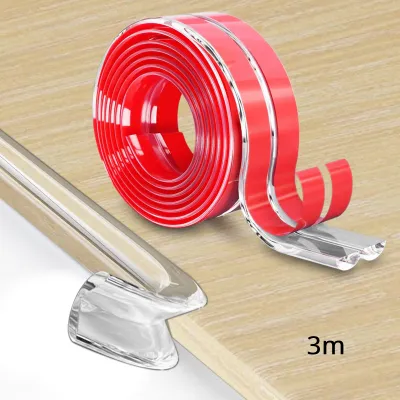
Silicone and polyvinyl chloride (PVC) are popular choices for modern households due to their transparent or semi-transparent appearance, which allows the natural grain of wooden furniture or the sleekness of glass to remain visible. These materials are highly flexible, allowing them to conform easily to curved edges and tight corners without warping or lifting over time.
When purchasing silicone or PVC guards, it is vital to inspect the product packaging and manufacturer specifications for verified safety labels. Look for explicit designations such as “BPA-free,” “phthalate-free,” and “non-toxic.” Because these materials are synthetic polymers, verifying these chemical safety standards ensures that the product does not contain harmful plasticizers or additives that could leach out if a child touches or chews on the guard.
While silicone and PVC options offer an aesthetically pleasing, low-profile look, caregivers must physically assess the thickness of the material before installation. A very thin, clear strip may prevent minor scratches but might not provide sufficient cushioning to absorb the force of a heavy fall. Consider your child’s current mobility level; an active toddler running near a sharp corner requires a thicker, more substantial profile than a crawling infant who is just beginning to pull themselves up.
NBR Foam and Rubber Options
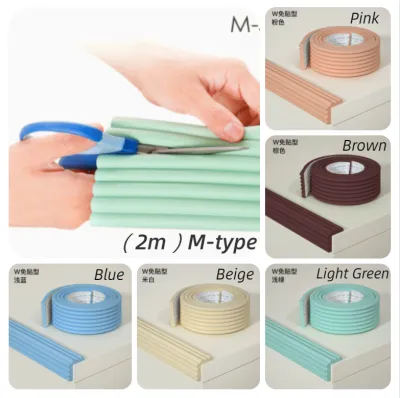
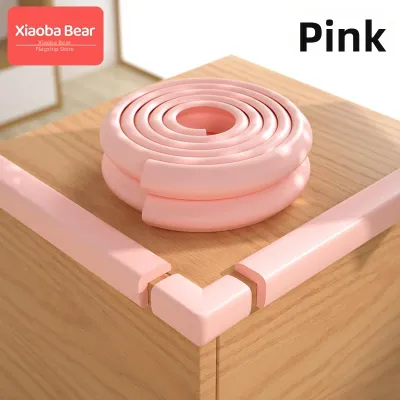
Nitrile Butadiene Rubber (NBR) foam and dense rubber edge protectors are highly valued for their superior shock-absorption capabilities. These materials are opaque, spongy, and significantly bulkier than silicone, making them highly effective at dispersing the force of high-impact collisions. They are particularly suited for low-lying, heavy furniture where children are most likely to lose their balance.
To ensure the longevity and efficacy of foam guards, caregivers should verify manufacturer claims regarding density and tear resistance. High-density NBR foam is less likely to compress fully under pressure, meaning it retains its protective cushioning even during a hard impact. Check the product specifications or user care instructions to confirm that the foam has been manufactured to withstand repeated compression without flattening out permanently.
Despite their excellent cushioning properties, foam and rubber materials require frequent, close inspection by caregivers. Teething infants and toddlers may attempt to bite or chew on the soft, textured surface of the foam. If a child manages to tear or puncture the material, the loose pieces can quickly become a serious choking hazard. Caregivers must establish a routine of checking these guards daily and should follow the manufacturer’s replacement guidelines immediately if any signs of damage, wear, or missing chunks are detected.
Matching Shapes and Profiles to Furniture Geometry
An edge protector can only perform effectively if its physical shape matches the geometry of the furniture edge it is meant to cover. An improper fit creates structural gaps, weakens the adhesive bond, and can even present a tripping or catching hazard for a child.

U-Shaped and C-Shaped Guards
U-shaped and C-shaped guards are designed with a wrap-around profile that covers the top, outer edge, and bottom of a surface simultaneously. This design is highly effective for thin or fragile edges, such as tempered glass coffee tables, metal shelving units, or thin wooden tabletops. By enclosing the entire edge, these guards prevent the child from contacting the sharp underside of the surface as well as the top.
Before purchasing a wrap-around guard, it is crucial to measure the exact thickness of your furniture edge using a precise measuring tool. U-shaped guards are engineered to fit specific dimensional ranges; attempting to stretch a narrow guard over a thick table will cause the material to split or peel away. Conversely, placing a wide guard on a thin surface leaves empty air gaps that compromise the integrity of the protector during an impact.
Always check the manufacturer’s specified maximum and minimum edge thickness limits before finalizing your selection. A properly sized U-shaped guard should slide onto the edge with minimal tension and sit flush against all three contact surfaces. This tight, flush fit prevents the child from getting their fingers underneath the guard and peeling it off.
L-Shaped Guards and Corner Protectors
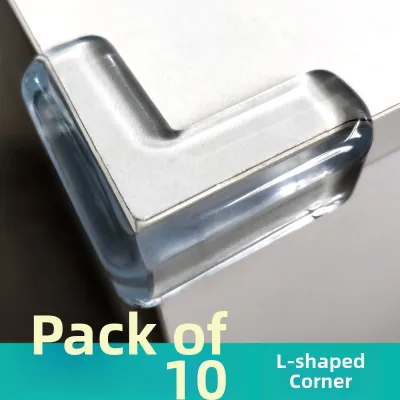
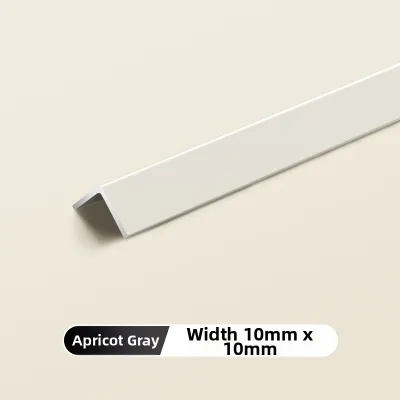
L-shaped guards feature a simple right-angle profile designed to cover 90-degree edges, such as those found on wooden bookshelves, TV consoles, and mantlepieces. These guards protect the long horizontal and vertical edges of furniture, which are common points of contact when a child loses their footing and falls sideways.
When installing L-shaped guards, precise alignment with the furniture’s vertex is critical. If the guard is offset or applied crookedly, it can create a stiff, protruding lip of material that may cause scrapes or act as a catch point for clothing. Ensure the inner corner of the L-shape sits perfectly flush against the corner of the wood or metal surface before pressing the adhesive down.
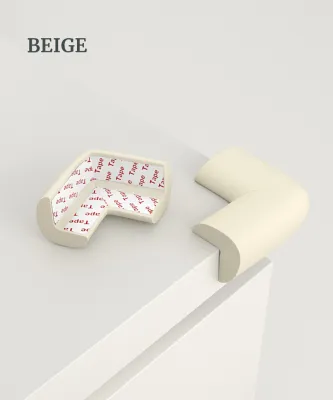
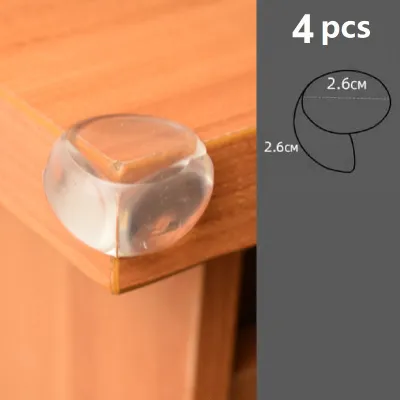
For isolated sharp corners, such as the corners of low dining tables or desks, discrete corner protectors (often shaped as spheres, L-shapes, or decorative blocks) are highly effective. However, because these individual corner guards have a much smaller surface area than continuous edge strips, they are subject to higher leverage when pulled. Caregivers must verify that the adhesive coverage area on the inside of the corner ball is sufficient to withstand the persistent pulling, peeling, and twisting actions of a curious toddler.
Evaluating Adhesive Strength and Surface Compatibility
An edge protector is only as reliable as the adhesive holding it in place. Choosing the wrong adhesive can lead to the guard falling off prematurely, creating a safety gap, or permanently damaging the underlying furniture finish when it is eventually removed.
Adhesives used for baby-proofing typically fall into two categories based on general manufacturer descriptions:
- Acrylic-Based Double-Sided Tape: This type of adhesive is often clear, offers excellent initial clarity, and is highly resistant to yellowing. It bonds well to smooth, non-porous surfaces like glass, metal, and polished stone. Acrylic adhesives generally cure over 24 hours to form a firm, stable bond that resists shearing forces.
- Rubber-Based Tape: Known for its high initial tack, rubber-based adhesive bonds quickly to a wide variety of surfaces, including semi-porous wood and painted finishes. However, rubber-based adhesives can be more sensitive to high humidity and temperature fluctuations, which may cause them to soften or leave a gummy residue over time.
In humid climates, such as in Singapore, moisture in the air can interfere with how adhesives cure and hold. This makes a strict pre-installation protocol absolutely mandatory to ensure a secure bond. Begin by thoroughly cleaning the application area with a mild, non-abrasive cleaner to remove dust, skin oils, and polish residues. Ensure the surface is completely dry before applying the tape, as any trapped moisture will prevent the adhesive from bonding fully with the substrate.
Before applying adhesive to any valuable or delicate piece of furniture, perform a hidden spot test. Apply a small piece of the adhesive tape to an inconspicuous area, such as the underside of a table leg or the back of a cabinet, leave it for 24 hours, and then remove it to check for any lifting of the varnish, paint, or wood veneer.
Caregivers must consult the furniture manufacturer’s care instructions before applying any adhesive to delicate surfaces like untreated wood, antique finishes, paper veneers, or certain painted metals. If the furniture warranty or care guidelines explicitly prohibit the use of adhesives, do not attempt to use standard sticky guards. In these scenarios, explore alternative baby-proofing solutions, such as tension-based barriers, free-standing playpens, or non-adhesive fabric edge wraps, to protect your child without compromising the integrity of your furniture.
Recommended Protector Types by Room and Scenario
To optimize safety and maintain the functionality of your home, match specific edge protector materials and shapes to the unique environmental conditions of each room.
Living Room Tables and Shelving
The living room is often the primary high-traffic area where children spend their active hours. This space typically features a mix of low coffee tables, media consoles, and bookshelves that require targeted protection.
- Glass Coffee Tables: Use clear silicone or PVC U-shaped guards. These provide continuous coverage around the fragile perimeter of the glass without completely obscuring the table's design. Because glass surfaces are highly susceptible to dust and fingerprints, regularly check the adhesion of these guards, as glass cleaning products or temperature shifts can cause the tape to lift.
- Wooden TV Consoles and Low Shelves: Opt for dense NBR foam L-shaped guards. These low-lying pieces of furniture are prime targets for falls when toddlers are cruising. The high impact absorption of thick foam provides excellent protection for these high-risk areas, where aesthetic integration is secondary to physical safety.
Kitchen Countertops and Appliances
The kitchen presents a challenging environment for baby-proofing due to high humidity, heat from cooking, exposure to water, and the frequent use of household cleaning agents.
- Kitchen Islands and Low Countertops: Select waterproof, non-porous materials such as high-density silicone. These materials do not absorb liquids, making them easy to wipe down and sanitize during regular kitchen cleaning.
- Porous Foam Warning: Avoid using porous NBR foam guards near food preparation areas. Foam can easily absorb cooking oils, food spills, and moisture, creating an ideal breeding ground for bacteria and mold that is difficult to clean effectively.
- Adhesive and Heat Considerations: Ensure the adhesive tape you select is rated for your specific countertop material, whether it is quartz, solid surface, or laminate. Additionally, avoid placing edge protectors too close to heat sources like ovens or stovetops. Check the manufacturer's specifications to ensure the material and adhesive can withstand elevated ambient temperatures without melting or releasing fumes.
Nursery Cribs and Play Furniture
In the nursery, children spend extended periods sleeping and playing, often with minimal direct physical contact from caregivers. Safety standards in this room must be exceptionally high.
- Crib Rails and Changing Tables: Prioritize materials that carry verified non-toxic, BPA-free, and lead-free certifications. Because teething infants frequently chew on crib rails, standard foam guards are not recommended here due to the high risk of ingestion. Instead, opt for securely fastened, tear-resistant silicone teething guards or fabric crib rail covers.
- Structural Integrity: Any aftermarket edge protector applied to a crib or changing table must not interfere with the furniture's moving parts, drop-side mechanisms (if applicable), or structural joints. Caregivers must strictly follow the crib manufacturer's safety warnings and guidelines regarding aftermarket modifications to ensure the crib remains compliant with local safety standards.
Safe Installation, Maintenance, and Removal Steps
Proper installation, ongoing maintenance, and careful removal are essential to ensure that edge protectors function correctly and do not leave permanent damage behind.
Step 1: Surface Preparation Dust, grease, and furniture wax will prevent adhesive tape from bonding securely. Clean the target surface thoroughly using a mild dish soap solution or, if the furniture finish safely allows, a cloth dampened with isopropyl alcohol. Allow the surface to dry completely for at least 15 to 20 minutes before proceeding.
Step 2: Precise Alignment and Application Measure and cut the edge protector to the required length using sharp utility shears. Peel off the adhesive backing, align the guard carefully with the edge of the furniture, and press it firmly into place. Apply steady, even pressure along the entire length of the guard for at least 30 seconds to activate the pressure-sensitive adhesive.
Step 3: Curing Time Most high-quality adhesives require a specific curing window to reach maximum bond strength. Keep your child away from the newly installed guards for the duration specified by the manufacturer—typically 24 hours. Installing the protectors in the evening after your child has gone to sleep is an effective way to allow the adhesive to cure undisturbed overnight.
Step 4: Regular Maintenance Checks Perform weekly physical checks on all installed edge protectors. Gently tug on the edges to verify that the adhesive is still holding firmly and has not dried out or peeled. Pay close attention to corners and low-lying areas that are subject to frequent kicks or vacuum cleaner bumps.
Step 5: Establishing a Stop-Use Condition Immediately remove and replace any edge protector that shows signs of tearing, deep punctures, heavy bite marks, or loose adhesive. A partially detached guard not only fails to protect against impacts but also poses an immediate choking or tripping hazard to your child.
Step 6: Safe Removal Techniques When it is time to remove the edge protectors, do not rip them off forcefully, as this can tear away wood veneer, paint, or lacquer. Instead, use a hairdryer on a low-heat setting to gently warm and soften the adhesive backing. Once the adhesive is pliable, slide a piece of dental floss or a thin plastic scraper underneath the guard to slice through the tape. If any sticky residue remains on the furniture, test a commercial adhesive remover on a hidden spot first before applying it to the visible surface, and avoid using sharp metal blades that could gouge the material.
Frequently Asked Questions (FAQ)
Are foam edge protectors a choking hazard?
Yes, foam edge protectors can become a choking hazard if they are damaged or poorly maintained. While intact, high-density NBR foam is generally safe for home use, its soft and spongy texture makes it highly appealing to teething infants who may attempt to bite or chew on it. If a child manages to puncture or tear the foam, they can easily swallow the loose pieces or inhale them into their airway. Caregivers should inspect foam guards daily for any signs of wear, bite marks, or crumbling. For children who are actively teething or prone to chewing on household objects, switching to a tougher, tear-resistant material like high-density silicone is highly recommended.
How long should edge protectors stay on furniture?
There is no universal age or timeline for removing edge protectors, as the decision depends entirely on your child’s developmental stage, physical coordination, and spatial awareness. Generally, once a child has mastered walking, running, and navigating around household obstacles safely—typically between the ages of two and three—you can begin evaluating whether the guards are still necessary. Keep in mind that leaving adhesive tape on furniture for multiple years can cause the adhesive to dry out, harden, and bond permanently to the finish. This makes the eventual removal process significantly more difficult and increases the likelihood of damaging your furniture’s surface, so periodic assessments and timely removal are highly advised.
Community discussion
Share your experience or ask a question. Comments are reviewed before publication.