
Choosing an eco-friendly cloth diaper baby routine in Singapore is a highly effective way to minimize your household’s environmental footprint while keeping your baby comfortable. With a growing focus on sustainability, many parents are looking beyond single-use options to reusable diapers that utilize organic, responsibly sourced materials. However, finding the right brands and materials requires understanding what makes a diaper truly sustainable, how different fabrics perform, and how to maintain them in a tropical climate.
In Singapore, where high humidity and warm temperatures are constant, selecting the right cloth diapers involves balancing absorbency, breathability, and drying time. By focusing on certified organic fibers, ethical manufacturing, and proper laundry care, you can build a reliable diapering system that is gentle on both your baby’s skin and the planet. This guide outlines the key criteria for evaluating eco-friendly diaper brands, compares the best sustainable materials, and provides practical tips for managing your cloth diaper routine locally.
Defining True Sustainability in Cloth Diapers
Evaluating the environmental impact of cloth diaper brands requires looking past generic green marketing terms. True sustainability spans the entire lifecycle of the product, starting with how the raw fibers are grown and harvested. Responsibly managed brands prioritize agricultural practices that protect soil health, conserve water, and eliminate the use of synthetic pesticides and fertilizers. For manufactured fibers, sustainable brands seek out closed-loop production processes where chemical solvents and water are captured and recycled rather than released into local waterways.
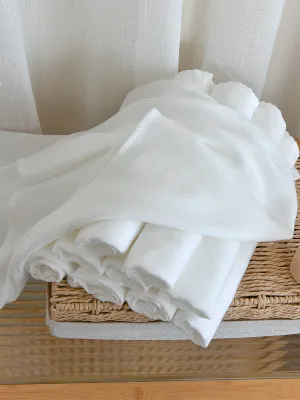
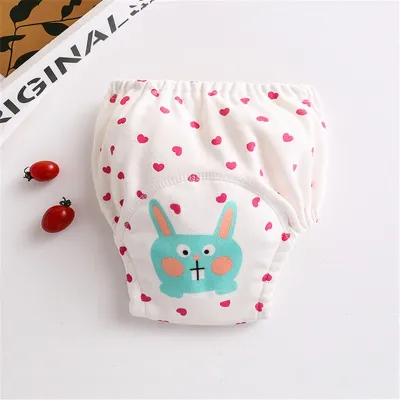
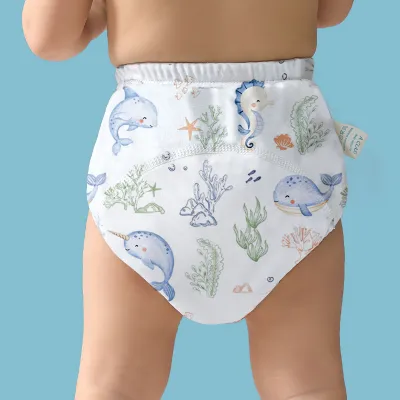
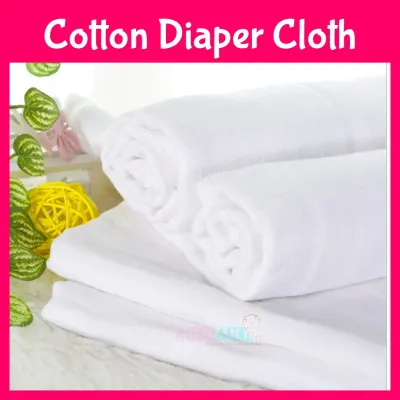
Products mentioned in this guide
![[4 at $10.90] Baby Toilet Training Pants 6 Layers Reusable Cloth Diaper Waterproof Underwear Nappy Potty Highly Absorbent](https://img.lazcdn.com/g/p/8ddde1677384c797b9de2af14f2beb0f.png_400x400q80.png_.webp)
Prices are valid at publication and may change. Please refer to the product page for the latest price.
Manufacturing practices represent another critical dimension of a brand’s ecological footprint. Ethical brands work with facilities that utilize renewable energy sources, actively manage water consumption, and ensure fair, safe working conditions for their employees. They also minimize carbon emissions by streamlining their supply chains and sourcing materials closer to their manufacturing hubs. When researching brands, look for those that publish detailed information about their factory partnerships and manufacturing standards.
Packaging and shipping methods also reveal a brand’s commitment to waste reduction. Eco-conscious diaper companies avoid single-use plastic packaging, opting instead for recycled cardboard boxes, biodegradable paper bands, or compostable shipping mailers. Some brands also offer carbon-neutral shipping options or partner with environmental organizations to offset the carbon footprint associated with delivering their products to Singapore.
Ultimately, durability is one of the most significant factors in a cloth diaper’s sustainability profile. A high-quality diaper that remains functional through hundreds of wash cycles—and can be reused for subsequent children—prevents far more waste than a cheaply made alternative that degrades quickly. Investing in durable construction, such as reinforced stitching, high-quality snaps, and robust waterproof membranes, ensures that the resources used to make the diaper are maximized over several years of use.
Choosing the Right Eco-Friendly Material for Daily Use
The fabrics used in a cloth diaper determine its absorbency, feel, and environmental impact. Modern reusable diapers typically consist of a waterproof outer shell and absorbent inner layers or inserts. Selecting natural, sustainably sourced fibers for the absorbent components is key to maintaining a low-impact routine. Below is an evaluation of the most common eco-friendly fabrics used in modern cloth diapering.

Organic Cotton
Organic cotton is a highly popular choice for everyday cloth diapering due to its exceptional breathability and natural softness. Unlike conventional cotton, which relies heavily on synthetic pesticides and intensive irrigation, organic cotton is grown using natural farming methods that preserve soil fertility and use significantly less water. This makes it an excellent choice for parents seeking to minimize chemical exposure and support sustainable agriculture.
In terms of performance, organic cotton provides reliable, quick absorbency that is ideal for daytime use. It is highly breathable, allowing air to circulate freely around your baby’s delicate skin, which is crucial for preventing irritation. Because cotton holds onto moisture, some parents use a reusable stay-dry liner on top of the cotton insert to keep wetness away from the skin during long naps.
To verify organic claims, always check the product label or the manufacturer’s documentation for recognized textile standards. The Global Organic Textile Standard (GOTS) is the gold standard for organic fibers, ensuring that the cotton is certified organic from harvesting through environmentally and socially responsible manufacturing. Another reliable indicator is the Organic Content Standard (OCS), which tracks the percentage of organic material in the final product.
Bamboo Viscose and Lyocell
Bamboo is often highlighted as an eco-friendly crop because it grows incredibly fast, requires no pesticides, and thrives on natural rainfall. However, turning woody bamboo stalks into soft fabric requires chemical processing. Most bamboo diapers on the market utilize bamboo viscose (or rayon), which is produced using a chemical spinning process. To ensure this process is environmentally responsible, look for brands that utilize closed-loop manufacturing systems where solvents are recovered and reused.
Bamboo Lyocell represents a highly sustainable alternative to traditional viscose. The Lyocell process uses a non-toxic organic solvent in a closed-loop system that recycles up to 99% of the water and solvent used. This results in a fabric with a very low environmental impact while retaining all the desirable performance characteristics of bamboo, including its silky texture and high absorbency.
For everyday diapering, bamboo fabrics are highly valued for their exceptional absorbency and trim fit. Bamboo fibers can hold significantly more liquid than cotton of a similar thickness, making them highly suitable for heavy wetters or overnight use. When purchasing bamboo diapers, check for the Oeko-Tex Standard 100 certification, which guarantees that the finished textile has been thoroughly tested and is free from harmful levels of toxic chemical residues.
Hemp Blends
Hemp is one of the most ecologically sustainable crops available for textile production. It requires very little water to grow, has a natural resistance to pests that eliminates the need for chemical pesticides, and produces a high yield of fiber per acre. Furthermore, hemp has deep roots that help prevent soil erosion and replenish nutrients in the ground, making it an excellent crop for regenerative agriculture.
In cloth diapers, hemp is prized for its extreme durability and unmatched absorbency capacity. It can hold a massive amount of liquid without leaking, making it the ultimate material for overnight diapering or long outings. Hemp fibers are also naturally resistant to degradation, meaning hemp inserts often outlast other materials in your diaper stash.
Because pure hemp fibers can feel somewhat stiff when air-dried, diaper manufacturers almost always blend hemp with organic cotton (typically in a 55% hemp and 45% organic cotton ratio). This blend combines the rapid absorption speed of cotton with the deep holding capacity of hemp, while maintaining a soft, pliable texture against your baby’s skin. Hemp inserts do require several prep washes before they reach their maximum absorbency, but their long-term performance and low environmental footprint make them well worth the initial effort.
Managing Cloth Diapers in Singapore's Tropical Climate
Using cloth diapers in Singapore’s hot, humid climate presents unique challenges that require specific adjustments to your diapering and laundry routines. High humidity levels, consistent warmth, and seasonal monsoons affect fabric breathability, drying times, and hygiene. Understanding how to manage these factors ensures your diapering system remains hygienic, durable, and comfortable for your baby.
Maintaining skin health is a primary concern in a tropical environment. When heat and moisture are trapped inside a diaper, it creates an ideal environment for diaper rash and bacterial growth. Selecting natural, highly breathable fibers like organic cotton, bamboo, or hemp allows heat to escape and air to circulate, keeping the diaper area significantly cooler than synthetic alternatives. Always check the manufacturer’s guidelines for proper fit to ensure adequate airflow around the legs and waist. If your baby develops a persistent, red, or inflamed rash, stop using the diapers immediately and consult a pediatrician or pediatric dermatologist.
Drying times vary significantly based on the materials you choose. While thin cotton layers dry relatively quickly, dense bamboo and thick hemp inserts can take more than 24 hours to air-dry in Singapore’s humid air. This is particularly challenging during the monsoon seasons when outdoor line-drying is limited. To manage this, many local parents utilize indoor drying racks positioned near windows with good cross-ventilation, or use automated laundry racks equipped with built-in fans or gentle heating elements. If you use a clothes dryer, always check the diaper manufacturer’s care label first, as high heat can damage the waterproof polyurethane laminate (PUL) shells and degrade elastic components.
Preventing mold and mildew is essential in a humid climate. Wet diapers should never be stored in airtight, sealed plastic buckets, as the lack of airflow combined with warmth will rapidly promote mold growth. Instead, store dirty diapers in a highly ventilated dry pail, such as an open plastic laundry basket with numerous air holes, or a large, breathable mesh bag. This allows moisture to evaporate, keeping odors and mold development to a minimum until wash day.
Establishing a consistent, residue-free washing routine is vital for maintaining diaper absorbency and hygiene. Start with a short, cold pre-wash cycle daily or every other day to flush out organic waste. Follow this with a long, warm-to-hot wash cycle (typically 40°C to 60°C, depending on the manufacturer’s care instructions) using a thorough, residue-free detergent. Avoid fabric softeners, bleach, and heavy fragrances, as these additives coat the fabric fibers, causing them to repel liquid and trap odors. For deep cleaning or removing mineral buildup, check your diaper manufacturer’s specific instructions for stripping diapers to avoid voiding your product warranty.
Verifying Eco-Claims and Shopping Sustainably
As interest in sustainable baby products grows, parents must learn to navigate marketing claims to identify truly eco-friendly cloth diaper brands. Greenwashing—where a product is portrayed as environmentally friendly without substantive proof—is common in the diapering industry. Verifying independent certifications and evaluating brand transparency are the most reliable ways to ensure your purchases align with your environmental values.
Begin by looking for reputable, independent third-party certifications on product packaging and brand websites. Certifications like GOTS (Global Organic Textile Standard) confirm that organic fibers were grown and processed under strict environmental and social criteria. The Oeko-Tex Standard 100 certification ensures that every component of the diaper, including threads, snaps, and linings, has been tested for harmful substances and is safe for infant use. If a brand claims to hold these certifications, you can verify their validity by checking the official online databases of GOTS or Oeko-Tex using the brand’s license number.
Evaluate the brand’s overall transparency and commitment to a circular economy. Sustainable brands readily share detailed information about their supply chains, including where their raw materials are sourced and where their manufacturing facilities are located. Look for companies that actively work to extend the life of their products by offering replacement parts, such as replacement elastics or snap repair kits, or those that provide clear instructions on how to repair and maintain your diapers. Brands that support pre-loved buy-and-sell communities or offer take-back programs demonstrate a genuine commitment to reducing waste.
When shopping for eco-friendly cloth diapers in Singapore, sourcing from specialized local baby boutiques is often highly beneficial. These retailers frequently curate high-quality, certified international and regional brands, and their staff can offer personalized advice on sizing, fit, and material selection based on local experiences. Buying from local boutiques also reduces the carbon footprint associated with individual international shipping and allows you to physically inspect the quality of the materials and elastics before purchasing.
If you prefer to shop online, prioritize the brand’s official website or authorized distributor stores on reputable online marketplaces. Be cautious of generic, unbranded, or exceptionally cheap diaper listings that use vague terms like “natural bamboo” or “eco-friendly” without providing any verifiable certifications or brand history. These low-cost alternatives often use low-grade plastics, cheap chemical dyes, and poor-quality elastics that degrade after only a few washes, ultimately generating more waste and costing more in replacements. Always read customer reviews, check for manufacturer warranties, and verify the seller’s credentials before making a purchase.
Frequently Asked Questions (FAQ)
Are cloth diapers actually better for the environment than disposables?
Yes, cloth diapers generally have a lower environmental impact than single-use disposables, but the extent of the benefit depends heavily on how they are washed and maintained. Disposable diapers generate massive amounts of solid waste, requiring hundreds of years to decompose in landfills, and their production consumes significant amounts of raw wood pulp, water, and petroleum-based plastics. In contrast, reusable diapers significantly reduce landfill waste and resource consumption over their lifetime.
To maximize the environmental benefits of your cloth diaper baby routine, it is important to adopt eco-friendly laundering habits. This includes washing full loads to conserve water and electricity, using energy-efficient washing machines, and line-drying your diapers whenever possible instead of using a clothes dryer. Additionally, using your diaper stash for multiple children or purchasing pre-loved diapers further reduces the overall carbon and water footprint associated with their production.
How many eco-friendly cloth diapers do I need for full-time use?
The number of cloth diapers you need depends on your baby’s age, your washing frequency, and local drying conditions. For newborns, who require frequent changes of 10 to 12 times per day, a stash of 24 to 30 diapers is recommended. This size allows you to wash diapers every two days while ensuring you have enough clean, dry diapers on hand while the washed laundry is drying.
For older babies (around six months and up), the number of daily changes typically decreases to 6 to 8 times per day. For this stage, a stash of 18 to 24 diapers is usually sufficient for a two-day wash cycle. However, because natural, eco-friendly fibers like hemp and bamboo take longer to dry in Singapore’s humid climate, parents who rely solely on air-drying may want to add an extra 4 to 6 inserts or diapers to their stash to prevent running out of dry options during rainy periods.
Community discussion
Share your experience or ask a question. Comments are reviewed before publication.