
Finding the right disposable changing mat for your baby’s changing table in Singapore involves balancing skin safety, absorbency, and a secure fit. These single-use sheets act as a protective barrier over your permanent changing pad, catching unexpected messes during diaper changes and reducing the constant need to wash fabric covers. Because Singapore’s warm and humid climate can foster bacterial growth on damp surfaces, keeping your nursery setup dry and hygienic is essential. By selecting mats with reliable waterproof backings, soft top sheets, and appropriate dimensions, you can simplify your daily routine while keeping your baby comfortable and your changing station clean.
Why Use Disposable Mats on a Changing Table?
A dedicated changing table is a staple in many nurseries, providing an ergonomic space for frequent diaper changes. However, fabric changing pad covers are highly susceptible to stubborn stains, moisture, and odors from sudden leaks. Using a disposable mat on top of your changing pad creates an immediate, liquid-resistant shield that catches spills before they reach the underlying fabric or foam. This simple addition significantly reduces your weekly laundry loads, saving time and energy for busy parents.
Beyond protecting your nursery furniture, these mats offer unmatched convenience for late-night changes and travel. When your baby wakes up in the middle of the night, the last thing you want to do is strip and wash a soiled changing pad cover. A disposable mat can be quickly rolled up and discarded, allowing you to place a fresh one down in seconds. This portability also makes them invaluable when transitioning from the home nursery to outdoor excursions, public changing stations, or visits to family members, ensuring your baby always has a clean, familiar surface to lie on.
Products mentioned in this guide
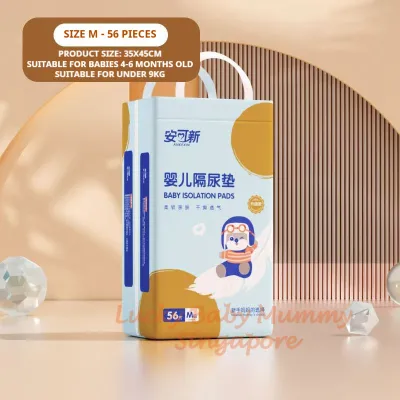
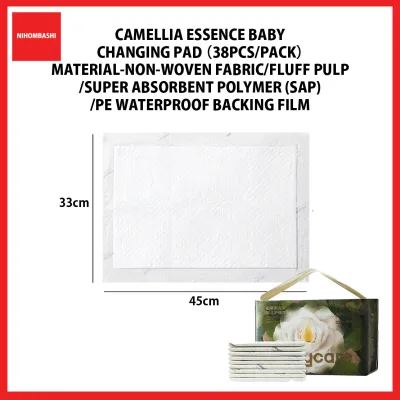
Prices are valid at publication and may change. Please refer to the product page for the latest price.
Key Features to Evaluate When Selecting Disposable Mats
When shopping for disposable changing mats, it is easy to assume all options are identical. However, subtle differences in material construction, dimensions, and backing types can dramatically affect how well a mat performs on your changing table. To make an informed purchase, you should evaluate several core specifications on product packaging or online listings before buying in bulk.

Absorbency and Leak Protection
The primary function of any disposable mat is to contain liquids and prevent them from seeping onto your changing table pad. High-quality mats typically feature a multi-layer construction designed to lock in moisture quickly. The top layer is usually a soft, non-woven fabric that allows liquid to pass through to the absorbent core. This core often contains superabsorbent polymers or cellulose pulp that turns liquid into gel, keeping the surface dry against your baby’s skin.
To ensure complete protection, you must also verify the quality of the waterproof backing and the edge design. The bottom layer is typically made of a thin, water-resistant plastic or polyethylene film that blocks any fluid from passing through to the changing pad. Additionally, look for mats with sealed, leak-proof borders. These raised or sealed edges prevent liquids from spilling over the sides of the mat when your baby has a sudden blowout, ensuring that the mess remains entirely contained within the disposable sheet.
Surface Texture and Skin Sensitivity
A baby’s skin is incredibly delicate and prone to irritation, making the texture of the mat’s top sheet a critical consideration. You should look for mats that feature a quilted, ultra-soft non-woven top layer that feels gentle to the touch. Avoid mats with a stiff, rough, or overly plastic feel, as these can cause friction and discomfort when your baby moves, potentially leading to chafing or redness during diaper changes.
For babies with sensitive skin or conditions like eczema, verifying the chemical composition of the mat is essential. Carefully check product labels for fragrance-free, dye-free, and chlorine-free certifications. Added perfumes or lotions can trigger allergic reactions or skin irritation when they come into contact with warm, moist skin. Opting for hypoallergenic options ensures that the mat provides a safe, neutral barrier that does not compromise your baby’s skin health.
Secure Fit and Non-Slip Backing
A common frustration for parents is a changing mat that slides around while they are trying to secure a diaper. As babies grow, they become more active, often kicking, rolling, or wriggling during changes. A mat that bunches up or slips can expose the changing pad underneath to messes and make the changing process more difficult and stressful.
To prevent this, look for disposable mats that feature non-slip backing materials or integrated adhesive strips. Some mats come with small adhesive tabs on the corners that allow you to secure the sheet directly to your changing pad or table surface. If you prefer not to use adhesives, look for mats with a textured, high-friction backing that naturally grips the changing pad cover, keeping the mat flat and secure even during active diaper changes.
Sizing and Fit for Standard Changing Tables
Before purchasing any disposable changing mats, it is crucial to measure your changing table pad to ensure a proper fit. Changing pads come in various shapes and sizes, including flat rectangular pads and contoured pads with raised edges. A mat that is too small will leave significant portions of your changing pad exposed to potential messes, defeating the purpose of using a protective barrier. Conversely, an oversized mat may bunch up at the edges, creating an uneven surface that can make diaper changes awkward.
When comparing mat dimensions, look for sizes that closely match the flat surface area of your changing pad. For standard changing tables, mats measuring approximately 45 by 60 centimeters or 60 by 60 centimeters are highly common and versatile. If you use a contoured changing pad with raised safety walls, you may want a slightly wider mat that can drape over the contours, or a highly flexible mat that conforms to the curved shape without lifting at the corners.
If you find yourself with oversized mats, you can easily fold the excess edges underneath to create a snug fit, though this may reduce the usable surface area. Undersized mats can still be useful for quick spot protection directly under your baby’s bottom, but they require precise placement and offer less protection against larger messes. Understanding these trade-offs will help you select the ideal dimensions for your specific nursery setup.
How to Compare Options on Online Retailers
In Singapore, online marketplaces and e-commerce platforms offer a vast selection of disposable changing mats, making it easy to compare different brands and packaging sizes from the comfort of your home. To find the best value, start by using search filters to narrow down options by size, pack count, and specific features like adhesive strips or hypoallergenic materials. This allows you to quickly eliminate products that do not meet your nursery’s specific requirements.
When evaluating the cost of different options, always calculate the cost per mat rather than looking solely at the total package price. Bulk packs of 50 or 100 mats often offer a significantly lower price per unit compared to smaller trial packs of 10 or 20. However, if you are trying a new brand for the first time, it is wise to purchase a smaller pack first to test the mat’s absorbency, slip resistance, and compatibility with your baby’s skin before committing to a large bulk purchase.
User reviews are an invaluable resource when shopping online. Look specifically for feedback from other parents regarding how well the mats stay in place, whether they leak under pressure, and if they caused any skin reactions. Additionally, pay close attention to seller ratings and shipping origins. To avoid counterfeit products or items that have been stored in poor conditions, prioritize purchasing from official brand stores or reputable local sellers who ship directly from local warehouses, ensuring the adhesive and absorbent materials remain in optimal condition.
Safe Usage and Disposal Practices
While disposable changing mats add convenience to your nursery routine, they must be used with safety in mind. The most critical rule of changing table safety is to never leave your baby unattended, even for a split second. A secure, non-slip mat does not replace the need for constant caregiver supervision. Always keep one hand on your baby to prevent falls, especially as they learn to roll and wiggle.
Proper disposal of used mats is essential for maintaining a hygienic and odor-free nursery environment. After a diaper change, carefully roll the soiled mat inward to contain any mess, and use the adhesive tabs (if available) or a piece of tape to seal it shut. Dispose of the rolled mat in a dedicated diaper pail or a lidded trash bin to keep odors contained. If the mat was soiled with solid waste, scrape the waste into the toilet before rolling up the mat to minimize odors and maintain hygiene.
After removing a disposable mat, take a moment to inspect your changing table pad. Check for any residual adhesive left behind by sticky tabs, as this can attract dust and dirt over time. Wipe down the changing pad surface periodically with a baby-safe disinfectant or a damp cloth to ensure no moisture or bacteria have trapped underneath the mat. Finally, store your unused disposable mats in a cool, dry cabinet away from direct sunlight and humidity to preserve the integrity of the waterproof backing and adhesive elements.
Frequently Asked Questions (FAQ)
Can I use disposable mats without a changing table?
Yes, disposable changing mats are highly versatile and can be used on a variety of flat surfaces outside of the nursery. They are excellent for protecting beds, sofas, carpets, or vehicle seats during quick diaper changes on the go. When using them outside of a changing table, always ensure the surface is flat, stable, and free from fall hazards. Never place your baby on an elevated surface like a bed or sofa without active supervision, as babies can roll off unexpectedly.
How many disposable mats should I stock up for a newborn?
For a newborn, diaper changes can occur up to 10 to 12 times a day. If you plan to use a disposable mat for every single change, you will go through stock very quickly. However, many parents only replace the mat when it becomes soiled, meaning a single mat can often last through multiple dry changes. It is recommended to start with a moderate stock of 40 to 60 mats. This allows you to evaluate the mat’s performance and monitor your baby’s skin for any sensitivity before investing in larger bulk quantities.
Are disposable mats safe for babies with sensitive skin?
Most disposable changing mats are designed with sensitive baby skin in mind, but safety depends heavily on the specific materials used. To minimize the risk of irritation, look for products labeled as hypoallergenic, fragrance-free, and dermatologically tested. Always monitor your baby’s skin for any signs of redness, warmth, or rash after using a new brand. If you notice any adverse reactions, discontinue use immediately, switch to a plain cloth barrier, and consult a pediatrician if the irritation persists.

Community discussion
Share your experience or ask a question. Comments are reviewed before publication.