
When babies start crawling, pulling themselves up, and taking their first steps, standard tape diapers often struggle to keep up with their constant movement. Finding the right diaper pants for an active baby requires looking beyond generic marketing claims of leak-proof protection and focusing on structural design, fit dynamics, and how the diaper responds to physical activity. The diaper pants must balance absorbency with flexibility, ensuring that leg cuffs and waistbands maintain a continuous seal even during vigorous play.
Active babies put diaper pants through rigorous real-world testing. Every squat, crawl, and climb shifts the diaper, creating temporary gaps where moisture can escape. Rather than assuming one brand is universally effective, the key is matching the specific physical build and movement patterns of your baby to the corresponding structural features of the diaper.
Understanding Leak Protection Mechanisms in Diaper Pants
To evaluate how diaper pants perform under pressure, it helps to examine their internal and external engineering. The absorbent core is the first line of defense. Modern diaper pants utilize superabsorbent polymers (SAP) blended with wood pulp or arranged in structured channels. These channels distribute liquid rapidly along the length of the core rather than allowing it to pool in a single spot. When a baby is constantly moving, efficient distribution prevents the core from sagging and pulling away from the body, which is a primary cause of leaks.
Products mentioned in this guide
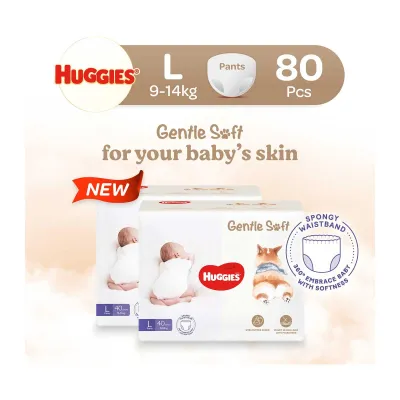

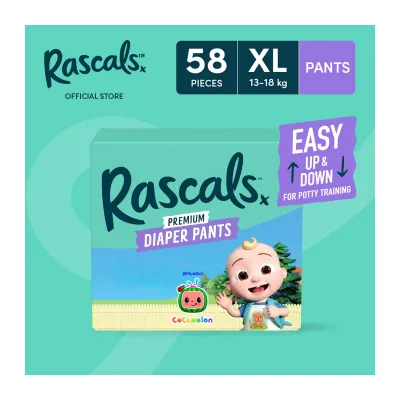
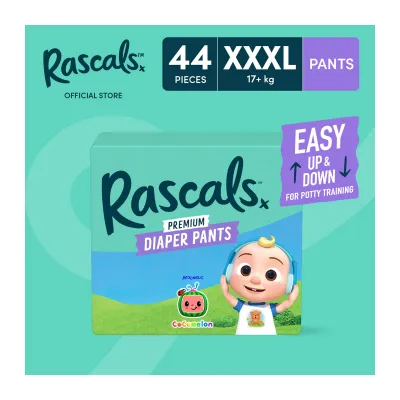
Prices are valid at publication and may change. Please refer to the product page for the latest price.
Beyond the core, the leg openings are critical containment zones. High-quality diaper pants feature dual-layer protection: an inner standing leg cuff (also known as a barrier cuff) and an outer flat elastic leg gather. The standing leg cuff is a hydrophobic fabric strip that stands upright against the baby’s thigh, acting as a physical dam to contain sudden gushes of liquid. The outer leg gather provides a secondary seal and helps the diaper conform to the outer curve of the thigh. If these cuffs are too loose or fail to stand upright, liquid will bypass them during sudden movements.
The waistband is the third critical component of leak protection, particularly for preventing blowouts at the back. Unlike tape diapers, which rely on localized adhesive tabs, diaper pants utilize a 360-degree elastic waistband. This waistband must provide enough tension to hold the weight of a wet diaper without sliding down during crawling or walking. At the same time, it must be flexible enough to expand and contract as the baby’s stomach rises and falls with breathing and digestion. A well-designed waistband distributes tension evenly across the entire midsection, minimizing gaps at the lower back.
Evaluating Fit and Movement for Active Babies
Even advanced leak protection technology will fail if the diaper pants do not fit your baby’s unique shape. To assess the fit, perform a visual and tactile check of the leg openings immediately after putting the diaper on. Run your index finger along the inside of the leg cuffs to ensure they are fully flared outward and resting flat against the skin. There should be no visible gaps between the elastic and the baby’s thigh, yet the elastic should not dig in so deeply that it leaves dark red marks or restricts circulation.

Next, observe your baby during active play to see how the diaper responds to movement. Watch for signs of waistband sliding, sagging, or bunching at the crotch. If the waistband slides down below the hips when your baby crawls or climbs, the diaper lacks the structural tension needed for their body shape. Similarly, if the crotch area sags heavily even when the diaper is dry, the overall cut may be too long or the core may lack the structural integrity required to stay close to the body during movement.
As babies grow, their body proportions change rapidly. A baby who was once chubby may lean out as they start walking, which can suddenly cause a previously reliable diaper brand to leak. Signs that a current size or brand cut is no longer compatible include frequent leaks despite the diaper not being fully saturated, red marks around the thighs or waist, or the waistband sitting too low on the hips. When these signs appear, it is usually time to re-evaluate either the size or the specific cut of the diaper pants.
Comparing Design Approaches to Leak Prevention
Different diaper manufacturers approach leak prevention with distinct design philosophies, generally falling into two main categories: high-capacity, thicker cores and ultra-thin, highly elastic designs. High-capacity diaper pants prioritize maximum absorption volume. They often feature a thicker blend of SAP and pulp, making them highly reliable for heavy wetters or long stretches of sleep. However, this added bulk can restrict movement slightly and is more prone to sagging when wet, which can create leg gaps during high-activity daytime play.
In contrast, ultra-thin diaper pants rely on advanced channel technology and highly concentrated SAP sheets to minimize bulk. These designs excel in flexibility and breathability, making them highly suitable for active babies and warm, humid conditions. Because they fit snugly and move like regular underwear, they are less likely to sag or bunch. The trade-off is that they have a lower overall volume capacity compared to thicker designs, meaning they require more frequent changes to prevent saturation leaks during long outings.
Many brands also incorporate 3D or ergonomic cuts designed to mimic the natural curves of a baby’s body. These cuts often feature contoured waistbands that are lower in the front to accommodate a rounded belly and higher in the back to prevent leaks. To verify if a brand’s ergonomic claims actually work for your baby, look at how the diaper sits when the baby is sitting or squatting. If the fabric puckers or folds outward at the hips or thighs, the 3D shaping does not align with your baby’s specific proportions, and a more standard, straight-cut design may actually provide a better seal.
Troubleshooting Leaks Before Switching Brands
Before investing in a new brand of diaper pants, it is wise to rule out common application errors and environmental factors that can cause leaks. The most frequent oversight is failing to check the barrier cuffs after pulling the pants up. Because diaper pants are slipped on quickly, the inner leg cuffs often remain tucked inward against the absorbent pad. Taking two seconds to run your fingers around the leg openings to pull these cuffs outward can instantly resolve persistent leg leaks.
Another common issue is a twisted absorbent pad or a folded waistband. If the diaper pants are pulled up unevenly, the core may bunch up on one side, leaving the other side unprotected. Ensure the waistband is pulled up symmetrically and sits flat against the baby’s skin all the way around. Additionally, pay attention to manufacturer weight limits, but treat them as general guidelines rather than absolute rules. If your baby is near the lower end of a weight range but has chunky thighs, or near the upper end with a slender build, you may need to size up or down to achieve a proper seal.
Managing daytime and nighttime diapering as separate challenges can also dramatically reduce leaks. Active daytime play requires flexibility and frequent changes, making thin, high-stretch diaper pants suitable. For nighttime, however, babies require sustained absorbency over twelve hours without the need for high mobility. If your baby experiences leaks overnight, consider using a dedicated night-time diaper pants variant with enhanced rear absorbency, or sizing up by one size specifically for sleep to accommodate the higher fluid volume.
Decision Framework: Matching Diaper Features to Your Baby
To find a reliable diaper pants option without endless trial and error, you can use a structured decision framework based on your baby’s activity level and physical build. If your baby has a high urine output but is moderately active—preferring focused floor play or stationary activities—prioritize high-capacity, structured brands that focus on core thickness and volume. These diapers will handle heavy wetting without leaking, and the moderate activity level means the risk of sagging-induced leaks is low.
If your baby is highly active, constantly running, climbing, and jumping, prioritize ultra-thin, high-stretch brands. These designs will move with your baby’s body and maintain a tight seal around the legs and waist during extreme movements. When choosing this path, ensure you or your caregiver can commit to regular, timely diaper changes, as these thinner cores cannot hold multiple heavy wettings without risking saturation leaks.
When diagnosing a leak, always identify the exact exit point before changing brands. If leaks consistently occur at the waistband, it indicates a sizing or rise issue; the diaper may be too short, or the waistband elastic may lack sufficient tension. If leaks occur at the legs, it points to a fit mismatch or a failure of the barrier cuffs. Finally, when testing new options, calculate the cost per piece in S$ rather than comparing package prices. This ensures that the leak-prevention solution you choose is not only effective but also sustainable for your household’s monthly budget.
Frequently Asked Questions (FAQ)
Does a tighter waistband prevent back leaks better?
A tighter waistband does not automatically prevent back leaks and can cause discomfort or skin irritation. The key to preventing back leaks is balanced elasticity and proper coverage height, not compression. The waistband should sit flat against the lower back with enough tension to seal the gap without digging into the skin. You can verify a safe and effective fit using the two-finger rule: you should be able to slide two fingers comfortably between the waistband and your baby’s skin all the way around.
Should I size up if my active baby gets frequent leg leaks?
Sizing up is a common solution, but it is only effective if the leaks are caused by the diaper reaching its maximum capacity. If the diaper is fully saturated when it leaks, sizing up will provide a larger absorbent core to handle the volume. However, if the diaper is relatively dry but liquid is escaping from the sides during movement, the issue is likely a fit mismatch. Sizing up in this scenario will only create larger gaps around the thighs, worsening the leaks. In this case, switching to a brand with a different leg-cuff design or a narrower cut is more effective.
Are diaper pants better than tape diapers for preventing leaks in crawling babies?
Diaper pants generally offer effective leak protection for crawling babies because of their 360-degree elastic waistband and uniform tension. As a baby crawls, their hips twist and their stomach expands and contracts, which can cause the adhesive tabs of tape diapers to pull unevenly or loosen. Diaper pants adapt dynamically to these movements, maintaining a consistent seal. However, tape diapers still hold an advantage for younger, less mobile babies, as they allow caregivers to customize the fit around the waist and legs during diaper changes while the baby is lying down.
Community discussion
Share your experience or ask a question. Comments are reviewed before publication.