
Finding the right pregnancy belly band in Singapore requires balancing physical support with the realities of living in a tropical environment. As your body changes to accommodate your growing baby, the extra weight can place significant strain on your lower back, pelvis, and abdominal muscles. A well-designed pregnancy belly band can offer immediate relief, distributing the weight of your baby bump more evenly across your torso and reducing fatigue during daily activities.
However, the search for the ideal support garment is not just about finding the strongest level of compression. In Singapore’s year-round heat and high humidity, a band that is too thick or made from non-breathable materials will quickly become uncomfortable, leading to overheating, sweat retention, and skin irritation. To ensure all-day comfort, expectant mothers must evaluate both the structural design of the band and the technical properties of its fabric.
By understanding your specific physical needs, learning to differentiate between the various types of bands available, and knowing what features to look for when shopping, you can make an informed decision that supports your body comfortably throughout every trimester. This guide explores the essential factors to consider when choosing a pregnancy belly band in Singapore, helping you select a high-quality product that keeps you cool, supported, and active.
Products mentioned in this guide
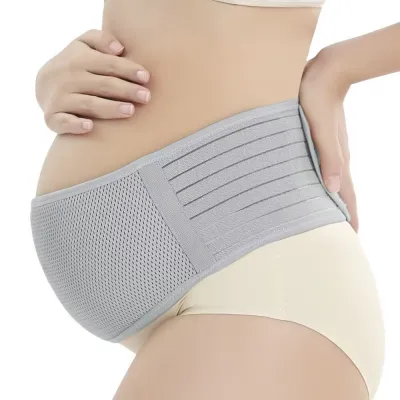
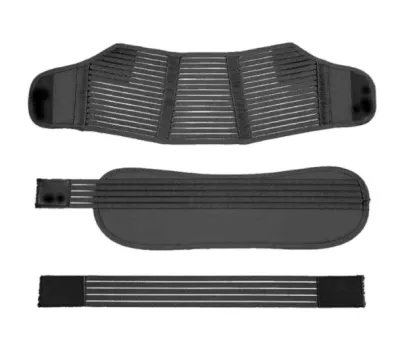
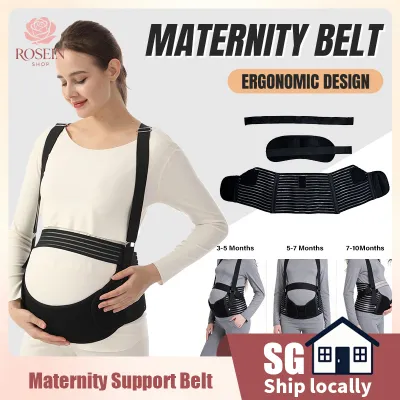
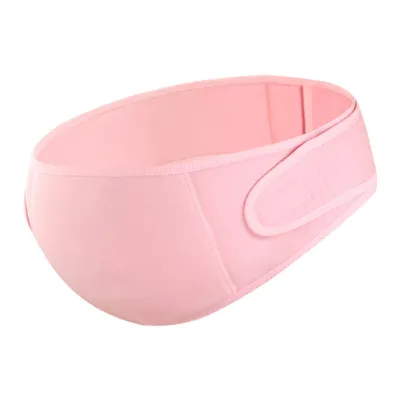
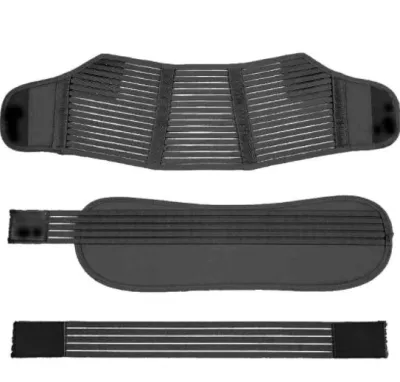
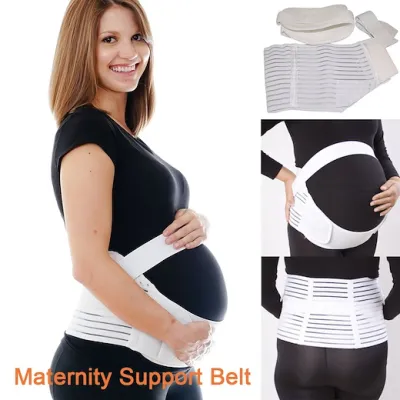
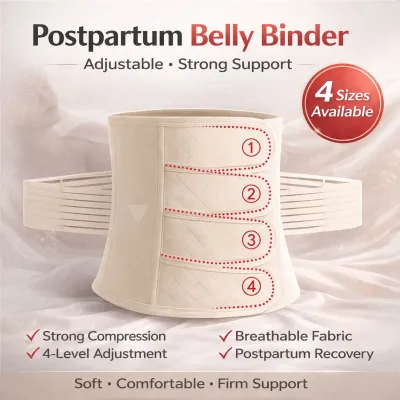
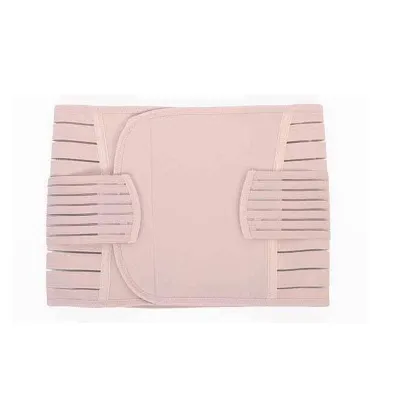
Prices are valid at publication and may change. Please refer to the product page for the latest price.
Understanding Your Support Needs During Pregnancy
During pregnancy, your body produces a hormone called relaxin, which softens your ligaments and joints to prepare your pelvis for childbirth. While this process is essential, it often leads to joint instability, shifting your center of gravity forward and forcing your lower back muscles to work much harder to keep you upright. Understanding exactly where you feel discomfort is the first step in choosing a belly band that provides the right kind of relief.
Different bands are engineered to address specific types of physical strain, and they generally fall into three main categories of support:
- General Abdominal Lifting: This type of support gently cradles the lower part of your bump, lifting it slightly to relieve the heavy, downward pressure on your bladder and lower abdominal wall.
- Lower Back Stabilization: This focuses on supporting the lumbar spine, helping to reduce the exaggerated arch in your lower back (lordosis) that often causes dull, aching muscle fatigue.
- Pelvic Girdle Pressure Relief: This involves applying targeted compression around the pelvic ring to stabilize loose joints, helping to manage conditions like Symphysis Pubis Dysfunction (SPD) or pelvic girdle pain.
It is important to remember that a pregnancy belly band is a supportive maternity garment, not a medical device, and it cannot cure underlying musculoskeletal conditions. If you are experiencing severe, sharp, or persistent pelvic and back pain that makes walking or standing difficult, you should consult your obstetrician or a women’s health physiotherapist before relying on a support band.
Your daily routine also plays a major role in determining the level of support you need. If you spend most of your day sitting at a desk in an office, a highly rigid, heavily structured belt may dig into your thighs and abdomen, making a flexible, light-compression band a much better option. Conversely, if your day involves standing for long hours, chasing after toddlers, or walking long distances, you will likely benefit from a more robust, adjustable belt that actively lifts the weight of your bump and stabilizes your pelvis.
Types of Pregnancy Belly Bands for Extended Daily Wear
To find a pregnancy belly band that you can comfortably wear for hours at a time, you must match the structural design of the garment to your current stage of pregnancy and your daily comfort threshold. Maternity brands design these bands with different levels of stiffness, coverage, and adjustability, meaning the “best” option is highly subjective and will change as your pregnancy progresses.

Seamless Stretch Tubes for Light Compression
Seamless stretch tubes are continuous loops of highly elastic, knitted fabric—usually made from nylon, polyamide, or elastane blends—that slide over your head or hips to cover your entire midsection. Because they do not feature any rigid components, wires, or heavy fasteners, they offer a completely smooth, low-profile silhouette that remains virtually invisible under lightweight summer clothing.
These tubes are ideal for early to mid-pregnancy, particularly during the late first trimester and early second trimester when you may experience abdominal bloating or a small, emerging bump. They are highly effective at bridging the gap when your pre-pregnancy shorts or trousers no longer button up comfortably, but standard maternity wear is still too loose. By smoothing over unbuttoned waistbands, they allow you to wear your existing wardrobe longer while providing a gentle, reassuring hug to your abdomen.
However, seamless stretch tubes have distinct limitations as your pregnancy advances. Because they distribute tension uniformly across the entire fabric surface rather than focusing it under the bump, they do not provide targeted lifting or structural lower back support. By the third trimester, when the weight of the baby bump increases significantly, most mothers find that a simple stretch tube is no longer sufficient to relieve pelvic pressure or lumbar strain.
Adjustable Support Belts for Targeted Relief
Adjustable support belts are more structured garments designed to provide targeted, customizable lift and stabilization. These belts typically consist of a wide back panel that rests against your lumbar region, paired with narrower straps that fasten securely underneath your baby bump using adjustable closures like Velcro or hook-and-loop tabs.
This design is highly beneficial during the late second and third trimesters, when the physical demands of carrying a larger baby become more pronounced. The adjustable nature of these belts allows you to control the exact amount of tension and lift you receive, letting you tighten the band when you are active and loosen it slightly when you sit down. Many high-quality models also feature secondary tension straps on the sides, allowing you to fine-tune the support across your hips and lower back without needing to adjust the main closure.
Despite their superior support, adjustable belts do come with design trade-offs. The multiple layers of fabric, overlapping straps, and structural fasteners make them significantly bulkier than seamless tubes, which can make them visible under thin or form-fitting clothing. Additionally, the hook-and-loop fasteners can occasionally snag delicate fabrics like silk or fine knits, and if the belt is adjusted too tightly, the edges of the straps can cause localized pressure points or dig into your skin when you bend over.
Evaluating Breathability and Fabric for Singapore's Climate
When shopping for a pregnancy belly band in Singapore, fabric selection is just as important as structural support. With year-round high temperatures and humidity levels that frequently exceed 80%, wearing a non-breathable garment close to your skin for extended periods can quickly lead to discomfort and skin issues.
To prevent heat rash, contact dermatitis, and fungal skin infections, you should always check the product labels and fiber content of a belly band before purchasing. Look for materials that naturally promote airflow and manage moisture:
- Bamboo Viscose: This fabric is exceptionally soft, hypoallergenic, and highly breathable, making it excellent for sensitive skin that is stretching and prone to itching.
- Breathable Cotton Blends: Cotton provides a natural, soft feel against the skin, and when blended with a small percentage of elastane, it offers comfortable stretch without trapping heat.
- Specialized Cooling Mesh: Many support belts incorporate panels made of engineered synthetic mesh that allows heat to escape while maintaining the necessary structural tension.
Conversely, you should avoid thick, heavy, or non-perforated materials like standard neoprene for all-day wear in Singapore. While neoprene is highly durable and supportive, it is a synthetic rubber that traps body heat and sweat against your skin, creating a warm, damp environment that is highly susceptible to bacterial growth and severe skin chafing.
In addition to the primary fabric, pay close attention to the construction of the edges and seams. Look for bands with flat-lock stitching, seamless borders, or heat-bonded edges that lie flat against your skin. Raised, rough seams or stiff polyester threads can rub persistently against your abdomen and hips as you walk, leading to painful chafing and red welts. Choosing a tagless design or a band with printed care labels will also help minimize potential irritation points.
Finally, look for structural designs that incorporate ventilation features. Many adjustable belts utilize a split-back design or perforated elastic bands that allow air to circulate freely across your lower back. These small openings make a substantial difference in keeping your skin dry and comfortable, especially when walking outdoors between air-conditioned environments.
How to Assess Brand Quality and Sizing Before Purchase
With numerous maternity brands available in Singaporean boutiques and online marketplaces, evaluating the quality and sizing of a belly band before buying is crucial to ensuring a good fit and long-term durability.
Sizing and Adjustability Always look for brands that provide detailed, maternity-specific sizing charts. Avoid products that rely on standard, pre-pregnancy clothing sizes (such as S, M, or L) without providing actual physical measurements in centimeters or inches. A reliable brand will instruct you to measure your current hip circumference or the circumference of your lower abdomen beneath your bump. Because your body will continue to change, prioritize bands that offer a wide range of adjustment or include optional band extenders to accommodate rapid growth during the final weeks of pregnancy.
Edge and Seam Construction When browsing online listings or inspecting a band in a local boutique, examine how the edges are finished. Lower-quality bands often feature simple elastic borders that easily curl, warp, or roll down when you sit or bend. Rolling edges are not just annoying; they concentrate pressure into a thin, tight band that can dig painfully into your ribs or hips. Look for reinforced borders, double-stitched edges, or integrated flexible boning that helps the back panel maintain its vertical shape without rolling.
Care and Durability A supportive belly band relies on the elastic recovery of its fibers, particularly elastane or spandex. Over time, repeated stretching and washing can cause low-grade elastic to degrade, leaving the band stretched out and useless. Check product reviews for feedback on how well the band retains its shape after multiple washes. High-quality brands will clearly state their care instructions and use premium, resilient elastic blends that maintain consistent tension over months of daily wear.
Retailer Policies Because a pregnancy belly band is worn directly against the skin or over intimate clothing, many maternity retailers in Singapore enforce strict hygiene policies that prohibit returns or exchanges once the packaging has been opened. Before making a purchase, especially from an online store, read the return policy carefully. If you are unsure about your size, look for retailers that offer physical fitting consultations or have a flexible exchange policy for unopened items so you can verify the size before committing.
Claim Verification Be skeptical of brands that make exaggerated medical claims, such as promising to “cure sciatica,” “prevent stretch marks completely,” or “guarantee a faster postpartum recovery.” Trustworthy maternity brands focus their product descriptions on realistic, verifiable benefits, such as improving posture, distributing weight evenly, relieving pressure on the lower back, and enhancing daily physical comfort.
Safe Wearing Practices and When to Seek Professional Advice
Using a pregnancy belly band safely requires understanding how to fit it correctly and knowing when to give your body a break. While these garments are highly effective at providing temporary relief, they must be used as a supportive aid rather than a permanent structural replacement for your own muscles.
Proper Fit When putting on your belly band, the fit should feel snug, supportive, and secure, but it should never feel tight or restrictive. You should easily be able to slide two or three fingers flat between the band and your skin. The band should never restrict your normal breathing, interfere with your digestion, or put direct, downward pressure on your baby bump. If you feel any squeezing or restriction when taking a deep breath, the band is too tight and must be loosened immediately.
Wear Duration To maintain your core strength, avoid wearing a support band continuously all day. Most healthcare professionals and manufacturers recommend limiting continuous wear to 2 to 3 hours at a time. Relying on a band constantly can cause your deep abdominal and lower back muscles to become inactive, leading to muscle deconditioning and making you more dependent on external support. Use the band strategically during activities that typically trigger your discomfort, such as grocery shopping, cooking, or during long walks, and remove it when you are resting or sitting comfortably.
Warning Signs Always listen to your body and pay attention to how you feel while wearing the band. You should immediately remove the belly band and consult your doctor or obstetrician if you experience any of the following warning signs:
- An increase in pelvic, back, or abdominal pain
- Numbness, tingling, or a "pins and needles" sensation in your legs, groin, or thighs
- Signs of restricted circulation, such as coldness or swelling in your lower limbs
- Skin irritation, bruising, or deep red marks that do not fade quickly after removal
- Any noticeable decrease in your baby's movements
Positioning Correct placement is essential for both comfort and safety. A pregnancy belly band should always be positioned low down, resting across your pelvic bones and wrapping snugly under your baby bump. This positioning allows the band to act as a supportive cradle, lifting the weight from below and transferring it to your hips and pelvis. Never position the band high up around your waist or across the middle of your abdomen, as this applies direct pressure to the baby and does not provide effective structural support.
Frequently Asked Questions (FAQ)
Can I wear a pregnancy belly band while sleeping?
It is generally not recommended to wear a structured or compressive pregnancy belly band while sleeping. When you are lying down, gravity no longer pulls your baby bump downward in the same way, meaning the band is not performing its primary lifting function. Furthermore, wearing a tight band while asleep can restrict your blood circulation, limit your natural breathing patterns, and prevent you from shifting positions comfortably. If you require physical support to sleep comfortably, consult your healthcare provider about safe sleep positioning and consider using a specialized pregnancy body pillow instead.
Will wearing a belly band weaken my core muscles?
Wearing a pregnancy belly band continuously without breaks can potentially lead to a weakening of your core muscles. Because the band provides external support, your abdominal and lower back muscles do not have to work as hard to stabilize your body, which can cause them to become less active over time. To prevent this muscle deconditioning, use the band selectively during periods of physical activity or when you experience discomfort, and limit wear to a few hours a day. Combining the use of a belly band with gentle, pregnancy-approved core strengthening exercises recommended by a physiotherapist can help maintain your muscle tone.
How do I wash and maintain my belly band in a humid climate?
To keep your belly band clean and preserve its elastic properties in Singapore’s humid climate, you should wash it regularly using gentle methods. Hand-washing in cool water with a mild, hypoallergenic detergent is the best way to protect the delicate elastic fibers and fasteners. If you prefer to use a washing machine, place the band inside a mesh laundry bag, secure all hook-and-loop fasteners so they do not snag, and select a gentle cycle. Always air-dry the band in a well-ventilated indoor area or a shaded outdoor spot; never use a clothes dryer or expose the band to direct, intense sunlight, as high heat will rapidly break down the elastane and ruin the band’s support capabilities.
Community discussion
Share your experience or ask a question. Comments are reviewed before publication.