
Matching Combi bibs and weaning products to your baby’s feeding journey depends on identifying their specific developmental milestones—from early drooling and milk feeding to first purees and independent self-feeding. By assessing physical readiness cues and verifying product specifications against manufacturer guidelines, parents can select the right materials, shapes, and safety features for each stage. In Singapore’s warm, humid climate, choosing lightweight, breathable, and easy-to-clean feeding gear is essential for keeping babies comfortable and maintaining high standards of hygiene during mealtimes.
Navigating the transition to solid foods can feel overwhelming with the sheer variety of feeding accessories available. Focusing on your baby’s current physical capabilities ensures you select tools that support their motor skills rather than hinder them. From soft-tipped spoons that protect sensitive gums to structured tableware designed to minimize spills, the right gear acts as a developmental stepping stone, fostering confidence for both parent and child during this exciting milestone.
Identifying Your Baby's Current Feeding and Developmental Stage
Recognizing when your baby is ready to transition to solid foods is the first step in selecting the appropriate weaning products. Babies develop at their own individual pace, meaning chronological age is only a general guide. Physical signs of readiness provide a much more accurate indicator of when it is safe to introduce solids. Before introducing any weaning tools, observe whether your baby can sit upright with minimal assistance and maintain steady head control, as these physical milestones are crucial for safe swallowing.
Products mentioned in this guide
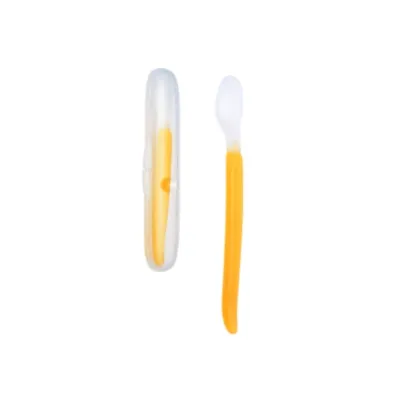

Prices are valid at publication and may change. Please refer to the product page for the latest price.
Another key indicator is the disappearance of the tongue-thrust reflex, which naturally causes young infants to push solid objects out of their mouths. When this reflex diminishes, and your baby begins to show active interest in your meals—perhaps by reaching for your food or watching your fork move from plate to mouth—they are likely ready for their first tastes of purees. This initial weaning stage requires highly specialized, gentle tools designed for parent-led feeding, as your baby is still learning how to coordinate their lips and tongue to clear food from a spoon.
As your baby grows, their feeding style will shift from passive swallowing to active self-feeding. This transition is marked by the development of the palmar grasp, where they use their whole hand to hold objects, followed by the more refined pincer grasp, using the thumb and index finger to pick up small pieces of food. Recognizing these shifts allows you to transition from long-handled parent-led spoons to short, chunky utensils and stable tableware. Always check the manufacturer’s age, weight, and developmental guidelines on the product packaging before purchasing to ensure the item matches your baby’s current stage.
Choosing Combi Bibs for Drooling and Early Purees
During the early stages of milk feeding and teething, a baby’s saliva production increases dramatically. Selecting a bib with high absorbency is essential to prevent moisture from sitting against your baby’s delicate skin, which can lead to uncomfortable drool rashes. For daily wear, look for bibs made from soft, skin-friendly fabrics that feature a hidden waterproof or water-resistant inner layer. This design keeps the baby’s clothes dry while ensuring the material touching their neck remains soft and non-irritating.

When transitioning to initial purees, the nature of the mess changes from liquid drool to colorful, staining food splatters. At this stage, a bib needs to offer wider coverage and a secure, adjustable neck closure. Adjustable closures, such as soft hook-and-loop fasteners or multiple snap settings, allow you to achieve a snug fit around the neck, preventing purees from slipping underneath and staining clothing. A comfortable fit is crucial; if a bib is too tight or scratchy, your baby may try to pull it off, disrupting the mealtime routine.
For active spoon-feeding, bibs equipped with deep, wide catchment pockets are highly effective. These pockets remain open to catch falling purees, stray rice grains, and liquid spills before they land on your baby’s lap or the highchair straps. In Singapore’s humid climate, fabric bibs can take longer to air-dry after washing, making wipeable silicone or coated plastic bibs an excellent alternative. These materials can be quickly rinsed under the tap or wiped clean with a damp cloth, allowing them to be reused for the next meal without waiting hours for laundry to dry.
Selecting Combi Weaning Utensils for First Solids
Introducing a spoon into a baby’s mouth is a brand-new sensory experience that requires gentle materials. The first weaning spoons should feature soft, flexible tips made from food-grade silicone or elastomer. These materials are highly forgiving on sensitive, teething gums and protect newly emerging primary teeth from accidental impact. Hard plastic or metal spoons can cause discomfort or pain if a baby bites down suddenly, which may lead to food avoidance or resistance during mealtime.
Handle design plays a dual role depending on who is controlling the spoon. For the initial phase of weaning, where the parent does the feeding, a spoon with a long, ergonomically curved handle is ideal. This length allows you to reach into deep baby food jars easily and maintain a comfortable grip while feeding your baby from various angles. As your baby begins to grasp the spoon themselves, look for shorter, wider handles with non-slip textured grips that fit naturally into their small hands, helping them guide the utensil to their mouth.
Safety and material purity must be verified before purchasing any utensil that enters your baby’s mouth. Parents should carefully inspect product packaging to ensure the items are free from bisphenol A (BPA), phthalates, and other potentially harmful chemical additives. Look for clear safety labels, material compositions, and official compliance certifications from recognized testing bodies. Choosing high-quality, food-grade materials ensures that the utensils remain stable and safe even when exposed to warm foods and repeated cleaning cycles.
Upgrading to Combi Tableware for Independent Self-Feeding
As toddlers develop their fine motor skills, they naturally want to feed themselves, which often leads to experimental tipping, dropping, and throwing of dishes. To encourage independence while keeping the mess manageable, prioritize tableware equipped with strong suction bases or non-slip rubber rings. These features secure the plate or bowl firmly to the highchair tray or dining table, preventing the dish from sliding away when your toddler attempts to scoop up food with a spoon.
Divided plates are particularly useful during the self-feeding stage as they support portion control and keep different food textures separate. Many toddlers prefer their foods not to touch, and divided sections allow you to present a balanced meal of grains, proteins, and vegetables clearly. Pair these plates with toddler-friendly forks and spoons that feature short, rounded tines and shallow bowls. Some self-feeding utensils also include built-in safety shields or stoppers to prevent the child from inserting the utensil too far into their mouth.
Convenience in meal preparation and cleanup is a major factor for busy households. Before purchasing tableware, review the manufacturer’s instructions on the packaging regarding microwave, oven, and dishwasher safety. Not all plastics or silicone formulations are rated for high temperatures, and exposing non-compliant materials to extreme heat can cause warping, degradation, or loss of suction capability. Verifying these care instructions ensures your tableware remains durable and safe for daily use.
Safety Checks, Cleaning, and Replacement Guidelines
Maintaining strict hygiene and safety standards for your baby’s feeding products requires regular inspection and proper care. Before every single meal, take a moment to inspect all silicone, plastic, and fabric components of your bibs, spoons, and tableware. Look closely for any signs of physical damage, such as deep bite marks, tears, structural weakness, or loose parts. Damaged items should be discarded immediately, as small pieces of torn silicone or plastic can detach and pose a serious choking hazard.
Cleaning methods must align precisely with the manufacturer’s guidelines to prevent material degradation. While some silicone and plastic feeding items are compatible with steam sterilization, boiling water, or UV sanitizers, others may warp or release chemical compounds when exposed to temperatures beyond their rated limits. Always check the specific temperature thresholds printed on the product packaging or manual. Avoid using abrasive scrubbing pads or harsh chemical detergents, which can scratch plastic surfaces and create microscopic crevices where bacteria can accumulate.
Knowing when to replace your baby’s feeding gear is essential for ongoing safety. Over time, repeated washing, sterilization, and exposure to UV light can cause materials to break down. If a silicone spoon becomes sticky to the touch, a suction base loses its ability to adhere, or a fabric bib’s waterproof backing begins to peel and crack, the item has reached the end of its safe lifespan. Promptly replacing worn items ensures your baby’s feeding environment remains hygienic, functional, and completely safe.
Frequently Asked Questions (FAQ)
Can I use weaning products in the microwave or dishwasher?
You should never assume a feeding product is safe for the microwave or dishwasher based solely on its material type. Always check the specific product’s packaging, base markings, or official user manual for exact temperature limits and washing instructions. Some silicone and plastic formulations are highly heat-resistant and dishwasher-safe, while others may warp, lose their suction capabilities, or degrade under high temperatures or microwave radiation.
How do I know when to move my baby to the next feeding stage?
Transitioning to the next feeding stage should be guided by your baby’s physical and behavioral milestones rather than chronological age alone. Look for signs such as improved hand-eye coordination, the ability to bring hands or toys to the mouth accurately, and the capacity to chew and swallow thicker, textured foods without gagging. If you are unsure about your baby’s developmental progress or readiness for new food textures, consult a pediatrician or a qualified child health nurse for personalized guidance.
What should I do if my baby chews on and damages a silicone weaning spoon?
If you notice any bite marks, tears, structural weakness, or loose pieces on a silicone weaning spoon, you must stop using it immediately. Damaged silicone can easily tear further during feeding, creating small, loose fragments that present a severe choking hazard for your baby. Dispose of the damaged utensil safely and replace it promptly with a new, fully intact spoon to maintain a safe feeding routine.
Community discussion
Share your experience or ask a question. Comments are reviewed before publication.